

 Önizle
 Gönder
 Paylaş
 Detaylar
 Rehber

 Dosyayı İndir
 Benzerleri
 X-Işını
 Slayt Gösterisi
 İstatistikler
High Life

 Devamını Oku
Çevrimiçi önizlemeden çok daha yüksek kalitede, iyileştirilmiş ve yüksek çözünürlüklü bir dijital görüntü satın alın.
Her dosya, uzman ekibimiz tarafından gelişmiş araçlar ve titiz manuel rötuş teknikleri kullanılarak özenle hazırlanır. Her görüntünün olağanüstü netliğe, kusursuz renk doğruluğuna ve ince ayrıntılara sahip olduğundan emin oluruz.
Son dosya; profesyonel, editoryal ve baskı süreçlerinde anında kullanıma uygun şekilde optimize edilerek 72 saat içinde e-posta yoluyla teslim edilir. Bu, seçkin tasarım stüdyoları, yayıncılar ve galerilerin güvendiği aynı kalite standartlarındadır.
Dijital Görsel
Kişisel kullanım, baskı ve yaratıcı projeleriniz için yüksek çözünürlüklü bir dosya indirin. ( Baskı Satışına Geç El Yapımı Tablo Satın Al)
Her Dijital Görüntü Siparişine Dahil Olanlar
Profesyonel Dijital Teslimat Garantisi
OriginalUniqueArt.com seçtiğinizde, sadece bir görsel edinmekle kalmaz; titizlikle hazırlanmış, profesyonelce iyileştirilmiş dijital bir sanat eserine sahip olur ve memnuniyet garantisiyle güvence altına alınırsınız. Siparişinizle birlikte otomatik olarak sunulan her şey şunlardır:

Hızlı E-posta ile Teslimat
Yüksek çözünürlüklü dijital görüntü dosyanız, siparişinizin ardından en geç 72 saat içinde e-posta ile size gönderilecek ve hemen kullanıma hazır olacaktır.

Yapay Zeka Destekli Dijital Dosya
Sanat eseriniz; maksimum detay, netlik ve renk doğruluğu sağlamak amacıyla gelişmiş yapay zeka araçları ve manuel düzenleme kullanılarak profesyonelce optimize edilmektedir.

Ömür Boyu Ücretsiz Yeniden Gönderim
Dosyanızı yanlışlıkla mı sildiniz yoksa kayıp mı oldu? Endişelenmeyin; dosyanızı dilediğiniz zaman size ücretsiz olarak tekrar göndereceğiz.

Asla İthalat Ücreti Ödemeyin
Sanat eserinizin tadını gümrük vergisi, harç veya teslimat ücreti ödemeden anında çıkarın; dijital indirmeler her zaman vergiden muaftır.

Renk Doğruluğu Garantisi
Profesyonel araçlar ve renk yönetimi kullanarak dijital görselinizin orijinal renklere mümkün olduğunca yakın yansıtılmasını sağlıyoruz.

100 Günlük Memnuniyet Garantisi
If you're not satisfied with your digital image, we'll revise it or refund 100% within 100 days - no questions asked.

100% Para İadesi Garantisi
Memnun kalmadınız mı? Dijital dosyanızı teslim aldıktan sonraki 100 gün içinde, hiçbir soru sorulmaksızın tam para iadesi alabilirsiniz.

Toplu Sipariş İndirimleri
Buy 3 images, save 10% - Buy 5, save 15% - Buy 10+, save 20%. Great for creative projects, galleries, and agencies.
Soru ve Cevaplar
"High Life" adlı eser bir sanat baskısı olarak mevcut mu?
Subodh Gupta imzalı "High Life" eserinin bir baskası doğrudan ilgili Sanat Baskısı sayfasından sipariş edilebilir: pamuklu kanvas veya arşivlik kanvas kağıt üzerine yüksek kaliteli sanat baskısı.
Subodh Gupta imzalı "High Life" eserinin röntgen görüntüsünü görebilir miyim?
Subodh Gupta imzalı "High Life" eserinin X-Işını sayfası, röntgen tarzı bir görünüm de dahil olmak üzere, eserin görüntüsündeki on bir optik katman arasında kaydırma yapmanıza olanak tanıyan etkileşimli bir görüntüleyicidir.
Subodh Gupta imzalı "High Life" adlı eser aydınlık mı yoksa karanlık bir sanat eseri mi?
Subodh Gupta imzalı "High Life" eserinin algılanan parlaklığı deep_shadow düzeyindedir. Bu değer, kullanılacağı mekanın ışığıyla uyumlu hale getirilebilir.
Sanatçı Biyografisi
The Alchemy of the Everyday: The Visionary World of Subodh Gupta
In the quiet, dust-moted landscapes of Khagaul, Bihar, a journey began that would eventually reshape the global perception of contemporary Indian art. Born in 1964, Subodh Gupta’s early life was steeped in the textures of rural India—a world where the rhythms of tradition and the necessity of survival were inextricably linked. His formative years, marked by the loss of his father and a childhood spent navigating the simplicity of village life, instilled in him a profound reverence for the mundane. This deep-seated connection to the elemental is the heartbeat of his mature practice. Before he was an international icon, Gupta was a student of the tangible, finding inspiration in the way light hit a steel plate or how the communal ritual of eating bound a community together. His education at the College of Arts & Crafts in Patna provided the technical foundation, but it was the lived experience of India’s shifting social fabric that provided his true medium.
Gupta’s artistic language is one of transformation, where the humble becomes monumental. He possesses a singular ability to take the ubiquitous—stainless steel tiffin boxes, milk pails, bicycles, and thali pans—and elevate them into profound sculptural statements. These are not merely objects; they are vessels of memory and symbols of a nation in flux. By meticulously arranging mass-produced utensils into sweeping, geometric installations, Gupta invokes the spirit of Minimalism while imbuing it with a heavy, cultural weight. To a viewer in the West, these gleaming steel structures might appear as exotic artifacts of a distant land; yet, to those familiar with the Indian household, they are intimate, domestic echoes of daily life. This duality allows his work to act as a bridge, navigating the complex tensions between local tradition and the relentless tide of globalization.
Symbolism and the Sculptural Narrative
The power of Gupta’s work lies in its capacity to hold contradictory truths simultaneously. His sculptures often function as icons of both sustenance and scarcity, reflecting the economic transformations of modern India. In his most celebrated installations, such as the monumental Untitled (Chimta), the repetition of steel trays creates an imposing visual rhythm that mirrors the sheer scale of India's population and its collective identity. There is a sacredness in his use of materials; by incorporating elements like rice, spices, or even cow dung, he touches upon the ritualistic nature of Indian life, where food and earth are deeply intertwined with faith and survival.
As his career progressed, Gupta’s focus underwent a subtle but significant evolution. While his early fame was built upon the pristine, reflective surfaces of new stainless steel, he began to gravitate toward found objects that bore the scars of previous ownership. This shift introduced a poignant layer of human narrative into his work. The scratches, dents, and patinas on these weathered items serve as traces of lives lived, turning inanimate utensils into vessels of storytelling. Through this lens, his art becomes an exploration of migration and dislocation, capturing the essence of individuals moving through a world that is constantly being redefined by economic and social shifts.
A Global Legacy and Artistic Significance
Subodh Gupta’s ascent to the pinnacle of the contemporary art world has been nothing short of meteoric. Often referred to with reverence as a towering figure in Indian art, his presence in major international institutions—from the Tate Modern in London to the Venice Biennale—has cemented his status as a global messenger. His ability to translate local vernacular into a universal aesthetic has allowed him to transcend cultural boundaries, making him one of the most influential artists of his generation.
The historical significance of Gupta’s contribution can be summarized through several key pillars of his impact:
- Redefining Materiality: He successfully challenged the hierarchy of sculptural materials, proving that the most common, mass-produced objects can carry immense conceptual and aesthetic weight.
- Cultural Translation: His work serves as a vital medium for exploring how Indian identity is negotiated within the context of a globalized, interconnected world.
- The Intersection of Ritual and Modernity: By utilizing everyday objects to evoke ancient rituals, he creates a dialogue between the historical past and the industrial present.
- Global Representation: He has been instrumental in bringing the complexities of contemporary Indian social reality to the forefront of the international art discourse.
Today, as Gupta continues to live and work in New Delhi, his practice remains an ongoing investigation into the soul of the everyday. He remains an artist who does not merely observe the world but reconstructs it, one steel spoon at a time, inviting us all to find the extraordinary within the ordinary.
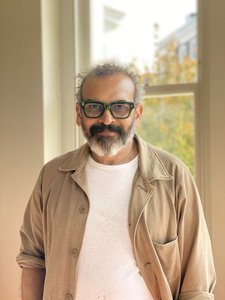
Subodh Gupta
1964 - , India
Kısa Bilgiler
- Full Name: Subodh Gupta
- Nationality: Indian
- Date Of Birth: 1964
- Place Of Birth: Khagol, India
- Notable Artworks:
- Rani
- The Other Thing (Chimta)
- High Life
- Artistic Movement Or Style: Contemporary art
- Artists Or Movements Influenced By This Artist: ['Bharti Kher']