Pop Art/Conceptual art · 1962
Objectivity (Sol Lewitt, 1962)
Objectivity, Sol Lewitt (1928–2007) tarafından yapıldı. 1962 yılına aittir. Pop Art/Conceptual art akımına aittir. Mixed Media ile yapılmıştır. Boyutları 128 × 128 cm'dir.
- 1962
- Mixed Media
- 128 × 128 cm

 Gerçek Boyutta Önizle

 El Yapımı Yağlı Boya Tablo
 Paylaş
 Paylaş
 Bilgi formu


 İndir
 Benzer ürünler
 X-Işını
 Slayt Gösterisi
 Soru & Cevap

 İstatistikler
Objectivity hakkında kısa bilgi
- Başlık
- Objectivity
- Sanatçı
- Sol Lewitt (1928–2007)
- Sanatçının doğum yeri
- Hartford, Amerika Birleşik Devletleri
- Tarih
- 1962
- Teknik
- Mixed Media
- Boyutlar
- 128 × 128 cm
- Dönem
- Modern
- Konu
- grid, text, minimalism, conceptual, repetition, objectivity
Objectivity neyi betimliyor?
Objectivity by Sol LeWitt: A Grid of Conceptual Precision
Sol LeWitt's "Objectivity," created in 1962, is a seminal work within the realms of Minimalism and Conceptual Art. This striking piece challenges traditional notions of artistic representation, prioritizing idea and system over subjective expression or illusionistic depiction. Measuring an impressive 128 x 128 cm, it commands attention with its rigorous structure and deliberate repetition.
Composition and Technique: A Three-Dimensional Grid
"Objectivity" presents as a square canvas meticulously divided into a three-dimensional grid of twenty-five squares. Each row contains five squares across and five down. The word "OBJECTIVITY," rendered in bold blue capital letters, is repeated five times across the rows. However, it's not simply a straightforward repetition. Each square displays two letters – “OB,” “JE,” “CT,” and “IV” – with the rightmost squares completing the word “ITY.” A key element of the work lies in its layering: the top row projects outward from the canvas surface, while subsequent rows recede further back, creating a subtle illusion of depth. The background color shifts progressively from orange in the upper row to increasingly darker shades of red as one descends, contributing to a sense of diminishing visibility and an overall darkening effect.
Style and Historical Context: Minimalism and Conceptualism
“Objectivity” emerged during a pivotal period in art history. The late 1950s and early 1960s witnessed the rise of Minimal Art, which rejected Abstract Expressionism’s emphasis on gesture and emotion, favoring instead geometric forms, industrial materials, and a reduction to essential elements. Simultaneously, Conceptual Art began to gain momentum, prioritizing the idea behind the artwork over its physical manifestation. LeWitt's work brilliantly embodies both movements. "Objectivity" exemplifies Minimalism through its grid structure, precise geometry, and serial repetition. It aligns with Conceptualism by foregrounding the underlying concept – in this case, a meditation on objectivity itself – and minimizing the artist’s hand in the final product. The systematic nature of the piece reflects LeWitt's interest in mathematical principles and logical systems.
Symbolism and Emotional Impact: Questioning Perception
The title "Objectivity" is inherently provocative, given the work's visual complexity and layered construction. By repeatedly presenting the word within a receding grid, LeWitt seems to question the very notion of objective truth or perception. The darkening effect as one descends suggests that objectivity becomes increasingly elusive, obscured by layers of interpretation and perspective. The rigid structure can evoke feelings of detachment, artificiality, and even a subtle unease. While seemingly impersonal, "Objectivity" invites viewers to contemplate the complexities of seeing and understanding, prompting reflection on how our perceptions are shaped by context and distance.
Materials and Legacy
LeWitt utilized mixed media in “Objectivity,” primarily employing cardboard or similar rigid material painted with acrylics. The choice of materials reinforces the work's industrial aesthetic and its rejection of traditional artistic techniques. "Objectivity" remains a significant piece within LeWitt’s oeuvre, demonstrating his pioneering approach to artmaking and solidifying his place as a key figure in 20th-century art. Its influence can be seen in subsequent generations of artists exploring conceptual frameworks and systematic processes.
Objectivity için yüksek çözünürlüklü görseller
Protected by copyright: these files are for personal reference, not a licence to republish.
Sol Lewitt, Objectivity (1962).
Objectivity hakkında sorular ve cevaplar
Sol Lewitt imzalı "Objectivity" hangi yılda üretildi?
"Objectivity", 1962 yılına tarihlenmektedir. Bu tarih, eseri Sol Lewitt kariyerinin ve dönemin içerisine yerleştirmektedir.
Sol Lewitt imzalı "Objectivity" eserinde hangi teknik kullanıldı?
"Objectivity", Mixed Media kullanılarak icra edilmiştir.
Orijinal Sol Lewitt imzalı "Objectivity" eserinin boyutları nedir?
"Objectivity" adlı eserin orijinal boyutları 128 x 128 cm ölçülerindedir. Orijinal boyutlar, bir reprodüksiyon boyutu seçerken yararlı bir referans niteliğindedir.
Sol Lewitt imzalı "Objectivity" neyi betimliyor?
Sol Lewitt imzalı "Objectivity" şunları betimler: grid, text, minimalism, conceptual, repetition, objectivity, geometric.
Sol Lewitt imzalı "Objectivity" eserinin görüntüsü serbestçe çoğaltılabilir mi?
Sol Lewitt imzalı "Objectivity", telif hakları ile korunmaya devam etmektedir statüsündedir. Bu durum, eserin görüntüsünün nasıl çoğaltılabileceğini belirler.
"Objectivity" adlı eser hangi sanatçıya atfediliyor?
"Objectivity" eserinin sanatçısı Sol Lewitt'tir. Eser, Sol Lewitt adına kataloglanmıştır.
Sol Lewitt imzalı "Objectivity" hangi sanat akımına dahil?
Sol Lewitt imzalı "Objectivity" adlı eserin dahil olduğu akım Pop Art/Conceptual art akımıdır. Bu sınıflandırma, çalışmayı ilgili sanatçılar ve sanat eserleri arasında konumlandırır.
"Objectivity" adlı eser, Sol Lewitt kariyerinin hangi dönemine ait?
"Objectivity", Sol Lewitt kariyerinin Mature Period dönemine aittir. Bu sınıflandırma, eseri sanatçının gelişim süreciyle ilişkilendirir.
"Objectivity" eseri yaratıldığında Sol Lewitt kaç yaşındaydı?
Sol Lewitt, "Objectivity" adlı eserini 34 yaşındayken yaptı. Sanatçı 1928 yılında doğmuştur ve eser 1962 tarihine aittir.
Sanatçı hakkında, Sol Lewitt

1928–2007, Amerika Birleşik Devletleri
Sol Lewitt
Fikirlerin Mimarı: Sol LeWitt'in Yaşamı ve Mirası Yirminci yüzyıl modernizminin uçsuz bucaksız manzarasında, Solomon LeWitt kadar uzun veya entelektüel açıdan derin bir gölge düşüren çok az figür vardır. 9 Eylül 1928'de Connecticut, Hartford'ta Rusya'dan gelen Yahudi göçmen bir ailenin çocuğu olarak dünyaya gelen LeWitt'in yolculuğu, salt fiziksel icradan ziyade saf düşüncenin peşinden gitmekle tanımlanan bir serüvendi. İlk yılları, 1945 ile 1949 yılları arasında Syracuse Üniversitesi'ndeki eğitimiyle beslenen titiz ve analitik bir merakla şekillendi. Matematik ve geometri üzerine kurulan bu akademik temel, daha sonra sanatsal dilinin asıl kalp atışı haline gelecek; ona geleneksel sanatın dekoratif fazlalıklarını soyup atarak mantığın ve yapının iskeletsel güzelliğini açığa çıkarma imkanı tanıyacaktı.
Sol Lewitt Hakkında Sol Lewitt tarafından yapılmış öne çıkan eserler
Sol Lewitt tarafından yapılan diğer eserler
 Serial Project #1 ABCD1966
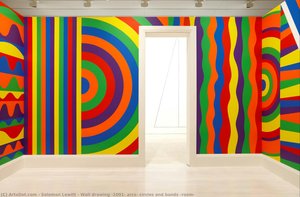 Wall drawing #1091: arcs, circles and bands (room)2003
 Distorted Cubes Bozuk Küpler
 Wall Drawing #3911983
Objectivity üzerine denemeler
 Geometry with Purpose: Distinguishing Suprematism from ConstructivismMaster the differences between Suprematism and Constructivism with our expert guide. Discover the soul of the Russian avant-garde now.
 Beyond the Object: Top 10 Masterpieces of Conceptual ArtExplore 10 iconic works of Conceptual Art by Duchamp and Ono. Discover the power of ideas on OriginalUniqueArt.com.
 Expressionism vs. New Objectivity: Emotion vs. Precision in German ArtMaster the tension between Expressionist emotion and New Objectivity precision. Explore the soul of German modern art now.