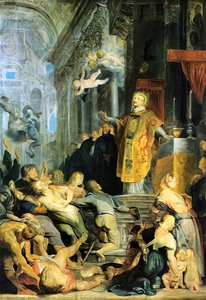
Gerçek Boyutta Önizle
 Paylaş
 Paylaş
 Detayları Gör
 Rehber

 İndir
İndir
 Benzer ürünler
 X-Işını
 Slayt Gösterisi
 Soru & Cevap
 İstatistikler
Pan and Syrinx

- 40.0 x 61.0 cm


 Tümünü Gör
Giclée / Sanat Baskısı
Hızlı üretim ve esnek bitiş seçenekleriyle müze kalitesinde giclée veya kanvas baskı. ( El Yapımı Tablo Satın Al Dijital Görsele Geç)




P118B ₺10

P118H ₺10

P118W ₺10

P438Z ₺10

P508JH ₺12

P508YH ₺12

P805H ₺10

P805Z ₺10

P919BZ ₺10

P919G ₺10

P919XJ ₺10

P959ZH ₺10

P968JZ ₺12

W106C ₺8

W218G ₺10

W218JH ₺8

W218Y ₺10

W307PJ ₺10

W316G ₺10

W316PJ ₺8

W316Y ₺10

W398PJ ₺8

W4111J ₺10

W500HY ₺15

W500JH ₺15

W692G ₺12

W849H ₺8

W940BG ₺15

W953PJ ₺8




Eserin orijinal oranlarıyla uyumlu, önceden belirlenmiş boyutlarımız arasından seçim yapın.

Çerçevenize veya duvarınıza uygun olması için ihtiyacınız olan genişlik ve yüksekliği yazın. Bir baskı yalnızca kesilebilir, görselden daha büyük hale getirilemez; bu nedenle farklı bir formdaki boyut seçimi, görselin bir kısmının kaybına neden olur. Herhangi bir baskı yapmadan önce onaylamanız için size bir dijital taslak gönderiyoruz. Bu sayfada gösterilen resim gerçek kesimi göstermez — bunu yalnızca taslak gösterir.
Dünya Çapında Teslimat (); standart 4/5 hafta yerine 2 haftada. (5 Kasım)

Dünya Çapında Ücretsiz Ekspres Kargo

Yüksek Kaliteli Keten Kanvas

Tam Nakliye Sigortası

Gümrük Vergisi İadesi Garantisi

Gerçek Renk Uyumu Garantisi

100 Günlük İade Politikası (Sadece Kusurlu Ürünler İçin)

%100 Para İade Garantisi

Toplu Alım İndirimi
 Cam seçeneği yalnızca 110 cm altındaki boyutlar için mevcuttur.

Pan and Syrinx
Giclée / Sanat Baskısı
Reproduksiyon Boyutu
-


Toplam Tutar
₺ 3987
The Scene
The scene features two naked figures, one male and one female, standing in front of each other. The woman holds a red cloth, while they are surrounded by tall grass and plants, creating an outdoor setting reminiscent of ancient Greek landscapes. Several birds scattered throughout the painting add life and movement to the scene, suggesting inspiration from nature or mythology.Artistic Style
Rubens' unique Baroque style emphasizes movement, color, and sensuality. In Pan and Syrinx, he skillfully captures a moment of intimacy between the two figures. The use of oil on panel allows for rich colors and detailed textures, characteristic of Rubens' work.Context and Inspiration
Rubens was known for his erudite references to classical and Christian history in his compositions. Pan and Syrinx likely draws from mythological themes, as Pan, the Greek god of shepherds and wild animals, is depicted with Syrinx, a nymph who transformed into reeds to escape him.Other Works by Rubens
Peter Paul Rubens was prolific in his artistic career. Some notable works include:- Venus and Adonis (83 x 91 cm, The State Hermitage Museum, Saint Petersburg, Russia)
- Landscape with an Avenue of Trees (56 x 72 cm, Museum of Fine Arts, Boston, United States)
- Landscape with Tower (23 x 30 cm)
- Saint Gregory with Saints Domitilla, Maurus, and Papianus (477 x 288 cm)
Conclusion
Pan and Syrinx by Peter Paul Rubens is a testament to his skill in capturing intimate moments with a blend of mythology and nature. The painting's rich colors, detailed textures, and sensuality are characteristic of Rubens' Baroque style. For those interested in exploring more of Rubens' works or learning about the Detroit Institute of Arts, visit Discovering the Detroit Institute of Arts and Peter Paul Rubens on Wikipedia.Soru ve Cevaplar
Pietro Paolo Rubense imzalı "Pan and Syrinx" benzeri sanat eserlerini nerede bulabilirim?
Pietro Paolo Rubense imzalı "Pan and Syrinx" eserine benzer çalışmalar, eserin Benzer Eserler sayfasında bir araya getirilmiştir.
Pietro Paolo Rubense imzalı "Pan and Syrinx" eserinin renkleri nasıl bir duygu uyandırıyor?
Pietro Paolo Rubense imzalı "Pan and Syrinx", Earthy bir paleti Melancholic bir tonla birleştiriyor.
"Pan and Syrinx" eserini kim yarattı ve hangi tarzda?
"Pan and Syrinx" eserinin arkasında Pietro Paolo Rubense ve Baroque akımı yer almaktadır.
Sanatçı Özgeçmişi
Sir Peter Paul Rubens: A Baroque Master!
Peter Paul Rubens, a name synonymous with the exuberant grandeur of the Baroque era, transcended mere artistic talent; he was a diplomat, scholar, and cultural architect whose indelible mark reshaped the visual landscape of 17th-century Europe. Born on June 28, 1577, in Siegen (Westphalia), Germany—a location reflecting his family’s turbulent origins—Rubens' early life unfolded amidst displacement, an experience that subtly imbued his oeuvre with a palpable sense of drama and emotional resonance. His father, Jan Rubens, a lawyer fleeing persecution for his Calvinist beliefs, abruptly relocated the family from Antwerp, then under Spanish dominion, fostering in young Peter Paul a resilience and adaptability that would prove invaluable throughout his multifaceted career. The untimely death of Jan Rubens in 1587 propelled the family back to Antwerp, where he received a humanist education before embarking on his artistic apprenticeship around 1590, honing foundational skills under Tobias Verhaecht and Adam van Noort—masters who instilled in him meticulous observation and technical precision.The Italian Awakening: Absorbing Renaissance Genius
A pivotal moment arrived in 1600 when Rubens embarked upon a transformative pilgrimage to Italy – a journey that irrevocably cemented his artistic vision. For eight years, he immersed himself in the monumental masterpieces of Michelangelo, Raphael, and Titian, absorbing their unparalleled mastery of form, color, and composition. The influence of these Renaissance titans is unmistakably evident in Rubens’s formative Italian works, characterized by classical themes and idealized figures—a deliberate homage to the artistic ideals that had dominated Europe for centuries prior. Yet, Rubens didn't merely emulate; he synthesized these influences with his innate genius, forging a distinctive style marked by vibrant hues, dynamic compositions, and a sensual depiction of the human form. He undertook exhaustive anatomical studies, resulting in figures imbued with both physical realism and profound emotional depth—a hallmark of Baroque art’s ambition to capture the complexities of human experience. This period wasn't solely focused on artistic technique; it represented an intellectual awakening, fostering a deep appreciation for classical mythology and literature which would become recurring motifs throughout his prolific output.Antwerp: Establishing Artistic Dominance
Returning to Antwerp in 1608 following news of his mother’s passing—a deeply personal tragedy that profoundly impacted him—Rubens swiftly established himself as the undisputed artistic leader of his time, securing commissions from influential patrons and cementing his reputation as a visionary artist. Recognizing the burgeoning potential of his talent, he commissioned a magnificent studio designed in the Italian Renaissance style by Peter Paul Wreneman – a space meticulously crafted to facilitate experimentation and inspire creativity. He married Isabella Brandt in 1610, forging a partnership that would endure until her untimely death in 1640—a loss that devastated Rubens and fueled his artistic fervor. During this period, he served as court painter to the Archduke Albert and Isabella of Austria, skillfully navigating the political intricacies of Habsburg rule while simultaneously producing an astonishing array of artworks – including monumental altarpieces for churches across Flanders and Brabant.A Diplomatic Career Alongside Artistic Creation
Beyond his artistic pursuits, Rubens possessed remarkable diplomatic acumen—a skill honed during his service to the Spanish Crown and subsequently utilized in negotiations with Protestant factions during the Eighty Years’ War. His unwavering commitment to diplomacy underscored his multifaceted intellect and broadened his perspective on European affairs – a duality that enriched both his personal life and his artistic output. Notably, he undertook a daring mission to England in 1620-1621, securing royal patronage for his art and bolstering the Habsburg cause amidst escalating tensions with Protestant powers. His involvement in the decoration of Whitehall Palace—a project fraught with challenges posed by Cardinal Richelieu—demonstrated his artistic prowess alongside his political savvy.Legacy: Shaping Baroque Art Forever
Rubens’s influence on subsequent generations of artists is undeniable; painters like Anthony van Dyck, Jacob Jordaens, and Eugène Delacroix recognized him as a beacon of inspiration – absorbing his masterful technique and embracing his dynamic compositional style. His legacy extends far beyond the canvases he created—he elevated painting to new heights of prestige and artistic innovation, establishing Antwerp as a vibrant epicenter of Baroque art production during the 17th century. Sir Peter Paul Rubens remains, centuries later, an enduring symbol of artistic genius and Baroque splendor – a testament to the transformative power of creativity and the indelible imprint left upon European cultural history. His monumental works continue to captivate audiences worldwide, ensuring that his vision—characterized by dynamism, color, and profound emotional depth—will resonate for generations to come.
Pietro Paolo Rubense
1577 - 1640 , Almanya
Kısa Bilgiler
- Artistic Movement Or Style: Baroko
- Artists Or Movements Influenced By This Artist:
- Anthony van Dyck
- Jacob Jordaens
- Artists Who Influenced This Artist:
- Michelangelo
- Raphael
- Titian
- Date Of Birth: 28 Haziran 1577
- Full Name: Sir Peter Paul Rubens
- Nationality: Flamenko
- Notable Artworks:
- Çarmısta İndirme
- Haç Yükseltilmesi
- İsabella Brant Portresi
- Place Of Birth: Siegen, Almanya
Benzer Yazılar

Paul Klee'nin En İyi 25 Eseri: Sanatın Derinliklerine Yolculuk | OriginalUniqueArt
Paul Klee'nin en iyi 25 eserini keşfedin! Soyut sanatın büyülü dünyasına dalın, renkli tablolarının ardındaki hikayeleri öğrenin. Ev dekorasyonunuz için modern sanat baskıları OriginalUniqueArt'ta. Koleksiyonu şimdi keşfedin!

Baroque Classicism: The Grandeur of Order and Drama in 17th-Century Art History
Explore the profound elegance of Baroque Classicism. Discover how 17th-century masters synthesized dramatic emotion with classical order through the lens of the Counter-Reformation and the works of legends like Carlo Maratta and Andrea Sacchi.
Harmonies on Canvas: Exploring the Visual Representation of Music in Art History
Explore the fascinating history of music's visual representation in art! From ancient symbolism to modern abstraction, discover how artists have captured sound and emotion on canvas. Expert insights & stunning examples.
Baroque Classicism: Reconciling Drama & Order in 17th-Century Art
Explore the captivating world of Baroque Classicism! Discover its history, key artists like Caravaggio & Rubens, and defining characteristics. Expert insights & high-quality reproductions at OriginalUniqueArt.

Peter Paul Rubens: A Baroque Master's Life, Legacy & Enduring Influence
Discover the life & art of Peter Paul Rubens, the most influential artist of the Flemish Baroque tradition. Explore his masterpieces, legacy, and impact on art history with OriginalUniqueArt.