Önizle
 Gönder
 Paylaş
 Detaylar
 Rehber

 Dosyayı İndir
 Benzerleri
 X-Işını
 Slayt Gösterisi
 İstatistikler
Merkür ve Argus


 Devamını Oku
Giclée / Sanat Baskısı
Hızlı üretim ve esnek bitiş seçenekleriyle müze kalitesinde giclée veya kanvas baskı. ( El Yapımı Tablo Satın Al Dijital Görsel Satışına Geç)




P118B ₺10

P118H ₺10

P118W ₺10

P438Z ₺10

P508JH ₺12

P508YH ₺12

P805H ₺10

P805Z ₺10

P919BZ ₺10

P919G ₺10

P919XJ ₺10

P959ZH ₺10

P968JZ ₺12

W106C ₺8

W218G ₺10

W218JH ₺8

W218Y ₺10

W307PJ ₺10

W316G ₺10

W316PJ ₺8

W316Y ₺10

W398PJ ₺8

W4111J ₺10

W500HY ₺15

W500JH ₺15

W692G ₺12

W849H ₺8

W940BG ₺15

W953PJ ₺8




Eserin orijinal oranlarıyla uyumlu, önceden belirlenmiş boyutlarımız arasından seçim yapın.

Çerçevenize veya duvarınıza uygun olması için ihtiyacınız olan genişlik ve yüksekliği yazın. Bir baskı yalnızca kesilebilir, görselden daha büyük hale getirilemez; bu nedenle farklı bir formdaki boyut seçimi, görselin bir kısmının kaybına neden olur. Herhangi bir baskı yapmadan önce onaylamanız için size bir dijital taslak gönderiyoruz. Bu sayfada gösterilen resim gerçek kesimi göstermez — bunu yalnızca taslak gösterir.
Dünya Çapında Teslimat (); standart 4/5 hafta yerine 2 haftada. (23 Ekim)

Dünya Çapında Ücretsiz Ekspres Kargo

Yüksek Kaliteli Keten Tuval

Tam Nakliye Sigortası

Gümrük Vergisi İadesi Garantisi

Gerçek Renk Uyumu Garantisi

100 Günlük İade Koşulları (Sadece Üretim Hatalı Ürünler İçin)

%100 Para İade Garantisi

Toplu Alım Avantajı
 Cam seçeneği yalnızca 110 cm altındaki boyutlar için mevcuttur.

Merkür ve Argus
Giclée / Sanat Baskısı
Baskı Boyutu
-


Toplam Fiyat
₺ 3912
Peter Paul Rubens’ ‘Mercury ve Argus’: Bir Mitolojik Dramın Kalbinde
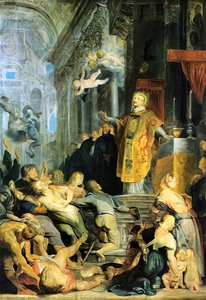
Rubens’ın ‘Mercury ve Argus’ tablosu, 17. yüzyılın en etkileyici sanat akımları arasında yer alan Barok tarzının zirvesini temsil ediyor. Bu eser, sadece bir resimden daha fazlası; aynı zamanda mitolojiye duyulan derin hayranlığın, insan duygularını harekete geçirme becerisinin ve sanatçının ustalığının çarpıcı bir kanıtıdır. Tablo, Yunan mitolojisindeki ünlü hikayeyi – Hermes’in (Mercury) Argus devini uyandırmak için kullandığı zekice planı – canlı bir şekilde yansıtıyor. Bu sahne, sadece fiziksel bir çatışmayı değil, aynı zamanda zekanın gücünü, ilahi müdahaleleri ve insan doğasının karmaşıklığını da temsil ediyor. Tablodaki dinamik kompozisyon, güçlü figürler ve dramatik ışıklandırma, izleyiciyi bu epik hikayenin içine çekiyor ve onu hem görsel hem de duygusal olarak etkiliyor.Barok Tarzının Dramatik Estetiği
Rubens’ın ‘Mercury ve Argus’ tablosu, Barok sanatının karakteristik özelliklerini kusursuz bir şekilde sergiliyor. Eser, ışık ve gölge arasındaki kontrastı (chiaroscuro) ustalıkla kullanarak duygusal yoğunluğu artırıyor ve sahneye üç boyutlu bir derinlik katıyor. Figürlerin kaslı vücutları, insan gücünü ve hareketliliğini vurgulayan detaylarla çizilmiş. Tablodaki yemyeşil bitki örtüsü ve doğal manzara, sahnenin gerçekçiliğini ve atmosferini daha da güçlendiriyor. Rubens’ın kullandığı toprak tonları, sıcak ten renkleri ve koyu arka plan, izleyicinin dikkatini ana figürlere çekerek dramatik bir etki yaratıyor. Bu teknik, sadece sanatsal beceriyi değil, aynı zamanda mitolojik anın duygusal yankısını da güçlendiriyor.Mitolojik Sembolizm ve Tarihi Bağlam
‘Mercury ve Argus’ sahnesi, Ovid’ius’un ‘Metamorphoses’ adlı eserinde anlatılan efsaneye dayanıyor. Bu hikaye, Hermes’in (Mercury) Argus devini uyandırmak için kullandığı zekice planı üzerinden, zekanın gücünü brute kuvvetlere karşı bir zafer olarak sunuyor. Barok dönemindeki sanatçılar, genellikle mitolojik ve dini temaları kullanarak insan duygularını harekete geçirmeyi amaçlıyorlardı. Rubens’ın bu tablosu, o dönemin sanat anlayışının en iyi örneklerinden biri olarak kabul edilebilir. Tablo, aynı zamanda, antik Yunan mitolojisinin önemli bir parçası olan Zeus’un aşk hikayesini de hatırlatıyor; Hermes’in Argus’a karşı kullandığı strateji, aslında Zeus’un gücünü ve kontrolünü simgeliyor.İç Mekanlara Yansıma: Bir Sanatsal Yatırım
‘Mercury ve Argus’, herhangi bir iç mekana sofistike bir dokunuş katacak kadar etkileyici bir sanat eseri. Tablodaki dinamik kompozisyon, dramatik ışıklandırma ve güçlü figürler, mekanın atmosferini değiştirecek ve izleyicilere görsel bir şölen sunacaktır. Bu yüksek kaliteli baskı, hem sanatseverlerin hem de koleksiyonerlerin ilgisini çekecektir. Ayrıca, iç tasarımcılar için de harika bir seçenektir; bu tablo, herhangi bir odaya klasik bir görünüme ve duygusal derinliğe katkıda bulunarak, mekanın karakterini zenginleştirecektir. ‘Mercury ve Argus’, sadece bir resimden daha fazlası; aynı zamanda bir sanat yatırımıdır.Soru ve Cevaplar
"Merkür ve Argus" eserinin formatı nedir?
Pietro Paolo Rubense imzalı "Merkür ve Argus", Panoramik formatındadır. Bu format, kompozisyonun oranlarını tanımlar.
Pietro Paolo Rubense imzalı "Merkür ve Argus" eserindeki kontrast ne kadar güçlü?
"Merkür ve Argus" eserinin açık-koyu kontrastı Açıklama olarak kaydedilmiştir. Kontrast, açık ve koyu alanların birbirinden ne kadar güçlü bir şekilde ayrıldığını tanımlar.
Pietro Paolo Rubense imzalı "Merkür ve Argus" eserinin renk paleti nasıl tanımlanıyor?
"Merkür ve Argus" eserinin renkleri Toprak tonları bir palet oluşturmaktadır. Bu sınıflandırma, baskın renk ailelerini tanımlar.
Sanatçı Biyografisi
Sir Peter Paul Rubens: A Baroque Master!
Peter Paul Rubens, a name synonymous with the exuberant grandeur of the Baroque era, transcended mere artistic talent; he was a diplomat, scholar, and cultural architect whose indelible mark reshaped the visual landscape of 17th-century Europe. Born on June 28, 1577, in Siegen (Westphalia), Germany—a location reflecting his family’s turbulent origins—Rubens' early life unfolded amidst displacement, an experience that subtly imbued his oeuvre with a palpable sense of drama and emotional resonance. His father, Jan Rubens, a lawyer fleeing persecution for his Calvinist beliefs, abruptly relocated the family from Antwerp, then under Spanish dominion, fostering in young Peter Paul a resilience and adaptability that would prove invaluable throughout his multifaceted career. The untimely death of Jan Rubens in 1587 propelled the family back to Antwerp, where he received a humanist education before embarking on his artistic apprenticeship around 1590, honing foundational skills under Tobias Verhaecht and Adam van Noort—masters who instilled in him meticulous observation and technical precision.The Italian Awakening: Absorbing Renaissance Genius
A pivotal moment arrived in 1600 when Rubens embarked upon a transformative pilgrimage to Italy – a journey that irrevocably cemented his artistic vision. For eight years, he immersed himself in the monumental masterpieces of Michelangelo, Raphael, and Titian, absorbing their unparalleled mastery of form, color, and composition. The influence of these Renaissance titans is unmistakably evident in Rubens’s formative Italian works, characterized by classical themes and idealized figures—a deliberate homage to the artistic ideals that had dominated Europe for centuries prior. Yet, Rubens didn't merely emulate; he synthesized these influences with his innate genius, forging a distinctive style marked by vibrant hues, dynamic compositions, and a sensual depiction of the human form. He undertook exhaustive anatomical studies, resulting in figures imbued with both physical realism and profound emotional depth—a hallmark of Baroque art’s ambition to capture the complexities of human experience. This period wasn't solely focused on artistic technique; it represented an intellectual awakening, fostering a deep appreciation for classical mythology and literature which would become recurring motifs throughout his prolific output.Antwerp: Establishing Artistic Dominance
Returning to Antwerp in 1608 following news of his mother’s passing—a deeply personal tragedy that profoundly impacted him—Rubens swiftly established himself as the undisputed artistic leader of his time, securing commissions from influential patrons and cementing his reputation as a visionary artist. Recognizing the burgeoning potential of his talent, he commissioned a magnificent studio designed in the Italian Renaissance style by Peter Paul Wreneman – a space meticulously crafted to facilitate experimentation and inspire creativity. He married Isabella Brandt in 1610, forging a partnership that would endure until her untimely death in 1640—a loss that devastated Rubens and fueled his artistic fervor. During this period, he served as court painter to the Archduke Albert and Isabella of Austria, skillfully navigating the political intricacies of Habsburg rule while simultaneously producing an astonishing array of artworks – including monumental altarpieces for churches across Flanders and Brabant.A Diplomatic Career Alongside Artistic Creation
Beyond his artistic pursuits, Rubens possessed remarkable diplomatic acumen—a skill honed during his service to the Spanish Crown and subsequently utilized in negotiations with Protestant factions during the Eighty Years’ War. His unwavering commitment to diplomacy underscored his multifaceted intellect and broadened his perspective on European affairs – a duality that enriched both his personal life and his artistic output. Notably, he undertook a daring mission to England in 1620-1621, securing royal patronage for his art and bolstering the Habsburg cause amidst escalating tensions with Protestant powers. His involvement in the decoration of Whitehall Palace—a project fraught with challenges posed by Cardinal Richelieu—demonstrated his artistic prowess alongside his political savvy.Legacy: Shaping Baroque Art Forever
Rubens’s influence on subsequent generations of artists is undeniable; painters like Anthony van Dyck, Jacob Jordaens, and Eugène Delacroix recognized him as a beacon of inspiration – absorbing his masterful technique and embracing his dynamic compositional style. His legacy extends far beyond the canvases he created—he elevated painting to new heights of prestige and artistic innovation, establishing Antwerp as a vibrant epicenter of Baroque art production during the 17th century. Sir Peter Paul Rubens remains, centuries later, an enduring symbol of artistic genius and Baroque splendor – a testament to the transformative power of creativity and the indelible imprint left upon European cultural history. His monumental works continue to captivate audiences worldwide, ensuring that his vision—characterized by dynamism, color, and profound emotional depth—will resonate for generations to come.
Pietro Paolo Rubense
1577 - 1640 , Almanya
Kısa Bilgiler
- Artistic Movement Or Style: Baroko
- Artists Or Movements Influenced By This Artist:
- Anthony van Dyck
- Jacob Jordaens
- Artists Who Influenced This Artist:
- Michelangelo
- Raphael
- Titian
- Date Of Birth: 28 Haziran 1577
- Full Name: Sir Peter Paul Rubens
- Nationality: Flamenko
- Notable Artworks:
- Çarmısta İndirme
- Haç Yükseltilmesi
- İsabella Brant Portresi
- Place Of Birth: Siegen, Almanya
İlgili Yazılar

Barok Sanatın Zirveleri: Evinizi Büyüleyecek 10 Eser ve Hikayeleri
Barok sanatın en etkileyici 10 başyapıtını keşfedin! Caravaggio, Rembrandt ve daha fazlasının eserleriyle evinizi dönüştürün. Sanat tarihi, renkler ve duygularla dolu bu yolculukta OriginalUniqueArt.com'da müze kalitesinde replikalar bulun. Koleksiyonu çevrimiçi inceleyin!

The Dramatic Flourish: Exploring the Baroque Movement's Enduring Legacy in Art History
Explore the dramatic world of Baroque art! Discover iconic artists like Caravaggio & Rubens, defining techniques, and its lasting impact on art history. Expert insights for collectors & enthusiasts at OriginalUniqueArt.
Baroque Classicism: Reconciling Drama & Order in 17th-Century Art
Explore the captivating world of Baroque Classicism! Discover its history, key artists like Caravaggio & Rubens, and defining characteristics. Expert insights & high-quality reproductions at OriginalUniqueArt.

Peter Paul Rubens: A Baroque Master's Life, Legacy & Enduring Influence
Discover the life & art of Peter Paul Rubens, the most influential artist of the Flemish Baroque tradition. Explore his masterpieces, legacy, and impact on art history with OriginalUniqueArt.

Barok Draması: Çağdaş İç Mekanlara Görkem ve Duygu Katmak
Barok sanatının görkemini evinize taşıyın! OriginalUniqueArt'ta el yapımı tablolar, uzman sanat danışmanlığı ve özel siparişlerle iç mekanlarınıza zarafet katıyoruz. Chiaroscuro tekniğiyle hayat bulan eserlerimizi keşfedin.