Önizle
 Gönder
 Paylaş
 Detaylar
 Rehber

 Dosyayı İndir
 Benzerleri
 X-Işını
 Slayt Gösterisi
 İstatistikler
Masacre Üç Innocents
 Tuval Üzerine Yağlı Boya
- Duvar Sanatı
- Baroque Drama
 1637
1637- Erken Modern Dönem
 199.0 x 302.0 cm
 Alte Pinakothek
 Devamını Oku
Giclée / Sanat Baskısı
Hızlı üretim ve esnek bitiş seçenekleriyle müze kalitesinde giclée veya kanvas baskı. ( El Yapımı Tablo Satın Al Dijital Görsel Satışına Geç)




P118B ₺10

P118H ₺10

P118W ₺10

P438Z ₺10

P508JH ₺12

P508YH ₺12

P805H ₺10

P805Z ₺10

P919BZ ₺10

P919G ₺10

P919XJ ₺10

P959ZH ₺10

P968JZ ₺12

W106C ₺8

W218G ₺10

W218JH ₺8

W218Y ₺10

W307PJ ₺10

W316G ₺10

W316PJ ₺8

W316Y ₺10

W398PJ ₺8

W4111J ₺10

W500HY ₺15

W500JH ₺15

W692G ₺12

W849H ₺8

W940BG ₺15

W953PJ ₺8




Eserin orijinal oranlarıyla uyumlu, önceden belirlenmiş boyutlarımız arasından seçim yapın.

Çerçevenize veya duvarınıza uygun olması için ihtiyacınız olan genişlik ve yüksekliği yazın. Bir baskı yalnızca kesilebilir, görselden daha büyük hale getirilemez; bu nedenle farklı bir formdaki boyut seçimi, görselin bir kısmının kaybına neden olur. Herhangi bir baskı yapmadan önce onaylamanız için size bir dijital taslak gönderiyoruz. Bu sayfada gösterilen resim gerçek kesimi göstermez — bunu yalnızca taslak gösterir.
Dünya Çapında Teslimat (); standart 4/5 hafta yerine 2 haftada. (25 Ekim)

Dünya Çapında Ücretsiz Ekspres Kargo

Yüksek Kaliteli Keten Tuval

Tam Nakliye Sigortası

Gümrük Vergisi İadesi Garantisi

Gerçek Renk Uyumu Garantisi

100 Günlük İade Koşulları (Sadece Üretim Hatalı Ürünler İçin)

%100 Para İade Garantisi

Toplu Alım Avantajı
 Cam seçeneği yalnızca 110 cm altındaki boyutlar için mevcuttur.

Masacre Üç Innocents
Giclée / Sanat Baskısı
Baskı Boyutu
-


Toplam Fiyat
₺ 3914
Massacre of the Innocents (Rubens) – Bir İncelik Anton Sallaert’ın Koleksiyonundan
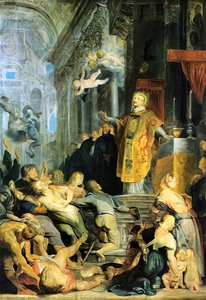
Peter Paul Rubens’in “İnfançların Katliamı” adlı eserine baktığımızda, sadece renklerin ve ışığın etkisini değil aynı zamanda sanatçının ruhunu da hissediyoruz. Bu monumental çalışma, 1637 yılında yaratılmış ve Rubens’in Barok sanatındaki ustalığını gözler önüne seriyor. Aynı zamanda İncil hikayesini anlatıyor; Kral Herod İbranilerin Bethlehem’de doğduğu haberi aldıktan sonra tüm erkek çocukları Bethlehem ve çevresinde öldürmek için askerlerine emir verir.
- Sanatçı: Sir Peter Paul Rubens
- Doğum Yılı: 1577
- Ölüm Yılı: 1640
- Doğum Şehri: Siegen
- Doğum Ülkesi: Almanya
Rubens’in hayatı Barok sanatının ihtişamıyla şekillenmişti. Ancak sadece bir ressam değil, diplomat, bilim insanı ve Avrupa kültürünün yeniden yapılandırılmasına katkıda bulunan bir figürdü. Rubens genç yaşta göçe uğramış olmasıyla birlikte ailesi Antwerp’den uzaklaştırılmıştı; bu erken göç deneyimi daha sonraki eserlerinde dramatik bir altında gizli tuttu.
Kompozisyon ve Renk Kullanımı – Bir Şaşkınlık
Eserin kompozisyonu karmaşıktır ve çok sayıda figürün şiddetli çatışmaya girdiği görülmektedir. Merkezde beyaz renklerde duran figür izleyicinin gözünü harekete çekiyor. Rubens, özellikle kahverengi ve bej tonlarından oluşan zengin bir renk paleti kullanıyor; bu renk kullanımı sadece figürleri ayırarak aynı zamanda sahnenin genel dramatik etkisini artırıyor. Rubens’in Barok tarzı ise ışığın gölgelendirme tekniğini vurgulayarak eserde derinlik ve boyut yaratıyor.
- Kompozisyon Tekniği: Çok sayıda perspektif kullanılarak kaos ve yön duygusu oluşturuluyor
- Renk Paleti: Kahverengi ve bej tonları ile kırmızı, mavi ve beyaz renklerin canlı kontrastı
- Işık Kullanımı: Çeşitli ışık kaynaklarıyla gölgelendirme tekniği kullanılarak eserde dramatik bir atmosfer yaratılıyor
Barok Tarzı ve Teknik Uygulaması – Bir İnanılmazlık
Rubens’in Barok tarzı, eserdeki detaylara dikkat edilerek ustalıkla uygulanıyor. Özellikle dini ve mitolojik konuların tasvirlerinde Rubens’in ustalığı görülüyor. Rubens’in eserleri sadece görsel bir şölen değil aynı zamanda sanatçının düşüncelerini ve duygularını ifade ettiği bir araçtır.
Historiyenin Bağlamı ve Sembolizmi – Bir Dönüşüm
Rubens’in “İnfançların Katliamı” adlı eserinin yaratıldığı dönemde Avrupa’da dini ve politik sıkıntı yaşanırdı. Rubens’in eserleri hem İncil hikayesini anlatıyor hem de dönemin ruhunu yansıtıyor. Bu eser aynı zamanda insanlığın koşullarını ve gücün sonuçlarını yorumluyor.
- Dönem Bağlamı: Avrupa’da Reform Savaşı öncesinde yaşanan sıkıntıları yansıtıyor
- Sembolizm: Gökyüzündeki dini figürler yargıyı veya kaderi temsil ediyor
- Eserin Etkisi: İzleyicide şaşkınlık ve dram duygusu uyandırarak sanatçının yaratıcılığını ortaya koyuyor
Yüksek Kaliteli Bir Ürün İçin İpuçları
Rubens’in eserlerini daha iyi anlamak için onun yaşamı ve sanat kariyeri hakkında bilgi edinmek önemlidir. Ayrıca eserlerin teknik özelliklerini ve üretim sürecini araştırmak da faydalıdır.
Soru ve Cevaplar
Pietro Paolo Rubense imzalı "Masacre Üç Innocents" eserinin renk kimliği nedir?
"Masacre Üç Innocents", Espresso (#5f4b43) tarafından yönetilen Toprak tonları bir palet ile tanımlanmaktadır."
"Masacre Üç Innocents" nasıl yapıldı ve boyutu nedir?
"Masacre Üç Innocents", Tuval Üzerine Yağlı Boya tekniğiyle üretilmiştir ve orijinal boyutları 199 x 302 cm ölçülerindedir.
"Masacre Üç Innocents" eserini kim yarattı ve hangi tarzda?
Pietro Paolo Rubense, "Masacre Üç Innocents" adlı eserini Baroque Drama akımı içerisinde yaratmıştır.
Sanatçı Biyografisi
Sir Peter Paul Rubens: A Baroque Master!
Peter Paul Rubens, a name synonymous with the exuberant grandeur of the Baroque era, transcended mere artistic talent; he was a diplomat, scholar, and cultural architect whose indelible mark reshaped the visual landscape of 17th-century Europe. Born on June 28, 1577, in Siegen (Westphalia), Germany—a location reflecting his family’s turbulent origins—Rubens' early life unfolded amidst displacement, an experience that subtly imbued his oeuvre with a palpable sense of drama and emotional resonance. His father, Jan Rubens, a lawyer fleeing persecution for his Calvinist beliefs, abruptly relocated the family from Antwerp, then under Spanish dominion, fostering in young Peter Paul a resilience and adaptability that would prove invaluable throughout his multifaceted career. The untimely death of Jan Rubens in 1587 propelled the family back to Antwerp, where he received a humanist education before embarking on his artistic apprenticeship around 1590, honing foundational skills under Tobias Verhaecht and Adam van Noort—masters who instilled in him meticulous observation and technical precision.The Italian Awakening: Absorbing Renaissance Genius
A pivotal moment arrived in 1600 when Rubens embarked upon a transformative pilgrimage to Italy – a journey that irrevocably cemented his artistic vision. For eight years, he immersed himself in the monumental masterpieces of Michelangelo, Raphael, and Titian, absorbing their unparalleled mastery of form, color, and composition. The influence of these Renaissance titans is unmistakably evident in Rubens’s formative Italian works, characterized by classical themes and idealized figures—a deliberate homage to the artistic ideals that had dominated Europe for centuries prior. Yet, Rubens didn't merely emulate; he synthesized these influences with his innate genius, forging a distinctive style marked by vibrant hues, dynamic compositions, and a sensual depiction of the human form. He undertook exhaustive anatomical studies, resulting in figures imbued with both physical realism and profound emotional depth—a hallmark of Baroque art’s ambition to capture the complexities of human experience. This period wasn't solely focused on artistic technique; it represented an intellectual awakening, fostering a deep appreciation for classical mythology and literature which would become recurring motifs throughout his prolific output.Antwerp: Establishing Artistic Dominance
Returning to Antwerp in 1608 following news of his mother’s passing—a deeply personal tragedy that profoundly impacted him—Rubens swiftly established himself as the undisputed artistic leader of his time, securing commissions from influential patrons and cementing his reputation as a visionary artist. Recognizing the burgeoning potential of his talent, he commissioned a magnificent studio designed in the Italian Renaissance style by Peter Paul Wreneman – a space meticulously crafted to facilitate experimentation and inspire creativity. He married Isabella Brandt in 1610, forging a partnership that would endure until her untimely death in 1640—a loss that devastated Rubens and fueled his artistic fervor. During this period, he served as court painter to the Archduke Albert and Isabella of Austria, skillfully navigating the political intricacies of Habsburg rule while simultaneously producing an astonishing array of artworks – including monumental altarpieces for churches across Flanders and Brabant.A Diplomatic Career Alongside Artistic Creation
Beyond his artistic pursuits, Rubens possessed remarkable diplomatic acumen—a skill honed during his service to the Spanish Crown and subsequently utilized in negotiations with Protestant factions during the Eighty Years’ War. His unwavering commitment to diplomacy underscored his multifaceted intellect and broadened his perspective on European affairs – a duality that enriched both his personal life and his artistic output. Notably, he undertook a daring mission to England in 1620-1621, securing royal patronage for his art and bolstering the Habsburg cause amidst escalating tensions with Protestant powers. His involvement in the decoration of Whitehall Palace—a project fraught with challenges posed by Cardinal Richelieu—demonstrated his artistic prowess alongside his political savvy.Legacy: Shaping Baroque Art Forever
Rubens’s influence on subsequent generations of artists is undeniable; painters like Anthony van Dyck, Jacob Jordaens, and Eugène Delacroix recognized him as a beacon of inspiration – absorbing his masterful technique and embracing his dynamic compositional style. His legacy extends far beyond the canvases he created—he elevated painting to new heights of prestige and artistic innovation, establishing Antwerp as a vibrant epicenter of Baroque art production during the 17th century. Sir Peter Paul Rubens remains, centuries later, an enduring symbol of artistic genius and Baroque splendor – a testament to the transformative power of creativity and the indelible imprint left upon European cultural history. His monumental works continue to captivate audiences worldwide, ensuring that his vision—characterized by dynamism, color, and profound emotional depth—will resonate for generations to come.
Pietro Paolo Rubense
1577 - 1640 , Almanya
Kısa Bilgiler
- Artistic Movement Or Style: Baroko
- Artists Or Movements Influenced By This Artist:
- Anthony van Dyck
- Jacob Jordaens
- Artists Who Influenced This Artist:
- Michelangelo
- Raphael
- Titian
- Date Of Birth: 28 Haziran 1577
- Full Name: Sir Peter Paul Rubens
- Nationality: Flamenko
- Notable Artworks:
- Çarmısta İndirme
- Haç Yükseltilmesi
- İsabella Brant Portresi
- Place Of Birth: Siegen, Almanya
İlgili Yazılar

Barok Sanatın Zirveleri: Evinizi Büyüleyecek 10 Eser ve Hikayeleri
Barok sanatın en etkileyici 10 başyapıtını keşfedin! Caravaggio, Rembrandt ve daha fazlasının eserleriyle evinizi dönüştürün. Sanat tarihi, renkler ve duygularla dolu bu yolculukta OriginalUniqueArt.com'da müze kalitesinde replikalar bulun. Koleksiyonu çevrimiçi inceleyin!

The Dramatic Flourish: Exploring the Baroque Movement's Enduring Legacy in Art History
Explore the dramatic world of Baroque art! Discover iconic artists like Caravaggio & Rubens, defining techniques, and its lasting impact on art history. Expert insights for collectors & enthusiasts at OriginalUniqueArt.
Baroque Classicism: Reconciling Drama & Order in 17th-Century Art
Explore the captivating world of Baroque Classicism! Discover its history, key artists like Caravaggio & Rubens, and defining characteristics. Expert insights & high-quality reproductions at OriginalUniqueArt.

Peter Paul Rubens: A Baroque Master's Life, Legacy & Enduring Influence
Discover the life & art of Peter Paul Rubens, the most influential artist of the Flemish Baroque tradition. Explore his masterpieces, legacy, and impact on art history with OriginalUniqueArt.
The Grandeur of Baroque Portraiture: Power, Emotion & Artistic Innovation
Explore the grandeur of Baroque portraiture! Discover Rubens, Van Dyck & the masters of 17th-century art. Uncover symbolism, techniques & lasting influence. Expert insights for collectors and enthusiasts.