Önizle
 Gönder
 Paylaş
 Detaylar
 Rehber

 Dosyayı İndir
 Benzerleri
 X-Işını
 Slayt Gösterisi
 İstatistikler
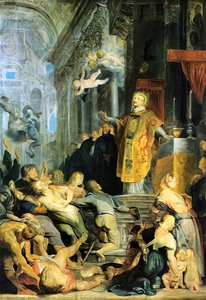
Çarmıhtan İniş
 Tuval Üzerine Yağlı Boya
- Duvar Sanatı
- Baroque
 1614
1614- Erken Modern Dönem
 150.0 x 420.0 cm
 Devamını Oku
Giclée / Sanat Baskısı
Hızlı üretim ve esnek bitiş seçenekleriyle müze kalitesinde giclée veya kanvas baskı. ( El Yapımı Tablo Satın Al Dijital Görsel Satışına Geç)




P118B ₺10

P118H ₺10

P118W ₺10

P438Z ₺10

P508JH ₺12

P508YH ₺12

P805H ₺10

P805Z ₺10

P919BZ ₺10

P919G ₺10

P919XJ ₺10

P959ZH ₺10

P968JZ ₺12

W106C ₺8

W218G ₺10

W218JH ₺8

W218Y ₺10

W307PJ ₺10

W316G ₺10

W316PJ ₺8

W316Y ₺10

W398PJ ₺8

W4111J ₺10

W500HY ₺15

W500JH ₺15

W692G ₺12

W849H ₺8

W940BG ₺15

W953PJ ₺8




Eserin orijinal oranlarıyla uyumlu, önceden belirlenmiş boyutlarımız arasından seçim yapın.

Çerçevenize veya duvarınıza uygun olması için ihtiyacınız olan genişlik ve yüksekliği yazın. Bir baskı yalnızca kesilebilir, görselden daha büyük hale getirilemez; bu nedenle farklı bir formdaki boyut seçimi, görselin bir kısmının kaybına neden olur. Herhangi bir baskı yapmadan önce onaylamanız için size bir dijital taslak gönderiyoruz. Bu sayfada gösterilen resim gerçek kesimi göstermez — bunu yalnızca taslak gösterir.
Dünya Çapında Teslimat (); standart 4/5 hafta yerine 2 haftada. (23 Ekim)

Dünya Çapında Ücretsiz Ekspres Kargo

Yüksek Kaliteli Keten Tuval

Tam Nakliye Sigortası

Gümrük Vergisi İadesi Garantisi

Gerçek Renk Uyumu Garantisi

100 Günlük İade Koşulları (Sadece Üretim Hatalı Ürünler İçin)

%100 Para İade Garantisi

Toplu Alım Avantajı
 Cam seçeneği yalnızca 110 cm altındaki boyutlar için mevcuttur.

Çarmıhtan İniş
Giclée / Sanat Baskısı
Baskı Boyutu
-


Toplam Fiyat
₺ 3912
Rubens'ın "Çarmıhtan İniş": Bir Baroque Dramının Kalbinde
Peter Paul Rubens’ın 1612 ile 1614 yılları arasında tamamladığı “Çarmıhtan İniş” (Descent from the Cross), sadece bir resim değil, aynı zamanda yüzyıllardır izleyicileri büyüleyen, derin duygusal yankılar uyandıran bir Baroque şaheseridir. Antwerp Katedrali’nin sunağında asılı duran bu etkileyici triptyç, Arquebusiers Loncası tarafından sipariş edilmiş olsa da, dini bir sahnenin basit bir tasviri olmanın ötesine geçerek, acıyı, inancı ve ilahi fedakarlığı derinden hissettiren sürükleyici bir deneyim sunar. Resmin ilk bakışta gözle çarpan özelliği, dinamik kompozisyonudur; figürler birbirleriyle karmaşık bir şekilde etkileşim halindeyken, izleyici adeta sahnenin içine çekilir. Rubens, bu eserde Baroque sanatının zirvesine ulaşarak, yoğun duyguları, dramatik ışığı (chiaroscuro) ve hareket hissini ustalıkla harmanlamıştır.Sanatsal Teknik ve Tarihsel Bağlam
Rubens’ın “Çarmıhtan İniş”teki sanatsal başarısının temelinde, yağlı boya tekniğinin kusursuz kullanımı yatar. Ahşap paneller üzerine uygulanan renkler, derinlik ve doku yaratan katmanlar halinde birikmiştir. Özellikle dikkat çeken şey, Rubens’ın fırça darbelerinin canlılığıdır; figürlerin yüzlerinde, kıyafetlerinde ve mimarideki detaylarda hayat bulmasını sağlar. Resmin renk paleti, tutku ve fedakarlığı simgeleyen derin kırmızılarla, sıcak altın ve kahverengi tonlarıyla karakterizedir. Bu renkler, resme duygusal yoğunluk katarken aynı zamanda Baroque sanatının karakteristik özelliklerini de yansıtır. Kontra-Reformasyon döneminde yaratılan bu eser, Katolik inancının güçlü bir görsel teyidi olarak hizmet etmiştir. Rubens, insan duygularını ilahi rahmetle ustaca dengeleyerek, İsa’yı sadece acı çeken bir figür olarak değil, aynı zamanda zafer kazanmış bir kurtarıcı olarak tasvir eder. Kutsal Christopher'ın (Arquebusiers Loncası'nın koruyucu azizi) dahil edilmesi, eserine ek bir anlam katarken, dünyevi korumayı manevi kurtuluşla ilişkilendirir.Sembolizm ve Derin Anlamlar
“Çarmıhtan İniş”, sembolizmin zenginliğiyle doludur. Resimde yer alan her figürün duruşu, ifadesi ve kıyafetleri derin anlamlar taşır. İsa’nın bedenini dikkatle indiren adamların ciddi ifadeleri, saygıyı ve hürmeti yansıtırken, Meryem'in yüzündeki keder, hem anneliğin acısını hem de inancın gücünü temsil eder. Kırmızılar, tutkuyu ve fedakarlığı simgelerken, altın renkler ilahi ışığı ve umudu ifade eder. Resmin arka planında yer alan mimari detaylar ise, kutsal bir mekanın atmosferini güçlendirir. Rubens, sadece dini bir sahneyi tasvir etmekle kalmamış, aynı zamanda insanlığın derin duygularını – acı, sevgi, inanç ve umut – ustalıkla ifade etmiştir. Bu nedenle “Çarmıhtan İniş”, izleyicileri yüzyıllardır etkilemeyi başaran zamansız bir sanat eseridir.Rubens'ın Mirası: Baroque Sanatının Zirvesi
Peter Paul Rubens, 16. ve 17. yüzyılların en önemli ressamlarından biri olarak kabul edilir. “Çarmıhtan İniş” gibi eserleri, sadece sanatsal yeteneğinin değil, aynı zamanda tarihsel ve kültürel bağlamı anlama becerisinin de bir kanıtıdır. Rubens’ın mirası, günümüzde hala sanatçıları ve izleyicileri etkilemeye devam etmektedir. Onun dinamik kompozisyonları, canlı renkleri ve duygusal derinliği, Baroque sanatının zirvesini temsil eder ve gelecek nesillere ilham vermeye devam edecektir. Bu eser, sadece bir resim olmanın ötesinde, insanlığın ortak deneyimlerini yansıtan zamansız bir başyapıttır.Soru ve Cevaplar
Pietro Paolo Rubense imzalı "Çarmıhtan İniş" için duygu ve hediye verme nedeni nasıl birleşiyor?
Pietro Paolo Rubense imzalı "Çarmıhtan İniş" eserinin Melankolik tonu, önerilen hediye durumuyla örtüşüyor: Yıldönümü.
"Çarmıhtan İniş" adlı eser, Pietro Paolo Rubense’in temaları ve üslubuyla nasıl bir bütünlük sağlıyor?
Pietro Paolo Rubense'in eserleri arasında yer alan "Çarmıhtan İniş", italian art, counter-reformation, religious devotion temalarıyla birlikte Baroque üslubunda konumlanmaktadır.
Sipariş vermeden önce Pietro Paolo Rubense imzalı "Çarmıhtan İniş" eserini önizleyebilir miyim?
"Çarmıhtan İniş" eserinin Önizleme sayfası, sipariş vermeden önce eseri önizlemenize olanak tanır.
Sanatçı Biyografisi
Sir Peter Paul Rubens: A Baroque Master!
Peter Paul Rubens, a name synonymous with the exuberant grandeur of the Baroque era, transcended mere artistic talent; he was a diplomat, scholar, and cultural architect whose indelible mark reshaped the visual landscape of 17th-century Europe. Born on June 28, 1577, in Siegen (Westphalia), Germany—a location reflecting his family’s turbulent origins—Rubens' early life unfolded amidst displacement, an experience that subtly imbued his oeuvre with a palpable sense of drama and emotional resonance. His father, Jan Rubens, a lawyer fleeing persecution for his Calvinist beliefs, abruptly relocated the family from Antwerp, then under Spanish dominion, fostering in young Peter Paul a resilience and adaptability that would prove invaluable throughout his multifaceted career. The untimely death of Jan Rubens in 1587 propelled the family back to Antwerp, where he received a humanist education before embarking on his artistic apprenticeship around 1590, honing foundational skills under Tobias Verhaecht and Adam van Noort—masters who instilled in him meticulous observation and technical precision.The Italian Awakening: Absorbing Renaissance Genius
A pivotal moment arrived in 1600 when Rubens embarked upon a transformative pilgrimage to Italy – a journey that irrevocably cemented his artistic vision. For eight years, he immersed himself in the monumental masterpieces of Michelangelo, Raphael, and Titian, absorbing their unparalleled mastery of form, color, and composition. The influence of these Renaissance titans is unmistakably evident in Rubens’s formative Italian works, characterized by classical themes and idealized figures—a deliberate homage to the artistic ideals that had dominated Europe for centuries prior. Yet, Rubens didn't merely emulate; he synthesized these influences with his innate genius, forging a distinctive style marked by vibrant hues, dynamic compositions, and a sensual depiction of the human form. He undertook exhaustive anatomical studies, resulting in figures imbued with both physical realism and profound emotional depth—a hallmark of Baroque art’s ambition to capture the complexities of human experience. This period wasn't solely focused on artistic technique; it represented an intellectual awakening, fostering a deep appreciation for classical mythology and literature which would become recurring motifs throughout his prolific output.Antwerp: Establishing Artistic Dominance
Returning to Antwerp in 1608 following news of his mother’s passing—a deeply personal tragedy that profoundly impacted him—Rubens swiftly established himself as the undisputed artistic leader of his time, securing commissions from influential patrons and cementing his reputation as a visionary artist. Recognizing the burgeoning potential of his talent, he commissioned a magnificent studio designed in the Italian Renaissance style by Peter Paul Wreneman – a space meticulously crafted to facilitate experimentation and inspire creativity. He married Isabella Brandt in 1610, forging a partnership that would endure until her untimely death in 1640—a loss that devastated Rubens and fueled his artistic fervor. During this period, he served as court painter to the Archduke Albert and Isabella of Austria, skillfully navigating the political intricacies of Habsburg rule while simultaneously producing an astonishing array of artworks – including monumental altarpieces for churches across Flanders and Brabant.A Diplomatic Career Alongside Artistic Creation
Beyond his artistic pursuits, Rubens possessed remarkable diplomatic acumen—a skill honed during his service to the Spanish Crown and subsequently utilized in negotiations with Protestant factions during the Eighty Years’ War. His unwavering commitment to diplomacy underscored his multifaceted intellect and broadened his perspective on European affairs – a duality that enriched both his personal life and his artistic output. Notably, he undertook a daring mission to England in 1620-1621, securing royal patronage for his art and bolstering the Habsburg cause amidst escalating tensions with Protestant powers. His involvement in the decoration of Whitehall Palace—a project fraught with challenges posed by Cardinal Richelieu—demonstrated his artistic prowess alongside his political savvy.Legacy: Shaping Baroque Art Forever
Rubens’s influence on subsequent generations of artists is undeniable; painters like Anthony van Dyck, Jacob Jordaens, and Eugène Delacroix recognized him as a beacon of inspiration – absorbing his masterful technique and embracing his dynamic compositional style. His legacy extends far beyond the canvases he created—he elevated painting to new heights of prestige and artistic innovation, establishing Antwerp as a vibrant epicenter of Baroque art production during the 17th century. Sir Peter Paul Rubens remains, centuries later, an enduring symbol of artistic genius and Baroque splendor – a testament to the transformative power of creativity and the indelible imprint left upon European cultural history. His monumental works continue to captivate audiences worldwide, ensuring that his vision—characterized by dynamism, color, and profound emotional depth—will resonate for generations to come.
Pietro Paolo Rubense
1577 - 1640 , Almanya
Kısa Bilgiler
- Artistic Movement Or Style: Baroko
- Artists Or Movements Influenced By This Artist:
- Anthony van Dyck
- Jacob Jordaens
- Artists Who Influenced This Artist:
- Michelangelo
- Raphael
- Titian
- Date Of Birth: 28 Haziran 1577
- Full Name: Sir Peter Paul Rubens
- Nationality: Flamenko
- Notable Artworks:
- Çarmısta İndirme
- Haç Yükseltilmesi
- İsabella Brant Portresi
- Place Of Birth: Siegen, Almanya
İlgili Yazılar

Peter Paul Rubens: A Baroque Master's Life, Legacy & Enduring Influence
Discover the life & art of Peter Paul Rubens, the most influential artist of the Flemish Baroque tradition. Explore his masterpieces, legacy, and impact on art history with OriginalUniqueArt.

Barok Sanatın Zirveleri: Evinizi Büyüleyecek 10 Eser ve Hikayeleri
Barok sanatın en etkileyici 10 başyapıtını keşfedin! Caravaggio, Rembrandt ve daha fazlasının eserleriyle evinizi dönüştürün. Sanat tarihi, renkler ve duygularla dolu bu yolculukta OriginalUniqueArt.com'da müze kalitesinde replikalar bulun. Koleksiyonu çevrimiçi inceleyin!
The Dramatic Flourish: Exploring Baroque Painting's Emotional Intensity & Artistic Innovations
Explore the dramatic world of Baroque painting! Discover its history, defining characteristics, iconic artists like Caravaggio & Rubens, and lasting influence on Western art. Expert insights for collectors.

The Visceral Stage: Exploring Dramatic Narratives & Emotional Intensity in Baroque Art
Explore the dramatic world of Baroque art! Discover iconic masters like Caravaggio & Rembrandt, their techniques, and the movement's lasting impact. Expert insights for collectors & enthusiasts at OriginalUniqueArt.

The Dramatic Flourish: Exploring the Baroque Movement's Enduring Legacy in Art History
Explore the dramatic world of Baroque art! Discover iconic artists like Caravaggio & Rubens, defining techniques, and its lasting impact on art history. Expert insights for collectors & enthusiasts at OriginalUniqueArt.