Önizle
 Gönder
 Paylaş
 Detaylar
 Rehber

 Dosyayı İndir
 Benzerleri
 X-Işını
 Slayt Gösterisi
 İstatistikler
Bacchanalia

 Devamını Oku
El Yapımı Yağlı Boya Reproduksiyon
Sanatçılarımız tarafından sipariş üzerine hazırlanan; istediğiniz boyut ve çerçevede, tuval üzerine el boyaması yağlı boya. ( Baskı Satışına Geç Dijital Görsel Satışına Geç)




P118B ₺10

P118H ₺10

P118W ₺10

P438Z ₺10

P508JH ₺12

P508YH ₺12

P805H ₺10

P805Z ₺10

P919BZ ₺10

P919G ₺10

P919XJ ₺10

P959ZH ₺10

P968JZ ₺12

W106C ₺8

W218G ₺10

W218JH ₺8

W218Y ₺10

W307PJ ₺10

W316G ₺10

W316PJ ₺8

W316Y ₺10

W398PJ ₺8

W4111J ₺10

W500HY ₺15

W500JH ₺15

W692G ₺12

W849H ₺8

W940BG ₺15

W953PJ ₺8




Eserin orijinal oranlarıyla uyumlu, önceden belirlenmiş boyutlarımız arasından seçim yapın.

Çerçevenize veya duvarınıza uygun olması için ihtiyacınız olan genişliği ve yüksekliği yazın. Bu eser el boyamasıdır; bu nedenle farklı bir formdaki boyutlar için sanatçı, resmin etrafına biraz daha fazla boya ekleyebilir veya biraz daha kırpabilir — seçim sizin. Boyama işlemi başlamadan önce onaylamanız için size bir dijital taslak gönderiyoruz. Bu sayfada gösterilen resim gerçek sonucu yansıtmamaktadır — gerçek sonucu yalnızca taslak göstermektedir.
Siparişten sonra, OriginalUniqueArt.com ekibi talimatlar için müşteriye e-posta gönderecek ve bir taslak önizleme sunacaktır
Dünya Çapında Teslimat (); standart 5 hafta yerine 3/4 haftada. (24 Ekim). Kaliteden ödün verilmez.

Dünya Çapında Ücretsiz Ekspres Kargo

Yüksek Kaliteli Keten Tuval

Tam Nakliye Sigortası

Gümrük Vergisi İadesi Garantisi

Gerçek Renk Uyumu Garantisi

100 Günlük İade Koşulları (Sadece Üretim Hatalı Ürünler İçin)

%100 Para İade Garantisi

Toplu Alım Avantajı
 Cam seçeneği yalnızca 110 cm altındaki boyutlar için mevcuttur.

Bacchanalia
Baskı Tekniği
Baskı Boyutu
-


Toplam Fiyat
₺ 14676
A Dionysian Rhapsody: Unveiling Peter Paul Rubens’ “Bacchanalia”
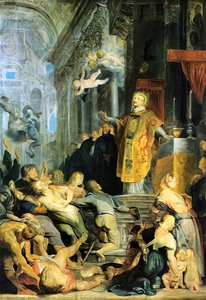
Peter Paul Rubens' "Bacchanalia," painted around 1615, isn’t merely a depiction of revelry; it’s an immersive experience—a vibrant plunge into the ecstatic heart of ancient Roman festivals honoring Bacchus, the god of wine and fertility. This oil-on-panel masterpiece, now residing within the Pushkin Museum in Moscow, pulsates with life, color, and a profound sense of movement that immediately draws the viewer into its intoxicating world. Rubens, deeply influenced by classical antiquity yet firmly rooted in the burgeoning Baroque style, masterfully synthesizes elements of Greek mythology and Roman tradition to create an image brimming with sensual energy and dramatic intensity. The painting’s genesis lies not just in artistic skill but also in a complex interplay of historical context, personal experience, and a deep understanding of human psychology—all expertly woven into a single, unforgettable composition.The Anatomy of Ecstasy: Composition and Technique
Rubens' genius lies in his ability to capture the fleeting moment of heightened emotion. The scene unfolds within a dense, verdant forest – not a tranquil retreat, but a wild, untamed space that mirrors the chaotic energy of the bacchanal itself. Thirteen figures dominate the canvas, each rendered with an astonishing level of detail and individualized expression. Nakedness, a recurring motif in Rubens’ work, isn't presented as shocking or provocative; rather, it symbolizes freedom from societal constraints, vulnerability, and a primal connection to nature. The composition is carefully orchestrated—a dynamic ellipse that draws the eye through the swirling figures, creating a sense of perpetual motion. Notice how Rubens employs loose brushstrokes, particularly in the drapery and flowing hair, contributing significantly to the painting’s overall dynamism. The use of oil paint allows for an incredible richness of color – deep reds, vibrant greens, and shimmering golds—that intensifies the visual impact and evokes the intoxicating atmosphere of the celebration. The layering of glazes creates a remarkable sense of depth and luminosity, as if the scene is bathed in an eternal twilight.Echoes of Antiquity: Myth, Symbolism, and Historical Context
“Bacchanalia” is deeply rooted in classical mythology, specifically referencing the Roman festivals dedicated to Bacchus. These celebrations were not simply religious rituals; they involved ecstatic dancing, feasting, music, and often, a blurring of social boundaries. Rubens’ painting captures this spirit with remarkable fidelity. The figures – satyrs, nymphs, and revelers—are reminiscent of depictions found on ancient sarcophagi and frescoes, demonstrating his meticulous study of classical art. The presence of Silenus, Bacchus's aged tutor, symbolizes wisdom and experience amidst the youthful exuberance. He’s depicted with a knowing smile, seemingly observing the chaos with detached amusement. The scattered objects – wine bowls, musical instruments, and even a book—suggest the abandonment of civilized pursuits in favor of pure, unadulterated joy. Interestingly, Rubens' own life experiences likely informed this work. His father, a Calvinist refugee, instilled in him a deep appreciation for dramatic narratives and emotional intensity, elements that are powerfully evident in "Bacchanalia."Beyond the Canvas: The Enduring Appeal of a Baroque Masterpiece
“Bacchanalia” transcends its historical context to resonate with viewers on a profoundly human level. It’s an exploration of primal instincts, the release of inhibitions, and the intoxicating allure of beauty and pleasure. Rubens' masterful use of color, composition, and psychological insight creates a scene that is both visually stunning and emotionally engaging. The painting speaks to our inherent desire for freedom, connection, and the celebration of life—qualities that remain powerfully relevant today. Reproductions of this iconic work offer an exceptional opportunity to bring this vibrant Baroque vision into any space, injecting a dose of theatrical drama and sensual energy. Consider how the rich colors and dynamic composition would complement a luxurious interior, or how the painting’s themes of liberation and joy could infuse a contemporary living room with a sense of vitality. As a testament to Rubens' enduring genius, “Bacchanalia” continues to captivate audiences centuries after its creation—a timeless masterpiece that embodies the spirit of the Baroque era.Soru ve Cevaplar
Pietro Paolo Rubense imzalı "Bacchanalia" eserini satın almadan önce kendi duvarımda görebilir miyim?
Uyumlu bir cihazda artırılmış gerçekliği kullanarak, eserin AR Önizleme sayfası aracılığıyla Pietro Paolo Rubense imzalı "Bacchanalia" adlı çalışmayı kendi duvarınızda önizleyebilirsiniz.
Pietro Paolo Rubense imzalı "Bacchanalia" reprodüksiyonu ne amaçla kullanılabilir?
Pietro Paolo Rubense imzalı "Bacchanalia" için önerilen kullanım Statement şeklindedir. Bunun yanı sıra başka amaçlarla da kullanılabilir.
Pietro Paolo Rubense imzalı "Bacchanalia" eserinin renk paleti nasıl tanımlanıyor?
Pietro Paolo Rubense imzalı "Bacchanalia" eserinin renk paleti Earthy olarak tanımlanmaktadır. Bu, eserin renklerinin özlü bir tanımıdır.
Sanatçı Biyografisi
Sir Peter Paul Rubens: A Baroque Master!
Peter Paul Rubens, a name synonymous with the exuberant grandeur of the Baroque era, transcended mere artistic talent; he was a diplomat, scholar, and cultural architect whose indelible mark reshaped the visual landscape of 17th-century Europe. Born on June 28, 1577, in Siegen (Westphalia), Germany—a location reflecting his family’s turbulent origins—Rubens' early life unfolded amidst displacement, an experience that subtly imbued his oeuvre with a palpable sense of drama and emotional resonance. His father, Jan Rubens, a lawyer fleeing persecution for his Calvinist beliefs, abruptly relocated the family from Antwerp, then under Spanish dominion, fostering in young Peter Paul a resilience and adaptability that would prove invaluable throughout his multifaceted career. The untimely death of Jan Rubens in 1587 propelled the family back to Antwerp, where he received a humanist education before embarking on his artistic apprenticeship around 1590, honing foundational skills under Tobias Verhaecht and Adam van Noort—masters who instilled in him meticulous observation and technical precision.The Italian Awakening: Absorbing Renaissance Genius
A pivotal moment arrived in 1600 when Rubens embarked upon a transformative pilgrimage to Italy – a journey that irrevocably cemented his artistic vision. For eight years, he immersed himself in the monumental masterpieces of Michelangelo, Raphael, and Titian, absorbing their unparalleled mastery of form, color, and composition. The influence of these Renaissance titans is unmistakably evident in Rubens’s formative Italian works, characterized by classical themes and idealized figures—a deliberate homage to the artistic ideals that had dominated Europe for centuries prior. Yet, Rubens didn't merely emulate; he synthesized these influences with his innate genius, forging a distinctive style marked by vibrant hues, dynamic compositions, and a sensual depiction of the human form. He undertook exhaustive anatomical studies, resulting in figures imbued with both physical realism and profound emotional depth—a hallmark of Baroque art’s ambition to capture the complexities of human experience. This period wasn't solely focused on artistic technique; it represented an intellectual awakening, fostering a deep appreciation for classical mythology and literature which would become recurring motifs throughout his prolific output.Antwerp: Establishing Artistic Dominance
Returning to Antwerp in 1608 following news of his mother’s passing—a deeply personal tragedy that profoundly impacted him—Rubens swiftly established himself as the undisputed artistic leader of his time, securing commissions from influential patrons and cementing his reputation as a visionary artist. Recognizing the burgeoning potential of his talent, he commissioned a magnificent studio designed in the Italian Renaissance style by Peter Paul Wreneman – a space meticulously crafted to facilitate experimentation and inspire creativity. He married Isabella Brandt in 1610, forging a partnership that would endure until her untimely death in 1640—a loss that devastated Rubens and fueled his artistic fervor. During this period, he served as court painter to the Archduke Albert and Isabella of Austria, skillfully navigating the political intricacies of Habsburg rule while simultaneously producing an astonishing array of artworks – including monumental altarpieces for churches across Flanders and Brabant.A Diplomatic Career Alongside Artistic Creation
Beyond his artistic pursuits, Rubens possessed remarkable diplomatic acumen—a skill honed during his service to the Spanish Crown and subsequently utilized in negotiations with Protestant factions during the Eighty Years’ War. His unwavering commitment to diplomacy underscored his multifaceted intellect and broadened his perspective on European affairs – a duality that enriched both his personal life and his artistic output. Notably, he undertook a daring mission to England in 1620-1621, securing royal patronage for his art and bolstering the Habsburg cause amidst escalating tensions with Protestant powers. His involvement in the decoration of Whitehall Palace—a project fraught with challenges posed by Cardinal Richelieu—demonstrated his artistic prowess alongside his political savvy.Legacy: Shaping Baroque Art Forever
Rubens’s influence on subsequent generations of artists is undeniable; painters like Anthony van Dyck, Jacob Jordaens, and Eugène Delacroix recognized him as a beacon of inspiration – absorbing his masterful technique and embracing his dynamic compositional style. His legacy extends far beyond the canvases he created—he elevated painting to new heights of prestige and artistic innovation, establishing Antwerp as a vibrant epicenter of Baroque art production during the 17th century. Sir Peter Paul Rubens remains, centuries later, an enduring symbol of artistic genius and Baroque splendor – a testament to the transformative power of creativity and the indelible imprint left upon European cultural history. His monumental works continue to captivate audiences worldwide, ensuring that his vision—characterized by dynamism, color, and profound emotional depth—will resonate for generations to come.
Pietro Paolo Rubense
1577 - 1640 , Almanya
Kısa Bilgiler
- Artistic Movement Or Style: Baroko
- Artists Or Movements Influenced By This Artist:
- Anthony van Dyck
- Jacob Jordaens
- Artists Who Influenced This Artist:
- Michelangelo
- Raphael
- Titian
- Date Of Birth: 28 Haziran 1577
- Full Name: Sir Peter Paul Rubens
- Nationality: Flamenko
- Notable Artworks:
- Çarmısta İndirme
- Haç Yükseltilmesi
- İsabella Brant Portresi
- Place Of Birth: Siegen, Almanya
İlgili Yazılar

Barok Sanatın Zirveleri: Evinizi Büyüleyecek 10 Eser ve Hikayeleri
Barok sanatın en etkileyici 10 başyapıtını keşfedin! Caravaggio, Rembrandt ve daha fazlasının eserleriyle evinizi dönüştürün. Sanat tarihi, renkler ve duygularla dolu bu yolculukta OriginalUniqueArt.com'da müze kalitesinde replikalar bulun. Koleksiyonu çevrimiçi inceleyin!

Baroque Classicism: The Grandeur of Order and Drama in 17th-Century Art History
Explore the profound elegance of Baroque Classicism. Discover how 17th-century masters synthesized dramatic emotion with classical order through the lens of the Counter-Reformation and the works of legends like Carlo Maratta and Andrea Sacchi.

The Dramatic Flourish: Exploring the Baroque Movement's Enduring Legacy in Art History
Explore the dramatic world of Baroque art! Discover iconic artists like Caravaggio & Rubens, defining techniques, and its lasting impact on art history. Expert insights for collectors & enthusiasts at OriginalUniqueArt.

Peter Paul Rubens: A Baroque Master's Life, Legacy & Enduring Influence
Discover the life & art of Peter Paul Rubens, the most influential artist of the Flemish Baroque tradition. Explore his masterpieces, legacy, and impact on art history with OriginalUniqueArt.
Baroque Classicism: Reconciling Drama & Order in 17th-Century Art
Explore the captivating world of Baroque Classicism! Discover its history, key artists like Caravaggio & Rubens, and defining characteristics. Expert insights & high-quality reproductions at OriginalUniqueArt.