Önizleme yap
 Paylaş
 Paylaş
 Detayları Gör

 İndir
İndir
 Benzerlerini gör
 X-Işını
 Slayt Gösterisi
 İstatistikler
Bacchanale


 Tümünü Gör
Giclée / Sanat Baskısı
Hızlı üretim ve esnek bitiş seçenekleriyle müze kalitesinde giclée veya kanvas baskı. ( El yapımı tablo satın al Dijital Görsele Geç)




P118B $10

P118H $10

P118W $10

P438Z $10

P508JH $12

P508YH $12

P805H $10

P805Z $10

P919BZ $10

P919G $10

P919XJ $10

P959ZH $10

P968JZ $12

W106C $8

W218G $10

W218JH $8

W218Y $10

W307PJ $10

W316G $10

W316PJ $8

W316Y $10

W398PJ $8

W4111J $10

W500HY $15

W500JH $15

W692G $12

W849H $8

W940BG $15

W953PJ $8




Eserin orijinal oranlarıyla uyumlu, önceden belirlenmiş boyutlarımız arasından seçim yapın.

Belirli bir çerçeveye veya alana uyması için kendi ölçülerinizi girebilirsiniz. Seçtiğiniz boyut orijinal görüntünün oranlarıyla eşleşmiyorsa, sanat eserini kırpacağız veya görüntüyü aynalanmış ya da düz dolgulu bir kenarlıkla genişleteceğiz. Üretim başlamadan önce onayınız için bir dijital taslak gönderilecektir.
Lütfen ekrandaki önizlemenin gerçek kırpma veya genişletmeyi yansıtmadığını unutmayın. Nihai kompozisyonu yalnızca taslak doğru bir şekilde gösterecektir.
Özel boyutlar mevcut olsa da, orijinal oranları korumak için önceden tanımlanmış listeden bir boyut seçmenizi öneririz.
Dünya Çapında Teslimat (); standart 4/5 hafta yerine 2 haftada. (9 Eylül)

Dünya Çapında Ücretsiz Ekspres Kargo

Yüksek Kaliteli Keten Tuval

Tam Kapsamlı Nakliye Sigortası

Gümrük Vergisi İade Garantisi

Gerçek Renk Uyumu Garantisi

100 Günlük İade Politikası (Sadece Kusurlu Ürünler İçin)

%100 Para İade Garantisi

Toplu Alım İndirimi
 Cam seçeneği yalnızca 110 cm altındaki boyutlar için mevcuttur.

Bacchanale
Giclée / Sanat Baskısı
Reproduksiyon Boyutu
-


Toplam Tutar
$ 80
The Frenzied Dance of Divinity: Peter Paul Rubens’s “Bacchanale”
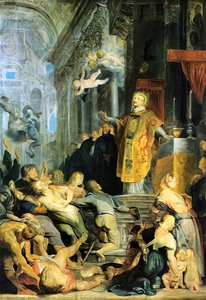
Peter Paul Rubens' "Bacchanale," painted around 1615, isn’t merely a depiction of revelry; it’s a visceral embodiment of the Baroque spirit—a tempestuous collision of classical mythology, raw emotion, and dynamic movement. This monumental oil on canvas transports us to a moonlit forest, teeming with figures caught in an ecstatic dance before Bacchus, the god of wine and fertility. The painting pulsates with life, demanding our attention and inviting us into its chaotic, intoxicating world. It’s a work that speaks not just to the eye but directly to the senses, capturing the very essence of unbridled joy and primal instinct.
Rubens, a master of color and composition, was deeply influenced by the Counter-Reformation's need for dramatic religious imagery. Yet, he skillfully blended this influence with his own exuberant style, creating works that were both profoundly spiritual and intensely sensual. “Bacchanale” exemplifies this duality perfectly. The figures, rendered in Rubens’ signature glowing palette of reds, golds, and deep blues, are not idealized heroes but deeply human—prone to lust, intoxication, and a complete abandonment of restraint. This departure from the more restrained styles of earlier periods was revolutionary, reflecting a shift towards embracing earthly pleasures within a framework of religious devotion.
A Symphony of Form and Color
Technically, “Bacchanale” is a tour de force. Rubens’s brushwork is loose and energetic, creating an immediate sense of movement and dynamism. Notice how he uses rapid, short strokes to depict the swirling fabrics and the frenzied gestures of the dancers. The figures are not meticulously rendered with anatomical precision; instead, they are captured in moments of intense emotion, their forms simplified and exaggerated to heighten the drama. The use of *chiaroscuro* – the dramatic contrast between light and dark – further emphasizes this sense of movement and adds a layer of theatricality to the scene. The lighting seems to emanate from within the figures themselves, bathing them in an otherworldly glow.
Rubens’s mastery of color is equally remarkable. He employs a vibrant, almost overwhelming palette, using rich reds and golds to represent the intoxicating effects of wine and revelry. These warm tones are juxtaposed with cooler blues and greens, creating a dynamic visual tension that mirrors the emotional turmoil of the scene. The sheer intensity of the colors contributes significantly to the painting’s overall impact, drawing the viewer into its chaotic embrace.
Mythological Roots and Symbolic Layers
The subject matter itself—the bacchanal—is steeped in classical mythology. The Bacchanalia were wild festivals held in honor of Dionysus (Bacchus), where participants indulged in wine, music, dance, and ecstatic rituals. These celebrations represented a temporary escape from the constraints of civilized society, a return to primal instincts and a celebration of life’s fleeting pleasures. In “Bacchanale,” Rubens transforms this ancient myth into a powerful allegory for human nature—a reminder of our capacity for both joy and excess.
Beyond the mythological narrative, the painting is rich in symbolic detail. The abundance of food and drink symbolizes fertility and prosperity, while the nudity of the figures represents freedom from shame and social constraints. Even the forest setting itself can be interpreted symbolically—representing a wild, untamed space where human desires are unleashed without restraint. The inclusion of satyrs and nymphs further reinforces the painting’s connection to pagan traditions, adding another layer of complexity to its meaning.
A Legacy of Baroque Grandeur
“Bacchanale” stands as one of Rubens' most celebrated works, a testament to his artistic genius and his ability to capture the spirit of the Baroque era. Its dramatic composition, vibrant colors, and powerful emotional impact continue to resonate with viewers today. Reproductions of this masterpiece offer a remarkable opportunity to experience the intensity and dynamism of Rubens’s vision—a chance to step into a world of ecstatic revelry and witness the raw beauty of human passion. It's a painting that invites contemplation, sparking questions about our own relationship to pleasure, excess, and the enduring power of myth.
Sanatçı Özgeçmişi
Sir Peter Paul Rubens: A Baroque Master!
Peter Paul Rubens, a name synonymous with the exuberant grandeur of the Baroque era, transcended mere artistic talent; he was a diplomat, scholar, and cultural architect whose indelible mark reshaped the visual landscape of 17th-century Europe. Born on June 28, 1577, in Siegen (Westphalia), Germany—a location reflecting his family’s turbulent origins—Rubens' early life unfolded amidst displacement, an experience that subtly imbued his oeuvre with a palpable sense of drama and emotional resonance. His father, Jan Rubens, a lawyer fleeing persecution for his Calvinist beliefs, abruptly relocated the family from Antwerp, then under Spanish dominion, fostering in young Peter Paul a resilience and adaptability that would prove invaluable throughout his multifaceted career. The untimely death of Jan Rubens in 1587 propelled the family back to Antwerp, where he received a humanist education before embarking on his artistic apprenticeship around 1590, honing foundational skills under Tobias Verhaecht and Adam van Noort—masters who instilled in him meticulous observation and technical precision.The Italian Awakening: Absorbing Renaissance Genius
A pivotal moment arrived in 1600 when Rubens embarked upon a transformative pilgrimage to Italy – a journey that irrevocably cemented his artistic vision. For eight years, he immersed himself in the monumental masterpieces of Michelangelo, Raphael, and Titian, absorbing their unparalleled mastery of form, color, and composition. The influence of these Renaissance titans is unmistakably evident in Rubens’s formative Italian works, characterized by classical themes and idealized figures—a deliberate homage to the artistic ideals that had dominated Europe for centuries prior. Yet, Rubens didn't merely emulate; he synthesized these influences with his innate genius, forging a distinctive style marked by vibrant hues, dynamic compositions, and a sensual depiction of the human form. He undertook exhaustive anatomical studies, resulting in figures imbued with both physical realism and profound emotional depth—a hallmark of Baroque art’s ambition to capture the complexities of human experience. This period wasn't solely focused on artistic technique; it represented an intellectual awakening, fostering a deep appreciation for classical mythology and literature which would become recurring motifs throughout his prolific output.Antwerp: Establishing Artistic Dominance
Returning to Antwerp in 1608 following news of his mother’s passing—a deeply personal tragedy that profoundly impacted him—Rubens swiftly established himself as the undisputed artistic leader of his time, securing commissions from influential patrons and cementing his reputation as a visionary artist. Recognizing the burgeoning potential of his talent, he commissioned a magnificent studio designed in the Italian Renaissance style by Peter Paul Wreneman – a space meticulously crafted to facilitate experimentation and inspire creativity. He married Isabella Brandt in 1610, forging a partnership that would endure until her untimely death in 1640—a loss that devastated Rubens and fueled his artistic fervor. During this period, he served as court painter to the Archduke Albert and Isabella of Austria, skillfully navigating the political intricacies of Habsburg rule while simultaneously producing an astonishing array of artworks – including monumental altarpieces for churches across Flanders and Brabant.A Diplomatic Career Alongside Artistic Creation
Beyond his artistic pursuits, Rubens possessed remarkable diplomatic acumen—a skill honed during his service to the Spanish Crown and subsequently utilized in negotiations with Protestant factions during the Eighty Years’ War. His unwavering commitment to diplomacy underscored his multifaceted intellect and broadened his perspective on European affairs – a duality that enriched both his personal life and his artistic output. Notably, he undertook a daring mission to England in 1620-1621, securing royal patronage for his art and bolstering the Habsburg cause amidst escalating tensions with Protestant powers. His involvement in the decoration of Whitehall Palace—a project fraught with challenges posed by Cardinal Richelieu—demonstrated his artistic prowess alongside his political savvy.Legacy: Shaping Baroque Art Forever
Rubens’s influence on subsequent generations of artists is undeniable; painters like Anthony van Dyck, Jacob Jordaens, and Eugène Delacroix recognized him as a beacon of inspiration – absorbing his masterful technique and embracing his dynamic compositional style. His legacy extends far beyond the canvases he created—he elevated painting to new heights of prestige and artistic innovation, establishing Antwerp as a vibrant epicenter of Baroque art production during the 17th century. Sir Peter Paul Rubens remains, centuries later, an enduring symbol of artistic genius and Baroque splendor – a testament to the transformative power of creativity and the indelible imprint left upon European cultural history. His monumental works continue to captivate audiences worldwide, ensuring that his vision—characterized by dynamism, color, and profound emotional depth—will resonate for generations to come.
Pietro Paolo Rubense
1577 - 1640 , Almanya
Kısa Bilgiler
- Artistic Movement Or Style: Baroko
- Artists Or Movements Influenced By This Artist:
- Anthony van Dyck
- Jacob Jordaens
- Artists Who Influenced This Artist:
- Michelangelo
- Raphael
- Titian
- Date Of Birth: 28 Haziran 1577
- Full Name: Sir Peter Paul Rubens
- Nationality: Flamenko
- Notable Artworks:
- Çarmısta İndirme
- Haç Yükseltilmesi
- İsabella Brant Portresi
- Place Of Birth: Siegen, Almanya
İlgili Makaleler

The Dramatic Flourish: Exploring the Baroque Movement's Enduring Legacy in Art History
Explore the dramatic world of Baroque art! Discover iconic artists like Caravaggio & Rubens, defining techniques, and its lasting impact on art history. Expert insights for collectors & enthusiasts at OriginalUniqueArt.

Barok Draması: Çağdaş İç Mekanlara Görkem ve Duygu Katmak
Barok sanatının görkemini evinize taşıyın! OriginalUniqueArt'ta el yapımı tablolar, uzman sanat danışmanlığı ve özel siparişlerle iç mekanlarınıza zarafet katıyoruz. Chiaroscuro tekniğiyle hayat bulan eserlerimizi keşfedin.
Drama and Light: Discover the Captivating Grandeur of Baroque Art
Immerse yourself in the dramatic splendor of Baroque art. Explore the profound impact of light, shadow, and the Counter-Reformation through an expert historical lens, celebrating the masters who defined an era of unparalleled grandeur and emotional intensity.

Barok Sanatın Zirveleri: Evinizi Büyüleyecek 10 Eser ve Hikayeleri
Barok sanatın en etkileyici 10 başyapıtını keşfedin! Caravaggio, Rembrandt ve daha fazlasının eserleriyle evinizi dönüştürün. Sanat tarihi, renkler ve duygularla dolu bu yolculukta OriginalUniqueArt.com'da müze kalitesinde replikalar bulun. Koleksiyonu çevrimiçi inceleyin!

Peter Paul Rubens: A Baroque Master's Life, Legacy & Enduring Influence
Discover the life & art of Peter Paul Rubens, the most influential artist of the Flemish Baroque tradition. Explore his masterpieces, legacy, and impact on art history with OriginalUniqueArt.