Önizle
 Gönder
 Paylaş
 Detaylar
 Rehber

 Dosyayı İndir
 Benzerleri
 X-Işını
 Slayt Gösterisi
 İstatistikler
Aziz Augustinus
 Tuval Üzerine Yağlı Boya
- Duvar Sanatı
- Baroque
 1638
1638- Erken Modern Dönem
 263.0 x 175.0 cm
 Prag Ulusal Galerisi
 Devamını Oku
El Yapımı Yağlı Boya Reproduksiyon
Sanatçılarımız tarafından sipariş üzerine hazırlanan; istediğiniz boyut ve çerçevede, tuval üzerine el boyaması yağlı boya. ( Baskı Satışına Geç Dijital Görsel Satışına Geç)




P118B ₺10

P118H ₺10

P118W ₺10

P438Z ₺10

P508JH ₺12

P508YH ₺12

P805H ₺10

P805Z ₺10

P919BZ ₺10

P919G ₺10

P919XJ ₺10

P959ZH ₺10

P968JZ ₺12

W106C ₺8

W218G ₺10

W218JH ₺8

W218Y ₺10

W307PJ ₺10

W316G ₺10

W316PJ ₺8

W316Y ₺10

W398PJ ₺8

W4111J ₺10

W500HY ₺15

W500JH ₺15

W692G ₺12

W849H ₺8

W940BG ₺15

W953PJ ₺8




Eserin orijinal oranlarıyla uyumlu, önceden belirlenmiş boyutlarımız arasından seçim yapın.

Çerçevenize veya duvarınıza uygun olması için ihtiyacınız olan genişliği ve yüksekliği yazın. Bu eser el boyamasıdır; bu nedenle farklı bir formdaki boyutlar için sanatçı, resmin etrafına biraz daha fazla boya ekleyebilir veya biraz daha kırpabilir — seçim sizin. Boyama işlemi başlamadan önce onaylamanız için size bir dijital taslak gönderiyoruz. Bu sayfada gösterilen resim gerçek sonucu yansıtmamaktadır — gerçek sonucu yalnızca taslak göstermektedir.
Siparişten sonra, OriginalUniqueArt.com ekibi talimatlar için müşteriye e-posta gönderecek ve bir taslak önizleme sunacaktır
Dünya Çapında Teslimat (); standart 5 hafta yerine 3/4 haftada. (24 Ekim). Kaliteden ödün verilmez.

Dünya Çapında Ücretsiz Ekspres Kargo

Yüksek Kaliteli Keten Tuval

Tam Nakliye Sigortası

Gümrük Vergisi İadesi Garantisi

Gerçek Renk Uyumu Garantisi

100 Günlük İade Koşulları (Sadece Üretim Hatalı Ürünler İçin)

%100 Para İade Garantisi

Toplu Alım Avantajı
 Cam seçeneği yalnızca 110 cm altındaki boyutlar için mevcuttur.

Aziz Augustinus
Baskı Tekniği
Baskı Boyutu
-


Toplam Fiyat
₺ 15891
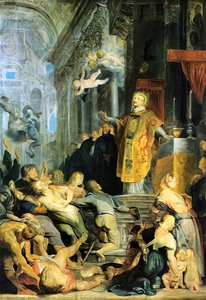
Peter Paul Rubens'ın "St. Augustine"ı: İlahi Huzurun Barok Bir Şaheseri
Rubens’in 1638 yılında tamamladığı “St. Augustine” (Aziz Augustinus), Prag’da bulunan bu eser, Barok sanatının zirvesini temsil eden etkileyici bir başyapıt olarak karşımıza çıkıyor. Peter Paul Rubens'in eşsiz yeteneğiyle dini bağlılığın özünü yakaladığı bu tablo, dinamik kompozisyonu, zengin renk paleti ve detaylı işçiliğiyle izleyicileri büyülüyor. Eser, sadece bir portre olmanın ötesinde, ruhani derinliği ve sanatsal ihtişamı bir araya getiren güçlü bir ifade biçimi olarak değerlendirilebilir.Konu ve Kompozisyon: İman ve İlahi Koruma
Tabloda, zengin işlemeli kıyafetleriyle dikkat çeken saygıdeğer Hristiyan teologu Aziz Augustinus tasvir ediliyor. Merkezdeki figürün etrafında, sembolik değnek taşıyan bir melek ve ayaklarının önünde diz çökmüş diğer bir melekle çevrili olması, ilahi varlığın ve korumanın hissini güçlendiriyor. Dikey kompozisyon ve Aziz Augustinus'un hafifçe merkezden uzak konumlandırılması, tabloya dinamik bir denge katıyor. Bu düzenleme, figürün hem gücünü hem de kırılganlığını vurgulayarak izleyicinin dikkatini çekmeyi başarıyor.Barok Tarzı ve Teknik: Işığın Dansı
Rubens'in Barok tarzının belirgin özellikleri, ışık ve gölgenin dramatik kullanımıyla (chiaroscuro) kendini gösteriyor. Bu teknik, figürlerin üç boyutlu görünümünü vurgulayarak gerçekçiliği artırıyor. Altın tonları, koyu kırmızılar ve toprak renklerinin hakim olduğu zengin renk paleti, gökyüzünün daha yumuşak tonlarıyla ve meleklerin ten rengiyle çarpıcı bir kontrast oluşturuyor. Yağlı boya tekniğinin ustaca kullanılmasıyla elde edilen detaylı dokular, özellikle kıyafetlerdeki işçiliğin göz kamaştırıcı güzelliğini ortaya koyuyor. Rubens'in fırça darbeleri, hem gücü hem de hassasiyeti yansıtan bir ritim oluşturarak esere canlılık katıyor.Tarihi Bağlam ve Sembolizm: İnanç ve İlahi Lütuf
1638 yılında, Belçika’da dini ve siyasi çalkantıların yaşandığı bir dönemde yaratılan “St. Augustine”, o dönemin ruhani coşkusunu yansıtıyor. Rubens, İtalya'daki eğitiminden edindiği izlenimler ve Caravaggio ile Leonardo da Vinci gibi sanatçıların eserlerinden ilham alarak klasik ve Hristiyan temalarını kendine özgü bir sentezde sunuyor. Tablodaki melek figürleri masumiyeti ve ilahi müdahaleyi simgizerken, sembolik değnek ruhani rehberliği veya otoriteyi temsil ediyor olabilir. Genel olarak eser, inanç, koruma ve ilahi lütuf temalarını işleyerek izleyicide saygı ve hayranlık uyandırıyor.Duygusal Etki: Ruhani Bir Yolculuk
"St. Augustine", sadece görsel bir şölen sunmakla kalmıyor, aynı zamanda derin duygusal tepkiler de uyandırıyor. İzleyici, figürlerin ifadesiz bakışlarında hem güç hem de kırılganlık okuyabiliyor. Zengin renkler ve dramatik ışıklandırma, esere mistik bir hava katarken, kompozisyonun dinamizmi izleyicinin ruhani bir yolculuğa çıkmasına olanak tanıyor. Rubens'in bu başyapıtı, yüzyıllardır sanatseverleri büyülemeye devam ediyor ve Barok sanatının zamansız güzelliğini gözler önüne seriyor.Soru ve Cevaplar
Pietro Paolo Rubense imzalı "Aziz Augustinus" hangi sanat akımına dahildir?
Pietro Paolo Rubense imzalı "Aziz Augustinus" adlı eserin dahil olduğu akım Baroque akımıdır. Bu sınıflandırma, çalışmayı ilgili sanatçılar ve sanat eserleri arasında konumlandırır.
"Aziz Augustinus" adlı eser, Baroque akımının ünlü bir eseri mi?
Katalogdaki Baroque eserleri arasında "Aziz Augustinus", İkonik olarak kaydedilmiştir.
"Aziz Augustinus" eserinin yüksek çözünürlüklü indirme seçeneği mevcut mu?
Pietro Paolo Rubense imzalı "Aziz Augustinus" eserinin dijital dosyasını edinmek için, Dijital Görsel sayfasından yüksek çözünürlüklü dijital görüntü indirme siparişi verebilirsiniz.
Sanatçı Biyografisi
Sir Peter Paul Rubens: A Baroque Master!
Peter Paul Rubens, a name synonymous with the exuberant grandeur of the Baroque era, transcended mere artistic talent; he was a diplomat, scholar, and cultural architect whose indelible mark reshaped the visual landscape of 17th-century Europe. Born on June 28, 1577, in Siegen (Westphalia), Germany—a location reflecting his family’s turbulent origins—Rubens' early life unfolded amidst displacement, an experience that subtly imbued his oeuvre with a palpable sense of drama and emotional resonance. His father, Jan Rubens, a lawyer fleeing persecution for his Calvinist beliefs, abruptly relocated the family from Antwerp, then under Spanish dominion, fostering in young Peter Paul a resilience and adaptability that would prove invaluable throughout his multifaceted career. The untimely death of Jan Rubens in 1587 propelled the family back to Antwerp, where he received a humanist education before embarking on his artistic apprenticeship around 1590, honing foundational skills under Tobias Verhaecht and Adam van Noort—masters who instilled in him meticulous observation and technical precision.The Italian Awakening: Absorbing Renaissance Genius
A pivotal moment arrived in 1600 when Rubens embarked upon a transformative pilgrimage to Italy – a journey that irrevocably cemented his artistic vision. For eight years, he immersed himself in the monumental masterpieces of Michelangelo, Raphael, and Titian, absorbing their unparalleled mastery of form, color, and composition. The influence of these Renaissance titans is unmistakably evident in Rubens’s formative Italian works, characterized by classical themes and idealized figures—a deliberate homage to the artistic ideals that had dominated Europe for centuries prior. Yet, Rubens didn't merely emulate; he synthesized these influences with his innate genius, forging a distinctive style marked by vibrant hues, dynamic compositions, and a sensual depiction of the human form. He undertook exhaustive anatomical studies, resulting in figures imbued with both physical realism and profound emotional depth—a hallmark of Baroque art’s ambition to capture the complexities of human experience. This period wasn't solely focused on artistic technique; it represented an intellectual awakening, fostering a deep appreciation for classical mythology and literature which would become recurring motifs throughout his prolific output.Antwerp: Establishing Artistic Dominance
Returning to Antwerp in 1608 following news of his mother’s passing—a deeply personal tragedy that profoundly impacted him—Rubens swiftly established himself as the undisputed artistic leader of his time, securing commissions from influential patrons and cementing his reputation as a visionary artist. Recognizing the burgeoning potential of his talent, he commissioned a magnificent studio designed in the Italian Renaissance style by Peter Paul Wreneman – a space meticulously crafted to facilitate experimentation and inspire creativity. He married Isabella Brandt in 1610, forging a partnership that would endure until her untimely death in 1640—a loss that devastated Rubens and fueled his artistic fervor. During this period, he served as court painter to the Archduke Albert and Isabella of Austria, skillfully navigating the political intricacies of Habsburg rule while simultaneously producing an astonishing array of artworks – including monumental altarpieces for churches across Flanders and Brabant.A Diplomatic Career Alongside Artistic Creation
Beyond his artistic pursuits, Rubens possessed remarkable diplomatic acumen—a skill honed during his service to the Spanish Crown and subsequently utilized in negotiations with Protestant factions during the Eighty Years’ War. His unwavering commitment to diplomacy underscored his multifaceted intellect and broadened his perspective on European affairs – a duality that enriched both his personal life and his artistic output. Notably, he undertook a daring mission to England in 1620-1621, securing royal patronage for his art and bolstering the Habsburg cause amidst escalating tensions with Protestant powers. His involvement in the decoration of Whitehall Palace—a project fraught with challenges posed by Cardinal Richelieu—demonstrated his artistic prowess alongside his political savvy.Legacy: Shaping Baroque Art Forever
Rubens’s influence on subsequent generations of artists is undeniable; painters like Anthony van Dyck, Jacob Jordaens, and Eugène Delacroix recognized him as a beacon of inspiration – absorbing his masterful technique and embracing his dynamic compositional style. His legacy extends far beyond the canvases he created—he elevated painting to new heights of prestige and artistic innovation, establishing Antwerp as a vibrant epicenter of Baroque art production during the 17th century. Sir Peter Paul Rubens remains, centuries later, an enduring symbol of artistic genius and Baroque splendor – a testament to the transformative power of creativity and the indelible imprint left upon European cultural history. His monumental works continue to captivate audiences worldwide, ensuring that his vision—characterized by dynamism, color, and profound emotional depth—will resonate for generations to come.
Pietro Paolo Rubense
1577 - 1640 , Almanya
Kısa Bilgiler
- Artistic Movement Or Style: Baroko
- Artists Or Movements Influenced By This Artist:
- Anthony van Dyck
- Jacob Jordaens
- Artists Who Influenced This Artist:
- Michelangelo
- Raphael
- Titian
- Date Of Birth: 28 Haziran 1577
- Full Name: Sir Peter Paul Rubens
- Nationality: Flamenko
- Notable Artworks:
- Çarmısta İndirme
- Haç Yükseltilmesi
- İsabella Brant Portresi
- Place Of Birth: Siegen, Almanya
İlgili Yazılar

El Greco'nun En İyi 25 Eseri: Sanat Tarihinin İkonik Yorumları ve Ev Dekorasyonu İçin İlham Veren Seçkiler
El Greco'nun en iyi 25 eserini keşfedin! İspanyol Rönesansı'nın mistik dehasının dini tabloları, dramatik renkleri ve maniyerizm tarzıyla evinizi sanatla doldurun. OriginalUniqueArt.com'da yüksek kaliteli baskılarla El Greco koleksiyonuna göz atın.

Barok Sanatın Zirveleri: Evinizi Büyüleyecek 10 Eser ve Hikayeleri
Barok sanatın en etkileyici 10 başyapıtını keşfedin! Caravaggio, Rembrandt ve daha fazlasının eserleriyle evinizi dönüştürün. Sanat tarihi, renkler ve duygularla dolu bu yolculukta OriginalUniqueArt.com'da müze kalitesinde replikalar bulun. Koleksiyonu çevrimiçi inceleyin!
Baroque Classicism: Reconciling Drama & Order in 17th-Century Art
Explore the captivating world of Baroque Classicism! Discover its history, key artists like Caravaggio & Rubens, and defining characteristics. Expert insights & high-quality reproductions at OriginalUniqueArt.
The Dramatic Flourish: Exploring Themes of Power, Faith & Emotion in Baroque Artworks
Explore the dramatic world of Baroque art! Discover masters like Zurbarán & the powerful influence of religious zeal on painting techniques. Expert insights for collectors and enthusiasts.

The Dramatic Flourish: Exploring the Baroque Movement's Enduring Legacy in Art History
Explore the dramatic world of Baroque art! Discover iconic artists like Caravaggio & Rubens, defining techniques, and its lasting impact on art history. Expert insights for collectors & enthusiasts at OriginalUniqueArt.