
 Gerçek Boyutta Önizle
 Paylaş
 Paylaş
 Detayları Gör
 Rehber

 İndir
İndir
 Benzer ürünler
 X-Işını
 Slayt Gösterisi
 Q&A
Q&A İstatistikler
Intellectual Depression

- 2020.0 x 2420.0 cm


 Tümünü Gör
Bu sayfada sergilenen eser telif hakkı yasasıyla korunmaktadır; bu da yasal olarak eserin birebir kopyasını oluşturamayacağımız veya satamayacağımız anlamına gelir. Bu koruma, aşağıdakiler gibi uluslararası anlaşmalar kapsamında uygulanmaktadır: Bern Sözleşmesi ve aşağıdakiler de dahil olmak üzere ulusal yasalarca belirlenen ABD Telif Hakkı Kanunu - 17. Başlık.
Bu yöntem, koruma altındaki sanat eserinin kopyalanmasını veya çoğaltılmasını içermediği için telif hakkı düzenlemelerine tam uyum sağlar. Bunun yerine, yaratıcı bir yeniden yorumlamadır; orijinalinden etkilenen ancak onunla aynı olmayan yeni bir tablodur.
Giclée / Sanat Baskısı
Hızlı üretim ve esnek bitiş seçenekleriyle müze kalitesinde giclée veya kanvas baskı. ( El Yapımı Tablo Satın Al Dijital Görsele Geç)




P118B ₺10

P118H ₺10

P118W ₺10

P438Z ₺10

P508JH ₺12

P508YH ₺12

P805H ₺10

P805Z ₺10

P919BZ ₺10

P919G ₺10

P919XJ ₺10

P959ZH ₺10

P968JZ ₺12

W106C ₺8

W218G ₺10

W218JH ₺8

W218Y ₺10

W307PJ ₺10

W316G ₺10

W316PJ ₺8

W316Y ₺10

W398PJ ₺8

W4111J ₺10

W500HY ₺15

W500JH ₺15

W692G ₺12

W849H ₺8

W940BG ₺15

W953PJ ₺8




Eserin orijinal oranlarıyla uyumlu, önceden belirlenmiş boyutlarımız arasından seçim yapın.

Çerçevenize veya duvarınıza uygun olması için ihtiyacınız olan genişlik ve yüksekliği yazın. Bir baskı yalnızca kesilebilir, görselden daha büyük hale getirilemez; bu nedenle farklı bir formdaki boyut seçimi, görselin bir kısmının kaybına neden olur. Herhangi bir baskı yapmadan önce onaylamanız için size bir dijital taslak gönderiyoruz. Bu sayfada gösterilen resim gerçek kesimi göstermez — bunu yalnızca taslak gösterir.
Dünya Çapında Teslimat (); standart 4/5 hafta yerine 2 haftada. (2 Kasım)

Dünya Çapında Ücretsiz Ekspres Kargo

Yüksek Kaliteli Keten Kanvas

Tam Nakliye Sigortası

Gümrük Vergisi İadesi Garantisi

Gerçek Renk Uyumu Garantisi

100 Günlük İade Politikası (Sadece Kusurlu Ürünler İçin)

%100 Para İade Garantisi

Toplu Alım İndirimi
 Cam seçeneği yalnızca 110 cm altındaki boyutlar için mevcuttur.

Intellectual Depression
Giclée / Sanat Baskısı
Reproduksiyon Boyutu
-


Toplam Tutar
₺ 3933
Soru ve Cevaplar
"Intellectual Depression" adlı eser, Sir George Gilbert Scott'in külliyatında nerede konumlanıyor?
Sir George Gilbert Scott'in eserleri arasında yer alan "Intellectual Depression", death and decay themes, human condition focus, contrast to brighter works, london urban imagery temalarıyla birlikte Contemporary Art üslubunda konumlanmaktadır.
Sir George Gilbert Scott imzalı "Intellectual Depression" hangi doygunluk ve yoğunluğu sergiliyor?
Sir George Gilbert Scott imzalı "Intellectual Depression" eserinin renkleri, Vivid Color bir doygunluk ve Vivid bir yoğunluk sergilemektedir.
British Council koleksiyonunda yer alan Sir George Gilbert Scott imzalı "Intellectual Depression" adlı eserin yasal olarak çoğaltılması mümkün müdür?
Sir George Gilbert Scott imzalı "Intellectual Depression" eserinin telif hakkı durumu nettir: eser telif hakları ile korunmaya devam etmektedir kapsamındadır. Eserin British Council bünyesinde bulunması bu durumu değiştirmez.
Sanatçı Özgeçmişi
The Architect of Victorian Grandeur
To walk through the heart of London or traverse the historic landscapes of Britain is to encounter the enduring legacy of Sir George Gilbert Scott. A titan of the nineteenth century, Scott did not merely design buildings; he sculpted the very atmosphere of the Victorian era. His life was a profound journey through the revival of medieval splendor, a pursuit that sought to breathe new life into the stone and mortar of a rapidly industrializing world. Born into an architectural dynasty, his path was paved by the influence of his father, Sir Gilbert Scott, yet George possessed a singular vision that would allow him to transcend mere imitation, establishing himself as a master of the Gothic Revival movement.
His early years were defined by a rigorous apprenticeship within the family tradition, where he absorbed the meticulous discipline required to honor historical precedents. This foundation allowed him to approach architecture not just as an engineer, but as a storyteller. He understood that every arch, every ribbed vault, and every intricate carving could serve as a vessel for spiritual and national identity. As his career progressed, Scott became a pivotal figure in reclaiming the grandeur of the Middle Ages, rejecting the cold rationality of Neoclassicism in favor of a more emotive, textured, and spiritually resonant aesthetic.
A Legacy Carved in Stone
The sheer scale of Scott’s contribution to the British landscape is staggering. His portfolio, which includes over 800 designs and restorations, reflects a man capable of navigating both the monumental and the intimate. He was a master of the Gothic Revival, a style characterized by its soaring verticality and complex ornamentation. Through his work, he brought back the dramatic interplay of light and shadow found in ancient cathedlamls, utilizing stained glass and sculptural details to create spaces that felt both timeless and divine.
Among his most celebrated achievements are structures that have become synonymous with British heritage:
- The Midland Grand Hotel at St Pancras Station: A breathtaking masterpiece of Victorian Gothic design that remains one of London's most iconic landmarks.
- The Albert Memorial: A grand, ornate tribute to Prince Albert, showcasing Scott's ability to handle immense sculptural complexity and symbolic depth.
- The Foreign and Commonwealth Office: An exquisite example of how he could apply historical grandeur to the essential civic institutions of the British Empire.
- Ecclesiastical Masterworks: His extensive work on cathedrals and churches across the United Kingdom, where he restored and reimagined sacred spaces to evoke a sense of the sublime.
The Spirit of the Gothic Revival
Beyond the physical structures, Scott’s true achievement lay in his ability to harmonize the ancient with the modern. While his heart belonged to the medieval aesthetic, he was no stranger to the technological advancements of his time. He skillfully integrated contemporary engineering and new materials into his designs, ensuring that his Gothic visions possessed the structural integrity required for the burgeoning urban centers of the nineteenth century. This synthesis of old-world charm and new-world innovation allowed his buildings to stand as resilient monuments to progress.
His influence extended far beyond his own drafting table, shaping the tastes of an entire generation of architects and designers. By championing a style that emphasized craftsmanship, detail, and historical continuity, he provided a sense of stability and beauty during a period of unprecedented social change. Today, when we gaze upon the intricate facades of his London landmarks or the solemn arches of his restored churches, we are not just looking at architecture; we are witnessing the enduring heartbeat of the Victorian spirit, preserved forever through the visionary hand of Sir George Gilbert Scott.

Kısa Bilgiler
- Artistic Movement Or Style: Gothic Revival
- Artists Or Movements Influenced By This Artist: ['Victorian Architecture']
- Artists Who Influenced This Artist: ['Charles Barry']
- Date Of Birth: October 8, 1839
- Date Of Death: May 6, 1897
- Full Name: George Gilbert Scott
- Nationality: British
- Notable Artworks:
- Liverpool Cathedral
- Battersea Power Station
- Leeds General Infirmary
- St Pancras Hotel
- Place Of Birth: London, England
Benzer Yazılar
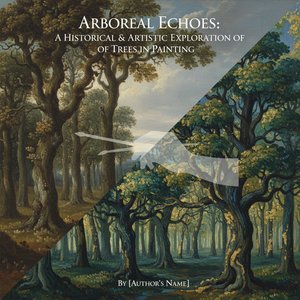
Arboreal Echoes: A Historical & Artistic Exploration of Trees in Painting
Explore the rich history of trees in painting! Discover symbolism, Romantic masterpieces by Caspar David Friedrich & beyond. A curated journey for art enthusiasts.

Dark Masterpieces: 10 Iconic Paintings Dominated by Black Tones |
Explore 10 iconic paintings dominated by black tones, from Rembrandt’s chiaroscuro to Goya's dark expressions. Discover the stories behind these masterpieces & find museum-quality art reproductions for your home at .

Arboreal Echoes: A Historical & Artistic Exploration of Trees in Painting
Explore the rich history of trees in painting! Discover symbolism, Romantic masterpieces by Caspar David Friedrich & beyond. A curated journey for art enthusiasts.

Golden Hues: 10 Masterpieces Dominated by Chrome Yellow | OriginalUniqueArt
Immerse yourself in golden light! Explore 10 famous paintings dominated by 'Chrome Yellow', from Van Gogh’s Sunflowers to Monet's Haystacks. Discover the stories behind these iconic Impressionist & Post-Impressionist masterpieces and find museum-quality art reproductions at OriginalUniqueArt.com.
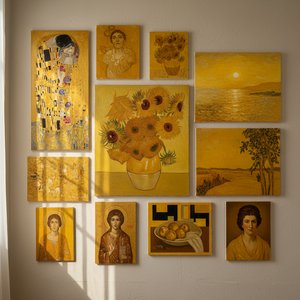
Golden Hues: Top 10 Paintings Dominated by Yellow Ochre |
Explore 10 iconic paintings bathed in golden yellow ochre! From Van Gogh's sunflowers to Monet’s haystacks, discover the stories behind these masterpieces. Find museum-quality art reproductions & elevate your home decor on .