 Gerçek Boyutta Önizle
 Paylaş
 Paylaş
 Detayları Gör
 Rehber

 İndir
İndir
 Benzer ürünler
 X-Işını
 Slayt Gösterisi
 Soru & Cevap
 İstatistikler
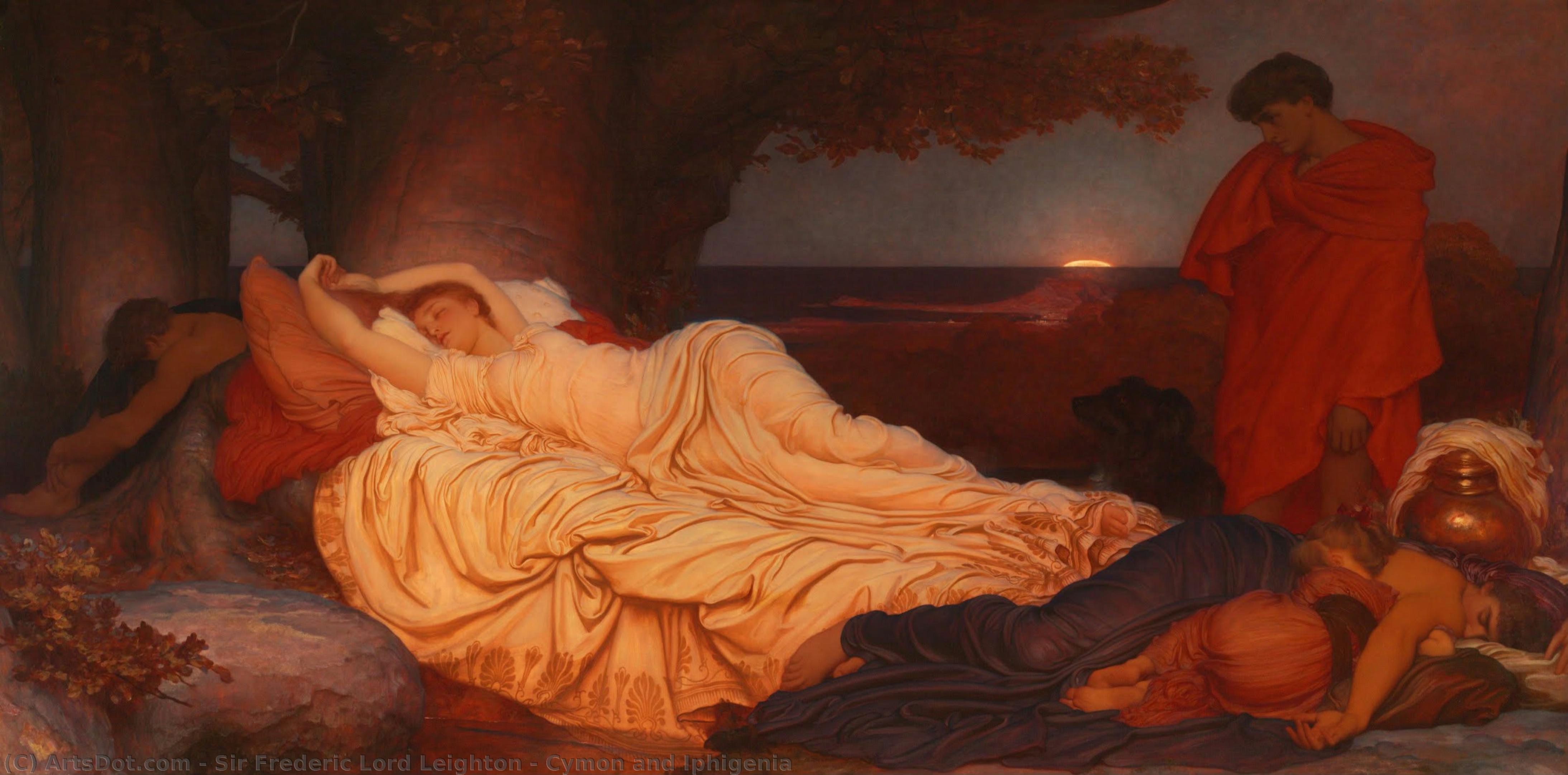
Cymon and Iphigenia

- 218.0 x 390.0 cm


 Tümünü Gör
Giclée / Sanat Baskısı
Hızlı üretim ve esnek bitiş seçenekleriyle müze kalitesinde giclée veya kanvas baskı. ( El Yapımı Tablo Satın Al Dijital Görsele Geç)




P118B ₺10

P118H ₺10

P118W ₺10

P438Z ₺10

P508JH ₺12

P508YH ₺12

P805H ₺10

P805Z ₺10

P919BZ ₺10

P919G ₺10

P919XJ ₺10

P959ZH ₺10

P968JZ ₺12

W106C ₺8

W218G ₺10

W218JH ₺8

W218Y ₺10

W307PJ ₺10

W316G ₺10

W316PJ ₺8

W316Y ₺10

W398PJ ₺8

W4111J ₺10

W500HY ₺15

W500JH ₺15

W692G ₺12

W849H ₺8

W940BG ₺15

W953PJ ₺8




Eserin orijinal oranlarıyla uyumlu, önceden belirlenmiş boyutlarımız arasından seçim yapın.

Çerçevenize veya duvarınıza uygun olması için ihtiyacınız olan genişlik ve yüksekliği yazın. Bir baskı yalnızca kesilebilir, görselden daha büyük hale getirilemez; bu nedenle farklı bir formdaki boyut seçimi, görselin bir kısmının kaybına neden olur. Herhangi bir baskı yapmadan önce onaylamanız için size bir dijital taslak gönderiyoruz. Bu sayfada gösterilen resim gerçek kesimi göstermez — bunu yalnızca taslak gösterir.
Dünya Çapında Teslimat (); standart 4/5 hafta yerine 2 haftada. (3 Kasım)

Dünya Çapında Ücretsiz Ekspres Kargo

Yüksek Kaliteli Keten Kanvas

Tam Nakliye Sigortası

Gümrük Vergisi İadesi Garantisi

Gerçek Renk Uyumu Garantisi

100 Günlük İade Politikası (Sadece Kusurlu Ürünler İçin)

%100 Para İade Garantisi

Toplu Alım İndirimi
 Cam seçeneği yalnızca 110 cm altındaki boyutlar için mevcuttur.

Cymon and Iphigenia
Giclée / Sanat Baskısı
Reproduksiyon Boyutu
-


Toplam Tutar
₺ 3982
A Vision of Ideal Beauty: Frederic Leighton’s “Cymon and Iphigenia”
Frederic Leighton's "Cymon and Iphigenia," painted in 1884, isn’t merely a depiction of Greek myth; it’s a carefully constructed tableau of Victorian ideals – a testament to beauty, virtue, and the transformative power of love. Leighton, already established as a Royal Academician and a master of historical painting, sought to elevate the narrative beyond its original source material, weaving in elements of Pre-Raphaelite sensuality and classical restraint into a scene brimming with quiet drama. The painting immediately draws the eye to Iphigenia, lying gracefully on a mossy bank beneath an ancient tree – her pose suggesting both languor and vulnerability. Her golden hair cascades around her face, illuminated by dappled sunlight that filters through the leaves, while her eyes are closed in peaceful slumber. The artist’s meticulous attention to detail is evident in every curve of her body, every ripple of fabric, and the delicate rendering of the foliage surrounding her.A Story of Awakening and Moral Ascent
The myth underpinning “Cymon and Iphigenia” originates from Boccaccio’s *Decameron*, a collection of tales set in Florence during the Black Death. The story recounts how the brutish youth Cymon, initially characterized by his rudeness and lack of refinement, encounters the beautiful Iphigenia. Through her presence, he undergoes a profound transformation, shedding his coarse manners and embracing intellectual pursuits – becoming a man of virtue and learning. Leighton cleverly captures this pivotal moment in the narrative, not through overt action but through subtle gestures and expressions. Cymon stands before her, gazing at her with an expression of rapturous admiration, while Iphigenia’s serene repose suggests that she has already initiated his moral awakening. The inclusion of a young slave girl, Lena, adds another layer to the scene, representing innocence and serving as a visual reminder of the transformative power of beauty.Technique and Aesthetic Choices
Leighton's mastery is evident in his masterful use of color and light. He employs a muted palette dominated by earthy greens, browns, and golds, creating an atmosphere of tranquility and timelessness. The lighting is particularly noteworthy – it’s diffused and atmospheric, casting long shadows and highlighting the textures of the foliage and Iphigenia's garments. The artist meticulously rendered every detail with painstaking precision, utilizing a smooth, polished technique that reflects his academic training. He drew heavily on classical sculpture for inspiration, evident in the idealized forms of the figures and the careful arrangement of the composition. The background landscape is deliberately vague, allowing the viewer’s attention to remain focused on the central figures. The use of a dark, almost velvety moss beneath Iphigenia further emphasizes her vulnerability and purity.Symbolism and Victorian Ideals
“Cymon and Iphigenia” is deeply rooted in the artistic and social conventions of Victorian England. The painting embodies several key ideals prevalent during that era: the celebration of beauty, the pursuit of virtue, and the reverence for classical antiquity. Leighton’s choice to depict a mythological scene rather than a contemporary subject allowed him to explore these themes within a framework of idealized beauty and moral instruction. The image speaks to the Victorian fascination with both Greek mythology and the concept of “moral education,” where art was seen as a tool for shaping virtuous citizens. Furthermore, the painting reflects Leighton’s own personal interests – his love of classical sculpture and his desire to create works that were both aesthetically pleasing and morally uplifting. The overall effect is one of serene contemplation, inviting viewers to reflect on the timeless themes of beauty, virtue, and transformation.A Legacy of Beauty: Reproductions and Inspiration
Today, “Cymon and Iphigenia” remains a beloved masterpiece, admired for its exquisite detail, evocative atmosphere, and profound symbolism. High-quality reproductions capture the painting’s luminous quality and intricate details, making it accessible to a wider audience. Its themes continue to resonate with art lovers and interior designers alike, who appreciate its timeless beauty and its ability to evoke a sense of tranquility and contemplation. When selecting a reproduction, consider the scale and framing options to best complement your space – allowing this iconic work of art to grace your home and inspire generations to come.Soru ve Cevaplar
Frederic Leighton imzalı "Cymon and Iphigenia" için bir slayt gösterisi mevcut mu?
Frederic Leighton imzalı "Cymon and Iphigenia", eserin Slayt Gösterisi sayfasında bir slayt gösterisi olarak görüntülenebilir.
"Cymon and Iphigenia" eserinin 1884 tarihli olması, Frederic Leighton'in kariyerinin hangi dönemine denk gelmektedir?
1884 tarihi, "Cymon and Iphigenia" eserini Frederic Leighton'in gelişiminin Mature Period dönemine yerleştirmektedir.
"Cymon and Iphigenia" hangi yıl ve hangi akım içerisinde yapıldı?
"Cymon and Iphigenia", 1884 yılında Academic Romanticism akımının bir eseri olarak yaratılmıştır. Tarih ve akım, sanat eserini sanat tarihinde konumlandırır.
Sanatçı Özgeçmişi
Işıltıyla Büyülü Bir Yaşam: Sir Frederic Leighton’ın Dünyası
1830 yılında Scarborough, İngiltere'de ayrıcalıklı bir aileye doğan Frederic Leighton’ın sanat dünyasına uzanan yolu, zenginlik, eğitim ve klasik dünyaya duyduğu sınırsız merakın eşsiz bir bileşimiyle örülmüştü. Büyükbabasının Rus Çarlarına hizmet etmiş olması, genç Frederic’in 19. yüzyıl sanatçılarının sıklıkla karşılaştığı belirsizliklerle dolu yaşamda tutkusunu kısıtlama olmaksızın sürdürmesini sağlayan mali bir temel oluşturdu. Bu özgürlük, Avrupa kıtasında kapsamlı seyahatler yapmasına olanak tanıdı; İtalya, Almanya ve Fransa’nın sanatsal akımlarına kendini kaptırdı. İşte bu biçimlendirici yıllarda, Eduard von Steinle ve Giovanni Costa gibi ustaların yanında eğitim alarak Leighton, akademik titizlik, Prerafaelit duyarlılığı ve klasik antikiteye derin bir saygıyı harmanlayan kendine özgü stilini geliştirmeye başladı. Erken yaşamında unutulmaz bir anı ise Frankfurt’ta henüz on yedi yaşındayken filozof Arthur Schopenhauer ile karşılaşması oldu; bu olay, ünlü münzevi düşünürün tek bilinen tam boy portresinin ortaya çıkmasına neden oldu. Bu karşılaşma, Leighton’ın entelektüel derinliğine ve insan durumunun karmaşıklıklarını keşfetme tutkusuna işaret ediyor—bu temalar, sanatının onlarca yıl boyunca damgasını vuracaktı.Mitoloji ve Tarihin Resimsel Kucaklaması
Leighton'ın sanatsal kariyeri, tarihi anlatılar, dini hikayeler ve klasik mitolojiye hayranlık duyan bir dönemde gelişti. O sadece bu konuları resmetmekle kalmadı; onlara *içten içe nüfuz etti*, kostümleri, mekanları ve antik yaşamın inceliklerini titizlikle araştırarak otantik ve dramatik açıdan etkileyici eserler yarattı. Resimleri basit tasvirlerden ibaret değildi—tanrıların, kahramanların ve unutulmuş imparatorlukların dünyasına izleyicileri taşıyan sürükleyici deneyimlerdi. Belki de en ünlü eserlerinden biri olan Clytie, güneş tanrısı Apollon'a özlem duyan ve bir ayçiçeğine dönüştürülmüş nimfi tasvir ediyor. Bu sadece güzel bir görüntü değil; karşılıksız aşkın, özlemin ve doğanın dönüştürücü gücünün—içten gelen bir parlaklıkla sunulan—bir keşfidir. Benzer şekilde, Apollon tanrısına adanan bir töreni betimleyen Daphnephoria, Leighton’ın kompozisyon ustalığını, renk bilgisini ve tuval üzerinde hareket ve enerjiyi yakalama yeteneğini sergiliyor. Opulent dokuları, zengin kumaşları ve dramatik aydınlatmayı benimsemekten çekinmedi—eserlerinin göz kamaştırıcı görsel ihtişamına katkıda bulunan unsurlar bunlar.Tuvalin Ötesinde: Heykel ve Mimari Vizyonu
Esasen bir ressam olarak tanınmasına rağmen, Leighton’ın sanatsal hırsları iki boyutlu alanın ötesine uzandı. Yetenekli bir heykeltıraştı ve 1888 ile 1891 yılları arasında yarattığı Athlete Wrestling with a Python, İngiliz heykel sanatında dönüm noktası niteliğinde bir anı temsil etti—genellikle “Yeni Heykel” olarak adlandırılan çağdaş heykelsal uygulamada bir rönesansı başlattığı kabul ediliyor. Beyaz mermerden oyulmuş bu eser, hem fiziksel gücü hem de dramatik gerilimi somutlaştırıyor. Ancak Leighton’ın yaratıcı vizyonu burada durmadı. Özellikle Yakın Doğu'dan gelen sanat ve eserleri tutkun bir koleksiyoncu idi. Bu hazineler sadece sergilenmekle kalmıyordu; Holland Park, Londra'daki Leighton House adlı evinin dokusuna entegre ediliyordu. George Aitchison tarafından tasarlanan Leighton House, başlı başına bir şaheser—Estetizm’in çarpıcı bir örneği olup hem konut hem de stüdyo olarak hizmet veriyordu. Karmaşık çini işleri ve yükselen kemerleriyle ikonik Arap Salonu, Leighton’ın eklektik zevkine ve yaratıcılığını teşvik edecek ve besleyecek toplam bir sanat eseri yaratma arzusuna tanıklık ediyor.Mirası ve Bir Çağın Yankıları
Leighton'ın İngiliz sanatı üzerindeki etkisi derin oldu. 1878’den 1896’daki ölümüne kadar Kraliyet Akademisi Başkanlığı görevini üstlendi; bu görevi seçkinlikle yürüttü, sanatsal mükemmelliği savundu ve canlı bir yaratıcı topluluğu teşvik etti. 1878'de şövalye unvanı aldı, 1886'da baron oldu ve dikkat çekici bir şekilde ölümünden sadece bir gün önce kendisine peerlik unvanı verildi—sanat dünyası ve ötesinde ona duyulan saygının kanıtı. Ölümünden sonra bir süre modernizmin yükselişiyle gölgede kalsa da, son yıllarda Leighton’ın sanatına ilgi önemli ölçüde arttı. Günümüzde resimleri ve heykelleri teknik parlaklıkları, çağrıştırıcı güçleri ve izleyicileri güzellik ve harika dünyalara taşıma yetenekleriyle kutlanıyor.- Eserleri, sanatçıları etkilemeye devam ediyor ve dünya çapındaki izleyicileri büyülemeye devam ediyor.
- Leighton House Müzesi, sanatsal vizyonuna kalıcı bir övgü niteliğinde duruyor ve önemli bir kültürel simge olarak kalmaya devam ediyor.
- Victoria ideallerinin, klasik etkilerin ve Prerafaelit duyarlılıklarının büyüleyici bir kesişimini temsil ediyor—İngiliz sanat tarihine benzersiz bir ses.

Frederic Leighton
1830 - 1896 , Birleşik Krallık
Kısa Bilgiler
- Bu Sanatçıdan Etkilenenler: ['Yeni Heykel Hareketi']
- Doğum Tarihi: 3 Aralık 1830
- Doğum Yeri: Scarborough, Birleşik Krallık
- Etkilendiği Sanatçılar:
- Eduard von Steinle
- Giovanni Costa
- Sanatsal Akım: Akademik, Prerafaelit
- Tam Adı: Sir Frederic Lord Leighton
- Uyruğu: İngiliz
- Ölüm Tarihi: 25 Ocak 1896
- Önemli Eserleri:
- Clytie
- Flaming June
- Athlete wrestling python
Benzer Yazılar

The Enduring Allure of Marble in Art History: From Classical Sculpture to Modern Abstraction
Explore the captivating history of marble sculpture from ancient Greece to modern art. Discover renowned artists like Canova & Michelangelo, carving techniques, and investment insights at OriginalUniqueArt.
Sir Frederic Leighton: Aestheticism, Academic Mastery & Victorian Masculinity
Explore the life & art of Sir Frederic Leighton, a master of Victorian Aestheticism. Discover his academic training, sculptural innovations, and captivating depictions of beauty. Expert insights for collectors.

Bronze Age to Modern Masters: 10 Sculptures That Redefined Art | OriginalUniqueArt
Journey through art history with 10 legendary bronze sculptures – from Michelangelo's David to Rodin’s Thinker. Explore the stories, techniques & timeless beauty of these masterpieces. Find museum-quality reproductions & elevate your home decor on OriginalUniqueArt.com.

The Enduring Form: Exploring Themes & Techniques in Sculpture Across Historical Periods
Explore the rich history of sculpture from ancient masterpieces to contemporary innovations. Discover key techniques, influential artists & investment potential for discerning art collectors.

Bronze Sculptures That Defined Art History | OriginalUniqueArt
Journey through art history with our Top 10 bronze sculptures! Explore masterpieces by Rodin, Michelangelo & more. Discover stories behind iconic statues and find museum-quality reproductions for your home decor at OriginalUniqueArt.com.