Önizle
 Gönder
 Paylaş
 Detaylar
 Rehber

 Dosyayı İndir
 Benzerleri
 X-Işını
 Slayt Gösterisi
 İstatistikler
Saint Sebastian
 Acrylic On Canvas
- WallArt
- Baroque
 189.0 x 144.0 cm
 Chrysler Museum of Art
 Devamını Oku
El Yapımı Yağlı Boya Reproduksiyon
Sanatçılarımız tarafından sipariş üzerine hazırlanan; istediğiniz boyut ve çerçevede, tuval üzerine el boyaması yağlı boya. ( Baskı Satışına Geç Dijital Görsel Satışına Geç)




P118B ₺10

P118H ₺10

P118W ₺10

P438Z ₺10

P508JH ₺12

P508YH ₺12

P805H ₺10

P805Z ₺10

P919BZ ₺10

P919G ₺10

P919XJ ₺10

P959ZH ₺10

P968JZ ₺12

W106C ₺8

W218G ₺10

W218JH ₺8

W218Y ₺10

W307PJ ₺10

W316G ₺10

W316PJ ₺8

W316Y ₺10

W398PJ ₺8

W4111J ₺10

W500HY ₺15

W500JH ₺15

W692G ₺12

W849H ₺8

W940BG ₺15

W953PJ ₺8




Eserin orijinal oranlarıyla uyumlu, önceden belirlenmiş boyutlarımız arasından seçim yapın.

Çerçevenize veya duvarınıza uygun olması için ihtiyacınız olan genişliği ve yüksekliği yazın. Bu eser el boyamasıdır; bu nedenle farklı bir formdaki boyutlar için sanatçı, resmin etrafına biraz daha fazla boya ekleyebilir veya biraz daha kırpabilir — seçim sizin. Boyama işlemi başlamadan önce onaylamanız için size bir dijital taslak gönderiyoruz. Bu sayfada gösterilen resim gerçek sonucu yansıtmamaktadır — gerçek sonucu yalnızca taslak göstermektedir.
Siparişten sonra, OriginalUniqueArt.com ekibi talimatlar için müşteriye e-posta gönderecek ve bir taslak önizleme sunacaktır
Dünya Çapında Teslimat (); standart 5 hafta yerine 3/4 haftada. (26 Ekim). Kaliteden ödün verilmez.

Dünya Çapında Ücretsiz Ekspres Kargo

Yüksek Kaliteli Keten Tuval

Tam Nakliye Sigortası

Gümrük Vergisi İadesi Garantisi

Gerçek Renk Uyumu Garantisi

100 Günlük İade Koşulları (Sadece Üretim Hatalı Ürünler İçin)

%100 Para İade Garantisi

Toplu Alım Avantajı
 Cam seçeneği yalnızca 110 cm altındaki boyutlar için mevcuttur.

Saint Sebastian
Baskı Tekniği
Baskı Boyutu
-


Toplam Fiyat
₺ 14684
The Silent Strength of Suffering
Sir Anthony van Dyck’s “Saint Sebastian,” painted circa 1627-32, isn't merely a depiction of a biblical martyr; it’s a profound meditation on endurance, faith, and the quiet dignity found within suffering. Van Dyck, already establishing his signature style – characterized by an almost ethereal beauty and a masterful command of light – chose to portray a pivotal moment in Sebastian’s legend: the preparation for his brutal execution. Rather than focusing on the violent act itself, he captures the saint's stoic composure as he awaits his fate, transforming a scene of impending death into one of remarkable serenity.
The composition immediately draws the eye to Sebastian himself – a figure of startling youth and almost unnerving beauty amidst the grim reality surrounding him. He’s bound tightly, his arms and legs secured with ropes, yet his gaze is fixed outward, not inward upon his wounds. This deliberate direction of his eyes creates an intimate connection with the viewer, inviting us into his inner world of unwavering faith. The palette is restrained – a muted range of browns, ochres, and subtle blues – contributing to the painting’s solemn atmosphere. Van Dyck's use of chiaroscuro—the dramatic contrast between light and shadow—further emphasizes Sebastian’s isolation and vulnerability, highlighting the stark beauty of his face and the textures of his clothing.
A Renaissance Echo: Symbolism and Context
To understand “Saint Sebastian,” it's crucial to consider the broader context of the early 17th century. The painting emerged during a period of intense religious fervor, following the Counter-Reformation, where depictions of martyrdom served as powerful tools for inspiring piety and reinforcing Catholic doctrine. However, Van Dyck’s portrayal transcends simple propaganda. He doesn't glorify violence; instead, he elevates Sebastian to an archetype of spiritual fortitude. The scene echoes Renaissance ideals of humanism – a focus on the dignity and potential of humanity—while simultaneously embracing the Christian narrative of sacrifice and redemption.
The inclusion of Saint Irene and her attendants, rendered in a softer, more luminous style, adds another layer of complexity to the composition. They represent divine compassion and offer a poignant contrast to Sebastian’s solitary strength. The figures are not actively intervening; rather, they provide a silent witness to his suffering, reinforcing the idea that faith is often found not in grand gestures but in quiet perseverance.
Technique and Van Dyck's Signature
Van Dyck’s technical mastery is evident throughout “Saint Sebastian.” His brushwork is remarkably smooth and refined, creating a sense of almost photographic realism. He skillfully renders the textures of Sebastian’s clothing – the rough weave of his tunic, the tautness of the ropes—and the subtle details of his face, capturing the delicate contours of his features with astonishing precision. The artist's use of black paint is particularly noteworthy; it’s not simply a color but a tool for creating depth and drama, emphasizing the shadows that engulf Sebastian and highlighting his luminous complexion.
Interestingly, Van Dyck frequently employed a technique known as *pentimento*, subtly altering details in the painting after completion. This is most evident in the feathered arrow piercing Sebastian’s torso – a small but significant adjustment that suggests the artist was continually refining his composition until he achieved the desired effect. This meticulous attention to detail speaks volumes about Van Dyck's dedication to his craft and his desire to capture not just an image, but a profound emotional truth.
A Legacy of Grace and Resilience
“Saint Sebastian” remains one of Van Dyck’s most compelling works, embodying the artist’s unique blend of elegance, sensitivity, and technical brilliance. It's a painting that invites contemplation—a reminder that true strength lies not in physical prowess but in unwavering faith and the ability to face adversity with grace and dignity. Today, reproductions of this iconic image continue to resonate with viewers, offering a timeless testament to the enduring power of human spirit.
Soru ve Cevaplar
Anthony Van Dyck imzalı "Saint Sebastian" reprodüksiyonu bir odaya nasıl bir atmosfer katardı?
Anthony Van Dyck imzalı "Saint Sebastian", Elegant bir atmosfere sahiptir ve Living Room için önerilir. Ruh hali, eserin çevresindeki mekana kattığı duygudur.
"Saint Sebastian" sanatçısının ana vatanında mı kaldı?
Hayır - sanat eseri yurt dışında bulunmaktadır. "Saint Sebastian" adlı eser Amerika Birleşik Devletleri bünyesinde sergilenirken, Anthony Van Dyck Belçika doğumludur.
Anthony Van Dyck imzalı "Saint Sebastian" eserinin renkleri canlı mı yoksa mat mı?
Anthony Van Dyck imzalı "Saint Sebastian" eserinin renkleri Muted doygunluğa sahiptir. Doygunluk, renklerin ne kadar canlı veya mat olduğunu ifade eder.
Sanatçı Biyografisi
A Flemish Master at the Courts of Europe
Sir Anthony van Dyck, born in Antwerp in 1599, emerged as one of the most celebrated and influential portraitists of the Baroque era. His life, though tragically cut short at just forty-two years old, was a whirlwind of artistic exploration and prestigious commissions that took him from his native Flanders to Italy and ultimately to the heart of the English court. From an early age, van Dyck displayed remarkable talent, entering Hendrick van Balen’s workshop as a young apprentice and quickly absorbing the prevailing styles of the time. However, it was his association with Peter Paul Rubens – not merely as a student but as a collaborator – that truly shaped his artistic foundation. He learned from Rubens' dynamic compositions, rich color palettes, and masterful handling of light and shadow, yet van Dyck soon began to forge his own distinct path, one characterized by an elegance and refinement that would become his signature.Italian Sojourns and the Birth of a Style
The years van Dyck spent in Italy, beginning around 1621, proved pivotal in his artistic development. He resided primarily in Genoa, where he found favor among the city’s aristocratic families. It was here that he began to cultivate the sophisticated style for which he would become renowned – a style marked by graceful poses, luxurious fabrics, and an almost palpable sense of nobility. Unlike the robust energy often found in Rubens' work, van Dyck’s Italian portraits exude a refined composure, capturing not just physical likeness but also the inner character and social standing of his sitters. During this period, he embarked on his *Iconography*, a series of meticulously rendered portrait etchings featuring prominent figures of his time – artists, scholars, and rulers alike. This project showcased his exceptional technical skill and established him as a leading printmaker. These etchings weren’t simply records; they were carefully constructed images designed to immortalize the subjects and convey their status and intellect. He also honed his skills in watercolor painting, experimenting with delicate washes of color that complemented his oil paintings beautifully.Rubens' Influence: Shaping His Artistic Vision
Peter Paul Rubens undeniably served as a formative influence on van Dyck’s artistic sensibilities. Rubens’ monumental canvases—filled with dramatic movement and vibrant hues—taught van Dyck the importance of grand scale and expressive gesture. However, recognizing that Rubens’ style wasn’t suited to his own temperament, van Dyck skillfully adapted Rubens' techniques while maintaining his distinctive aesthetic. He embraced a more restrained approach, prioritizing subtlety and nuance – qualities that would become hallmarks of his oeuvre. This careful balance between dynamism and elegance distinguishes van Dyck’s work from many of his contemporaries and underscores the profound impact of Rubens on his artistic development.The King's Painter: Van Dyck in England
In 1632, van Dyck received an invitation that would forever alter his career trajectory – a summons from Charles I of England to become the court painter. This appointment marked a turning point, not only for van Dyck but also for English portraiture. He arrived in London with a considerable reputation and quickly became indispensable to the king, tasked with creating images that projected an aura of power, majesty, and divine right. Van Dyck’s portraits of Charles I are particularly noteworthy; he moved away from the stiff, formal representations favored by earlier artists, instead portraying the king as a dynamic, charismatic leader. He employed innovative techniques – dramatic lighting, sweeping gestures, and carefully chosen backgrounds – to create images that were both visually stunning and politically charged. His influence extended beyond the royal family, shaping the visual culture of the English aristocracy for generations to come. He didn’t just paint portraits; he crafted an image of kingship, influencing how royalty was perceived for over a century.Legacy and Enduring Influence
Van Dyck's untimely death in 1641 tragically curtailed his artistic career, yet his legacy continues to resonate throughout art history. His contributions to portraiture are unparalleled; he elevated the genre to new heights of sophistication and psychological insight. He established a standard of elegance and refinement that subsequent artists would strive to emulate.- Technical Mastery: Van Dyck’s command of oil paint, etching, and watercolor demonstrated an extraordinary level of skill and innovation.
- Stylistic Innovation: His portraits are distinguished by their graceful poses, luxurious fabrics, and subtle expressions—a style that captivated audiences across Europe.
- Cultural Significance: He profoundly impacted the visual culture of his time, shaping perceptions of royalty and aristocratic identity.
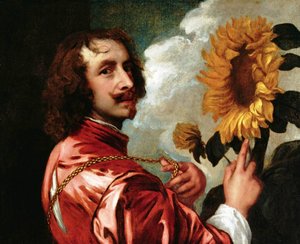
Anthony Van Dyck
1599 - 1641 , Belçika
Kısa Bilgiler
- Artistic Movement Or Style: Barok
- Artists Or Movements Influenced By This Artist: ['İngiliz Portre Okulu']
- Artists Who Influenced This Artist: ['Peter Paul Rubens']
- Date Of Birth: Mart 22, 1599
- Date Of Death: Aralık 9, 1641
- Full Name: Sir Anthony van Dyck
- Nationality: Flamanca
- Notable Artworks:
- Portre Çocuğun ve Kızının
- Charles I Kralı için Atlı Portresi
- John Stuart Lord ve Kardeşi
- Şefkat
- Charles I Üç Pozisyonda
- Place Of Birth: Anvers, Belçika
İlgili Yazılar
The Grandeur of Baroque Portraiture: Power, Emotion & Artistic Innovation
Explore the grandeur of Baroque portraiture! Discover Rubens, Van Dyck & the masters of 17th-century art. Uncover symbolism, techniques & lasting influence. Expert insights for collectors and enthusiasts.

Barok Sanatın Zirveleri: Evinizi Büyüleyecek 10 Eser ve Hikayeleri
Barok sanatın en etkileyici 10 başyapıtını keşfedin! Caravaggio, Rembrandt ve daha fazlasının eserleriyle evinizi dönüştürün. Sanat tarihi, renkler ve duygularla dolu bu yolculukta OriginalUniqueArt.com'da müze kalitesinde replikalar bulun. Koleksiyonu çevrimiçi inceleyin!

Rembrandt'ın En Ünlü 25 Eseri: Sanat Tarihine Işık Tutan Başyapıtlar
Rembrandt'ın en ünlü 25 eserini keşfedin! Hollanda Altın Çağı'nın bu Barok dehasının ışık ve gölge oyunlarıyla dolu portreleri, tarihi resimleri sizi büyüleyecek. Sanat baskıları ve ev dekorasyonu için OriginalUniqueArt.com'da Rembrandt koleksiyonunu inceleyin.

Charles-André van Loo: A Study in Rococo Portraiture & the French Court's Artistic Dynamics
Explore the elegant world of Charles-André van Loo, a master of Rococo portraiture at the French court. Discover his life, techniques, and enduring influence on 18th-century art. Hand-painted reproductions available.
Sir Anthony van Dyck: Courtly Portraiture & the Shaping of Baroque Identity
Explore the life & legacy of Sir Anthony van Dyck, the leading court painter of his era. Discover his innovative portraiture, Baroque masterpieces, and investment potential for discerning collectors. Learn more at OriginalUniqueArt.