Önizle
 Gönder
 Paylaş
 Detaylar
 Rehber

 Dosyayı İndir
 Benzerleri
 X-Işını
 Slayt Gösterisi
 İstatistikler
Margareta de Vos
 Acrylic On Canvas
- WallArt
- Baroque Portraiture
 1620
1620 130.0 x 99.0 cm
 The Frick Collection
 Devamını Oku
Giclée / Sanat Baskısı
Hızlı üretim ve esnek bitiş seçenekleriyle müze kalitesinde giclée veya kanvas baskı. ( El Yapımı Tablo Satın Al Dijital Görsel Satışına Geç)




P118B ₺10

P118H ₺10

P118W ₺10

P438Z ₺10

P508JH ₺12

P508YH ₺12

P805H ₺10

P805Z ₺10

P919BZ ₺10

P919G ₺10

P919XJ ₺10

P959ZH ₺10

P968JZ ₺12

W106C ₺8

W218G ₺10

W218JH ₺8

W218Y ₺10

W307PJ ₺10

W316G ₺10

W316PJ ₺8

W316Y ₺10

W398PJ ₺8

W4111J ₺10

W500HY ₺15

W500JH ₺15

W692G ₺12

W849H ₺8

W940BG ₺15

W953PJ ₺8




Eserin orijinal oranlarıyla uyumlu, önceden belirlenmiş boyutlarımız arasından seçim yapın.

Çerçevenize veya duvarınıza uygun olması için ihtiyacınız olan genişlik ve yüksekliği yazın. Bir baskı yalnızca kesilebilir, görselden daha büyük hale getirilemez; bu nedenle farklı bir formdaki boyut seçimi, görselin bir kısmının kaybına neden olur. Herhangi bir baskı yapmadan önce onaylamanız için size bir dijital taslak gönderiyoruz. Bu sayfada gösterilen resim gerçek kesimi göstermez — bunu yalnızca taslak gösterir.
Dünya Çapında Teslimat (); standart 4/5 hafta yerine 2 haftada. (24 Ekim)

Dünya Çapında Ücretsiz Ekspres Kargo

Yüksek Kaliteli Keten Tuval

Tam Nakliye Sigortası

Gümrük Vergisi İadesi Garantisi

Gerçek Renk Uyumu Garantisi

100 Günlük İade Koşulları (Sadece Üretim Hatalı Ürünler İçin)

%100 Para İade Garantisi

Toplu Alım Avantajı
 Cam seçeneği yalnızca 110 cm altındaki boyutlar için mevcuttur.

Margareta de Vos
Giclée / Sanat Baskısı
Baskı Boyutu
-


Toplam Fiyat
₺ 3912
A Portrait of Grace and Prosperity: Margareta de Vos by Sir Anthony van Dyck
Sir Anthony van Dyck’s “Margareta de Vos,” painted in 1620, is more than just a portrait; it's a meticulously crafted tableau of wealth, status, and subtle artistry. This captivating work offers a glimpse into the life of a woman – likely a distiller’s daughter and sister to three painters – within the opulent setting of early 17th-century Flanders. Van Dyck, already establishing his signature style characterized by elegant lines and luminous color, elevates the subject beyond mere likeness, imbuing her with an air of dignified composure and quiet beauty.
The painting’s composition is a masterclass in controlled elegance. Margareta de Vos sits before a window, bathed in soft light that highlights the luxurious details of her attire. Her hands are clasped together – a gesture of modesty and contemplation – while her gaze meets the viewer with an understated confidence. The background, though relatively simple, contributes significantly to the overall effect; the muted tones and suggestion of domestic comfort reinforce the impression of a prosperous household. Notably, Van Dyck subtly alters the composition of her head, a detail that has been meticulously examined by art historians, revealing his deliberate manipulation of perspective to create a more dynamic and engaging portrait.
The Virtuoso Vase: A Symphony of Color
Perhaps the most arresting element of “Margareta de Vos” is the glass vase brimming with flowers positioned prominently in the foreground. This isn’t merely decorative; it's a showcase of Van Dyck’s extraordinary technical skill and his deep understanding of light and reflection. The artist employs bold strokes of blue and buttery yellow paint to create an illusion of depth and luminosity within the vase, capturing the way light plays across its surface and refracts through the blossoms. This passage is considered one of the most virtuosic in Van Dyck’s oeuvre, demonstrating his mastery of color theory and his ability to translate visual effects onto canvas.
The choice of flowers themselves carries symbolic weight. While specific interpretations vary, they likely represent fertility, beauty, and prosperity – qualities highly valued within the context of a family involved in the distillation trade. The careful arrangement and vibrant colors contribute significantly to the painting’s overall sense of abundance and refinement.
A Millstone Collar: Signifier of Status
Van Dyck strategically incorporates details that speak volumes about Margareta de Vos's social standing. The most striking element is her millstone collar, a gleaming white garment fastened with intricate embroidery. This particular detail – a millstone (a large stone used in grinding grain) – served as a potent symbol of prosperity and wealth within the region. It was a clear declaration of the family’s economic success, subtly communicated through the artist's choice of attire.
Furthermore, the collar’s starched appearance speaks to the meticulous attention to detail and the high standards of dress prevalent in the period. Van Dyck’s awareness of these social cues demonstrates his keen understanding of his patrons’ expectations and his ability to translate them into visually compelling portraits.
A Legacy of Elegance
"Margareta de Vos" stands as a testament to Sir Anthony van Dyck's genius – a portrait that seamlessly blends technical brilliance with astute observation of human character and social context. The painting’s enduring appeal lies not only in its exquisite beauty but also in its ability to transport us back to a specific moment in time, offering a glimpse into the lives and aspirations of those who inhabited it. OriginalUniqueArt's hand-painted reproductions capture the nuances of Van Dyck’s technique and color palette with remarkable fidelity, allowing art lovers to experience this masterpiece anew.
Soru ve Cevaplar
Anthony Van Dyck imzalı "Margareta de Vos" eserinin görselini nasıl indirebilirim?
"Margareta de Vos" için bir indirme seçeneği mevcuttur: eserin İndir sayfası yüksek çözünürlüklü dijital görüntü indirme imkanı sunmaktadır.
"Margareta de Vos" ne hakkında ve nasıl bir atmosfere sahip?
Anthony Van Dyck imzalı "Margareta de Vos", portraiture, millstone, vase, flowers, wealth, reflection, baroque öğelerini Elegant bir atmosferle birleştiriyor.
Anthony Van Dyck imzalı "Margareta de Vos" hangi duyguyu yansıtıyor?
Anthony Van Dyck imzalı "Margareta de Vos", Reflective bir duygusal ton yansıtıyor.
Sanatçı Biyografisi
A Flemish Master at the Courts of Europe
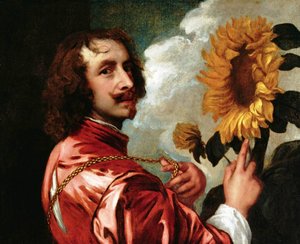
Sir Anthony van Dyck, born in Antwerp in 1599, emerged as one of the most celebrated and influential portraitists of the Baroque era. His life, though tragically cut short at just forty-two years old, was a whirlwind of artistic exploration and prestigious commissions that took him from his native Flanders to Italy and ultimately to the heart of the English court. From an early age, van Dyck displayed remarkable talent, entering Hendrick van Balen’s workshop as a young apprentice and quickly absorbing the prevailing styles of the time. However, it was his association with Peter Paul Rubens – not merely as a student but as a collaborator – that truly shaped his artistic foundation. He learned from Rubens' dynamic compositions, rich color palettes, and masterful handling of light and shadow, yet van Dyck soon began to forge his own distinct path, one characterized by an elegance and refinement that would become his signature.Italian Sojourns and the Birth of a Style
The years van Dyck spent in Italy, beginning around 1621, proved pivotal in his artistic development. He resided primarily in Genoa, where he found favor among the city’s aristocratic families. It was here that he began to cultivate the sophisticated style for which he would become renowned – a style marked by graceful poses, luxurious fabrics, and an almost palpable sense of nobility. Unlike the robust energy often found in Rubens' work, van Dyck’s Italian portraits exude a refined composure, capturing not just physical likeness but also the inner character and social standing of his sitters. During this period, he embarked on his *Iconography*, a series of meticulously rendered portrait etchings featuring prominent figures of his time – artists, scholars, and rulers alike. This project showcased his exceptional technical skill and established him as a leading printmaker. These etchings weren’t simply records; they were carefully constructed images designed to immortalize the subjects and convey their status and intellect. He also honed his skills in watercolor painting, experimenting with delicate washes of color that complemented his oil paintings beautifully.Rubens' Influence: Shaping His Artistic Vision
Peter Paul Rubens undeniably served as a formative influence on van Dyck’s artistic sensibilities. Rubens’ monumental canvases—filled with dramatic movement and vibrant hues—taught van Dyck the importance of grand scale and expressive gesture. However, recognizing that Rubens’ style wasn’t suited to his own temperament, van Dyck skillfully adapted Rubens' techniques while maintaining his distinctive aesthetic. He embraced a more restrained approach, prioritizing subtlety and nuance – qualities that would become hallmarks of his oeuvre. This careful balance between dynamism and elegance distinguishes van Dyck’s work from many of his contemporaries and underscores the profound impact of Rubens on his artistic development.The King's Painter: Van Dyck in England
In 1632, van Dyck received an invitation that would forever alter his career trajectory – a summons from Charles I of England to become the court painter. This appointment marked a turning point, not only for van Dyck but also for English portraiture. He arrived in London with a considerable reputation and quickly became indispensable to the king, tasked with creating images that projected an aura of power, majesty, and divine right. Van Dyck’s portraits of Charles I are particularly noteworthy; he moved away from the stiff, formal representations favored by earlier artists, instead portraying the king as a dynamic, charismatic leader. He employed innovative techniques – dramatic lighting, sweeping gestures, and carefully chosen backgrounds – to create images that were both visually stunning and politically charged. His influence extended beyond the royal family, shaping the visual culture of the English aristocracy for generations to come. He didn’t just paint portraits; he crafted an image of kingship, influencing how royalty was perceived for over a century.Legacy and Enduring Influence
Van Dyck's untimely death in 1641 tragically curtailed his artistic career, yet his legacy continues to resonate throughout art history. His contributions to portraiture are unparalleled; he elevated the genre to new heights of sophistication and psychological insight. He established a standard of elegance and refinement that subsequent artists would strive to emulate.- Technical Mastery: Van Dyck’s command of oil paint, etching, and watercolor demonstrated an extraordinary level of skill and innovation.
- Stylistic Innovation: His portraits are distinguished by their graceful poses, luxurious fabrics, and subtle expressions—a style that captivated audiences across Europe.
- Cultural Significance: He profoundly impacted the visual culture of his time, shaping perceptions of royalty and aristocratic identity.
Anthony Van Dyck
1599 - 1641 , Belçika
Kısa Bilgiler
- Artistic Movement Or Style: Barok
- Artists Or Movements Influenced By This Artist: ['İngiliz Portre Okulu']
- Artists Who Influenced This Artist: ['Peter Paul Rubens']
- Date Of Birth: Mart 22, 1599
- Date Of Death: Aralık 9, 1641
- Full Name: Sir Anthony van Dyck
- Nationality: Flamanca
- Notable Artworks:
- Portre Çocuğun ve Kızının
- Charles I Kralı için Atlı Portresi
- John Stuart Lord ve Kardeşi
- Şefkat
- Charles I Üç Pozisyonda
- Place Of Birth: Anvers, Belçika
İlgili Yazılar

Flemish Baroque: The Ultimate Masterclass in Dramatic Light, Opulent Detail, and Visual Impact
Discover the breathtaking drama of Flemish Baroque art. Explore the mastery of Rubens and Van Dyck through an expert lens, focusing on chiaroscuro, opulent detail, and the emotional intensity that defines this legendary era of visual impact.

Francisco Goya'nın En İyi 25 Eseri: İspanyol Ruhunun Derinlikleri Sanatta
Francisco Goya'nın en iyi 25 eserini keşfedin! İspanyol ressamının Romantizm akımındaki başyapıtları, tarihi tabloları ve portrelerinin derin anlamlarını öğrenin. Ev dekorasyonunuz için lüks sanat baskıları OriginalUniqueArt.com’da.
The Grandeur of Baroque Portraiture: Power, Emotion & Artistic Innovation
Explore the grandeur of Baroque portraiture! Discover Rubens, Van Dyck & the masters of 17th-century art. Uncover symbolism, techniques & lasting influence. Expert insights for collectors and enthusiasts.

Rembrandt'ın En Ünlü 25 Eseri: Sanat Tarihine Işık Tutan Başyapıtlar
Rembrandt'ın en ünlü 25 eserini keşfedin! Hollanda Altın Çağı'nın bu Barok dehasının ışık ve gölge oyunlarıyla dolu portreleri, tarihi resimleri sizi büyüleyecek. Sanat baskıları ve ev dekorasyonu için OriginalUniqueArt.com'da Rembrandt koleksiyonunu inceleyin.
Sir Anthony van Dyck: Courtly Portraiture & the Shaping of Baroque Identity
Explore the life & legacy of Sir Anthony van Dyck, the leading court painter of his era. Discover his innovative portraiture, Baroque masterpieces, and investment potential for discerning collectors. Learn more at OriginalUniqueArt.