
 Preview
 Baskıyı satın al Tabloyu Sipariş Et
 Paylaş
 Paylaş
 Detayları Gör
 Favorilere ekle

 İndir
İndir
 Benzerlerini gör
 X-Işını
 Slayt Gösterisi
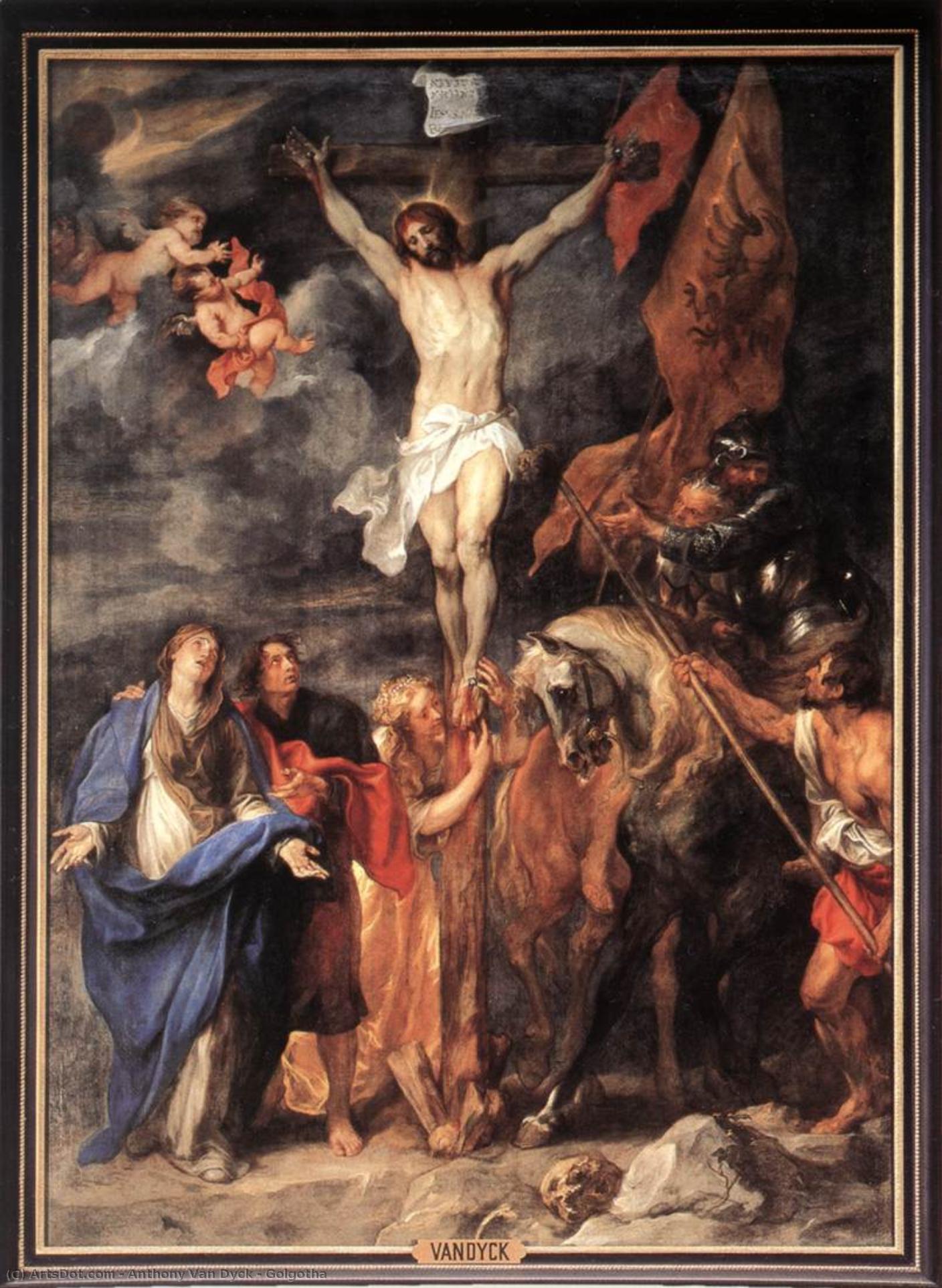
Golgotha


 Tümünü Gör
Çevrimiçi önizlemeden çok daha üstün, yüksek çözünürlüklü ve iyileştirilmiş bir dijital görüntü satın alın.
Her dosya, uzman ekibimiz tarafından gelişmiş araçlar ve titiz manuel rötuş teknikleri kullanılarak özenle hazırlanır. Her görüntünün olağanüstü netliğe, kusursuz renk doğruluğuna ve ince ayrıntılara sahip olduğundan emin oluruz.
Son dosya; profesyonel, editoryal ve baskı süreçlerinde anında kullanıma uygun şekilde optimize edilerek 72 saat içinde e-posta yoluyla teslim edilir. Bu, seçkin tasarım stüdyoları, yayıncılar ve galerilerin güvendiği aynı kalite standartlarındadır.
Dijital Görsel
Kişisel sergileme, baskı ve yaratıcı projeleriniz için yüksek çözünürlüklü bir dosya indirin.
Her Dijital Görüntü Siparişinde Dahil Olanlar
Uzman Dijital Teslimat, Garantili
OriginalUniqueArt.com seçtiğinizde, sadece bir görsel edinmekle kalmaz; titizlikle hazırlanmış, profesyonelce iyileştirilmiş dijital bir sanat eserine sahip olur ve memnuniyet garantisiyle güvence altına alınırsınız. Siparişinizle birlikte otomatik olarak sunulan her şey şunlardır:

Hızlı E-posta ile Teslimat
Yüksek çözünürlüklü dijital görüntü dosyanız, siparişinizin üzerinden en geç 72 saat geçmeden e-posta ile size gönderilecektir; hemen kullanıma hazırdır.

Yapay Zeka İle İyileştirilmiş Dijital Dosya
Sanat eseriniz; maksimum detay, netlik ve renk doğruluğu sağlamak amacıyla gelişmiş yapay zeka araçları ve manuel düzenleme kullanılarak profesyonelce optimize edilmektedir.

Ömür Boyu Ücretsiz Yeniden Gönderim
Dosyanızı yanlışlıkla mı sildiniz yoksa kayıp mı oldu? Endişelenmeyin; dosyanızı dilediğiniz zaman size ücretsiz olarak tekrar göndereceğiz.

Hiçbir Zaman İthalat Ücreti Ödemeyin
Sanat eserinizin tadını gümrük vergisi, harç veya teslimat ücreti ödemeden anında çıkarın; dijital indirmeler her zaman vergiden muaftır.

Renk Doğruluğu Garantisi
Profesyonel araçlar ve renk yönetimi kullanarak dijital görselinizin orijinal renklere mümkün olduğunca yakın yansıtılmasını sağlıyoruz.

60 Günlük Memnuniyet Garantisi
If you're not satisfied with your digital image, we'll revise it or refund 100% within 60 days - no questions asked.

100% Para İadesi Garantisi
Memnun kalmadınız mı? Dijital dosyanızı aldıktan sonraki 60 gün içinde, hiçbir soru sorulmaksızın tam iade alın.

Toplu Sipariş İndirimleri
Buy 3 images, save 10% - Buy 5, save 15% - Buy 10+, save 20%. Great for creative projects, galleries, and agencies.
Koleksiyon Detayları
A Moment Frozen in Sorrow: Analyzing Van Dyck’s ‘Golgotha’
The painting “Golgotha,” attributed to Sir Anthony van Dyck, stands as a testament to the Baroque fascination with dramatic emotion and masterful artistic execution. Completed in 1630, this monumental canvas captures a pivotal scene from Christian scripture – the crucifixion of Jesus Christ – transforming it into an unforgettable visual experience for its audience. More than just a depiction of religious iconography, ‘Golgotha’ embodies the spirit of its era and reveals profound insights into Van Dyck's artistic vision.Composition and Technique: Orchestrating Emotion Through Form
Van Dyck skillfully employs pyramidal composition to draw the viewer’s gaze upwards towards Christ at the apex. This deliberate structuring device isn’t merely aesthetically pleasing; it serves a crucial communicative function, emphasizing Christ’s central importance within the narrative while simultaneously creating a sense of depth and movement across the canvas. The artist’s mastery of oil paint is evident in every brushstroke. Layers upon layers of pigment are blended meticulously to achieve remarkable textural richness and subtle gradations of color—a technique honed during his collaboration with Rubens, where he absorbed lessons in dynamic lighting and expressive handling of form. Notice particularly how Van Dyck utilizes chiaroscuro – the dramatic interplay between light and shadow – to sculpt Christ’s body and illuminate the faces of those observing the crucifixion, amplifying the emotional intensity of the scene.Historical Context: Baroque Drama and Spiritual Reflection
The painting emerged during a period marked by fervent religious fervor and artistic innovation—the High Baroque in Flanders and beyond. Rubens' influence permeated Van Dyck’s oeuvre, fostering an aesthetic sensibility that prioritized grandeur, dynamism, and psychological realism. The depiction of the crucifixion aligns perfectly with the broader Baroque preoccupation with portraying human suffering as a pathway to spiritual enlightenment. It reflects the theological debates surrounding martyrdom and divine grace prevalent at the time, presenting Christ’s agony not merely as physical pain but as a symbol of sacrificial love and redemption.Symbolism: Layers of Meaning Beyond the Visible
‘Golgotha’ is replete with symbolic elements that enrich its narrative significance. The angels hovering above represent divine compassion and foreshadowing salvation, while the Roman soldiers underscore the earthly dimension of Christ's sacrifice—a confrontation between human authority and divine justice. Mary Magdalene’s sorrowful gaze embodies universal grief and underscores the profound emotional impact of witnessing Christ’s death. These figures are rendered with meticulous detail, conveying not only physical likeness but also psychological depth – a hallmark of Baroque portraiture that sought to capture the essence of its subjects.Emotional Resonance: A Window into Spiritual Experience
Ultimately, ‘Golgotha’ succeeds in transporting viewers back to the moment of crucifixion, eliciting feelings of empathy and contemplation. Van Dyck's masterful use of color, light, and texture contributes powerfully to this emotional resonance. The warm hues—reds, browns, and golds—evoke a sense of warmth and solemnity, juxtaposed against the cooler blues of Mary’s drapery and the overcast sky, creating an atmosphere of palpable sorrow. This artwork remains a compelling reminder of the enduring power of art to communicate profound spiritual truths and capture the complexities of human emotion – a legacy that continues to inspire admiration centuries later.Sanatçı Özgeçmişi
A Flemish Master at the Courts of Europe
Sir Anthony van Dyck, born in Antwerp in 1599, emerged as one of the most celebrated and influential portraitists of the Baroque era. His life, though tragically cut short at just forty-two years old, was a whirlwind of artistic exploration and prestigious commissions that took him from his native Flanders to Italy and ultimately to the heart of the English court. From an early age, van Dyck displayed remarkable talent, entering Hendrick van Balen’s workshop as a young apprentice and quickly absorbing the prevailing styles of the time. However, it was his association with Peter Paul Rubens – not merely as a student but as a collaborator – that truly shaped his artistic foundation. He learned from Rubens' dynamic compositions, rich color palettes, and masterful handling of light and shadow, yet van Dyck soon began to forge his own distinct path, one characterized by an elegance and refinement that would become his signature.Italian Sojourns and the Birth of a Style
The years van Dyck spent in Italy, beginning around 1621, proved pivotal in his artistic development. He resided primarily in Genoa, where he found favor among the city’s aristocratic families. It was here that he began to cultivate the sophisticated style for which he would become renowned – a style marked by graceful poses, luxurious fabrics, and an almost palpable sense of nobility. Unlike the robust energy often found in Rubens' work, van Dyck’s Italian portraits exude a refined composure, capturing not just physical likeness but also the inner character and social standing of his sitters. During this period, he embarked on his *Iconography*, a series of meticulously rendered portrait etchings featuring prominent figures of his time – artists, scholars, and rulers alike. This project showcased his exceptional technical skill and established him as a leading printmaker. These etchings weren’t simply records; they were carefully constructed images designed to immortalize the subjects and convey their status and intellect. He also honed his skills in watercolor painting, experimenting with delicate washes of color that complemented his oil paintings beautifully.Rubens' Influence: Shaping His Artistic Vision
Peter Paul Rubens undeniably served as a formative influence on van Dyck’s artistic sensibilities. Rubens’ monumental canvases—filled with dramatic movement and vibrant hues—taught van Dyck the importance of grand scale and expressive gesture. However, recognizing that Rubens’ style wasn’t suited to his own temperament, van Dyck skillfully adapted Rubens' techniques while maintaining his distinctive aesthetic. He embraced a more restrained approach, prioritizing subtlety and nuance – qualities that would become hallmarks of his oeuvre. This careful balance between dynamism and elegance distinguishes van Dyck’s work from many of his contemporaries and underscores the profound impact of Rubens on his artistic development.The King's Painter: Van Dyck in England
In 1632, van Dyck received an invitation that would forever alter his career trajectory – a summons from Charles I of England to become the court painter. This appointment marked a turning point, not only for van Dyck but also for English portraiture. He arrived in London with a considerable reputation and quickly became indispensable to the king, tasked with creating images that projected an aura of power, majesty, and divine right. Van Dyck’s portraits of Charles I are particularly noteworthy; he moved away from the stiff, formal representations favored by earlier artists, instead portraying the king as a dynamic, charismatic leader. He employed innovative techniques – dramatic lighting, sweeping gestures, and carefully chosen backgrounds – to create images that were both visually stunning and politically charged. His influence extended beyond the royal family, shaping the visual culture of the English aristocracy for generations to come. He didn’t just paint portraits; he crafted an image of kingship, influencing how royalty was perceived for over a century.Legacy and Enduring Influence
Van Dyck's untimely death in 1641 tragically curtailed his artistic career, yet his legacy continues to resonate throughout art history. His contributions to portraiture are unparalleled; he elevated the genre to new heights of sophistication and psychological insight. He established a standard of elegance and refinement that subsequent artists would strive to emulate.- Technical Mastery: Van Dyck’s command of oil paint, etching, and watercolor demonstrated an extraordinary level of skill and innovation.
- Stylistic Innovation: His portraits are distinguished by their graceful poses, luxurious fabrics, and subtle expressions—a style that captivated audiences across Europe.
- Cultural Significance: He profoundly impacted the visual culture of his time, shaping perceptions of royalty and aristocratic identity.
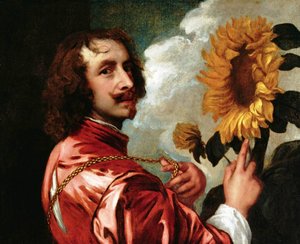
Anthony Van Dyck
1599 - 1641 , Belçika
Kısa Bilgiler
- Artistic Movement Or Style: Barok
- Artists Or Movements Influenced By This Artist: ['İngiliz Portre Okulu']
- Artists Who Influenced This Artist: ['Peter Paul Rubens']
- Date Of Birth: Mart 22, 1599
- Date Of Death: Aralık 9, 1641
- Full Name: Sir Anthony van Dyck
- Nationality: Flamanca
- Notable Artworks:
- Portre Çocuğun ve Kızının
- Charles I Kralı için Atlı Portresi
- John Stuart Lord ve Kardeşi
- Şefkat
- Charles I Üç Pozisyonda
- Place Of Birth: Anvers, Belçika

