Önizle
 Gönder
 Paylaş
 Detaylar
 Rehber

 Dosyayı İndir
 Benzerleri
 X-Işını
 Slayt Gösterisi
 İstatistikler
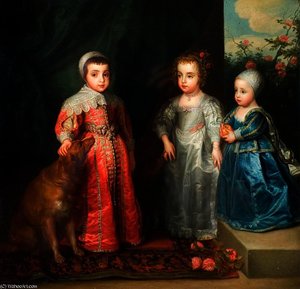
Charles I Çocukları

 Devamını Oku
El Yapımı Yağlı Boya Reproduksiyon
Sanatçılarımız tarafından sipariş üzerine hazırlanan; istediğiniz boyut ve çerçevede, tuval üzerine el boyaması yağlı boya. ( Baskı Satışına Geç Dijital Görsel Satışına Geç)




P118B ₺10

P118H ₺10

P118W ₺10

P438Z ₺10

P508JH ₺12

P508YH ₺12

P805H ₺10

P805Z ₺10

P919BZ ₺10

P919G ₺10

P919XJ ₺10

P959ZH ₺10

P968JZ ₺12

W106C ₺8

W218G ₺10

W218JH ₺8

W218Y ₺10

W307PJ ₺10

W316G ₺10

W316PJ ₺8

W316Y ₺10

W398PJ ₺8

W4111J ₺10

W500HY ₺15

W500JH ₺15

W692G ₺12

W849H ₺8

W940BG ₺15

W953PJ ₺8




Eserin orijinal oranlarıyla uyumlu, önceden belirlenmiş boyutlarımız arasından seçim yapın.

Çerçevenize veya duvarınıza uygun olması için ihtiyacınız olan genişliği ve yüksekliği yazın. Bu eser el boyamasıdır; bu nedenle farklı bir formdaki boyutlar için sanatçı, resmin etrafına biraz daha fazla boya ekleyebilir veya biraz daha kırpabilir — seçim sizin. Boyama işlemi başlamadan önce onaylamanız için size bir dijital taslak gönderiyoruz. Bu sayfada gösterilen resim gerçek sonucu yansıtmamaktadır — gerçek sonucu yalnızca taslak göstermektedir.
Siparişten sonra, OriginalUniqueArt.com ekibi talimatlar için müşteriye e-posta gönderecek ve bir taslak önizleme sunacaktır
Dünya Çapında Teslimat (); standart 5 hafta yerine 3/4 haftada. (26 Ekim). Kaliteden ödün verilmez.

Dünya Çapında Ücretsiz Ekspres Kargo

Yüksek Kaliteli Keten Tuval

Tam Nakliye Sigortası

Gümrük Vergisi İadesi Garantisi

Gerçek Renk Uyumu Garantisi

100 Günlük İade Koşulları (Sadece Üretim Hatalı Ürünler İçin)

%100 Para İade Garantisi

Toplu Alım Avantajı
 Cam seçeneği yalnızca 110 cm altındaki boyutlar için mevcuttur.

Charles I Çocukları
Baskı Tekniği
Baskı Boyutu
-


Toplam Fiyat
₺ 14684
Sir Anthony van Dyck’ın Çocukları Kral Charles I
Van Dyck'ın Çocukları Kral Charles I, İngiliz Kraliyet ailesinin huzurunda yer alan üç çocuğun etkileyici bir portresi olarak sanat tarihine kazınmıştır. Bu eser, sadece kraliyet aile üyelerinin güzelliğini ve ihtişamını yakalamakla kalmayıp aynı zamanda dönemin sosyal ve kültürel atmosferini de gözler önüne sermektedir. Başyapıtın yaratıcısı olan Sir Anthony van Dyck (1599-1641), Flaman Rönesansı'nın en parlak temsilcilerinden biriydi ve Avrupa saraylarına hizmet veren sanatçılardan biri olarak unutulmaz bir iz bırakmıştır.- Konu: Çalışma, İngiliz Kral Charles I ve eşi Mary Stuart’ın çocuklarını göstermektedir. Çocuklar, kraliyet ailesinin birlikteliğini ve genç yaşta aile üyelerinin güzelliğini vurgulayarak etkileyici bir şekilde tasvir edilmiştir.
- Stil: Van Dyck'ın eserleri Klasik Rönesans stilinden etkilenmiş olsa da, özellikle İngiliz saray ortamında kendini göstermiş olduğu için Baroque tarzının karakteristik özelliklerini taşımaktadır. Bu stilin kendine özgü vurgusu ve hareketli kompozisyonları, sanatçının yaratıcılığını ortaya koymaktadır.
- Teknik: Çalışma yağlı boya tekniğiyle yapılmıştır. Van Dyck’ın ustalıkla kullandığı renk paleti ve ışık oyunları, eserin duygusal etkisini güçlendirerek izleyicinin gözlerini cezbedmektedir. Özellikle çocuğun yüz ifadesi ve kıyafet detayları dikkat çekici bir şekilde işlenmiştir.
Histörik Bağlam ve Dönemin İhtişamı
Bu eser, İngiliz Kraliyet ailesinin gücünü ve ihtişamını temsil etmektedir. Aynı zamanda XVII yüzyılın ortalarında Avrupa saray kültürünün yükseliş döneminde yaratılmıştır. Van Dyck’ın eserleri, dönemin aristokrat yaşam tarzını yansıtırken aynı zamanda Rönesans sanatının klasik güzelliğini korumaktadır. Çalışmanın arka planında İngiliz Kral Charles I ve Mary Stuart'ın evlilik yıldönümü bulunmaktadır ve bu özel günün kutlanması için aile üyelerinin portresi çizilmiştir. Bu durum, eserin tarihi önemini daha da vurgulamaktadır.Sembolizm ve İfade Gücü
Çocukların kıyafetleri ve dekorasyonları, dönemin sosyal statüsünü ve zenginliğini simgelemektedir. Özellikle çocukların renkli ve gösterişli kıyafetleri, kraliyet ailesinin gücünü ve ihtişamını vurgulayarak izleyicinin duygularına hitap etmektedir. Çalışmanın genel atmosferi huzurlu ve sıcaktır ancak aynı zamanda kraliyet ailesinin otoritesini ve güvenliğini temsil etmektedir. Van Dyck’ın eserlerinde kullandığı renkler ve ışık oyunları, duygusal yoğunluğu artırarak izleyicinin dikkatini çekmektedir.Günümüz İçin Bir İlham Kaynağı
Van Dyck'ın Çocukları Kral Charles I, günümüzde hala sanat meraklılarının ve koleksiyoncuların beğenisini kazanmaktadır. Bu eser, yüksek kaliteli bir baskısının ev dekorasyonlarına renk katabilir ve özellikle klasik tarzı sevenlerin gözdesi olabilir. Aynı zamanda genç yaşta aile üyelerinin güzelliğini ve birlikteliğini hatırlatan bu çalışma, unutulmaz bir sanat eseridir. OriginalUniqueArt.com’da Van Dyck’ın Çocukları Kral Charles I baskısı ile sanat tarihinin ihtişamını kendi evinizde yaşayabilirsiniz.Soru ve Cevaplar
"Charles I Çocukları" için artırılmış gerçeklik ön izlemesi mevcut mu?
Uyumlu bir cihazda artırılmış gerçekliği kullanarak, eserin AR Önizleme sayfası aracılığıyla Anthony Van Dyck imzalı "Charles I Çocukları" adlı çalışmayı kendi duvarınızda önizleyebilirsiniz.
"Charles I Çocukları" eserinde en çok hangi renk öne çıkıyor?
"Charles I Çocukları" adlı eserde en çok öne çıkan renk Siyah (#0c0906)'dır. Baskın renk, bir sanat eserini iç mekânla eşleştirirken faydalıdır.
"Charles I Çocukları" eserini hangi palet ve baskın renk tanımlıyor?
Anthony Van Dyck imzalı "Charles I Çocukları", baskın rengin Siyah (#0c0906) olduğu Toprak tonları bir palet kullanıyor.
Sanatçı Biyografisi
A Flemish Master at the Courts of Europe
Sir Anthony van Dyck, born in Antwerp in 1599, emerged as one of the most celebrated and influential portraitists of the Baroque era. His life, though tragically cut short at just forty-two years old, was a whirlwind of artistic exploration and prestigious commissions that took him from his native Flanders to Italy and ultimately to the heart of the English court. From an early age, van Dyck displayed remarkable talent, entering Hendrick van Balen’s workshop as a young apprentice and quickly absorbing the prevailing styles of the time. However, it was his association with Peter Paul Rubens – not merely as a student but as a collaborator – that truly shaped his artistic foundation. He learned from Rubens' dynamic compositions, rich color palettes, and masterful handling of light and shadow, yet van Dyck soon began to forge his own distinct path, one characterized by an elegance and refinement that would become his signature.Italian Sojourns and the Birth of a Style
The years van Dyck spent in Italy, beginning around 1621, proved pivotal in his artistic development. He resided primarily in Genoa, where he found favor among the city’s aristocratic families. It was here that he began to cultivate the sophisticated style for which he would become renowned – a style marked by graceful poses, luxurious fabrics, and an almost palpable sense of nobility. Unlike the robust energy often found in Rubens' work, van Dyck’s Italian portraits exude a refined composure, capturing not just physical likeness but also the inner character and social standing of his sitters. During this period, he embarked on his *Iconography*, a series of meticulously rendered portrait etchings featuring prominent figures of his time – artists, scholars, and rulers alike. This project showcased his exceptional technical skill and established him as a leading printmaker. These etchings weren’t simply records; they were carefully constructed images designed to immortalize the subjects and convey their status and intellect. He also honed his skills in watercolor painting, experimenting with delicate washes of color that complemented his oil paintings beautifully.Rubens' Influence: Shaping His Artistic Vision
Peter Paul Rubens undeniably served as a formative influence on van Dyck’s artistic sensibilities. Rubens’ monumental canvases—filled with dramatic movement and vibrant hues—taught van Dyck the importance of grand scale and expressive gesture. However, recognizing that Rubens’ style wasn’t suited to his own temperament, van Dyck skillfully adapted Rubens' techniques while maintaining his distinctive aesthetic. He embraced a more restrained approach, prioritizing subtlety and nuance – qualities that would become hallmarks of his oeuvre. This careful balance between dynamism and elegance distinguishes van Dyck’s work from many of his contemporaries and underscores the profound impact of Rubens on his artistic development.The King's Painter: Van Dyck in England
In 1632, van Dyck received an invitation that would forever alter his career trajectory – a summons from Charles I of England to become the court painter. This appointment marked a turning point, not only for van Dyck but also for English portraiture. He arrived in London with a considerable reputation and quickly became indispensable to the king, tasked with creating images that projected an aura of power, majesty, and divine right. Van Dyck’s portraits of Charles I are particularly noteworthy; he moved away from the stiff, formal representations favored by earlier artists, instead portraying the king as a dynamic, charismatic leader. He employed innovative techniques – dramatic lighting, sweeping gestures, and carefully chosen backgrounds – to create images that were both visually stunning and politically charged. His influence extended beyond the royal family, shaping the visual culture of the English aristocracy for generations to come. He didn’t just paint portraits; he crafted an image of kingship, influencing how royalty was perceived for over a century.Legacy and Enduring Influence
Van Dyck's untimely death in 1641 tragically curtailed his artistic career, yet his legacy continues to resonate throughout art history. His contributions to portraiture are unparalleled; he elevated the genre to new heights of sophistication and psychological insight. He established a standard of elegance and refinement that subsequent artists would strive to emulate.- Technical Mastery: Van Dyck’s command of oil paint, etching, and watercolor demonstrated an extraordinary level of skill and innovation.
- Stylistic Innovation: His portraits are distinguished by their graceful poses, luxurious fabrics, and subtle expressions—a style that captivated audiences across Europe.
- Cultural Significance: He profoundly impacted the visual culture of his time, shaping perceptions of royalty and aristocratic identity.

Anthony Van Dyck
1599 - 1641 , Belçika
Kısa Bilgiler
- Artistic Movement Or Style: Barok
- Artists Or Movements Influenced By This Artist: ['İngiliz Portre Okulu']
- Artists Who Influenced This Artist: ['Peter Paul Rubens']
- Date Of Birth: Mart 22, 1599
- Date Of Death: Aralık 9, 1641
- Full Name: Sir Anthony van Dyck
- Nationality: Flamanca
- Notable Artworks:
- Portre Çocuğun ve Kızının
- Charles I Kralı için Atlı Portresi
- John Stuart Lord ve Kardeşi
- Şefkat
- Charles I Üç Pozisyonda
- Place Of Birth: Anvers, Belçika
İlgili Yazılar

Sir Anthony van Dyck: Courtly Portraiture & the Shaping of Baroque Identity
Explore the life & legacy of Sir Anthony van Dyck, the leading court painter of his era. Discover his innovative portraiture, Baroque masterpieces, and investment potential for discerning collectors. Learn more at OriginalUniqueArt.

Dutch Baroque Masters: 10 Paintings That Shaped an Era | OriginalUniqueArt
Journey through the Golden Age with our guide to the Top 10 Dutch Baroque masterpieces! Explore iconic paintings by Rembrandt, Vermeer & Frans Hals. Find museum-quality art reproductions and elevate your home decor at OriginalUniqueArt.com.

Chiaroscuro and Character: A Definitive Guide to Light and Shadow in the Dutch Baroque Era
Explore the dramatic mastery of the Dutch Baroque era. Discover how masters like Rembrandt used chiaroscuro to transform everyday life into timeless art. An expert guide for collectors and enthusiasts seeking to understand the profound interplay of light and shadow.
Cornelis van Poelenburch: Bridging Mannerism & the Dutch Baroque Landscape
Discover Cornelis van Poelenburch, a pivotal Dutch Baroque landscape painter bridging Mannerism & Italianate styles. Explore his life, key works, and lasting influence on 17th-century art with OriginalUniqueArt.

Rembrandt'ın En Ünlü 25 Eseri: Sanat Tarihine Işık Tutan Başyapıtlar
Rembrandt'ın en ünlü 25 eserini keşfedin! Hollanda Altın Çağı'nın bu Barok dehasının ışık ve gölge oyunlarıyla dolu portreleri, tarihi resimleri sizi büyüleyecek. Sanat baskıları ve ev dekorasyonu için OriginalUniqueArt.com'da Rembrandt koleksiyonunu inceleyin.