Önizle
 Gönder
 Paylaş
 Detaylar
 Rehber

 Dosyayı İndir
 Benzerleri
 X-Işını
 Slayt Gösterisi
 İstatistikler
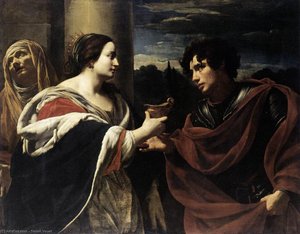
The Entombment
 Oil On Canvas
- WallArt
- Baroque Painting
 1638
1638 57.0 x 42.0 cm
 Fitzwilliam Koleji
 Devamını Oku
Giclée / Sanat Baskısı
Hızlı üretim ve esnek bitiş seçenekleriyle müze kalitesinde giclée veya kanvas baskı. ( El Yapımı Tablo Satın Al Dijital Görsel Satışına Geç)




P118B ₺10

P118H ₺10

P118W ₺10

P438Z ₺10

P508JH ₺12

P508YH ₺12

P805H ₺10

P805Z ₺10

P919BZ ₺10

P919G ₺10

P919XJ ₺10

P959ZH ₺10

P968JZ ₺12

W106C ₺8

W218G ₺10

W218JH ₺8

W218Y ₺10

W307PJ ₺10

W316G ₺10

W316PJ ₺8

W316Y ₺10

W398PJ ₺8

W4111J ₺10

W500HY ₺15

W500JH ₺15

W692G ₺12

W849H ₺8

W940BG ₺15

W953PJ ₺8




Eserin orijinal oranlarıyla uyumlu, önceden belirlenmiş boyutlarımız arasından seçim yapın.

Çerçevenize veya duvarınıza uygun olması için ihtiyacınız olan genişlik ve yüksekliği yazın. Bir baskı yalnızca kesilebilir, görselden daha büyük hale getirilemez; bu nedenle farklı bir formdaki boyut seçimi, görselin bir kısmının kaybına neden olur. Herhangi bir baskı yapmadan önce onaylamanız için size bir dijital taslak gönderiyoruz. Bu sayfada gösterilen resim gerçek kesimi göstermez — bunu yalnızca taslak gösterir.
Dünya Çapında Teslimat (); standart 4/5 hafta yerine 2 haftada. (23 Ekim)

Dünya Çapında Ücretsiz Ekspres Kargo

Yüksek Kaliteli Keten Tuval

Tam Nakliye Sigortası

Gümrük Vergisi İadesi Garantisi

Gerçek Renk Uyumu Garantisi

100 Günlük İade Koşulları (Sadece Üretim Hatalı Ürünler İçin)

%100 Para İade Garantisi

Toplu Alım Avantajı
 Cam seçeneği yalnızca 110 cm altındaki boyutlar için mevcuttur.

The Entombment
Giclée / Sanat Baskısı
Baskı Boyutu
-


Toplam Fiyat
₺ 3909
The Weight of Sorrow: Simon Vouet’s “The Entombment”
Simon Vouet's "The Entombment," painted in 1635–1638, is not merely a depiction of a biblical scene; it’s an exquisitely rendered meditation on grief, faith, and the profound dignity of sacrifice. This monumental work, currently residing within the collection of the Fitzwilliam Museum in Cambridge, transcends its subject matter to become a powerful testament to the Baroque era's ability to evoke intense emotion through masterful technique and carefully considered symbolism. Vouet, a pivotal figure in bridging the gap between Mannerism and the burgeoning Baroque style in France, imbued this piece with the dramatic lighting and emotional depth that would define his career.
The painting immediately draws the viewer into a scene of palpable sorrow. Jesus Christ, recently taken from the cross, lies supine within a richly appointed tomb – a bed draped in luxurious fabrics, its details suggesting both earthly comfort and impending finality. The figures surrounding him are rendered with an almost sculptural quality, their bodies conveying a range of emotions: Mary Magdalene, her face etched with anguish, gently lays her head upon Christ’s chest; John the Evangelist kneels in prayer, his posture reflecting deep contemplation; while other mourners – including soldiers and attendants – stand as witnesses to this solemn event. Vouet's skill lies not just in capturing individual likenesses but in conveying the collective weight of grief that permeates the scene.
A Masterclass in Baroque Technique
Vouet’s mastery of technique is evident in every brushstroke. He employed a layered approach, building up the image through numerous glazes – a hallmark of his style and one that contributes to the painting's luminous quality. The use of *chiaroscuro*, or dramatic contrasts between light and shadow, is particularly striking. The soft, diffused light emanating from an unseen source illuminates Christ’s body and the faces of the mourners, while plunging the tomb into a deeper darkness, symbolizing death and the unknown. This interplay of light and shadow not only creates a sense of drama but also directs the viewer's eye to the most important elements of the composition.
Furthermore, Vouet’s attention to detail is remarkable. The textures of the fabrics – the velvet, linen, and wool – are rendered with astonishing realism, as are the folds of Christ’s garments and the expressions on the faces of the figures. The artist's meticulous observation of anatomy and drapery reflects his extensive training in Italy, where he had spent much of his early career studying the works of masters like Titian and Veronese. The composition itself is carefully balanced, with a clear sense of depth and perspective that draws the viewer into the scene.
Symbolism and Spiritual Resonance
Beyond its technical brilliance, “The Entombment” is rich in symbolic meaning. The tomb itself represents not just death but also resurrection – the promise of eternal life offered through Christ’s sacrifice. The presence of Mary Magdalene, traditionally depicted as a repentant sinner, underscores the theme of redemption and forgiveness. The soldiers guarding the tomb symbolize earthly authority and the limitations of human power to prevent divine destiny. The bird perched atop the tomb, often interpreted as an angel or dove, represents hope and the arrival of the Holy Spirit.
Moreover, the painting’s emotional intensity speaks to a broader spiritual concern – the universality of suffering and the importance of compassion. Vouet's depiction of grief is not merely sentimental; it is profoundly moving, inviting viewers to contemplate their own experiences of loss and mortality. The scene resonates with the viewer on a deeply human level, reminding us of the enduring power of faith and the significance of acts of kindness and empathy.
A Legacy of Elegance and Emotion
“The Entombment” stands as a quintessential example of Baroque art – a fusion of technical virtuosity, dramatic emotion, and profound symbolism. Simon Vouet’s ability to capture both the physical beauty of his subjects and the depth of their emotional experience is truly remarkable. Reproductions of this masterpiece offer an opportunity to bring its elegance and spiritual resonance into any setting, serving as a poignant reminder of humanity's shared journey through life and death.
Soru ve Cevaplar
"The Entombment", Simon Vouet’in sıkça işlediği konular arasında nerede duruyor?
Simon Vouet'in yinelenen temaları italian baroque, mannerist influence, religious devotion, christian narrative, royal patronage, courtly commissions, emotional intensity, dramatic scenes içerir; "The Entombment" ise christianity, entombment, jesus, mary magdalene, angels, burial, renaissance, baroque üzerine odaklanır.
Simon Vouet imzalı "The Entombment" sanatçının kendi ülkesinde mi bulunuyor?
Hayır - sanat eseri yurt dışında bulunmaktadır. Simon Vouet, Fransa doğumludur ve orijinal "The Entombment" adlı eser United Kingdom bünyesindeki bir müzede bulunmaktadır.
"The Entombment" eserinin 1638 tarihli olması, Simon Vouet'in kariyerinin hangi dönemine denk gelmektedir?
1638 yılında yaratılan "The Entombment", Simon Vouet kariyerinin Mature Period dönemine aittir.
Sanatçı Biyografisi
Simon Vouet: Fransız Barok Resminin Öncüsü
- Doğum: 9 Ocak 1590, Paris, Fransa
- Vefat: 30 Haziran 1649, Paris, Fransa
Simon Vouet, Fransız resminin Maniyerizm'den Barok tarzına geçişindeki kilit bir figürdü. Sanatçı bir ailede doğdu; babası Laurent ressamdı ve erkek kardeşi Aubin de sanata yönelmişti. Vouet, gelecekteki başarısının temelini atan erken eğitim aldı. Torunu Ludovico Dorigny ise ailenin sanatsal mirasını sürdürecekti.
Erken Kariyeri ve İtalyan Etkileri (1608-1627)
- Erken Portre Çalışmaları: Vouet, kariyerine bir portre sanatçısı olarak başlayarak erken yeteneğini gösterdi.
- İngiltere Seyahati (1608): Henüz 14 yaşındayken, gelişmekte olan şöhretini sergilemek amacıyla sipariş üzerine bir portre resmini yapmak için İngiltere'ye seyahat etti.
- Osmanlı İmparatorluğu ve Venedik: 1611'de Vouet, yine portre çalışmaları için Fransız elçisi Baron de Sancy'nin heyetine katıldı. Bu yolculuk onu önce Konstantinopolis'ten sonra 1612'de Venedik'e götürdü.
- Roma (1614-1627): Roma'daki zamanı dönüştürücü oldu. On üç yıl orada kalarak, yükselen Barok döneminin canlı sanatsal atmosferine kendini kaptırdı.
İtalyan konaklaması sırasında Vouet, çeşitli etkileri özümsedi. Caravaggio tarafından öncülük edilen dramatik ışıklandırma tekniklerini inceledi, İtalyan Maniyerizmi unsurlarını benimsedi ve Paolo Veronese'nin kullandığı renk paletlerini ve di sotto in su (perspektif) tekniğini titizlikle analiz etti. Ayrıca Carracci, Guercino, Lanfranco ve Guido Reni'nin eserlerinden de ilham alarak bu çeşitli stilleri eşsiz bir sanatsal vizyonda sentezledi.
Vouet’nin Özgün Tarzının Gelişimi
- Accademia di San Luca'ya Seçilmesi (1624): Roma'daki başarısı, onun prestijli Accademia di San Luca başkanlığına seçilmesiyle taçlandı; bu durum İtalyan sanat dünyasındaki becerisinin ve tanınırlığının bir kanıtıydı.
- Etkilerin Sentezi: Vouet'nin tarzı, çeşitli sanatsal etkileri özümseme ve damıtma yeteneğiyle karakterizeydi. Sadece kopyalamadı; bu unsurları tutarlı ve belirgin bir şekilde İtalyan Barok estetiğine entegre etti.
- Barok'un Fransa'ya Tanıtılması: 1627'de Fransa'ya döndüğünde, Vouet İtalyan Barok stilini Fransız resmine taşıma konusunda kritik bir rol oynayarak ülkenin sanatsal manzarasını önemli ölçüde etkiledi.
Başlıca Başarıları ve Mirası
- Premier Peintre du Roi: Vouet, Premier peintre du Roi (Kral'ın Birinci Ressamı) olarak atandı; bu, büyük bir prestij ve etki sahibi bir makamdı.
- Verimli Atölye: Büyük ve aktif bir atölye sürdürdü; sonraki nesil Fransız ressamlarını şekillendirecek çok sayıda sanatçı yetiştirdi.
- Önemli Öğrencileri: En etkili öğrencilerinden bazıları Charles Le Brun (daha sonra Versailles'taki tüm dekoratif resimden sorumlu oldu), Valentin de Boulogne, Charles Alphonse du Fresnoy, Pierre Mignard, Eustache Le Sueur ve Claude Mellan idi.
- Fransız Sanatına Etkisi: Vouet'nin etkisi kendi eserleriyle sınırlı kalmadı; öğrencileri onun tarzını ve tekniklerini tüm Fransa'ya taşıyarak belirgin bir şekilde Barok resim okulu kurdu. Onun etkisi, özellikle Louis XIV tarafından sipariş edilen görkemli dekoratif düzenlemelerde açıkça görülmektedir.
Tarihsel Önemi
Simon Vouet'nin mirası, İtalyan ve Fransız sanatı arasındaki köprüdeki kilit rolüne dayanır. İtalyan Barok'un dinamizmini ve ihtişamını başarıyla ithal ederek, onu Fransız sarayının ve aristokrasisinin zevkleriyle yankı uyandıran bir stile dönüştürdü. Onun etkisi, 17. yüzyılda Fransız resminin gelişiminde yadsınamazdır ve katkıları bugün hala sanat tarihçileri tarafından takdir edilmektedir.

Simon Vouet
1590 - 1649 , Fransa
Kısa Bilgiler
- Artistic Movement Or Style: Barok resim
- Artists Or Movements Influenced By This Artist:
- Charles Le Brun
- Valentin de Boulogne
- Fransız Barok resmi
- Artists Who Influenced This Artist:
- Caravaggio
- Paolo Veronese
- Carracci
- Guercino
- Lanfranco
- Guido Reni
- Date Of Birth: 9 Ocak, 1590
- Date Of Death: 30 Haziran, 1649
- Full Name: Simon Vouet
- Nationality: Fransız
- Place Of Birth: Paris, Fransa
İlgili Yazılar

The Dramatic Flourish: Exploring the Baroque Movement's Enduring Legacy in Art History
Explore the dramatic world of Baroque art! Discover iconic artists like Caravaggio & Rubens, defining techniques, and its lasting impact on art history. Expert insights for collectors & enthusiasts at OriginalUniqueArt.

Simon Vouet: A Baroque Master's Journey from Italian Influence to French Classicism
Explore the life & art of Simon Vouet, a pivotal French Baroque painter who introduced Italian styles to France. Discover his masterpieces and lasting influence on 17th-century art.

Barok Draması: Çağdaş İç Mekanlara Görkem ve Duygu Katmak
Barok sanatının görkemini evinize taşıyın! OriginalUniqueArt'ta el yapımı tablolar, uzman sanat danışmanlığı ve özel siparişlerle iç mekanlarınıza zarafet katıyoruz. Chiaroscuro tekniğiyle hayat bulan eserlerimizi keşfedin.

The Visceral Stage: Exploring Dramatic Narratives & Emotional Intensity in Baroque Art
Explore the dramatic world of Baroque art! Discover iconic masters like Caravaggio & Rembrandt, their techniques, and the movement's lasting impact. Expert insights for collectors & enthusiasts at OriginalUniqueArt.

Barok Sanatın Zirveleri: Evinizi Büyüleyecek 10 Eser ve Hikayeleri
Barok sanatın en etkileyici 10 başyapıtını keşfedin! Caravaggio, Rembrandt ve daha fazlasının eserleriyle evinizi dönüştürün. Sanat tarihi, renkler ve duygularla dolu bu yolculukta OriginalUniqueArt.com'da müze kalitesinde replikalar bulun. Koleksiyonu çevrimiçi inceleyin!