

 Önizle
 Gönder
 Paylaş
 Detaylar
 Rehber

 Dosyayı İndir
 Benzerleri
 X-Işını
 Slayt Gösterisi
 İstatistikler
Grass and Insects


 Devamını Oku
El Yapımı Yağlı Boya Reproduksiyon
Sanatçılarımız tarafından sipariş üzerine hazırlanan; istediğiniz boyut ve çerçevede, tuval üzerine el boyaması yağlı boya. ( Baskı Satışına Geç Dijital Görsel Satışına Geç)




P118B ₺10

P118H ₺10

P118W ₺10

P438Z ₺10

P508JH ₺12

P508YH ₺12

P805H ₺10

P805Z ₺10

P919BZ ₺10

P919G ₺10

P919XJ ₺10

P959ZH ₺10

P968JZ ₺12

W106C ₺8

W218G ₺10

W218JH ₺8

W218Y ₺10

W307PJ ₺10

W316G ₺10

W316PJ ₺8

W316Y ₺10

W398PJ ₺8

W4111J ₺10

W500HY ₺15

W500JH ₺15

W692G ₺12

W849H ₺8

W940BG ₺15

W953PJ ₺8




Eserin orijinal oranlarıyla uyumlu, önceden belirlenmiş boyutlarımız arasından seçim yapın.

Çerçevenize veya duvarınıza uygun olması için ihtiyacınız olan genişliği ve yüksekliği yazın. Bu eser el boyamasıdır; bu nedenle farklı bir formdaki boyutlar için sanatçı, resmin etrafına biraz daha fazla boya ekleyebilir veya biraz daha kırpabilir — seçim sizin. Boyama işlemi başlamadan önce onaylamanız için size bir dijital taslak gönderiyoruz. Bu sayfada gösterilen resim gerçek sonucu yansıtmamaktadır — gerçek sonucu yalnızca taslak göstermektedir.
Siparişten sonra, OriginalUniqueArt.com ekibi talimatlar için müşteriye e-posta gönderecek ve bir taslak önizleme sunacaktır
Dünya Çapında Teslimat (); standart 5 hafta yerine 3/4 haftada. (25 Ekim). Kaliteden ödün verilmez.

Dünya Çapında Ücretsiz Ekspres Kargo

Yüksek Kaliteli Keten Tuval

Tam Nakliye Sigortası

Gümrük Vergisi İadesi Garantisi

Gerçek Renk Uyumu Garantisi

100 Günlük İade Koşulları (Sadece Üretim Hatalı Ürünler İçin)

%100 Para İade Garantisi

Toplu Alım Avantajı
 Cam seçeneği yalnızca 110 cm altındaki boyutlar için mevcuttur.

Grass and Insects
Baskı Tekniği
Baskı Boyutu
-


Toplam Fiyat
₺ 14673
Shin Saimdang’s “Grass and Insects”: A Symphony of Color and Quiet Observation
Shin Saimdang (1504–1551), a trailblazing female artist in Joseon dynasty Korea, stands as an emblem of intellectual curiosity and artistic prowess—a woman who defied societal constraints to pursue her passions for poetry, calligraphy, and painting. Her legacy resides not merely in the exquisite beauty of her artwork but also in its profound reflection of the era’s cultural values and philosophical ideals. This examination delves into “Grass and Insects,” one of her most celebrated panels from a monumental ten-panel folding screen—a masterpiece that encapsulates Saimdang's distinctive artistic vision and offers invaluable insight into Korean art history.A Window Into Joseon Aesthetic Principles
“Grass and Insects” exemplifies the dominant aesthetic sensibilities of the late 16th century, characterized by meticulous detail, harmonious color palettes, and a reverence for nature’s subtle grandeur. The screen embodies Neo-Confucian ideals—a belief system that prioritized moral cultivation alongside intellectual pursuits—reflected in Saimdang's careful composition and her masterful execution of brushstrokes. Unlike Western art traditions focused on dramatic narratives or idealized figures, Korean painting during this period favored contemplative scenes depicting landscapes and flora, intended to inspire serenity and contemplation. The screen’s overall design adheres to the principles of “Yonghwa,” meaning “harmonious beauty”—a concept central to Joseon artistic philosophy that sought to achieve balance between form and content.Technique and Material Considerations
Saimdang employed a technique rooted in meticulous observation and painstaking layering—a hallmark of Korean painting at the time. Using mineral pigments mixed with animal glue, she achieved remarkable luminosity and vibrancy, capturing the delicate textures of grass blades and the iridescent sheen of insects’ wings. The screen's surface is covered with thin layers of lacquer, providing protection while enhancing the colors and creating a tactile experience for the viewer. Furthermore, Saimdang skillfully utilized “Ma,” or negative space—a technique that deliberately leaves areas unfilled to create visual balance and emphasize the subject matter—demonstrating an understanding of compositional principles that transcended mere representation. The careful blending of pigments and meticulous brushwork contribute to the screen’s enduring beauty and artistic significance.Symbolism: Echoes of Confucian Thought
Beyond its technical brilliance, “Grass and Insects” resonates with deeper symbolic meanings rooted in Confucian cosmology—a worldview that viewed humanity as intrinsically linked to the natural world. The depiction of various insects—including beetles, dragonflies, cicadas, and moths—represents transformation and renewal—themes central to Confucian teachings concerning reincarnation and moral progress. Similarly, the inclusion of flowers like hibiscus, poppies, and lilies symbolizes purity and virtue—values upheld by Joseon society as markers of moral excellence. The meticulous rendering of grass blades underscores the importance of simplicity and humility—qualities considered essential for achieving inner harmony and cultivating compassion.Emotional Resonance: A Moment Frozen in Time
“Grass and Insects” transcends mere visual representation; it evokes a profound emotional response—a feeling of tranquility and appreciation for the beauty of the natural world. The screen’s muted color palette—dominated by greens, blues, and reds—creates an atmosphere of serenity and contemplation—inviting viewers to pause and reflect on the passage of time. Saimdang's masterful brushwork conveys a sense of quiet observation—capturing not just what is seen but also what is felt—a testament to her artistic sensitivity and her ability to communicate complex ideas through subtle visual cues. Viewing this artwork inspires contemplation about the interconnectedness of humanity and nature, reminding us of the enduring power of art to elevate our spirits and enrich our understanding of the human experience.Concluding Remarks: An Artistic Legacy Enduring Through Centuries
Shin Saimdang’s “Grass and Insects” remains a cornerstone of Korean art history—a testament to her artistic genius and her unwavering commitment to intellectual pursuits. Its harmonious composition, masterful technique, and evocative symbolism continue to captivate audiences today—serving as an enduring reminder of Joseon dynasty Korea's aesthetic ideals and its profound appreciation for the natural world. The screen’s legacy extends beyond its visual splendor; it embodies a spirit of contemplation and moral cultivation—values that resonate powerfully across cultures and generations—solidifying Saimdang’s place as one of Korea’s most celebrated artists and an inspiration to aspiring creatives everywhere.Soru ve Cevaplar
Shin Saimdang imzalı "Grass and Insects" ne kadar tanınıyor?
Shin Saimdang imzalı "Grass and Insects" için kaydedilen popülerlik seviyesi Recognized'dir.
Shin Saimdang imzalı "Grass and Insects" hangi yılda yapıldı?
Shin Saimdang imzalı "Grass and Insects", 1500 yılında yaratılmıştır.
Shin Saimdang imzalı "Grass and Insects" eserinin görüntüsü serbestçe çoğaltılabilir mi?
Shin Saimdang imzalı "Grass and Insects", kamu malıdır - telif hakkı süresi dolmuştur statüsündedir. Bu durum, eserin görüntüsünün nasıl çoğaltılabileceğini belirler.
Sanatçı Biyografisi
Joseon Hanedanlığı Kore'sinde Öncü Bir Kadın Sanatçı
Shin Saimdang, Güney Kore'nin çok yönlü bir sanatçısı olarak Joseon döneminde yaşamış ve Kore sanat tarihine silinmez bir iz bırakmıştır. 29 Ekim 1504 tarihinde Gangwon eyaletinin Gangneung kentinde dünyaya gelen sanatçı, yalnızca bir ressam değil, aynı zamanda bir yazar, hat sanatçısı ve şairdi.İlk Yıllar ve Sanatsel Başlangıçlar
Shin Saimdang'ın sanatsal yetenekleri çok küçük yaşlarda kendini göstermeye başlamıştı. Henüz yedi yaşındayken, bir diğer önemli Koreli sanatçı olan An Gyeon'un resim tarzını taklit ediyordu. Anne tarafının evi olan ve doğduğu yer olan Ojukheon, günümüze kadar çok iyi korunmuş bir şekilde ulaşmıştır.Sanatsal Katkılar ve Üslup
İnce fırça darbeleri ve canlı renklerle karakterize edilen Shin Saimdang'ın resimleri, on panelli bir katlanır paravanın parçasıdır. Otlar ve Böcekler gibi eserleri; karpuzlar, patlıcanlar, gelincikler, hibiskuslar ve çeşitli böcekleri içeren zengin bir konu yelpazesine sahiptir. Bu tablolar, sanatseverlere ilham vermeye devam ettiği Kore Ulusal Müzesi'nde (Seul, Güney Kore) görülebilir.- Shin Saimdang'ın eserlerini OriginalUniqueArt üzerinde inceleyin: https://OriginalUniqueArt.com/@/shin-saimdang
- Kore Ulusal Müzesi koleksiyonunu keşfedin: /en/art/show/national-museum-of-korea-seoul/
- Joseon Hanedanlığı sanat akımı hakkında daha fazlasını öğrenin: Joseon Hanedanlığı sanat akımı
Miras ve Etki
Shin Saimdang'ın mirası, eserlerinin çok ötesine uzanır; kendisi aynı zamanda Joseon Hanedanlığı'nın ünlü bilgin ve siyasetçisi Yi I'nin annesi olarak da tanınır. Yaşamı ve çalışmaları, Joseon dönemindeki Kore sanatının özünü somutlaştırarak pek çok kişi için bir ilham kaynağı olmaya devam etmektedir. Shin Saimdang'ın başlıca eserleri:- Otlar ve Böcekler (Kore Ulusal Müzesi, Seul, Güney Kore)
- İnce fırça darbeleri ve net, canlı renklerin öne çıktığı, on panelli bir katlanır paravanın parçası olan diğer önemli çalışmaları.
- An Gyeon, erken Joseon döneminin bir diğer önemli Koreli ressamı.

Shin Saimdang
1504 - 1551 , Güney Kore
Kısa Bilgiler
- Artistic Movement Or Style: Joseon Hanedanlığı Sanatı
- Artists Or Movements Influenced By This Artist: Joseon Hanedanlığı Sanatı
- Artists Who Influenced This Artist: An Gyeon
- Date Of Birth: 29 Ekim 1504
- Date Of Death: 1551
- Full Name: Shin Saimdang
- Nationality: Koreli
- Notable Artworks: ['Otlar ve Böcekler']
- Place Of Birth: Gangneung, Güney Kore
İlgili Yazılar
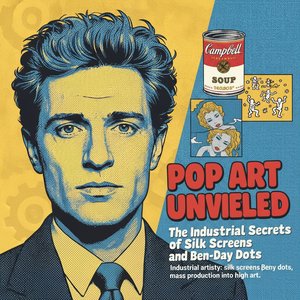
Pop Art Unveiled: The Industrial Secrets of Silk Screens and Ben-Day Dots
Explore the industrial artistry of Pop Art. Delve into the sophisticated history of Ben-Day dots and silk screen techniques that transformed mass media into high art, perfect for discerning collectors seeking deep historical insight and aesthetic excellence.
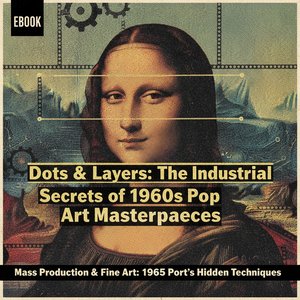
Dots & Screens: The Industrial Secrets Behind 1960s Pop Art Masterpieces
Explore the industrial secrets of 1960s Pop Art. Discover how Ben-Day dots and silk screening transformed mass media into masterpieces by Roy Lichtenstein. An in-depth look at the intersection of mechanical printing and fine art history for students and collectors.

Beyond the Screen: Transforming Personal Memories into Timeless AI-Driven Anime Masterpieces
Experience the magic of digital metamorphosis. Transform your cherished photos into stunning, hand-painted anime masterpieces using our proprietary AI technology and professional artists. Elevate your personal story with a timeless, high-quality oil painting on canvas.
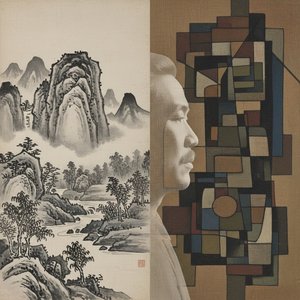
Yi Eungro: Bridging East & West in the Landscape of Korean Modernism
Explore the captivating world of Yi Eungro (Lee Ungno), a pivotal figure in Korean modernism. Discover his unique fusion of Eastern and Western artistic traditions, abstract masterpieces, and lasting legacy. A must-read for discerning art collectors.
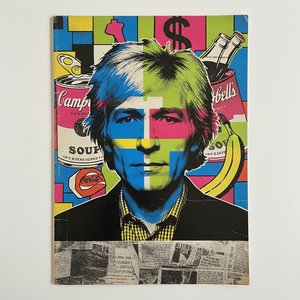
Andy Warhol: Deconstructing Pop Culture & Redefining Artistic Expression
Explore the revolutionary art of Andy Warhol & the Pop Art movement. Discover his iconic techniques, cultural impact, and investment potential. A guide for discerning collectors.