

 Önizle
 Gönder
 Paylaş
 Detaylar
 Rehber

 Dosyayı İndir
 Benzerleri
 X-Işını
 Slayt Gösterisi
 İstatistikler
Draupadi’s Vow


 Devamını Oku
Bu sayfada sergilenen eser telif hakkı yasasıyla korunmaktadır; bu da yasal olarak eserin birebir kopyasını oluşturamayacağımız veya satamayacağımız anlamına gelir. Bu koruma, aşağıdakiler gibi uluslararası anlaşmalar kapsamında uygulanmaktadır: Bern Sözleşmesi ve aşağıdakiler de dahil olmak üzere ulusal yasalarca belirlenen ABD Telif Hakkı Kanunu - 17. Başlık.
Saygılı ve yasal bir alternatif olarak, orijinalinden ilham alan, kişiye özel, el boyaması sanat eserleri sunuyoruz. Deneyimli ve profesyonel sanatçılarımız, aynı duyguyu uyandıran yeni ve benzersiz bir eser yaratmak için orijinalin stilini, ruhunu ve sanatsal özünü titizlikle inceler; üstelik bu eser, kendi başına özgün bir üretim olarak kalır.
Bu yöntem, koruma altındaki sanat eserinin kopyalanmasını veya çoğaltılmasını içermediği için telif hakkı düzenlemelerine tam uyum sağlar. Bunun yerine, yaratıcı bir yeniden yorumlamadır; orijinalinden etkilenen ancak onunla aynı olmayan yeni bir tablodur.
El Yapımı Yağlı Boya Reproduksiyon
Sanatçılarımız tarafından sipariş üzerine hazırlanan; istediğiniz boyut ve çerçevede, tuval üzerine el boyaması yağlı boya. ( Baskı Satışına Geç Dijital Görsel Satışına Geç)




































Eserin orijinal oranlarıyla uyumlu, önceden belirlenmiş boyutlarımız arasından seçim yapın.

Çerçevenize veya duvarınıza uygun olması için ihtiyacınız olan genişliği ve yüksekliği yazın. Bu eser el boyamasıdır; bu nedenle farklı bir formdaki boyutlar için sanatçı, resmin etrafına biraz daha fazla boya ekleyebilir veya biraz daha kırpabilir — seçim sizin. Boyama işlemi başlamadan önce onaylamanız için size bir dijital taslak gönderiyoruz. Bu sayfada gösterilen resim gerçek sonucu yansıtmamaktadır — gerçek sonucu yalnızca taslak göstermektedir.
Siparişten sonra, OriginalUniqueArt.com ekibi talimatlar için müşteriye e-posta gönderecek ve bir taslak önizleme sunacaktır
Dünya Çapında Teslimat (); standart 5 hafta yerine 3/4 haftada. (24 Ekim). Kaliteden ödün verilmez.

Dünya Çapında Ücretsiz Ekspres Kargo

Yüksek Kaliteli Keten Tuval

Tam Nakliye Sigortası

Gümrük Vergisi İadesi Garantisi

Gerçek Renk Uyumu Garantisi

100 Günlük İade Koşulları (Sadece Üretim Hatalı Ürünler İçin)

%100 Para İade Garantisi

Toplu Alım Avantajı
 Cam seçeneği yalnızca 110 cm altındaki boyutlar için mevcuttur.

Draupadi’s Vow
Baskı Tekniği
Baskı Boyutu
-


Toplam Fiyat
₺ 14676
A Tapestry of Defiance and Memory
In the evocative masterpiece Draupadi’s Vow, created in 1997, artist Sheela Gowda invites the viewer into a visceral encounter with texture, myth, and the weight of history. At first glance, the work presents a striking, almost tactile intimacy; the eye is immediately drawn to the vibrant, crimson-hued strands that cascade like a torrent of blood or raw silk across the composition. This use of stringy, unconventional materials creates an undulating surface that blurs the line between sculpture and painting, challenging the traditional boundaries of medium. The piece does not merely depict a subject; it embodies a physical presence, where the tactile nature of the fibers serves as a metaphor for the interconnectedness of memory and the enduring strength of the human spirit.
The artwork draws its profound emotional resonance from the epic narratives of Indian mythology, specifically the indomitable spirit of Draupadi. In the classical tale, her vow is one of fierce retribution and unyielding dignity in the face of humiliation. Gowda translates this ancient, epic scale into a contemporary, abstract language. The red hair, textured and almost organic in its appearance, acts as a powerful symbol of both vitality and the scars of struggle. As the viewer gazive closer, the interplay between the realistic textures of the fibers and the more nebulous, shadowy figures in the background creates a sense of depth that is both haunting and deeply contemplative. It is a work that demands a slow, meditative gaze, rewarding those who look past the surface to find the layers of narrative woven into its very fabric.
Materiality as Metaphor
Sheela Gowda’s practice is renowned for its process-oriented approach, where the choice of material is inseparable from the meaning of the work. In Draupadi’s Vow, the use of thread-like elements reflects her fascination with labor, ritual, and the domestic spheres of Indian life. By utilizing materials that evoke the sensation of hair or raw textile, she bridges the gap between the personal and the political. The way the red strands dominate the visual field suggests a rupture—a moment of intense emotion breaking through the stillness of history. For the collector or interior designer, this piece offers more than mere decoration; it provides a sophisticated focal point that brings a sense of intellectual depth and textural richness to any curated space.
The composition’s balance between abstraction and figuration allows the work to function beautifully within modern environments, where its bold color palette can serve as a dramatic accent or a subtle, thought-provoking element. The piece captures a unique tension: it is simultaneously grounded in the physical reality of its materials and elevated by the ethereal weight of its mythological subject matter. To possess a reproduction of this work is to hold a fragment of a larger, ongoing dialogue about identity, resilience, and the transformative power of art.
Soru ve Cevaplar
Sheela Gowda imzalı "Draupadi’s Vow" eserinde hangi konular yer alıyor?
Sheela Gowda imzalı "Draupadi’s Vow" eserinde yer alan temalar draupadi, indian mythology, textured hair, mixed media, installation art, ritual, fiber art unsurlarını içermektedir. Bunlar birlikte, eserin konu içeriğini özetlemektedir.
Sheela Gowda imzalı "Draupadi’s Vow" eserinin renkleri ne kadar uyumlu?
"Draupadi’s Vow" eserinin renk uyumu Unified Palette olarak kaydedilmiştir.
"Draupadi’s Vow" ne zaman yapıldı ve hangi akıma ait?
Sheela Gowda imzalı "Draupadi’s Vow", 1997 tarihli olup Contemporary Art akımına aittir.
Sanatçı Biyografisi
The Tactile Narratives of Sheela Gowda
Born in Bhadravati, India, Sheela Gowda has emerged as a profound voice in contemporary art, weaving together the threads of personal memory, social reality, and ancient myth. Her journey began amidst the diverse landscapes of both rural and urban India, shaped significantly by her father’s passion for documenting folk music and collecting cultural artifacts. This early exposure to the textures of tradition provided a fertile ground for an artistic practice that would eventually transcend the boundaries of traditional media. After honing her skills at the Ken School of Art in Bangalore and studying under the esteemed Professor K. G. Subramanyan in Baroda, Gowda further expanded her academic horizons with studies at Visva-Bharati University in Santiniketan and the Royal College of Art in London.
While her early career was rooted in the medium of painting—characterized by pensive figures and an expressionistic exploration of middle-class tensions—the 1990s marked a pivotal transformation in her creative evolution. In response to the rapid economic shifts and political unease within India, Gowda moved away from the two-dimensional plane toward three-dimensional installations and sculptures. This shift was driven by a need for subtler, more visceral means to communicate complex reactions to the world around her. She sought materials that could carry the weight of history and the lived experiences of those on the margins, leading to a practice often described as process-oriented.
Materiality and the Language of Labor
The true essence of Gowda’s work lies in her masterful use of unconventional, humble materials that bridge the gap between domestic ritual and monumental storytelling. She possesses a unique ability to transform everyday substances into powerful metaphors for human struggle and resilience. Her installations often utilize elements such as:
- Yarn and Thread: Used to create undulating, organic surfaces that evoke both the intimacy of domestic labor and the epic scale of Indian mythology.
- Incense and Kumkuma: Materials that draw a direct line to the ritualistic practices of India and the industrial labor processes of the incense industry.
- Raw Fibers: Elements that mimic the fluidity of hair or blood, adding a visceral, tactile dimension to her compositions.
In works such as Draupadi’s Vow, the use of vibrant red threads serves as a hauntingly beautiful conduit for memory and defiance. By employing materials associated with the everyday labor of marginalized people, Gowda highlights the intersections of gender, class, and identity. Her art does not merely depict a subject; it embodies a physical presence where the very texture of the medium reflects the scars of struggle and the enduring strength of the human spirit.
Legacy and Global Recognition
Gowda’s contribution to contemporary art is marked by her ability to create apocalyptic landscapes that are simultaneously deeply intimate. Her work resonates with a sense of postminimalism, drawing from ritualistic associations to explore how we perceive the world through layers of tradition and modernity. This profound engagement with both the local and the universal has earned her significant international acclaim, including being named a recipient of the 2019 Maria Lassnig Prize.
Her impactful installations are now held in some of the most prestigious institutions in the world, ensuring that her exploration of labor, ritual, and identity continues to provoke thought across borders. Notable collections featuring her work include:
- Tate, London
- Solomon R. Guggenheim Museum, USA
- Walker Art Centre, Minneapolis, USA
Through her meticulous and process-driven approach, Sheela Gowda remains a vital figure in the global art dialogue, reminding viewers that the most profound truths are often woven into the very fabric of our daily existence.

Sheela Gowda
1957 - , India
Kısa Bilgiler
- Artistic Movement Or Style: Postminimalism and process-oriented
- Artists Who Influenced This Artist:
- K. G. Subramanyan
- Nalini Malani
- Full Name: Sheela Gowda
- Nationality: Indian
- Notable Artworks: ['Draupadi’s Vow']
- Place Of Birth: Bhavanagar, India
- Date Of Birth: 1957
İlgili Yazılar

Mark Rothko'nun En İyi 25 Eseri: Soyut Ekspresyonizmin Derinliği ve Ev Dekorasyonunda Sanat
Mark Rothko'nun en iyi 25 eserini keşfedin! Soyut ekspresyonizmin duygusal derinliğine yolculuk edin, renklerin anlamını ve sanatın gücünü anlayın. Ev dekorasyonunuz için ilham alın ve OriginalUniqueArt.com'da benzersiz tabloları bulun.

OriginalUniqueArt.com Sıkça Sorulan Sorular: Dokulu Baskılar – Seçkin Koleksiyoncular İçin Yağlı Boya Görünümü ve Dokusunu Elde Etme Sanatı
OriginalUniqueArt.com'da seçkin koleksiyoncular için yağlı boya görünümünde dokulu baskılar keşfedin! Uzman sanatçılarımızla el yapımı replikalar, kişiye özel portreler ve benzersiz komisyonlar. Kalite garantisiyle evinizi veya ofisinizi sanatsal bir şölene dönüştürün.

Abstract Harmony: Achieving Interior Cohesion Through Textural Resonance Between Art, Furniture, and Material Palettes
Discover how to create harmonious interiors with expert art curation tips! Learn to balance abstract art, furniture & textures for a cohesive, emotionally resonant space. Elevate your home's aesthetic today.
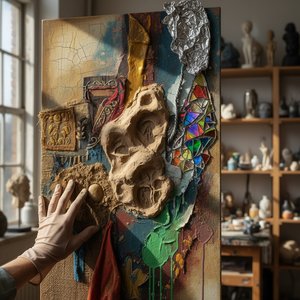
The Tactile Canvas: Exploring Texture as Subject, Materiality & Meaning in Art History
Explore the rich history of texture in art! Discover how artists from Van Gogh to contemporary masters use materiality & technique to create captivating tactile experiences. Deepen your art appreciation with OriginalUniqueArt.

Crimson Threads of Narrative: Exploring Symbolism & Representation in Artworks Featuring the Red Dress
Explore the rich symbolism of the red dress in art history! From ancient power displays to iconic portraits like Cézanne’s 'Madame Cezanne', discover the cultural and artistic significance behind this captivating color. Expert analysis & insights.