
 Gerçek Boyutta Önizle
 Paylaş
 Paylaş
 Detayları Gör
 Rehber

 İndir
İndir
 Benzer ürünler
 X-Işını
 Slayt Gösterisi
 Q&A
Q&A İstatistikler
Salome

- 54.0 x 44.0 cm


 Tümünü Gör
Giclée / Sanat Baskısı
Hızlı üretim ve esnek bitiş seçenekleriyle müze kalitesinde giclée veya kanvas baskı. ( El Yapımı Tablo Satın Al Dijital Görsele Geç)




P118B ₺10

P118H ₺10

P118W ₺10

P438Z ₺10

P508JH ₺12

P508YH ₺12

P805H ₺10

P805Z ₺10

P919BZ ₺10

P919G ₺10

P919XJ ₺10

P959ZH ₺10

P968JZ ₺12

W106C ₺8

W218G ₺10

W218JH ₺8

W218Y ₺10

W307PJ ₺10

W316G ₺10

W316PJ ₺8

W316Y ₺10

W398PJ ₺8

W4111J ₺10

W500HY ₺15

W500JH ₺15

W692G ₺12

W849H ₺8

W940BG ₺15

W953PJ ₺8




Eserin orijinal oranlarıyla uyumlu, önceden belirlenmiş boyutlarımız arasından seçim yapın.

Çerçevenize veya duvarınıza uygun olması için ihtiyacınız olan genişlik ve yüksekliği yazın. Bir baskı yalnızca kesilebilir, görselden daha büyük hale getirilemez; bu nedenle farklı bir formdaki boyut seçimi, görselin bir kısmının kaybına neden olur. Herhangi bir baskı yapmadan önce onaylamanız için size bir dijital taslak gönderiyoruz. Bu sayfada gösterilen resim gerçek kesimi göstermez — bunu yalnızca taslak gösterir.
Dünya Çapında Teslimat (); standart 4/5 hafta yerine 2 haftada. (3 Kasım)

Dünya Çapında Ücretsiz Ekspres Kargo

Yüksek Kaliteli Keten Kanvas

Tam Nakliye Sigortası

Gümrük Vergisi İadesi Garantisi

Gerçek Renk Uyumu Garantisi

100 Günlük İade Politikası (Sadece Kusurlu Ürünler İçin)

%100 Para İade Garantisi

Toplu Alım İndirimi
 Cam seçeneği yalnızca 110 cm altındaki boyutlar için mevcuttur.

Salome
Giclée / Sanat Baskısı
Reproduksiyon Boyutu
-


Toplam Tutar
₺ 3933
A Haunting Synthesis of Venetian Light and Roman Form
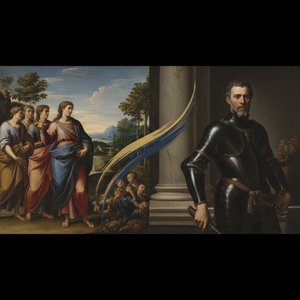
In the quiet intensity of Sebastiano del Piombo’s Salome, painted around 1510, we encounter a masterpiece that serves as a profound bridge between two of the most influential artistic worlds of the High Renaissance. This work is not merely a portrait but a visceral meditation on the duality of existence—the vibrant pulse of life set against the chilling stillness of death. As one gazes upon the luminous blue of Salome’s attire, there is an unmistakable echo of Venice, the artist's birthplace. Here, the influence of his mentor, Giorgione, breathes through the canvas in the form of atmospheric perspective and a rich, emotive palette that softens the edges of reality, inviting the viewer into a dreamlike, melancholic landscape.
Yet, as the eye moves from the soft, misty mountains in the distance to the central figure, a different energy emerges. Del Piombo, having transitioned toward the Roman school, imbues the composition with a sculptural gravity and a formal dignity that commands respect. This stylistic tension—the fluid, colorful grace of Venice meeting the monumental, structured strength of Rome—is what makes this piece so captivating for the modern collector. It is a painting that possesses both a poetic soul and an architectural backbone, making it a commanding presence in any curated space.
The Symbolism of Mortality and Beauty
The narrative depth of Salome lies in its unsettling confrontation with the macabre. The subject, the daughter of Herodias, is depicted not with the frantic energy of a biblical executioner, but with a detached, contemplative grace. She holds the severed head of John the Baptist upon a platter, yet her gaze drifts away from the gruesome spectacle toward the far-off peaks. This visual redirection creates a profound psychological distance; she seems lost in thought, perhaps contemplating the heavy cost of desire and the inescapable nature of fate. The skull held within her grasp serves as a potent memento mori, a stark reminder that even amidst the splendor of silk and the beauty of youth, decay is an ever-present shadow.
For the interior designer or art enthusiast, this painting offers more than just visual beauty; it offers a conversation. The interplay between the delicate features of the woman and the grim reality of the skull creates an intellectual tension that draws the viewer in, demanding reflection. It is a piece that rewards long periods of observation, revealing new layers of meaning with every glance at the way light hits the fabric or how the shadows deepen within the distant valleys.
A Timeless Masterpiece for the Discerning Collector
To possess a reproduction of this caliber is to bring a fragment of Renaissance history into the contemporary home. The technique employed by del Piombo—the masterful blending of oil pigments to create skin that seems to glow from within and landscapes that feel infinitely deep—is captured with breathtaking precision in high-quality hand-painted recreations. This artwork is particularly suited for spaces that seek to evoke a sense of drama, history, and sophisticated introspection.
Whether placed in a grand library, a formal dining room, or a modern gallery-style living area, Salome acts as an anchor of cultural significance. It provides a focal point that is both aesthetically pleasing and intellectually stimulating, bridging the gap between the classical past and the aesthetic sensibilities of the present. For those seeking to decorate with intention, this painting offers an unparalleled opportunity to surround oneself with the enduring mystery and unmatched artistry of the High Renaissance.
Soru ve Cevaplar
Sebastiano Del Piombo imzalı "Salome" eserini hangi teknik ve üslup tanımlıyor?
Sebastiano Del Piombo imzalı "Salome", Oil On Panel tekniğini Italian Mannerism üslubuyla birleştiriyor. Teknik ve akım, eserin yapılış biçimini ve tarzını tanımlar.
Sebastiano Del Piombo imzalı "Salome", güçlü kontrastlar mı yoksa yumuşak uyumlar mı kullanıyor?
Sebastiano Del Piombo imzalı "Salome" eserinin renk kompozisyonu, Bold bir kontrast ile Discordant Palette bir uyumu bir araya getiriyor.
Sebastiano Del Piombo imzalı "Salome" eserini satın almadan önce kendi duvarımda görebilir miyim?
Uyumlu bir cihazda artırılmış gerçekliği kullanarak, Sebastiano Del Piombo imzalı "Salome" adlı eseri Artırılmış Gerçeklik Önizleme sayfası aracılığıyla kendi duvarınızda önizleyebilirsiniz.
Sanatçı Özgeçmişi
Roma Görkemi İçindeki Venedik Ruhu
Sebastiano del Piombo, yaklaşık 1485 yılında Venedik'in parlak kalbinde Sebastiano Luciani adıyla doğmuş, Yüksek Rönesans döneminde eşsiz ve çoğu zaman gizemli bir konuma sahiptir. Onun hikayesi anlık sanatsal bir tanınırlık öyküsü değil; aksine, uyum sağlama, göç etme ve nihayetinde Venedik renkciliği ile Roma formunun heybetli ciddiyetinin kendine özgü bir sentezini sunan büyüleyici bir yolculuktur. Gençliklerinden itibaren yolları net çizilmiş pek çok çağdaşın aksine, Sebastiano'nun resme girişi biraz gecikmiştir; başlangıçta müziğe, özellikle de ud çalma becerisine çekilmiştir ve kanvasla ciddiyetle uğraşmaya ancak genç yetişkinliğinin sonlarına doğru başlamıştır. Venedik'deki bu biçimlendirici dönem, onda zengin tonlara, atmosferik perspektife ve şiirsel bir duyarlılığa karşı kalıcı bir sevgi uyandırmış; bu özellikler Roma'ya yerleştikten sonra bile tarzının alametifarikası olmuştur. Giorgione'nin derin etkisi, özellikle tamamlanmamış Solomon'un Yargısı gibi erken dönem eserlerinde belirgin bir şekilde hissedilir; bu eser, dramatik anlatımlarla yüklü ve kompozisyona yenilikçi bir yaklaşım sergileyerek ortaya çıkacak sanatsal potansiyeyi ima eder.Venedik'ten Roma Sanat Yaşamının Kalbine
1511 yılı, Sebastiano'nun kariyerinde dönüm noktası oldu; çünkü onu, o dönemde Papa II. Julius ve Leo X'in himayesi altında sanatsal bir enerjiyle titreşen bir şehir olan Roma'ya götürdü. Bu hareket, onu doğrudan atölyesi zirvedeyken Raphael'in yörüngesine yerleştirdi ve kısa süre sonra da Michelangelo'yı çevreleyen karmaşık dünyaya adım attırdı. Dikkat çekici olan nokta şuydu ki, bu devler tarafından gölgede kalmış bazı sanatçıların aksine, Sebastiano kendi nişini yaratmayı başardı; hatta efsanevi eleştirmen Michelangelo'dan bile saygı – ve zaman zaman teşvik – kazandı. İki usta, ihtişam ve anatomik kesinlik arayışlarında birbirlerinde bir ruhani kardeşlik gördüler; Michelangelo aktif olarak Sebastiano'nun eserini destekledi ve onu prestijli komisyonlar için Raphael ile rekabet etmeye teşvik etti. Bu rekabet, belki Vasari tarafından abartılmış olsa da, şüphesiz ki Sebastiano'nun hırsını körükledi ve ününün artmasına katkıda bulundu. Villa Farnesina'daki freskler gibi erken Roma eserleri – özellikle de Polyphemus – klasik motiflerin ustaca özümsenmesini ve büyük ölçekli kompozisyonlarla başa çıkmada büyüyen bir güveni sergiler. Kendisi, Venedik duyarlılıklarını yeni ortamının talepleriyle harmanlayarak hızla Roma sanat sahnesinde bir güç haline geliyordu.Stillerin Sentezi: Eşsiz Bir Sanatsal Vizyon
Sebastiano del Piombo'nun sanatsal dehası, Venedik ve Roma'nın görünüşte alakasız geleneklerini uzlaştırma yeteneğinde yatıyordu. Giorgione ve Titian'dan miras aldığı renk, ışık ve dokuya olan Venedik okulunun vurgusuna sıkıca bağlı kalırken; aynı zamanda Roma'nın anıtsal formlara, anatomik doğruluğa ve dramatik anlatıma olan takıntısını kucakladı. Bu füzyon, Londra Ulusal Galerisi'nde bulunan ve Narbonne Katedrali için sipariş edilmiş güçlü bir sunağa konu olan Lazarus'un Dirilişi'nde çarpıcı bir şekilde görülür. Tablo, ışıldayan et tonları ve zengin örtüler yaratmak için yağlı boya hakimiyetini sergilerken, figürler kendileri de Michelangelo'nun eserlerini anımsatan bir heykel sağlamlığına sahiptir. Bu eşsiz karışım onu çağdaşlarından ayırdı ve Raphael'in 1520'de erken ölümü sonrasında Roma sanatında önde gelen bir figür olarak yerini sağlamlaştırdı. O sadece taklit etmiyordu; yeni bir yol inşa ediyordu, Venedik şehvetliliği ile Roma ciddiyetinin aynı tuval üzerinde uyum içinde var olabileceğini kanıtlıyordu. Lazarus'un Dirilişi, bu görünüşte karşıt güçleri tutarlı ve duygusal açıdan yankı uyandıran bir bütün haline getirme yeteneğinin bir kanıtıdır.Geç Yaşamı ve Kalıcı Mirası
Sebastiano'nun son dönemi, 1531 yılında Papa için Mühür Bekçisi (*piombatore*) olarak atanmasıyla beklenmedik bir yöne saptı. Bu prestijli ama aynı zamanda zorlu görev, onun Papa'nın idari görevlerine bakmasını gerektirdi ve sanatsal üretimini önemli ölçüde kısıtladı. Maddi açıdan güvende olsa da, görevin sorumlulukları onu resimden uzaklaştırdı ve sonraki eserleri sayısı azaldı. Başta portreler olmak üzere sipariş almaya devam etti, ancak önceki dönemdeki coşku ve yenilik biraz sönük kalmıştı. Bu üretkenlik düşüşüne rağmen, Sebastiano 1547'de ölümüze kadar Roma sanatsal çevrelerinde saygın bir figür olarak kaldı. Ancak etkisi, Raphael veya Michelangelo kadar yaygın olmadı. Bunun kısmen nedeni, çok sayıda öğrencisinin olmaması ve eserlerinin baskılar yoluyla sınırlı bir şekilde dağıtılmasıydı – bu, Rönesans sırasında bir sanatçının tarzını tanıtmak için yaygın bir uygulamaydı. Yine de, Sebastiano del Piombo'nun mirası, sanatsal sentezin gücüne ve Venedik renginin Roma anıtsallığı ile birleşmesinin kalıcı cazibesine bir kanıt olarak yaşamaya devam etmektedir.Öne Çıkan Eserler
- Üç Filozof (Giorgione ile): Erken etkileri sergileyen işbirlikçi bir başyapıt.
- Polyphemus: Klasik tarzı ve ustaca detayları gösteren Villa Farnesina'da bir fresk.
- Tevrat Tabletlerini Alan Musa: Yağlı boya üzerinde ustalığı ve dramatik kompozisyonu sergiler.
- Lazarus'un Dirilişi: Venedik rengini Roma formuyla harmanlayan güçlü bir sunağa.
- San Sebastiano: İnsani duyguları yansıtmadaki becerisini gösteren etkileyici bir aziz tasviri.

Sebastiano Del Piombo
1485 - 1547 , İtalya
Kısa Bilgiler
- Artistic Movement Or Style: Yüksek Rönesans, Maniyerizm
- Artists Who Influenced This Artist:
- Giovanni Bellini
- Giorgione
- Raphael
- Michelangelo
- Date Of Birth: yaklaşık 1485
- Date Of Death: 1547
- Full Name: Sebastiano del Piombo
- Nationality: İtalyan
- Notable Artworks:
- Lazarus'un Dirilişi
- Polyphemus
- Tevrat Tabletlerini Alan Musa
- Üç Filozof
- Place Of Birth: Venedik, İtalya
Benzer Yazılar

Jacopo Tintoretto'nun En İyi 25 Eseri: Venedik Rönesansı'nın Dramatik Dehası | OriginalUniqueArt
Jacopo Tintoretto'nun en iyi 25 eserini keşfedin! Venedik Rönesansı'nın dramatik dehasının ardındaki hikayeleri, teknikleri ve renk paletlerini öğrenin. Ev dekorasyonunuz için lüks sanat baskıları OriginalUniqueArt'ta. Koleksiyonu şimdi keşfedin!

Venetian Renaissance: The Mastery of Color, Light, and the Art of Colorito
Explore the luminous mastery of the Venetian Renaissance. Discover how masters like Titian and Giorgione revolutionized art through colorito, light, and atmosphere. An expert guide to the golden age of Italian painting for collectors and enthusiasts.

John Singer Sargent'ın En İyi 25 Eseri: Sanat, Stil ve Ev Dekorasyonu İlhamı
John Singer Sargent'ın en iyi 25 eserini keşfedin! Amerikan empresyonizminin ustası Sargent’ın portrelerindeki zarafeti, tekniği ve renkleri inceleyin. Ev dekorasyonunuz için lüks sanat baskıları OriginalUniqueArt.com'da. Koleksiyonu şimdi keşfedin!
Sebastiano del Piombo: Bridging Venetian Colorism & Roman Grand Manner Portraiture
Explore the captivating art of Sebastiano del Piombo, a Renaissance master bridging Venetian colorism & Roman grandeur. Discover his iconic portraits and lasting influence on art history. Learn more at OriginalUniqueArt.

John Constable'ın En İyi 25 Eseri: İngiliz Manzaralarının Büyüsü OriginalUniqueArt'ta
John Constable'ın en iyi 25 eserini keşfedin! İngiliz manzara sanatının büyülü dünyasına dalın, romantizm akımını ve kırsal yaşamı yansıtan tablolarla evinizi zenginleştirin. Sanat reproduksiyonları OriginalUniqueArt'ta.