
 Önizleme yap
 Paylaş
 Paylaş
 Detayları Gör

 İndir
İndir
 Benzerlerini gör
 X-Işını
 Slayt Gösterisi
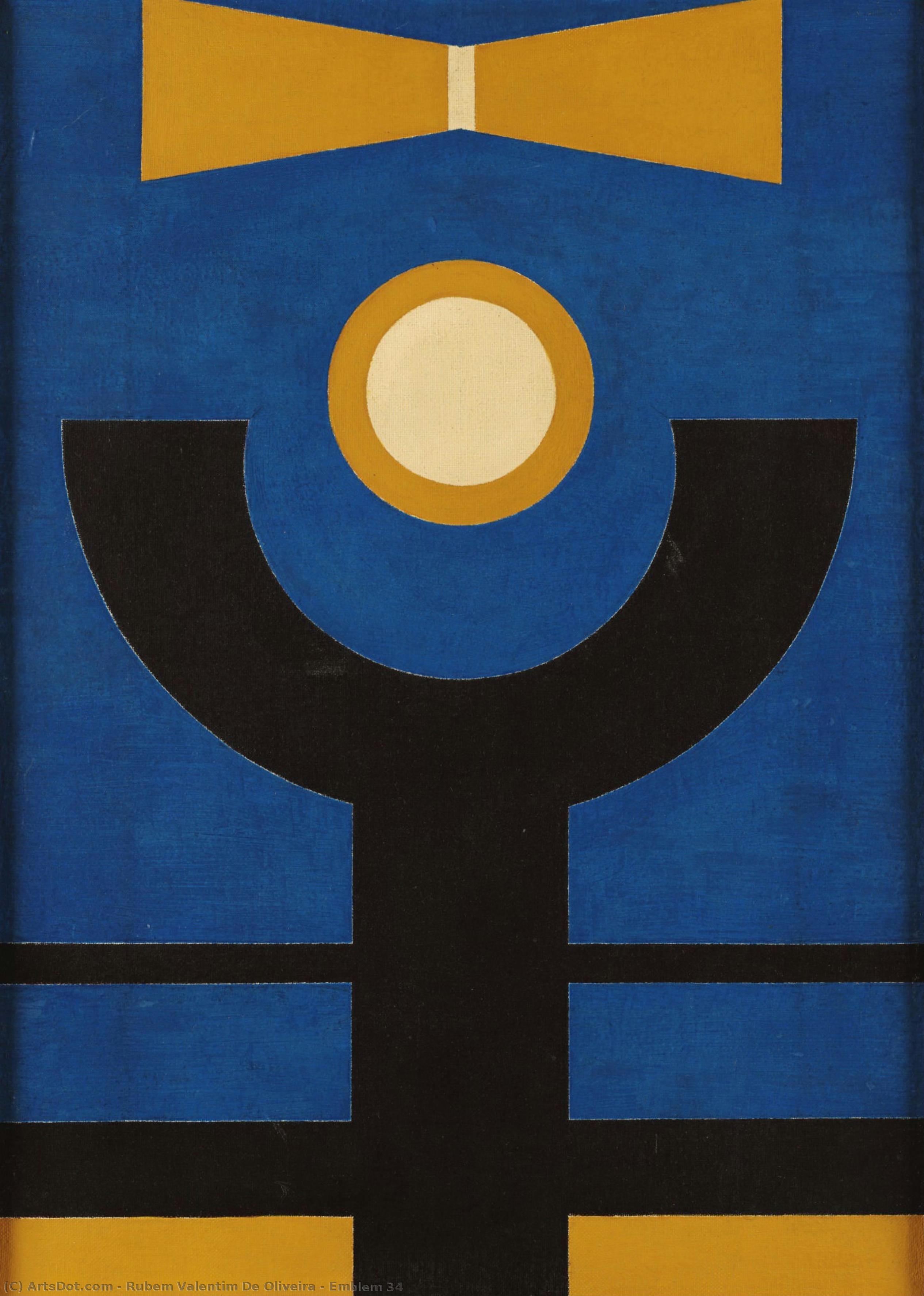
Emblem 34

 Tümünü Gör
Giclée / Sanat Baskısı
Hızlı üretim ve esnek bitiş seçenekleriyle müze kalitesinde giclée veya kanvas baskı. ( El yapımı tablo satın al Görsel satın al)




































Eserin orijinal oranlarıyla uyumlu, önceden belirlenmiş boyutlarımız arasından seçim yapın.

Belirli bir çerçeveye veya alana uyması için kendi ölçülerinizi girebilirsiniz. Seçtiğiniz boyut orijinal görüntünün oranlarıyla eşleşmiyorsa, sanat eserini kırpacağız veya görüntüyü aynalanmış ya da düz dolgulu bir kenarlıkla genişleteceğiz. Üretim başlamadan önce onayınız için bir dijital taslak gönderilecektir.
Lütfen ekrandaki önizlemenin gerçek kırpma veya genişletmeyi yansıtmadığını unutmayın. Nihai kompozisyonu yalnızca taslak doğru bir şekilde gösterecektir.
Özel boyutlar mevcut olsa da, orijinal oranları korumak için önceden tanımlanmış listeden bir boyut seçmenizi öneririz.
Dünya Çapında Teslimat (); standart 4/5 hafta yerine 2 haftada. (21 Ağustos)

Dünya Çapında Ücretsiz Ekspres Kargo

Yüksek Kaliteli Keten Tuval

Tam Kapsamlı Nakliye Sigortası

Gümrük Vergisi İade Garantisi

Gerçek Renk Uyumu Garantisi

60 Günlük İade Politikası (Sadece Kusurlu Ürünler İçin)

%100 Para İade Garantisi

Toplu Alım İndirimi
 Cam seçeneği yalnızca 110 cm altındaki boyutlar için mevcuttur.

Emblem 34
Giclée / Sanat Baskısı
Reproduksiyon Boyutu
-


Toplam Tutar
$ 80
Eser Açıklaması
Sanatçı Özgeçmişi
Rubem Valentim: A Pioneer of Bahia’s Renewal
Rubem Valentim (1922 – 1991) stands as a pivotal figure in Brazilian art history, particularly recognized for his contribution to the Renovative Movement—a vibrant artistic surge that emerged from Bahia during the late 1970s and early 1980s. Born in Salvador, Bahia, Valentim’s artistic journey began organically, fueled by an innate fascination with color and form honed through self-teaching rather than formal academic training. Despite pursuing dentistry as a profession, his passion for painting persisted, shaping his life's trajectory and ultimately prioritizing the creative pursuit.- Early Life & Education: Valentim’s formative years were marked by exposure to Bahian culture and traditions, which profoundly influenced his artistic sensibilities. He graduated from dentistry in 1946 but continued to paint concurrently, demonstrating a remarkable balance between intellectual pursuits and artistic expression.
- Journalism & Artistic Exploration: Recognizing the importance of communication beyond visual art, Valentim pursued journalism studies and earned his bachelor’s degree from Bahia School of Philosophy in 1953. This broadened perspective enriched his understanding of cultural contexts and informed his artistic endeavors.
The Renovative Movement & African Influences
Valentim's involvement with the Renovative Movement solidified his reputation as a visionary artist who championed experimentation and challenged conventional artistic norms. Driven by a desire to revitalize Brazilian art, Valentim’s collaborators sought inspiration from indigenous cultures and traditions—specifically, the artistic heritage of Africa—resulting in works characterized by bold colors, geometric abstraction, and symbolic representations rooted in African cosmology. This influence is palpable in pieces like “Emblem 34” and “No Title,” where vibrant hues converge to create dynamic compositions reflecting a deep connection with ancestral roots.- European Travels & Artistic Inspiration: Valentim embarked on a transformative journey abroad in 1962, supported by a fellowship from the XI National Salon of Modern Art. His exploration of Europe exposed him to diverse artistic traditions, particularly those originating in primitive cultures—a formative experience that profoundly shaped his aesthetic vision.
- Biennial Participation & Dakar Festival: Valentim’s commitment to artistic dialogue extended beyond national borders; he participated in the Venice Biennials of 1964 and 1966 and traveled to Senegal for the inaugural World Festival of Negro Art in Dakar, demonstrating his dedication to promoting intercultural understanding.
Return to Brazil & Recognition
Returning to Bahia in 1966 after accepting an invitation from Brasília’s Central Institute of Arts, Valentim received acclaim for his artistic contributions and was awarded a special prize for “contribution to Brazilian painting.” His work garnered scholarly attention both domestically and internationally, cementing his legacy as a seminal figure in twentieth-century Brazilian art. The São Paulo Museum of Art (MASP) organized a comprehensive career survey in 2018 showcasing 99 artworks by Valentim—a testament to the enduring impact of his artistic vision.Legacy & Philosophical Vision
Valentim’s intellectual pursuits extended beyond painting; he authored and published *Manifesto ainda que tardio (“A Manifesto, Albeit Late”)* in 1976, articulating a compelling critique of colonialism within the arts. He argued for an artistic agenda focused on confronting oppressive structures and fostering empathy—a philosophical stance that continues to resonate with contemporary artists and scholars alike. Valentim’s unwavering belief in “La búsqueda artística es siempre interior, it is part of a deep religiosity.” – Rubem Valentim – encapsulates his profound understanding of art's role as a conduit for spiritual exploration and social transformation.Notable Works
- “Emblem 34”
- “No Title”
- “Object emblematic 5”

rubem valentim de oliveira
1922 - 1991 , Brazil
Kısa Bilgiler
- Artistic Movement Or Style: Renovative Movement
- Artists Or Movements Influenced By This Artist: ['Afro-American']
- Artists Who Influenced This Artist: ['Primitive Art']
- Date Of Birth: November 9, 1922
- Date Of Death: November 30, 1991
- Full Name: Rubem Valentim de Oliveira
- Nationality: Brazilian
- Notable Artworks:
- Emblem 34
- No Title
- Object emblematic 5
- Place Of Birth: Salvador, Brazil

