Önizle
 Gönder
 Paylaş
 Detaylar
 Rehber

 Dosyayı İndir
 Benzerleri
 X-Işını
 Slayt Gösterisi
 İstatistikler
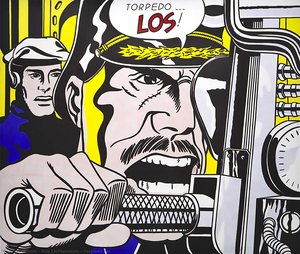
Thinking of Him
 Tuval Üzerine Akrilik Boya
- Duvar Sanatı
- Pop Art
 1963
1963- Modern
 172.0 x 172.0 cm
 Devamını Oku
Bu sayfada sergilenen eser telif hakkı yasasıyla korunmaktadır; bu da yasal olarak eserin birebir kopyasını oluşturamayacağımız veya satamayacağımız anlamına gelir. Bu koruma, aşağıdakiler gibi uluslararası anlaşmalar kapsamında uygulanmaktadır: Bern Sözleşmesi ve aşağıdakiler de dahil olmak üzere ulusal yasalarca belirlenen ABD Telif Hakkı Kanunu - 17. Başlık.
Saygılı ve yasal bir alternatif olarak, orijinalinden ilham alan, kişiye özel, el boyaması sanat eserleri sunuyoruz. Deneyimli ve profesyonel sanatçılarımız, aynı duyguyu uyandıran yeni ve benzersiz bir eser yaratmak için orijinalin stilini, ruhunu ve sanatsal özünü titizlikle inceler; üstelik bu eser, kendi başına özgün bir üretim olarak kalır.
Bu yöntem, koruma altındaki sanat eserinin kopyalanmasını veya çoğaltılmasını içermediği için telif hakkı düzenlemelerine tam uyum sağlar. Bunun yerine, yaratıcı bir yeniden yorumlamadır; orijinalinden etkilenen ancak onunla aynı olmayan yeni bir tablodur.
El Yapımı Yağlı Boya Reproduksiyon
Sanatçılarımız tarafından sipariş üzerine hazırlanan; istediğiniz boyut ve çerçevede, tuval üzerine el boyaması yağlı boya. ( Baskı Satışına Geç Dijital Görsel Satışına Geç)




P118B ₺10

P118H ₺10

P118W ₺10

P438Z ₺10

P508JH ₺12

P508YH ₺12

P805H ₺10

P805Z ₺10

P919BZ ₺10

P919G ₺10

P919XJ ₺10

P959ZH ₺10

P968JZ ₺12

W106C ₺8

W218G ₺10

W218JH ₺8

W218Y ₺10

W307PJ ₺10

W316G ₺10

W316PJ ₺8

W316Y ₺10

W398PJ ₺8

W4111J ₺10

W500HY ₺15

W500JH ₺15

W692G ₺12

W849H ₺8

W940BG ₺15

W953PJ ₺8




Eserin orijinal oranlarıyla uyumlu, önceden belirlenmiş boyutlarımız arasından seçim yapın.

Çerçevenize veya duvarınıza uygun olması için ihtiyacınız olan genişliği ve yüksekliği yazın. Bu eser el boyamasıdır; bu nedenle farklı bir formdaki boyutlar için sanatçı, resmin etrafına biraz daha fazla boya ekleyebilir veya biraz daha kırpabilir — seçim sizin. Boyama işlemi başlamadan önce onaylamanız için size bir dijital taslak gönderiyoruz. Bu sayfada gösterilen resim gerçek sonucu yansıtmamaktadır — gerçek sonucu yalnızca taslak göstermektedir.
Siparişten sonra, OriginalUniqueArt.com ekibi talimatlar için müşteriye e-posta gönderecek ve bir taslak önizleme sunacaktır
Dünya Çapında Teslimat (); standart 5 hafta yerine 3/4 haftada. (22 Ekim). Kaliteden ödün verilmez.

Dünya Çapında Ücretsiz Ekspres Kargo

Yüksek Kaliteli Keten Tuval

Tam Nakliye Sigortası

Gümrük Vergisi İadesi Garantisi

Gerçek Renk Uyumu Garantisi

100 Günlük İade Koşulları (Sadece Üretim Hatalı Ürünler İçin)

%100 Para İade Garantisi

Toplu Alım Avantajı
 Cam seçeneği yalnızca 110 cm altındaki boyutlar için mevcuttur.

Thinking of Him
Baskı Tekniği
Baskı Boyutu
-


Toplam Fiyat
₺ 15880
Bir Sehvgiliye Düşüncesi
Roy Fox Lichtenstein’ın 1963 yapımı ikonik eserinden daha fazlasını keşfedin – Ben-Day noktalarıyla duygusal derinliği vurgulayan Pop Art başyapıtı. Bu çalışma sadece estetik bir beyanı değil; zamanda sıkıştırılmış bir anlatıdır, izleyicilerin insan duygularının karmaşıklığını düşünmeye davet eder.Pop Art ve Çizgi Film Estetiği
1950lerin sonunda ortaya çıkan Pop Art, geleneksel güzel sanatı halk kültüründen elde edilen görüntülerle destekleyerek meydan okudu. Lichtenstein bu harekete liderlik etti ve çizgi filmlerin görsel dilini büyük ölçekte tuvallere dönüştürdü. *Bir Sehvgiliye Düşüncesi*, bu yaklaşımın bir örneğidir. Cesur çizgiler, düz renk alanları ve özellikle Ben-Day noktası tekniği ticari baskı süreçlerinden ilham alır. Bu sadece taklit etmek değil; Lichtenstein bu teknikleri güzel sanat formuyla yükseltti ve tüketim kültürünü eleştirirken aynı zamanda çarpıcı görsel eserler yarattı.İçgözü Olmayan Kompozisyon ve Sembolizm
Kompozisyon ilk bakışta basit görünse de etkili bir şekilde işlev görür. Çizgi filmlerin duygusal durumunu yansıtan kadın yüzü tuvallin merkezindedir. Biraz açık dudaklar iç konuşmayı ima eder veya belki de sevdiği kişiye dair düşüncelerini ifade etmekte olan bir anlatıdır. Tek gözyaşı çenesine doğru uzanır ve hemen üzüntü ve savunmasızlık duygusunu iletir. Önemli olan ise kadın tarafından düşünülen kişinin profilidir – bu görsel cihaz doğrudan duygusal durumunun kaynağını ortaya koyar. Kesim sıkıdır, yalnızca temel öğeleri vurgulayarak sahnenin yakınlığını ve psikolojik ağırlığını yoğunlaştırır. Kullanılan renkler duygusal etkiyi güçlendirir ve dramatik bir his yaratır.Teknik ve Malzemeler: Hassasiyetin Ustalık Bir Uygulaması
Lichtenstein’ın teknik etkisi merkezde tutar. Magna akrilik boyayı tuval üzerine uyguladı, canlı renk doygunluğunu ve doğru uygulama sağlamasını sağladı. Ben-Day noktaları sadece dekoratif değildir; ticari baskıya benzer bir görsel ritim ve dokuyu yaratarak çizgi filmlerin mekanik yeniden üretimiyle sınırları bulan tekniklerdir. Bu teknik tuvallenin görünüşünü yanıltıcıdır ancak düz yüzeyde rağmen grafik stilini destekleyen sert çizgiler kullanır. Ayrıca Pop Art’ın yapaylığını ve duygusal uzaklığı vurgulayan sert çizgileri kullanır.Historiyenin Dönüm Noktası: 1963 – Bir Dönüşüm Yılı
1963 Lichtenstein için önemli bir dönüm noktasıydı; Pop Art estetiğini tam olarak benimseyerek harekete geçti. Daha önce çizgi film görüntüsüyle denemeler yapmış olsa da *Bir Sehvgiliye Düşüncesi*, stilini geliştirmek ve daha karmaşık duygusal temaları keşfetmek için yaptığı önemli bir adımdır. Bu dönemde ikonik görsel sözcüğünü kurmaya başladı ve sanat dünyasında tanınmaya başardı. Çalışma dönemin sosyal iklimini yansıtır – savaş sonrası Amerika tüketim, halk medyası ve değişen cinsiyet rolleriyle mücadele eder.Duygusal Çeşitlilik ve Kalıcı Etki
Altı dekadan fazla süredir yaratılan *Bir Sehvgiliye Düşüncesi*, bugün izleyicileri harekete geçiren ve iç tasarımcılar için ilham kaynağı olan duygusal bir derinliğe sahiptir. Sevgi, kayıp, özlem ve hafızanın gücü gibi evrensel temaları keşfeden eserdir. Çalışmanın cesur renkleri ve grafik stili herhangi bir mekanda çarpıcı bir odak noktası oluştururken temel mesajı düşünmeye davet eder ve içgörü sağlar. Bu ikonik eser hem sanat meraklıları hem de yüksek kaliteli bir baskının satın alınmasını planlayanlar için unutulmaz bir deneyim sunar.Soru ve Cevaplar
Roy Fox Lichtenstein hangi takma adlar veya alternatif isimlerle tanınmaktadır?
Roy Fox Lichtenstein, Ralf Lichtenstein alternatif isimleriyle de yer almaktadır.
Roy Fox Lichtenstein imzalı "Thinking of Him" hangi teknikle icra edilmiştir?
Roy Fox Lichtenstein imzalı "Thinking of Him" eserinin tekniği Tuval Üzerine Akrilik Boya kullanılarak uygulanmıştır. Çoğaltımlar, bu tekniğin görünümünü yansıtmayı amaçlamaktadır.
Roy Fox Lichtenstein imzalı "Thinking of Him" için hangi alan öneriliyor?
"Thinking of Him" reprodüksiyonu bir Oturma Odası için oldukça uygundur.
Sanatçı Biyografisi
The Genesis of a Pop Visionary
Roy Fox Lichtenstein, born in the vibrant metropolis of New York City on October 27, 1923, indelibly altered the landscape of twentieth-century art. Emerging as a pivotal figure within the Pop Art movement, Lichtenstein didn’t simply reflect his era; he actively interrogated it, transforming commonplace imagery into compelling artistic statements. His upbringing in an upper-middle-class Jewish family fostered both a cultural awareness and an early artistic inclination. Childhood exposure to museums and concerts, coupled with a deep appreciation for jazz music, laid the groundwork for a creative spirit that would challenge conventional notions of fine art. Though initially drawn to realistic drawing and painting during his formative years, Lichtenstein’s formal training commenced at the Art Students League in 1939 under Reginald Marsh, followed by studies at Ohio State University – interrupted briefly by wartime service in the Army. These experiences provided a robust technical foundation that would later be brilliantly re-contextualized through the lens of mass culture and commercial aesthetics. The seeds of his signature style weren’t sown within the hallowed halls of artistic tradition but rather in the often-overlooked world of everyday imagery, particularly comic books and advertising.Early Influences and Artistic Exploration
Lichtenstein's formative years were marked by a fascination with European Surrealism, mirroring the stylistic trends prevalent at the time. Artists like René Magritte and Salvador Dalí captivated him with their dreamlike landscapes and paradoxical juxtapositions—influences that subtly shaped his early artistic explorations. However, Lichtenstein swiftly moved beyond Surrealist conventions, recognizing the potential of abstraction as a vehicle for conveying emotion and exploring formal experimentation. His initial drawings showcased meticulous attention to detail and tonal subtlety, demonstrating a mastery of traditional drawing techniques honed during his studies at Ohio State University. Yet, it was Reginald Marsh’s encouragement—particularly regarding capturing the essence of nature—that propelled him toward bolder stylistic choices. This pivotal encounter instilled in Lichtenstein a belief that art could transcend mere representation, striving instead for an expressive distillation of experience. He diligently practiced drawing from life and studying anatomical sketches, cultivating a foundational understanding of artistic principles that would prove invaluable to his subsequent stylistic innovations.The Birth of Pop Art: Comic Books as Inspiration
A transformative moment arrived in 1961 with Lichtenstein’s groundbreaking artwork *Look Mickey*, a bold appropriation of Disney comics imagery. This wasn't merely copying comic strips; it was an act of artistic re-evaluation—a deliberate questioning of established aesthetic hierarchies and a rejection of the subjective expression championed by Abstract Expressionism. Recognizing the pervasive influence of mass media on American society, Lichtenstein embraced the visual language of advertising and comic books as sources of inspiration. He meticulously recreated comic book scenes using techniques mimicking commercial printing processes—a conscious blurring of boundaries between original artwork and mass production. This appropriation wasn’t about celebrating consumerism uncritically but rather examining its impact on cultural identity and challenging traditional artistic conventions. The resulting paintings featured vibrant colors, thick black outlines, and most notably, Ben-Day dots—a technique borrowed directly from comic book printing—representing the very process of reproduction itself.Technique and Conceptual Framework: Mastering Mass Production
Lichtenstein’s artistic vocabulary is instantly recognizable: bold, primary colors, thick black outlines, and crucially, Ben-Day dots—a technique meticulously replicated to mimic commercial printing processes. These dots weren't merely decorative; they were integral to his conceptual framework—a deliberate assertion of objectivity and a rejection of painterly gesture. He painstakingly enlarged details from comic strips to monumental scale, forcing viewers to confront the aesthetic qualities of an art form typically dismissed as trivial. Works like *Whaam!*, *Drowning Girl*, and *Oh, Jeff…I Love You, Too…But…* became iconic representations of Pop Art—capturing anxieties and desires within a rapidly changing consumer culture. These weren’t simply depictions of comic book scenes; they were commentaries on themes of war, romance, and societal expectations—filtered through the visual language of mass media. He aimed to strip away any pretense of artistic subjectivity, presenting his work as objective reflections of American society—a mirror held up to its own manufactured reality. The deliberate flatness and lack of painterly texture further emphasized this detachment—mimicking the impersonal nature of commercial printing.Legacy and Influence: Shaping Contemporary Art
Roy Lichtenstein’s influence extends far beyond the realm of painting, profoundly impacting graphic design, illustration, and visual art across various disciplines. His innovative use of commercial techniques and appropriation paved the way for new generations of artists exploring themes of consumerism, media saturation, and cultural identity—challenging traditional notions of artistic authorship and originality. He championed a radical rethinking of what constitutes “art”—rejecting elitist standards and embracing the accessibility of popular culture as legitimate sources of aesthetic inspiration. His enduring legacy resides in his unwavering conviction that art could engage with social issues—provoking critical dialogue about societal values and confronting uncomfortable truths. Artists like Andy Warhol, Jeff Koons, and Damien Hirst acknowledge Lichtenstein’s pioneering role in redefining artistic boundaries and establishing Pop Art as a dominant stylistic trend.- Notable Achievements: Established Pop Art style; achieved international recognition with groundbreaking exhibitions.
- Major Works: *Whaam!*, *Drowning Girl*, *Oh, Jeff…I Love You, Too…But…*, *Masterpiece*.
- Teaching Career: Influenced aspiring artists at SUNY Oswego and Rutgers University.

Roy Fox Lichtenstein
1923 - 1997 , Amerika Birleşik Devletleri
Kısa Bilgiler
- Artistic Movement Or Style: Pop Art
- Artists Who Influenced This Artist:
- Reginald Marsh
- Allan Kaprow
- Date Of Birth: 27 Ekim 1923
- Date Of Death: 29 Eylül 1997
- Full Name: Roy Fox Lichtenstein
- Nationality: Amerikalı
- Notable Artworks:
- Whaam!
- Drowning Girl
- Oh, Jeff…I Love You, Too…But…
- Place Of Birth: New York Şehri, ABD
İlgili Yazılar

Beyond the Dot: Exploring the Bold Impact of Ben-Day Dots in Modern Art
Dive into the vibrant world of Ben-Day dots. Explore how Roy Lichtenstein transformed mass media imagery into high art, redefining modern aesthetics through the iconic textures of Pop Art and its enduring impact on contemporary visual culture.
Challenging Conventions: Pop Art's Origins, Evolution & Enduring Legacy
Explore the fascinating history of Pop Art, from its rebellious origins to its enduring influence on contemporary artists. Discover key figures like Warhol & Lichtenstein and learn about collecting this iconic movement.

Beyond the Ben-Day Dots: Roy Lichtenstein's Pop Art Revolution & Enduring Legacy
Explore Roy Lichtenstein's revolutionary Pop Art! Discover the story behind Ben-Day dots, iconic works like 'Whaam!', and investment insights for collectors. Expert analysis & high-quality reproductions at OriginalUniqueArt.
Roy Lichtenstein'ın En İyi 25 Eseri: Pop Art İkonlarının Büyülü Dünyası | OriginalUniqueArt
Roy Lichtenstein'ın en ikonik 25 eserini keşfedin! Pop art'ın büyülü dünyasına dalın, benzersiz ben-dot tekniğini ve renkli kompozisyonları inceleyin. Ev dekorasyonunuz için yüksek çözünürlüklü sanat baskıları OriginalUniqueArt'ta. Koleksiyonu şimdi keşfedin!
Pop Art'ın Zirveleri: Evinizi Sanatla Yeniden Tanımlayan 10 Eser
Pop Art'ın en etkileyici 10 başyapıtını keşfedin! Andy Warhol, Roy Lichtenstein ve daha fazlasıyla sanat tarihine yön veren eserleri inceleyin. Evinizi renkli ve modern sanatla yeniden tanımlayın. OriginalUniqueArt.com’da tüm ustaları keşfedin!