Önizle
 Gönder
 Paylaş
 Detaylar
 Rehber

 Dosyayı İndir
 Benzerleri
 X-Işını
 Slayt Gösterisi
 İstatistikler
Foot and Hand


 Devamını Oku
Bu sayfada sergilenen eser telif hakkı yasasıyla korunmaktadır; bu da yasal olarak eserin birebir kopyasını oluşturamayacağımız veya satamayacağımız anlamına gelir. Bu koruma, aşağıdakiler gibi uluslararası anlaşmalar kapsamında uygulanmaktadır: Bern Sözleşmesi ve aşağıdakiler de dahil olmak üzere ulusal yasalarca belirlenen ABD Telif Hakkı Kanunu - 17. Başlık.
Saygılı ve yasal bir alternatif olarak, orijinalinden ilham alan, kişiye özel, el boyaması sanat eserleri sunuyoruz. Deneyimli ve profesyonel sanatçılarımız, aynı duyguyu uyandıran yeni ve benzersiz bir eser yaratmak için orijinalin stilini, ruhunu ve sanatsal özünü titizlikle inceler; üstelik bu eser, kendi başına özgün bir üretim olarak kalır.
Bu yöntem, koruma altındaki sanat eserinin kopyalanmasını veya çoğaltılmasını içermediği için telif hakkı düzenlemelerine tam uyum sağlar. Bunun yerine, yaratıcı bir yeniden yorumlamadır; orijinalinden etkilenen ancak onunla aynı olmayan yeni bir tablodur.
El Yapımı Yağlı Boya Reproduksiyon
Sanatçılarımız tarafından sipariş üzerine hazırlanan; istediğiniz boyut ve çerçevede, tuval üzerine el boyaması yağlı boya. ( Baskı Satışına Geç Dijital Görsel Satışına Geç)




P118B ₺10

P118H ₺10

P118W ₺10

P438Z ₺10

P508JH ₺12

P508YH ₺12

P805H ₺10

P805Z ₺10

P919BZ ₺10

P919G ₺10

P919XJ ₺10

P959ZH ₺10

P968JZ ₺12

W106C ₺8

W218G ₺10

W218JH ₺8

W218Y ₺10

W307PJ ₺10

W316G ₺10

W316PJ ₺8

W316Y ₺10

W398PJ ₺8

W4111J ₺10

W500HY ₺15

W500JH ₺15

W692G ₺12

W849H ₺8

W940BG ₺15

W953PJ ₺8




Eserin orijinal oranlarıyla uyumlu, önceden belirlenmiş boyutlarımız arasından seçim yapın.

Çerçevenize veya duvarınıza uygun olması için ihtiyacınız olan genişliği ve yüksekliği yazın. Bu eser el boyamasıdır; bu nedenle farklı bir formdaki boyutlar için sanatçı, resmin etrafına biraz daha fazla boya ekleyebilir veya biraz daha kırpabilir — seçim sizin. Boyama işlemi başlamadan önce onaylamanız için size bir dijital taslak gönderiyoruz. Bu sayfada gösterilen resim gerçek sonucu yansıtmamaktadır — gerçek sonucu yalnızca taslak göstermektedir.
Siparişten sonra, OriginalUniqueArt.com ekibi talimatlar için müşteriye e-posta gönderecek ve bir taslak önizleme sunacaktır
Dünya Çapında Teslimat (); standart 5 hafta yerine 3/4 haftada. (26 Ekim). Kaliteden ödün verilmez.

Dünya Çapında Ücretsiz Ekspres Kargo

Yüksek Kaliteli Keten Tuval

Tam Nakliye Sigortası

Gümrük Vergisi İadesi Garantisi

Gerçek Renk Uyumu Garantisi

100 Günlük İade Koşulları (Sadece Üretim Hatalı Ürünler İçin)

%100 Para İade Garantisi

Toplu Alım Avantajı
 Cam seçeneği yalnızca 110 cm altındaki boyutlar için mevcuttur.

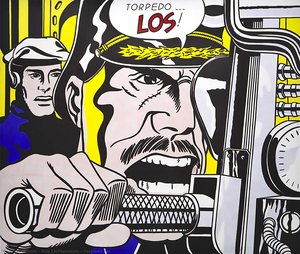
Foot and Hand
Baskı Tekniği
Baskı Boyutu
-


Toplam Fiyat
₺ 14684
The Genesis of Pop Art Iconography
Roy Fox Lichtenstein ( LIK-tən-STYN; October 27, 1923 – September 29, 1997) stands as a monumental figure in the realm of American art history—specifically, the vibrant and disruptive movement known as Pop Art. His artistic journey began amidst the burgeoning cultural landscape of post–World War II New York City, where he absorbed influences from jazz music and early explorations into Cubism and Surrealism. However, it was Lichtenstein’s encounter with comic books and advertising that irrevocably shaped his distinctive visual language and propelled him to international acclaim. This fascination wasn't merely aesthetic; it represented a profound critique of societal values—a deliberate challenge to the prevailing artistic conventions of the time.A Bold Appropriation: Comic Strip Inspiration
Lichtenstein’s breakthrough came with “Look Mickey” (1961), arguably his first masterpiece and a pivotal moment in establishing Pop Art's core tenets. Inspired by Disney comics, Lichtenstein meticulously reproduced halftone printing techniques—the method used to create the iconic Ben-Day dots characteristic of commercial illustrations—onto canvas. This technique wasn’t simply mimicry; it was an active appropriation, transforming familiar imagery into high art. As Lichtenstein himself eloquently stated, “I don't want to make paintings that look like comic books. I want to make comic books that look like paintings.” This audacious decision signaled a rejection of traditional artistic hierarchies and ushered in an era where popular culture could be elevated to the level of serious contemplation.Stylistic Innovation: Hard-Edged Lines and Vibrant Color
The stylistic hallmarks of Lichtenstein’s oeuvre—hard-edged lines, bold color palettes dominated by primary hues like yellow, red, and blue—are instantly recognizable. Unlike the expressive brushstrokes favored by Abstract Expressionists like Jackson Pollock or Willem de Kooning, Lichtenstein employed a meticulous approach to rendering form, prioritizing clarity and precision. This deliberate flatness of perspective mirrored the visual language of advertising and comic strips, reinforcing his central argument: that art could engage with everyday life without resorting to grand narratives or emotional intensity. The resulting images possess an unsettling beauty—a captivating blend of humor and pathos—that continues to resonate with audiences today.Symbolism Beyond Surface Appearance
Beneath Lichtenstein’s seemingly simplistic aesthetic lies a complex tapestry of symbolic references. Recurring motifs such as speech bubbles, stylized figures (often rendered in monochrome), and meticulously reproduced Ben-Day dots serve as vehicles for conveying social commentary. The artist deliberately distanced himself from overtly political statements, preferring to explore themes of consumerism, gender roles, and the anxieties of the Cold War era through subtly coded imagery. “Whaam!” (1963), depicting a fighter pilot’s aerial assault during World War II, exemplifies this approach—a visually arresting depiction that simultaneously celebrates heroism and underscores the dehumanizing effects of conflict.Legacy: An Enduring Influence on Contemporary Art
Roy Lichtenstein's impact extends far beyond his own lifetime, influencing generations of artists who followed in his footsteps. His pioneering use of appropriation techniques paved the way for conceptual art and neo-expressionism—movements that questioned artistic boundaries and embraced a return to figurative representation. Furthermore, Lichtenstein’s unwavering commitment to exploring the intersection between high art and popular culture continues to inspire artists today—a testament to his enduring legacy as one of the most innovative and influential figures in 20th-century art.Soru ve Cevaplar
"Foot and Hand" eserindeki renkler ne kadar ışık yansıtıyor gibi görünüyor?
Roy Fox Lichtenstein imzalı "Foot and Hand", Gentle Luminance düzeyinde bir parlaklığa sahiptir. Parlaklık, renklerin ne kadar ışık yansıtıyor gibi göründüğünü tanımlar.
"Foot and Hand" eserini kaç kişi görüntülüyor?
Roy Fox Lichtenstein imzalı "Foot and Hand" hakkındaki istatistikler; eserin aylık ziyaret sayıları, sanatçının diğer eserlerinin ziyaret edilme oranları ile son dönem ziyaretçilerin ülke ve dil dağılımlarını içeren İstatistikler sayfasında yer almaktadır.
Roy Fox Lichtenstein imzalı "Foot and Hand" eserinin renkleri canlı mı yoksa mat mı?
Roy Fox Lichtenstein imzalı "Foot and Hand", Subtle Color doygunlukta kaydedilmiştir.
Sanatçı Biyografisi
The Genesis of a Pop Visionary
Roy Fox Lichtenstein, born in the vibrant metropolis of New York City on October 27, 1923, indelibly altered the landscape of twentieth-century art. Emerging as a pivotal figure within the Pop Art movement, Lichtenstein didn’t simply reflect his era; he actively interrogated it, transforming commonplace imagery into compelling artistic statements. His upbringing in an upper-middle-class Jewish family fostered both a cultural awareness and an early artistic inclination. Childhood exposure to museums and concerts, coupled with a deep appreciation for jazz music, laid the groundwork for a creative spirit that would challenge conventional notions of fine art. Though initially drawn to realistic drawing and painting during his formative years, Lichtenstein’s formal training commenced at the Art Students League in 1939 under Reginald Marsh, followed by studies at Ohio State University – interrupted briefly by wartime service in the Army. These experiences provided a robust technical foundation that would later be brilliantly re-contextualized through the lens of mass culture and commercial aesthetics. The seeds of his signature style weren’t sown within the hallowed halls of artistic tradition but rather in the often-overlooked world of everyday imagery, particularly comic books and advertising.Early Influences and Artistic Exploration
Lichtenstein's formative years were marked by a fascination with European Surrealism, mirroring the stylistic trends prevalent at the time. Artists like René Magritte and Salvador Dalí captivated him with their dreamlike landscapes and paradoxical juxtapositions—influences that subtly shaped his early artistic explorations. However, Lichtenstein swiftly moved beyond Surrealist conventions, recognizing the potential of abstraction as a vehicle for conveying emotion and exploring formal experimentation. His initial drawings showcased meticulous attention to detail and tonal subtlety, demonstrating a mastery of traditional drawing techniques honed during his studies at Ohio State University. Yet, it was Reginald Marsh’s encouragement—particularly regarding capturing the essence of nature—that propelled him toward bolder stylistic choices. This pivotal encounter instilled in Lichtenstein a belief that art could transcend mere representation, striving instead for an expressive distillation of experience. He diligently practiced drawing from life and studying anatomical sketches, cultivating a foundational understanding of artistic principles that would prove invaluable to his subsequent stylistic innovations.The Birth of Pop Art: Comic Books as Inspiration
A transformative moment arrived in 1961 with Lichtenstein’s groundbreaking artwork *Look Mickey*, a bold appropriation of Disney comics imagery. This wasn't merely copying comic strips; it was an act of artistic re-evaluation—a deliberate questioning of established aesthetic hierarchies and a rejection of the subjective expression championed by Abstract Expressionism. Recognizing the pervasive influence of mass media on American society, Lichtenstein embraced the visual language of advertising and comic books as sources of inspiration. He meticulously recreated comic book scenes using techniques mimicking commercial printing processes—a conscious blurring of boundaries between original artwork and mass production. This appropriation wasn’t about celebrating consumerism uncritically but rather examining its impact on cultural identity and challenging traditional artistic conventions. The resulting paintings featured vibrant colors, thick black outlines, and most notably, Ben-Day dots—a technique borrowed directly from comic book printing—representing the very process of reproduction itself.Technique and Conceptual Framework: Mastering Mass Production
Lichtenstein’s artistic vocabulary is instantly recognizable: bold, primary colors, thick black outlines, and crucially, Ben-Day dots—a technique meticulously replicated to mimic commercial printing processes. These dots weren't merely decorative; they were integral to his conceptual framework—a deliberate assertion of objectivity and a rejection of painterly gesture. He painstakingly enlarged details from comic strips to monumental scale, forcing viewers to confront the aesthetic qualities of an art form typically dismissed as trivial. Works like *Whaam!*, *Drowning Girl*, and *Oh, Jeff…I Love You, Too…But…* became iconic representations of Pop Art—capturing anxieties and desires within a rapidly changing consumer culture. These weren’t simply depictions of comic book scenes; they were commentaries on themes of war, romance, and societal expectations—filtered through the visual language of mass media. He aimed to strip away any pretense of artistic subjectivity, presenting his work as objective reflections of American society—a mirror held up to its own manufactured reality. The deliberate flatness and lack of painterly texture further emphasized this detachment—mimicking the impersonal nature of commercial printing.Legacy and Influence: Shaping Contemporary Art
Roy Lichtenstein’s influence extends far beyond the realm of painting, profoundly impacting graphic design, illustration, and visual art across various disciplines. His innovative use of commercial techniques and appropriation paved the way for new generations of artists exploring themes of consumerism, media saturation, and cultural identity—challenging traditional notions of artistic authorship and originality. He championed a radical rethinking of what constitutes “art”—rejecting elitist standards and embracing the accessibility of popular culture as legitimate sources of aesthetic inspiration. His enduring legacy resides in his unwavering conviction that art could engage with social issues—provoking critical dialogue about societal values and confronting uncomfortable truths. Artists like Andy Warhol, Jeff Koons, and Damien Hirst acknowledge Lichtenstein’s pioneering role in redefining artistic boundaries and establishing Pop Art as a dominant stylistic trend.- Notable Achievements: Established Pop Art style; achieved international recognition with groundbreaking exhibitions.
- Major Works: *Whaam!*, *Drowning Girl*, *Oh, Jeff…I Love You, Too…But…*, *Masterpiece*.
- Teaching Career: Influenced aspiring artists at SUNY Oswego and Rutgers University.

Roy Fox Lichtenstein
1923 - 1997 , Amerika Birleşik Devletleri
Kısa Bilgiler
- Artistic Movement Or Style: Pop Art
- Artists Who Influenced This Artist:
- Reginald Marsh
- Allan Kaprow
- Date Of Birth: 27 Ekim 1923
- Date Of Death: 29 Eylül 1997
- Full Name: Roy Fox Lichtenstein
- Nationality: Amerikalı
- Notable Artworks:
- Whaam!
- Drowning Girl
- Oh, Jeff…I Love You, Too…But…
- Place Of Birth: New York Şehri, ABD
İlgili Yazılar

Pop Art'ın Zirveleri: Evinizi Sanatla Yeniden Tanımlayan 10 Eser
Pop Art'ın en etkileyici 10 başyapıtını keşfedin! Andy Warhol, Roy Lichtenstein ve daha fazlasıyla sanat tarihine yön veren eserleri inceleyin. Evinizi renkli ve modern sanatla yeniden tanımlayın. OriginalUniqueArt.com’da tüm ustaları keşfedin!
Dots & Screens: The Industrial Secrets Behind 1960s Pop Art Masterpieces
Explore the industrial secrets of 1960s Pop Art. Discover how Ben-Day dots and silk screening transformed mass media into masterpieces by Roy Lichtenstein. An in-depth look at the intersection of mechanical printing and fine art history for students and collectors.
Roy Lichtenstein'ın En İyi 25 Eseri: Pop Art İkonlarının Büyülü Dünyası | OriginalUniqueArt
Roy Lichtenstein'ın en ikonik 25 eserini keşfedin! Pop art'ın büyülü dünyasına dalın, benzersiz ben-dot tekniğini ve renkli kompozisyonları inceleyin. Ev dekorasyonunuz için yüksek çözünürlüklü sanat baskıları OriginalUniqueArt'ta. Koleksiyonu şimdi keşfedin!

Beyond the Ben-Day Dots: Roy Lichtenstein's Pop Art Revolution & Enduring Legacy
Explore Roy Lichtenstein's revolutionary Pop Art! Discover the story behind Ben-Day dots, iconic works like 'Whaam!', and investment insights for collectors. Expert analysis & high-quality reproductions at OriginalUniqueArt.

The Psychology of the Palette: Decoding Roy Lichtenstein's Bold Color Theory
Explore the psychological depth of Roy Lichtenstein's color theory. An expert analysis for art students and collectors on Ben-Day dots, primary palettes, and the intersection of Pop Art with mass media history.