Hudson River School · 1855
Pompeii (Robert Seldon Duncanson, 1855)
Pompeii, Robert Seldon Duncanson (1821–1872) tarafından yapıldı. 1855 yılına aittir. Hudson River School akımına aittir. Oil On Canvas ile yapılmıştır. Washington, D.C., Amerika Birleşik Devletleridaki Smithsonian Amerikan Sanat Müzesi bünyesinde korunmaktadır. Boyutları 53 × 43 cm'dir.
- 1855
- Oil On Canvas
- 53 × 43 cm
- Smithsonian Amerikan Sanat Müzesi, Washington, D.C.

 Gerçek Boyutta Önizle

 El Yapımı Yağlı Boya Tablo
 Paylaş
 Paylaş
 Bilgi formu


 İndir
 Benzer ürünler
 X-Işını
 Slayt Gösterisi
 Soru & Cevap

 İstatistikler
Pompeii hakkında kısa bilgi
- Başlık
- Pompeii
- Sanatçı
- Robert Seldon Duncanson (1821–1872)
- Sanatçının doğum yeri
- Fayette, Amerika Birleşik Devletleri
- Tarih
- 1855
- Teknik
- Oil On Canvas
- Boyutlar
- 53 × 43 cm
- Nerede görülebilir
- Smithsonian Amerikan Sanat Müzesi, Washington, D.C., Amerika Birleşik Devletleri
- Dönem
- 19th Century
- Konu
- people, tower, boats, mountains, trees, bushes
Pompeii neyi betimliyor?
Identification of the Artwork and Artist
The painting Pompeii is a work by the artist Robert Seldon Duncanson. Created in 1855, this oil on canvas captures a specific moment of stillness. The artist, born in Fayette, United States, in 1821, sought to translate the weight of history through the medium of paint. He lived until 1872.
Duncanson was a man of many layers, a pioneer of the American landscape. His hands moved from the practical work of carpentry to the delicate application of oil. He studied the light of the Old Masters to find his own way through the wilderness. This work emerged from that disciplined study.
The canvas holds a view of ancient ruins and a volcanic landscape. It is a quiet record of stone and sky. The brush traces the edges of a mountain and the silhouette of a tower. A stillness remains.
The Composition and Visual Elements
A large stone tower anchors the foreground, its heavy presence grounding the viewer amidst a mountainous landscape. Near this structure, a group of people gathers, their small forms providing a sense of scale against the ancient masonry. Scattered trees and bushes break the terrain, adding organic textures to the rugged earth. The eye is drawn from these immediate details toward the water, where several boats drift upon the surface.
In the distance, a second, smaller tower rises against the backdrop of the mountains. The composition relies on a receding perspective, layering the bay, the ruins, and the peaks to establish a deep sense of space. Light softens the distant mountains, creating an atmospheric veil over the volcanic landscape. The verticality of the stone structures contrasts with the horizontal stillness of the water. A quiet shadow falls across the rocks.
Technical Details and Artistic Style
The artist works in oil on canvas, layering pigment to build a sense of weight and light. Through the careful application of blending and glazing, smooth transitions emerge between the shadows of the ruins and the glow of the sky. This technique allows the colors to settle into one another, creating a soft, atmospheric depth. The composition relies on atmospheric perspective, where the clarity of the distant mountains and the volcano is softened by the intervening air, pushing the horizon far into the distance.
A tension exists between the geometric and the wild. The verticality of the central column and the rounded dome provide a linear structure that anchors the scene. These rigid, man-made forms contrast against the organic textures of the irregular rocks, the scattered foliage, and the drifting clouds. This marriage of the structured and the untamed is a hallmark of the Hudson River School and the Romanticism movement. The light does not merely illuminate; it defines the space, using tonal shifts to guide the eye from the foreground stones toward the hazy, volcanic peaks.
Thematic and Historical Context
The canvas captures a collision between the enduring earth and the fragile remnants of human endeavor. A single stone column rises from the terrain, a vertical ghost of classical architecture standing against a landscape of volcanic power. In the distance, the silhouette of a smoking volcano looms, a silent reminder of the geological forces that once buried this site. The composition places the scale of the natural world above the broken geometry of civilization, emphasizing a quiet tension between the permanence of mountains and the decay of stone.
This work explores the heavy weight of time through the lens of historical ruins. By situating human structures within a vast, untamed environment, the painting examines the relationship between the built world and the wild. The stillness of the scene suggests a moment of quiet contemplation regarding the passage of years and the inevitable reclamation of cities by the earth. It is a study of what remains when the pulse of a city has ceased, leaving only the mountains and the ash.
Related Works by the Artist
The artist’s hand often returned to the tension between the permanent and the fleeting. In 1870, he revisited the shadow of the volcano in Vesuvius and Pompeii. This later work echoes the geological power found in his earlier studies. He also captured the quietude of the pastoral in Landscape with Sheep. The animals move through a landscape that feels settled and still.
Earlier in his career, his focus shifted toward the intimate and the specific. He painted Roses Still Life in 1843, a study of delicate forms. In 1844, he turned his attention to the American terrain with Mt. Healthy, Ohio. These works reveal a painter navigating the transition from small, contained subjects to the vastness of the natural world. A single petal or a distant hill remains held in his gaze. The light settles on the earth and stays.
Pompeii adlı eseri hangi müze bünyesinde barındırmaktadır?
Smithsonian Amerikan Sanat Müzesi
Washington, D.C., Amerika Birleşik Devletleri
Amerikan Kimliğinin Bir Güncesi Washington, D.C.'de konumlanan Smithsonian Amerikan Sanat Müzesi, ulusun ilk Amerikan sanatı koleksiyonu olma unvanını taşır. Smithsonian Enstitüsü'nün bir parçası olarak, Amerika Birleşik Devletleri'nde üretilmiş sanat eserlerinden oluşan en geniş ve en kapsayıcı koleksiyonlardan birine ev sahipliği yapmaktadır. Müzenin bünyesindeki eserler, sömürge döneminden günümüze kadar halkın özlemlerini, karakterini ve hayal gücünü yakalayarak Amerikan deneyiminin kesintisiz bir kaydını sunar.


Pompeii için yüksek çözünürlüklü görseller
Kamu malı: sanatçı 1872 yılında vefat etmiştir.
Robert Seldon Duncanson, Pompeii (1855), Smithsonian Amerikan Sanat Müzesi. Kamu malı.
Pompeii hakkında sorular ve cevaplar
Orijinal Robert Seldon Duncanson imzalı "Pompeii" eserini nerede görebilirim?
Robert Seldon Duncanson imzalı "Pompeii", Smithsonian Amerikan Sanat Müzesi, Washington, D.C., Amerika Birleşik Devletleri bünyesinde sergilenmektedir. Müze bilgisi reprodüksiyonları değil, eserin orijinalini ifade eder.
"Pompeii" hangi yıl yapıldı?
Robert Seldon Duncanson imzalı "Pompeii", 1855 yılında yaratılmıştır.
Robert Seldon Duncanson imzalı "Pompeii" hangi teknikle icra edilmiştir?
Robert Seldon Duncanson imzalı "Pompeii" eserinin tekniği Oil On Canvas kullanılarak uygulanmıştır. Çoğaltımlar, bu tekniğin görünümünü yansıtmayı amaçlamaktadır.
Orijinal Robert Seldon Duncanson imzalı "Pompeii" eserinin boyutları nedir?
"Pompeii" adlı eserin orijinal boyutları 53 x 43 cm ölçülerindedir. Orijinal boyutlar, bir reprodüksiyon boyutu seçerken yararlı bir referans niteliğindedir.
"Pompeii" neyi betimliyor?
"Pompeii" eserinin konuları people, tower, boats, mountains, trees, bushes, water şeklindedir.
Robert Seldon Duncanson imzalı "Pompeii" eserinin görüntüsü serbestçe çoğaltılabilir mi?
Telif hakkı açısından, "Pompeii" eseri kamu malıdır - telif hakkı süresi dolmuştur statüsündedir.
"Pompeii" eserinin sanatçısı kim?
"Pompeii", Robert Seldon Duncanson tarafından yaratılmıştır. Bu sayfadaki bilgiler Robert Seldon Duncanson imzalı orijinal esere aittir.
"Pompeii" hangi sanat akımına aittir?
"Pompeii", Hudson River School akımına ait bir eserdir. Bu akım, eserin dahil olduğu sanatsal geleneği ifade eder.
"Pompeii" adlı eser, Robert Seldon Duncanson'in sanat kariyerinin hangi dönemini temsil ediyor?
"Pompeii", Robert Seldon Duncanson sanatçısının Mature Period dönemini temsil etmektedir."
Sanatçı hakkında, Robert Seldon Duncanson
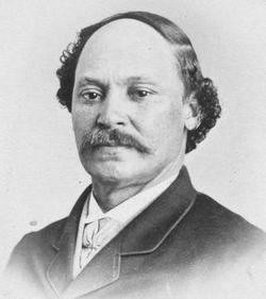
1821–1872, Amerika Birleşik Devletleri
Robert Seldon Duncanson
Amerikan Peyzajının Bir Öncüsü Robert Seldon Duncanson, hem sanatsal dehasıyla hem de tarihi önemiyle yankılanan bir isim olarak, 19. yüzyıl Amerikan sanatında kilit bir figür olarak ortaya çıkmıştır. Avrupa ve Afrika kökenli ebeveynlerden, babası John Dean Duncanson'ın (özgür bir Siyah esnaf) çalışkanlık ve öğrenme değerlerini aşıladığı ortamda, yaklaşık 1821 yılında New York'un Fayetteville şehrinde doğdu. Duncanson, ırksal önyargıyla dolu bir dünyada yol alırken aynı zamanda bir peyzaj ressamı olarak uluslararası bir şöhret kazandı.
Robert Seldon Duncanson Hakkında Robert Seldon Duncanson tarafından yapılmış öne çıkan eserler
Robert Seldon Duncanson tarafından yapılan diğer eserler
 Italianate Landscape1855
 Mount Healthy, Ohio1844
 The Drunkard's Plight, (painting)1846
 Light and Shade on Ruins on Carthage, (painting)1845
Pompeii üzerine denemeler
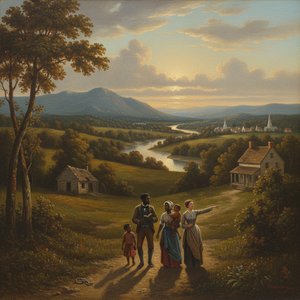 Robert Seldon Duncanson: Landscape, Abolitionism & Shaping American IdentityDiscover Robert Seldon Duncanson, the first internationally acclaimed African American landscape artist. Explore his connection to the Huds…
 Hubert Robert: Picturing Ruins, Preserving Memory – A Study of Romantic Antiquarianism & Artistic InnovationExplore the captivating world of Hubert Robert, master of Romantic landscape painting & 'capriccio' ruins. Discover his historical context,…
 25 Must-See Masterpieces at the Smithsonian American Art MuseumExplore 25 iconic works from the Smithsonian American Art Museum. From Hopper to O'Keeffe, find museum-quality art on OriginalUniqueArt.com.