Önizle
 Gönder
 Paylaş
 Detaylar
 Rehber

 Dosyayı İndir
 Benzerleri
 X-Işını
 Slayt Gösterisi
 İstatistikler
The Magician
 Tuval Üzerine Yağlı Boya
- Duvar Sanatı
- Surrealist Masterpiece
 1952
1952- Modern
 34.0 x 45.0 cm
 Devamını Oku
Bu sayfada sergilenen eser telif hakkı yasasıyla korunmaktadır; bu da yasal olarak eserin birebir kopyasını oluşturamayacağımız veya satamayacağımız anlamına gelir. Bu koruma, aşağıdakiler gibi uluslararası anlaşmalar kapsamında uygulanmaktadır: Bern Sözleşmesi ve aşağıdakiler de dahil olmak üzere ulusal yasalarca belirlenen ABD Telif Hakkı Kanunu - 17. Başlık.
Bu yöntem, koruma altındaki sanat eserinin kopyalanmasını veya çoğaltılmasını içermediği için telif hakkı düzenlemelerine tam uyum sağlar. Bunun yerine, yaratıcı bir yeniden yorumlamadır; orijinalinden etkilenen ancak onunla aynı olmayan yeni bir tablodur.
Giclée / Sanat Baskısı
Hızlı üretim ve esnek bitiş seçenekleriyle müze kalitesinde giclée veya kanvas baskı. ( El Yapımı Tablo Satın Al Dijital Görsel Satışına Geç)




P118B ₺10

P118H ₺10

P118W ₺10

P438Z ₺10

P508JH ₺12

P508YH ₺12

P805H ₺10

P805Z ₺10

P919BZ ₺10

P919G ₺10

P919XJ ₺10

P959ZH ₺10

P968JZ ₺12

W106C ₺8

W218G ₺10

W218JH ₺8

W218Y ₺10

W307PJ ₺10

W316G ₺10

W316PJ ₺8

W316Y ₺10

W398PJ ₺8

W4111J ₺10

W500HY ₺15

W500JH ₺15

W692G ₺12

W849H ₺8

W940BG ₺15

W953PJ ₺8




Eserin orijinal oranlarıyla uyumlu, önceden belirlenmiş boyutlarımız arasından seçim yapın.

Çerçevenize veya duvarınıza uygun olması için ihtiyacınız olan genişlik ve yüksekliği yazın. Bir baskı yalnızca kesilebilir, görselden daha büyük hale getirilemez; bu nedenle farklı bir formdaki boyut seçimi, görselin bir kısmının kaybına neden olur. Herhangi bir baskı yapmadan önce onaylamanız için size bir dijital taslak gönderiyoruz. Bu sayfada gösterilen resim gerçek kesimi göstermez — bunu yalnızca taslak gösterir.
Dünya Çapında Teslimat (); standart 4/5 hafta yerine 2 haftada. (22 Ekim)

Dünya Çapında Ücretsiz Ekspres Kargo

Yüksek Kaliteli Keten Tuval

Tam Nakliye Sigortası

Gümrük Vergisi İadesi Garantisi

Gerçek Renk Uyumu Garantisi

100 Günlük İade Koşulları (Sadece Üretim Hatalı Ürünler İçin)

%100 Para İade Garantisi

Toplu Alım Avantajı
 Cam seçeneği yalnızca 110 cm altındaki boyutlar için mevcuttur.

The Magician
Giclée / Sanat Baskısı
Baskı Boyutu
-


Toplam Fiyat
₺ 3909
The Magician: René Magritte'dan Sürrealist Bir Başyapıt
René Magritte'nin 1952 yılında yarattığı The Magician (Büyücü), algı ve illüzyon üzerine büyüleyici bir keşiftir. Tuval üzerine yağlı boya ile icra edilen bu şaheser, 34 x 45 cm boyutlarında olup sanatçının imzası niteliğindeki Sürrealist üslubun en seçkin örneklerinden birini sunar; izleyicileri gerçeklik ile fantezinin iç içe geçtiği bir dünyaya davet eder.
Konu ve Kompozisyon
Eser, resmi kıyafetler içinde bir masada oturan ve görünüşe göre yemek yemek üzere olan bir adamı tasvir eder. Kompozisyon, samimi ve odaklanmış bir yapıdadır; bir öğün öncesindeki sessiz bir düşünce veya beklenti anını yakalar. Merkeze yerleşen figür; koyu renkli bir takım elbise, beyaz bir gömlek ve mavi bir kravat giymiş, özenle giyinmiş bir adamdır. Beyaz bir masa örtüsüyle kaplı masada bir tabak yemek, koyu renkli bir sıvı ile dolu bir kadeh, bir çatal ve bir peçete yer almaktadır. Masanın sağ tarafında ise bir parça ekmek dikkat çeker.
Adamın duruşu rahat ancak bilinçlidir; bir eli sandalyesinin arkasına yaslanmış, diğer elinde ise sanki tam bir lokma alacakmış gibi çatalı ağzına yakın tutmaktadır. Yüzündeki ifade sakin ve hafifçe düşüncelidir, bu da sahneye duygusal bir derinlik katmaktadır.
Üslup ve Teknik
Tablonun üslubu, konunun detaylı temsiliyetine ve gerçekçi sunumuna odaklanan realist bir yaklaşımdır. Teknik olarak yağlı boya olan eser, pürüzsüz fırça darbeleri ve zengin, dokulu bir yüzeyle karakterize edilir. Sanatçı, formları inşa etmek, derinlik ve hacim hissi yaratmak için boya katmanlarını ustalıkla kullanmıştır.
Renk paleti; kahverengi, bej ve koyu yeşilin mat tonlarının hakimiyetinde, sakin ve toprak tonlarındadır. Adamın takım elbisesi derin bir siyah olup, beyaz gömleği ve mavi kravatıyla kontrast oluşturur. Beyaz masa örtüsü, tablodaki daha karanlık unsurlara temiz ve parlak bir karşı nokta sağlar. Kadehteki koyu renkli sıvı ise renk çeşitliliği katsa da genel mat şema içerisinde kalır.
Belçikalı Sürrealist sanatçı René Magritte, 21 Kasım 1898'de Belçika'nın Lessines kentinde doğmuştur. Sanat üslubu; Empresyonizm, Fütürizm ve Kübizm gibi çeşitli akımlardan etkilenerek yıllar içinde önemli ölçüde evrilmiştir. Magritte, 1926 yılında ilk sürrealist tablosunu üreterek ikonik Sürrealist döneminin başlangıcını müjdelemiştir.
The Magician, Magritte'nin gerçekliğin geleneksel algılarına meydan okuma tutkusunu yansıtan bu dönemin bir parçasıdır. Eser, gizemli cazibesiyle izleyicileri büyülemeye devam ettiği Belçika Kraliyet Güzel Sanatlar Müzeleri'nde muhafaza edilmektedir.
Sembolizm ve Duygusal Etki
Eserin konusu, yalnız bir yemek deneyimi etrafında döner; bu durum yalnızlık, iç gözlem veya basit bir yemek keyfi gibi duyguları uyandırabilir. Adamın düşünceli ifadesi, o anın ötesinde bir şeyleri tefekkür ediyor olabileceğini düşündürerek sahneye duygusal bir karmaşıklık katar.
Sembolik olarak, tek başına yemek yeme eylemi; yalnızlık, kendine yetme veya günlük hayatın sıradan yönleri gibi çeşitli temaları temsil edebilir. Masa düzeninin özenli yerleşimi ve adamın resmi kıyafetleri, hayatındaki bir ritüel veya rutin duygusuna da işaret ediyor olabilir.
Neden Bu Reproduksiyonu Seçmelisiniz?
Mekanlarına Sürrealist bir gizem katmak isteyen sanatseverler, koleksiyonerler ve iç mimarlar için René Magritte'nin The Magician eseri olağanüstü bir seçimdir. Bu yüksek kaliteli reprodüksiyon, Magritte'nin orijinal çalışmasının özünü yakalayarak onun gizemli cazibesini ve duygusal derinliğini evinize veya ofisinize taşır.
İster eserin tarihsel öneminden, ister büyüleyici konusundan, isterseniz de düşünceleri harekete geçirme yeteneğinden etkilenin; bu reprodüksiyon her sanat koleksiyonuna zamansız bir katkı sağlayacaktır. İzleyicileri gerçeklik ve hayal gücünün sınırlarını keşfetmeye davet eden bir parçayla yaşam alanınızı yüceltin.
Soru ve Cevaplar
René Magritte imzalı "The Magician" eserinin yönü nedir?
René Magritte imzalı "The Magician", Yatay bir kompozisyona sahiptir. Baskı boyutuna karar vermeden önce oranları kontrol etmeye değer.
René Magritte, "The Magician" eserini kaç yaşında yaptı?
René Magritte, "The Magician" adlı eserini 54 yaşındayken yaptı. Sanatçı 1898 yılında doğmuştur ve eser 1952 tarihine aittir.
René Magritte imzalı "The Magician", aranan Surrealist Masterpiece eserleri arasında mı?
Katalogdaki Surrealist Masterpiece eserleri arasında "The Magician", Tanınmış olarak kaydedilmiştir.
Sanatçı Biyografisi
Early Life and the Seeds of Surrealism
René Magritte, born René François Ghislain Magritte on November 21, 1898, in Lessines, Belgium, emerged into a world that would profoundly shape his enigmatic artistic vision. His early years were marked by an unsettling event – the suicide of his mother when he was just thirteen. The image of her body being recovered from the River Sambre, with her dress obscuring her face, became a haunting motif that would subtly permeate his later work, manifesting in veiled figures and a persistent exploration of hidden realities. This early trauma instilled within him a fascination with mystery, loss, and the unsettling power of what remains unseen. While details of his childhood remain somewhat elusive, it’s clear this formative experience laid the groundwork for his lifelong questioning of perception and representation. He began drawing lessons at age ten, revealing an innate inclination towards visual expression, but initially explored Impressionism before embarking on a path that would lead him to become one of the most significant figures in Surrealist art.
Artistic Development and Influences
Magritte’s artistic journey was not immediate or straightforward. He studied at the Académie Royale des Beaux-Arts in Brussels, yet found its traditional methods stifling. His early work experimented with Futurism and Cubism, absorbing elements of these avant-garde movements but ultimately rejecting their purely formal concerns. It wasn't until encountering Giorgio de Chirico’s painting *The Song of Love* in 1922 that Magritte discovered a resonance that would irrevocably alter his artistic course. De Chirico’s dreamlike landscapes and unsettling juxtapositions unlocked within Magritte a new way of seeing – a world where the familiar could be rendered strange, and the ordinary imbued with profound mystery. This encounter sparked his commitment to Surrealism, though he often maintained a unique distance from its more overtly psychological or automatic approaches. He preferred a meticulous, almost clinical precision in his painting, using realistic techniques to depict illogical scenarios.
The Heart of Surrealism: Challenging Reality
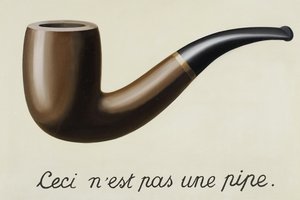
By 1926, Magritte had fully embraced the tenets of Surrealism, producing *Le Jockey Perdu (The Lost Jockey)*, widely considered his first truly surrealist work. However, his brand of Surrealism was distinct. He wasn’t interested in exploring the subconscious through free association or dream imagery in the manner of some of his contemporaries. Instead, Magritte sought to challenge viewers' perceptions of reality by presenting ordinary objects in unexpected contexts, forcing them to question their assumptions about the world around them. Iconic works like *The Treachery of Images (This is not a pipe)* (1929) brilliantly deconstructs the relationship between image and object, reminding us that a representation is never the thing itself. *Les Amants (The Lovers)* (1927-1928), with its shrouded figures, echoes the trauma of his mother’s death while simultaneously exploring themes of concealment and intimacy. *Time Transfixed* (1938) presents a locomotive bursting through a brick wall, disrupting our sense of space and time. And *The Human Condition* (1933), a canvas within a canvas, blurs the boundaries between representation and reality, prompting us to consider how we perceive and interpret the world.
Later Life, Recognition, and Enduring Legacy
Despite initial struggles for recognition, Magritte’s work gradually gained prominence, particularly in the United States with exhibitions in 1936 and later retrospective shows at the Museum of Modern Art (1965) and the Metropolitan Museum of Art (1992). He continued to refine his signature style, exploring themes of repetition, illusion, and the power of language in paintings that are both intellectually stimulating and visually arresting. Magritte died on August 15, 1967, leaving behind a body of work that continues to captivate and challenge audiences worldwide. His influence extends far beyond the realm of painting, impacting pop art, minimalist art, conceptual art, and even advertising and film. Today, his paintings are held in major museum collections around the globe, including the Musées royaux des beaux-arts de Belgique in Brussels, which houses the Magritte Museum – dedicated entirely to his work and boasting the world’s largest collection of his creations.
- Museum Collections: Musées royaux des beaux-arts de Belgique, Brussels; Magritte Museum.
Magritte's enduring legacy lies in his ability to make us see the familiar anew, to question our assumptions about reality, and to appreciate the power of art to provoke thought and inspire wonder. He wasn’t simply painting images; he was crafting visual paradoxes that continue to resonate with viewers decades after their creation, solidifying his position as a true master of Surrealism and a pivotal figure in 20th-century art.
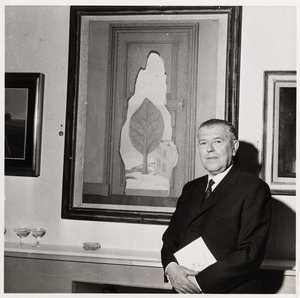
René Magritte
1898 - 1967 , Belçika
Kısa Bilgiler
- Artistic Movement Or Style: Gerçeküstücülük
- Artists Who Influenced This Artist: ['Giorgio de Chirico']
- Date Of Birth: Kasım 21, 1898
- Date Of Death: Ağustos 15, 1967
- Full Name: René François Ghislain Magritte
- Nationality: Belçikalı
- Notable Artworks:
- Les Amants
- Treachery of Images
- Time Transfixed
- Place Of Birth: Lessines, Belçika
İlgili Yazılar
Surrealist Painting Masterpieces: 10 Artworks That Redefined Reality | OriginalUniqueArt
Journey into the dreamlike world of Surrealism! Explore 10 masterpieces by Dali, Magritte & Miró that redefined art. Discover their stories & find museum-quality reproductions to elevate your home decor on OriginalUniqueArt.com.

Oil on Canvas: A Historical & Technical Exploration of a Timeless Artistic Medium
Explore the rich history & enduring techniques of oil painting on canvas. Discover the science behind its longevity, conservation practices, and contemporary relevance. Expert insights for art enthusiasts.

The Enduring Power of Painting: A Historical & Contemporary Exploration of Form and Emotion
Explore the rich history & enduring techniques of oil painting with OriginalUniqueArt. Discover masterpieces, learn about art collecting, and find authentic handmade reproductions crafted by skilled artists.

The Enduring Legacy of Oil on Canvas: Technique, History & Aesthetic Impact
Explore the rich history & techniques of oil painting – from Renaissance masters to Impressionism. Discover pigments, layering methods, and why this timeless medium endures. Expert insights for artists & art enthusiasts.

The Treachery of Images: Decoding René Magritte’s Surrealist Vision and the Paradox of Representation
Delve into the profound mysteries of René Magritte’s Surrealism. Explore an expert analysis of 'The Treachery of Images,' decoding the philosophical paradoxes and visual subversions that redefined modern art history for collectors and connoisseurs alike.