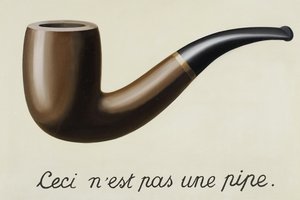
Önizle
 Gönder
 Paylaş
 Detaylar
 Rehber

 Dosyayı İndir
 Benzerleri
 X-Işını
 Slayt Gösterisi
 İstatistikler
Hasat


 Devamını Oku
Bu sayfada sergilenen eser telif hakkı yasasıyla korunmaktadır; bu da yasal olarak eserin birebir kopyasını oluşturamayacağımız veya satamayacağımız anlamına gelir. Bu koruma, aşağıdakiler gibi uluslararası anlaşmalar kapsamında uygulanmaktadır: Bern Sözleşmesi ve aşağıdakiler de dahil olmak üzere ulusal yasalarca belirlenen ABD Telif Hakkı Kanunu - 17. Başlık.
Bu yöntem, koruma altındaki sanat eserinin kopyalanmasını veya çoğaltılmasını içermediği için telif hakkı düzenlemelerine tam uyum sağlar. Bunun yerine, yaratıcı bir yeniden yorumlamadır; orijinalinden etkilenen ancak onunla aynı olmayan yeni bir tablodur.
Giclée / Sanat Baskısı
Hızlı üretim ve esnek bitiş seçenekleriyle müze kalitesinde giclée veya kanvas baskı. ( El Yapımı Tablo Satın Al Dijital Görsel Satışına Geç)




P118B ₺10

P118H ₺10

P118W ₺10

P438Z ₺10

P508JH ₺12

P508YH ₺12

P805H ₺10

P805Z ₺10

P919BZ ₺10

P919G ₺10

P919XJ ₺10

P959ZH ₺10

P968JZ ₺12

W106C ₺8

W218G ₺10

W218JH ₺8

W218Y ₺10

W307PJ ₺10

W316G ₺10

W316PJ ₺8

W316Y ₺10

W398PJ ₺8

W4111J ₺10

W500HY ₺15

W500JH ₺15

W692G ₺12

W849H ₺8

W940BG ₺15

W953PJ ₺8




Eserin orijinal oranlarıyla uyumlu, önceden belirlenmiş boyutlarımız arasından seçim yapın.

Çerçevenize veya duvarınıza uygun olması için ihtiyacınız olan genişlik ve yüksekliği yazın. Bir baskı yalnızca kesilebilir, görselden daha büyük hale getirilemez; bu nedenle farklı bir formdaki boyut seçimi, görselin bir kısmının kaybına neden olur. Herhangi bir baskı yapmadan önce onaylamanız için size bir dijital taslak gönderiyoruz. Bu sayfada gösterilen resim gerçek kesimi göstermez — bunu yalnızca taslak gösterir.
Dünya Çapında Teslimat (); standart 4/5 hafta yerine 2 haftada. (22 Ekim)

Dünya Çapında Ücretsiz Ekspres Kargo

Yüksek Kaliteli Keten Tuval

Tam Nakliye Sigortası

Gümrük Vergisi İadesi Garantisi

Gerçek Renk Uyumu Garantisi

100 Günlük İade Koşulları (Sadece Üretim Hatalı Ürünler İçin)

%100 Para İade Garantisi

Toplu Alım Avantajı
 Cam seçeneği yalnızca 110 cm altındaki boyutlar için mevcuttur.

Hasat
Giclée / Sanat Baskısı
Baskı Boyutu
-


Toplam Fiyat
₺ 3909
A Surrealist Reverie: Exploring René Magritte’s “The Harvest”
René Magritte, 21 Kasım 1898'de Belçika'nın Lessines şehrinde doğan René François Ghislain Magritte olarak hayatını yaşamaya başladı. Sanat tarihinin en etkili sürrealistlerinden biri olarak kabul edilen Magritte, görsel temsille verdiğimiz anlayışı kökten değiştirdi ve gerçekliğin doğasına dair sorular sormamızı sağladı. Eserlerinde, alışılagelmiş şeylerle kafeslik hissi yaratan, titiz detaylarla hayal gücüne meydan okuyan bozulmaların bir arada bulunması dikkat çekicidir. 1943 yılında Fransa'nın Carcassonne şehrinde geçirdiği süre zarfında yaptığı “The Harvest” (Hasat) adlı eser, bu ustalıkla sergilenen yaklaşımın mükemmel bir örneğini sunarak, yaratılışından yıllar sonra bile izleyicileri büyülemeye devam ediyor.Rüyaların Bağlamı: Sürrealizm ve Pierre-Auguste Renoir’in Etkisi
Magritte'nin sanatsal yolculuğu, erken dönemde Empresyonizmine duyduğu ilgiyle başladı; bu da, stilistik hassasiyetleri açısından Pierre-Auguste Renoir’in etkilerini yansıtıyordu. Ancak bu ilk etki, hızla daha derin bir keşfe dönüşerek, bilinçdışı imgeler ve mantıksız bağlantılar üzerine odaklandı – Sürrealizmin temel prensiplerinin özünü oluşturuyordu. Magritte gibi sanatçılar, sanatta akıl ve mantığın kısıtlamalarından kurtulmayı amaçlıyor, rüyaları ve hayalleri kullanarak derin duygusal gerçeklikleri ifade ediyorlardı. Eserin ortaya çıkışı, Magritte’nin “Renoir Dönemi” ile örtüşürken, soyut formlardan uzaklaşma ve renklerin etkileyici gücünü ve figüratif temsilleri koruma arzusunu yansıtıyordu – Renoir’in parlak manzaraları ve portrelerine bir gönderme niteliğindeydi.Renkleri ve Kompozisyonu Çözmek: Magritte’nin Sürrealist Tekniği
“The Harvest” (Hasat), cesur renk seçimleri ve etkileyici kompozisyon düzeniyle tanınabilir. Magritte, sadece dekoratif amaçla değil, sembolik iletişim araçları olarak kullanmak üzere – mavi, sarı, mor, kırmızı ve yeşiller gibi – canlı tonları tercih etti. Nü skulptürü, geleneksel anatomik temsilleri reddeden bir renk spektrumuyla tuval üzerinde baskın yerini alıyor. Özellikle, zemine sorunsuz bir şekilde karışan mavi ve sarı tonlarında boyanmış bacaklar dikkat çekiyor; bu, insan formunun doğa ortamıyla bulanıklaştığı sınırları temsil eden görsel bir metafor oluşturuyor. Bu teknik, Magritte’nin algısal beklentileri bozma ve illüzyon ile gerçeklik arasındaki farkı sorgulama konusundaki kararlılığını vurguluyor.İlüsyon İçindeki Sembolizm: Figür ve Manzara Temsilleri Olarak
Formal niteliklerinin ötesinde, “The Harvest” (Hasat), yoğun bir sembolik anlam taşıyor. Yatagelikteki nude figür, kırılganlık ve sessizlik kavramlarını temsil ediyor – çevresindeki dinamik manzaranın tam tersi bir duruş sergiliyor. Üstümüzde uzanan gökyüzü sonsuzluğu simgeliyor ve belki de ulaşılmaz bir ufuktan bahsediyor olabilir. Magritte’nin renk kullanımı, bu genel tematik uyumu önemli ölçüde etkiliyor. Göğsü ve yüzünü süsleyen kırmızılar ve yeşiller, canlılık ve tutku ile ilişkilendirilirken aynı zamanda rahatsız edici bir his de uyandırıyor – güzelliğin gizli kaygılarla birlikte var olabileceği konusunda ince bir hatırlatma niteliğinde.Varlık ve Tanınma: Sergiler ve Sürekli Cazibe
Mevcut haliyle, “The Harvest” (Hasat), Magritte’nin sanatsal evrimini sergileyen sayısız sergide yer aldı; 2021'de Musée d'Orsay ve Musée de l'Orangerie'deki "Magritte / Renoir. Surrealism in full sunlight" adlı retrospektif sergisinde yer aldı. Eserin devamlı çekiciliğinin nedeni, sadece estetik güzelliği değil, aynı zamanda algı, bilinç ve gerçeğin muğlak doğası hakkında temel soruları sormamızı sağlayan zihinsel uyarıcı niteliği. “The Harvest” (Hasat) baskıları, iç mimarlar ve sanat meraklıları tarafından da ilham kaynağı olmaya devam ediyor; René Magritte’in vizyoner zihnini ve sürrealist sanattaki kalıcı katkısını gözler önüne seriyor.- Hareket: Sürrealizm
- Konular: Nü Figürü, Manzara, Sürrealizm, Renk Paleti, Rüyalar Halinde Gerçeklik, Kompozisyon, Belçika Sanatı
- Yaratıcı Dönem: Renoir Dönemi
Soru ve Cevaplar
René Magritte imzalı "Hasat" hangi ruh halini ve duyguyu ifade ediyor?
"Hasat" eserinde, Huzurlu bir ruh hali Gizemli ve merak uyandırıcı bir duyguya eşlik ediyor.
René Magritte imzalı "Hasat" hangi sanat akımına aittir?
"Hasat", Surrealism akımına ait bir eserdir. Bu akım, eserin parçası olduğu sanatsal geleneği ifade eder.
René Magritte imzalı "Hasat" eserinin duygusal tonu nedir?
"Hasat", Gizemli ve merak uyandırıcı bir duyguyla ilişkilendirilir. Duygusal ton, eserin uyandırdığı izlenimi tanımlar.
Sanatçı Biyografisi
Early Life and the Seeds of Surrealism
René Magritte, born René François Ghislain Magritte on November 21, 1898, in Lessines, Belgium, emerged into a world that would profoundly shape his enigmatic artistic vision. His early years were marked by an unsettling event – the suicide of his mother when he was just thirteen. The image of her body being recovered from the River Sambre, with her dress obscuring her face, became a haunting motif that would subtly permeate his later work, manifesting in veiled figures and a persistent exploration of hidden realities. This early trauma instilled within him a fascination with mystery, loss, and the unsettling power of what remains unseen. While details of his childhood remain somewhat elusive, it’s clear this formative experience laid the groundwork for his lifelong questioning of perception and representation. He began drawing lessons at age ten, revealing an innate inclination towards visual expression, but initially explored Impressionism before embarking on a path that would lead him to become one of the most significant figures in Surrealist art.
Artistic Development and Influences
Magritte’s artistic journey was not immediate or straightforward. He studied at the Académie Royale des Beaux-Arts in Brussels, yet found its traditional methods stifling. His early work experimented with Futurism and Cubism, absorbing elements of these avant-garde movements but ultimately rejecting their purely formal concerns. It wasn't until encountering Giorgio de Chirico’s painting *The Song of Love* in 1922 that Magritte discovered a resonance that would irrevocably alter his artistic course. De Chirico’s dreamlike landscapes and unsettling juxtapositions unlocked within Magritte a new way of seeing – a world where the familiar could be rendered strange, and the ordinary imbued with profound mystery. This encounter sparked his commitment to Surrealism, though he often maintained a unique distance from its more overtly psychological or automatic approaches. He preferred a meticulous, almost clinical precision in his painting, using realistic techniques to depict illogical scenarios.
The Heart of Surrealism: Challenging Reality
By 1926, Magritte had fully embraced the tenets of Surrealism, producing *Le Jockey Perdu (The Lost Jockey)*, widely considered his first truly surrealist work. However, his brand of Surrealism was distinct. He wasn’t interested in exploring the subconscious through free association or dream imagery in the manner of some of his contemporaries. Instead, Magritte sought to challenge viewers' perceptions of reality by presenting ordinary objects in unexpected contexts, forcing them to question their assumptions about the world around them. Iconic works like *The Treachery of Images (This is not a pipe)* (1929) brilliantly deconstructs the relationship between image and object, reminding us that a representation is never the thing itself. *Les Amants (The Lovers)* (1927-1928), with its shrouded figures, echoes the trauma of his mother’s death while simultaneously exploring themes of concealment and intimacy. *Time Transfixed* (1938) presents a locomotive bursting through a brick wall, disrupting our sense of space and time. And *The Human Condition* (1933), a canvas within a canvas, blurs the boundaries between representation and reality, prompting us to consider how we perceive and interpret the world.
Later Life, Recognition, and Enduring Legacy
Despite initial struggles for recognition, Magritte’s work gradually gained prominence, particularly in the United States with exhibitions in 1936 and later retrospective shows at the Museum of Modern Art (1965) and the Metropolitan Museum of Art (1992). He continued to refine his signature style, exploring themes of repetition, illusion, and the power of language in paintings that are both intellectually stimulating and visually arresting. Magritte died on August 15, 1967, leaving behind a body of work that continues to captivate and challenge audiences worldwide. His influence extends far beyond the realm of painting, impacting pop art, minimalist art, conceptual art, and even advertising and film. Today, his paintings are held in major museum collections around the globe, including the Musées royaux des beaux-arts de Belgique in Brussels, which houses the Magritte Museum – dedicated entirely to his work and boasting the world’s largest collection of his creations.
- Museum Collections: Musées royaux des beaux-arts de Belgique, Brussels; Magritte Museum.
Magritte's enduring legacy lies in his ability to make us see the familiar anew, to question our assumptions about reality, and to appreciate the power of art to provoke thought and inspire wonder. He wasn’t simply painting images; he was crafting visual paradoxes that continue to resonate with viewers decades after their creation, solidifying his position as a true master of Surrealism and a pivotal figure in 20th-century art.
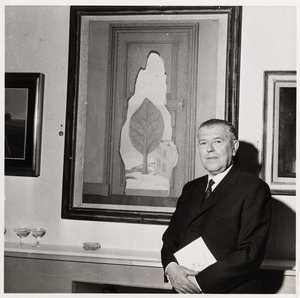
René Magritte
1898 - 1967 , Belçika
Kısa Bilgiler
- Artistic Movement Or Style: Gerçeküstücülük
- Artists Who Influenced This Artist: ['Giorgio de Chirico']
- Date Of Birth: Kasım 21, 1898
- Date Of Death: Ağustos 15, 1967
- Full Name: René François Ghislain Magritte
- Nationality: Belçikalı
- Notable Artworks:
- Les Amants
- Treachery of Images
- Time Transfixed
- Place Of Birth: Lessines, Belçika
İlgili Yazılar

İzlenimci Manzarayı Şekillendiren 10 Başyapıt: Sanat ve Ev Dekorasyonunda Zarafet
İzlenimci manzara sanatının zirvesi! Monet, Renoir gibi ustaların 10 başyapıtıyla doğanın büyüsünü keşfedin. Sanat tarihi ve ev dekorasyonunda iz bırakmış eserleri OriginalUniqueArt.com'da inceleyin. Koleksiyonumuzu online olarak keşfedin!

Impressionistic Landscapes: 10 Masterpieces That Changed Art & Decor
Journey into the heart of Impressionism! Explore 10 masterpieces by Monet, Renoir & Degas that revolutionized landscape art. Discover their stories, techniques & find museum-quality reproductions to elevate your home decor on OriginalUniqueArt.com.

Romantik Resmin Zirveleri: Evinizi Sanatla Süsleyen 10 Usta Manzara
Romantizm sanatının en etkileyici 10 başyapıtını keşfedin! Friedrich, Turner gibi ustaların büyüleyici manzaralarıyla evinizi dönüştürün. Sanat tarihi ve dekorasyon rehberi OriginalUniqueArt.com'da tüm koleksiyonu inceleyin.
Capturing Light: A Masterclass in the Ethereal Beauty of Impressionistic Landscapes
Explore the ethereal beauty of Impressionist landscapes. Discover how masters like Monet captured fleeting light through color and texture, and learn to curate these timeless, luminous masterpieces for your home collection.
Sürrealizmin İzinde: Sanat Tarihini Derinden Etkileyen 10 Başyapıt
Sürrealizmin büyüleyici dünyasına yolculuk! Dali, Magritte ve daha fazlasıyla sanat tarihini şekillendiren 10 başyapıtı keşfedin. Evinizi benzersiz eserlerle dekore edin. OriginalUniqueArt.com'da tüm koleksiyonu inceleyin!