
 Yağlı Boya Versiyonu
 Madrid hakkında her şey

































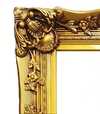
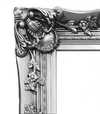

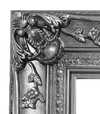


 Herhangi bir kenarı 105 cm'den (yaklaşık 41 inç) büyük olan sanat eserleri veya reprodüksiyonlar için çerçeve, demonte edilmiş bir kit halinde gönderilecektir. Bu yöntem, güvenli teslimat sağlar ve taşıma sırasında oluşabilecek hasarları önler.


Identification of the Artwork Madrid
The scene unfolds in a work titled Madrid, a creation by the artist Reginald Marsh. This piece captures a specific, fleeting moment within an urban setting, rendered through the fluid and spontaneous application of watercolor and ink wash. The composition centers on a mounted statue, a figure on horseback that commands the viewer's attention amidst the surrounding architectural details and the movement of people gathered at its base.
Reginald Marsh, who was born in Paris, France, in 1898, brings a sense of rhythmic energy to this depiction. His hand moves with a loose, sketch-like quality, using expressive lines to define the trees and the figures that populate the plaza. The work exists as a monochromatic study, relying on a grayscale palette of blacks, whites, and varying shades of gray to establish depth and form without the use of color.
The artist, who lived until 1954, focuses on the essence of the urban environment rather than meticulous realism. Through the layering of shapes and tonal values, a sense of space emerges, suggesting the presence of buildings and the textures of a public monument. Every brushstroke and wash of ink contributes to the feeling of a spontaneous observation, capturing the pulse of life in a quiet, tonal arrangement.
Visual Composition and Subject Matter
A central, mounted statue dominates the scene, its heavy form anchoring the composition slightly off-center. This equestrian monument rises above the plaza, casting a presence that dictates the energy of the surrounding space. At its base, small figures of people gather, their forms suggesting the quiet observation of a public moment. The arrangement feels asymmetrical, creating a sense of movement that pulls the eye across the frame rather than holding it in a static grip.
Architectural details and the gestural shapes of trees with foliage frame the monument, adding layers to the urban environment. These elements provide a sense of place within Madrid, though the focus remains on the interaction between the stone figure and the life unfolding beneath it. The composition captures a fleeting impression of the city, where the weight of the monument meets the spontaneous motion of the crowd.
Technique and Artistic Materials
The artist works with a monochromatic palette, stripping away color to focus entirely on the interplay of light and shadow. Using watercolor paints and ink on paper, the scene emerges through a series of fluid, expressive gestures. The medium allows for a spontaneous energy, where the liquid nature of the ink creates a textured surface. One can see the traces of the process in the way the washes bleed and the occasional drip that marks the paper's surface.
Every movement of the hand leaves a mark. Visible brushstrokes define the forms, ranging from thick, dark lines that anchor the central monument to thinner, more delicate strokes that suggest the surrounding foliage. This ink wash technique creates a sense of depth through varying tonal values rather than precise outlines. The paper grain remains apparent beneath the pigment, adding a tactile quality to the work that emphasizes the immediacy of the sketch-like approach.
Style and Visual Characteristics
The artwork carries the unmistakable stylistic fingerprints of Reginald Marsh, leaning heavily into the expressive freedoms of Expressionism and the light-focused sensibilities of Impressionism. A loose, sketch-like quality defines the entire scene, as if the artist is capturing a fleeting glance before the moment vanishes. Rather than seeking meticulous realism or sharp, clinical precision, the work prioritizes the raw energy and constant movement of the urban environment. The composition breathes with a sense of spontaneity, favoring the essence of the scene over rigid, anatomical accuracy.
A monochromatic grayscale palette governs the visual field, relying entirely on the interplay of blacks, whites, and varying shades of gray to build form. There is no color to distract the eye; instead, the viewer finds depth through tonal shifts and the layering of shapes. The lines themselves are expressive and unconstrained, appearing as spontaneous gestures that define the major forms of the monument and the surrounding architecture. These thick, dark strokes provide a structural weight, while thinner, more fluid lines suggest the lighter, more ephemeral details of the background and the foliage of the trees.
Soru ve Cevaplar
Madrid adlı bu eser el ile mi boyanmıştır yoksa baskı mıdır?
El ile boyanmıştır: eğitimli bir ressam, Madrid eserini keten kanvas üzerine yağlı boya ile yeniden çalışır.
Madrid için hangi boyutu seçmeliyim?
Orijinal eser 36 x 51 cm boyutlarındadır. Boyutlar 26.4 x 37.9 cm (₺12389) ile 168.1 x 242.0 cm (₺87789) arasında değişmektedir; bu sayfadaki tablo ana seçenekleri ve fiyatlarını listelemektedir.
Teslimat ne kadar sürer?
Dünya çapında ücretsiz ekspres kargo ile teslimat 4 ila 5 hafta sürmektedir; bu sayfa üzerinden acil üretim seçeneği de sunulmaktadır. Hiçbir koşul aranmaksızın, 100 gün içinde tam iade ile ürünü geri gönderebilirsiniz.
Reginald Marsh, Madrid eserinde hangi tekniği/malzemeyi kullanmıştır?
Watercolor
Bu tablo hakkında daha fazla bilgi
 Gerçek Boyutta Önizle

 Paylaş
 Paylaş
 Detayları Gör
 Bilgi Formu


 İndir
 Benzer ürünler
 X-Işını
 Slayt Gösterisi
 Soru & Cevap

 İstatistikler


