Gongbi Landscape · 1530
Handscroll (Qiu Ying, 1530)
Handscroll, Qiu Ying (1494–1552) tarafından yapıldı. 1530 yılına aittir. Gongbi Landscape akımına aittir. Acrylic On Canvas ile yapılmıştır. New York, Amerika Birleşik Devletleridaki Metropolitan Sanat Müzesi bünyesinde korunmaktadır.
- 1530
- Acrylic On Canvas
- Metropolitan Sanat Müzesi, New York

 Gerçek Boyutta Önizle

 El Yapımı Yağlı Boya Tablo
 Paylaş
 Paylaş
 Bilgi Formu


 İndir
 Benzer ürünler
 X-Işını
 Slayt Gösterisi
 Soru & Cevap

 İstatistikler
Handscroll hakkında kısa bilgi
- Başlık
- Handscroll
- Sanatçı
- Qiu Ying (1494–1552)
- Sanatçının doğum yeri
- Taicang, Çin Halk Cumhuriyeti
- Tarih
- 1530
- Teknik
- Acrylic On Canvas
- Sergilendiği yerler
- Metropolitan Sanat Müzesi, New York, Amerika Birleşik Devletleri
- Akım
- Gongbi Landscape
- Dönem
- Late Medieval
- Konu
- ming dynasty, landscape, scroll, qiu ying, luohans, chinese art
Handscroll neyi betimliyor?
Qiu Ying’s “Up the River During Qingming”: A Masterpiece of Ming Dynasty Serenity
“Up the River During Qingming,” painted by Qiu Ying during the mid-16th century, is more than just a landscape; it's a carefully constructed meditation on harmony, leisure, and the enduring beauty of nature. Attributed to one of China’s Four Masters of the Ming Dynasty – alongside Shen Zhou, Tang Yin, and Wen Zhengming – this exquisite handscroll offers a rare glimpse into the refined aesthetic sensibilities of Suzhou during that era. The work, currently residing in the collection of the National Gallery of Canada, invites viewers into a tranquil scene brimming with subtle symbolism and masterful brushwork.
Qiu Ying’s artistic journey was remarkably unconventional for his time. Rather than pursuing formal training within established art circles, he began as a lacquer artisan, honing his skills in meticulous detail – a foundation that profoundly influenced the precision and control evident throughout “Up the River During Qingming.” This early experience instilled in him an unparalleled understanding of line and color, qualities he would later translate into his celebrated landscape paintings. His apprenticeship with Zhou Chen in Suzhou further solidified his technical abilities, exposing him to the techniques of the Wu School, known for its emphasis on ink washes and a more expressive approach to nature.
A Symphony of Detail: Technique and Style
The painting’s remarkable quality stems from Qiu Ying's mastery of the gongbi technique – a highly detailed, realistic style that was favored by court painters. Each element—from the meticulously rendered bamboo stalks to the delicate folds of the pavilions—is executed with painstaking precision, creating an illusion of incredible depth and texture. Notice the subtle gradations of color achieved through layering washes of ink and pigment; this creates a luminous quality that brings the scene to life. The composition is carefully balanced, drawing the eye across the landscape in a deliberate and engaging manner. The artist’s use of loose brushwork, particularly in depicting the distant mountains and flowing river, contrasts beautifully with the tightly controlled detail of the foreground elements, demonstrating Qiu Ying's versatility and his ability to seamlessly blend different artistic approaches.
Symbolism Woven into the Landscape
“Up the River During Qingming” is rich in symbolic meaning. The scene depicts a scholar leisurely enjoying a day by the river, surrounded by carefully arranged pavilions and gardens. This imagery reflects the Confucian ideals of scholarly pursuits, contemplation, and harmony with nature – values highly esteemed during the Ming Dynasty. The presence of the tavern and the farmer gathering water vegetables adds a touch of everyday life to the scene, reminding us that even amidst beauty and tranquility, human activity continues. The bamboo grove, a recurring motif in Chinese art, symbolizes resilience, integrity, and longevity—qualities admired in virtuous individuals. The distant mountains represent permanence and stability, while the flowing river embodies fluidity and change.
A Window into Ming Dynasty Culture
Beyond its aesthetic beauty, “Up the River During Qingming” offers a valuable insight into Ming Dynasty culture. It reflects the importance of gardens as spaces for contemplation, artistic expression, and social interaction. The lavish furnishings within the pavilions—including the exquisite celadon vase—demonstrate the wealth and sophistication of the era’s elite. The painting also reveals the influence of philosophical ideas, particularly those associated with Zhou Dunyi, whose “On the Love for the Lotus” inspired the scene's composition and symbolism. Qiu Ying’s ability to seamlessly integrate these diverse elements into a cohesive and harmonious whole is a testament to his artistic skill and cultural awareness.
Collecting a Legacy: Reproduction and Inspiration
Reproductions of “Up the River During Qingming” capture only a fraction of the painting's original impact. The subtle nuances of color, texture, and brushwork are difficult to replicate fully, but high-quality reproductions offer an accessible way to appreciate Qiu Ying’s artistry. This work serves as a powerful reminder of the enduring appeal of Chinese landscape painting—a genre that continues to inspire artists and captivate viewers with its beauty, symbolism, and profound sense of serenity.
Handscroll adlı eseri hangi müze bünyesinde barındırmaktadır?
Metropolitan Sanat Müzesi
New York, Amerika Birleşik Devletleri
Metropolitan Sanat Müzesi'nin Kökenleri ve Tarihçesi Metropolitan Sanat Müzesi, bir grup iş insanı, finansör, önde gelen sanatçı ve düşünürün paylaştığı ortak bir vizyonla filizlendi. 1870 yılında resmiyet kazanan kurum, büyüyen koleksiyonuna ev sahipliği yapacak kalıcı bir mekan arayışına girdi. Müze, bugünkü konumuna yerleşmeden önce, West 14th Street üzerindeki Douglas Mansion malikanesinde kısa bir süre konakladı.
 Sokrates'in Ölümü, Metropolitan NYJacques-Louis David, 1787
 John Singer Sargent
Işık ve Toplum İçinde Bir Yaşam
Altın Çağ ile eş anlamlı olan ve zarafetin parıltısını yansıtan portreleriyle tanınan John Singer Sargent, hayatının çoğunu Avrupa sanat dünyasında yeteneklerini geliştiren Amerikalı bir sanatçıydı. 185John Singer Sargent, 1884
 Washington Delaware'i GeçiyorEmanuel Gottlieb Leutze, 1851
Handscroll için yüksek çözünürlüklü görseller

Kamu malı: sanatçı 1552 yılında vefat etmiştir.
Diğer boyutlar, kırpma seçenekleri ve alıntı bilgisi →Qiu Ying, Handscroll (1530), Metropolitan Sanat Müzesi. Kamu malı.
Handscroll hakkında sorular ve cevaplar
Qiu Ying imzalı "Handscroll" eseri bugün nerede sergileniyor?
Qiu Ying imzalı "Handscroll", Metropolitan Sanat Müzesi, New York, Amerika Birleşik Devletleri bünyesinde sergilenmektedir. Müze bilgisi reprodüksiyonları değil, eserin orijinalini ifade eder.
"Handscroll" hangi yıl yapıldı?
Qiu Ying imzalı "Handscroll", 1530 yılında yaratılmıştır.
Qiu Ying imzalı "Handscroll" hangi teknikle icra edilmiştir?
Qiu Ying, "Handscroll" adlı eserinde Acrylic On Canvas tekniğini kullanmıştır. Bu teknik, orijinal eserin maddi doğasını tanımlar.
Qiu Ying imzalı "Handscroll" eserinde hangi konular işleniyor?
Qiu Ying imzalı "Handscroll" eserinde yer alan temalar ming dynasty, landscape, scroll, qiu ying, luohans, chinese art, gongbi unsurlarını içermektedir. Bunlar birlikte, eserin konu içeriğini özetlemektedir.
"Handscroll" eseri kamu malı mı?
Qiu Ying imzalı "Handscroll" için telif hakkı durumu: eser kamu malıdır - telif hakkı süresi dolmuştur kapsamındadır. Bu durum, görüntünün çoğaltmalarının serbestçe yapılıp yapılamayacağını belirler.
"Handscroll" eserinin yaratıcısı kim?
"Handscroll", Qiu Ying tarafından yaratılmıştır. Bu sayfadaki bilgiler Qiu Ying imzalı orijinal esere aittir.
Qiu Ying imzalı "Handscroll" hangi sanat akımına dahil?
Qiu Ying imzalı "Handscroll", Gongbi Landscape akımına aittir. Bu akım, eserin üslup bağlamını sunmaktadır.
"Handscroll" adlı eser, Qiu Ying kariyerinin hangi dönemine ait?
Qiu Ying'in kariyerinde "Handscroll", Mid-16th Century dönemine denk gelmektedir. Bu evre, eserin sanatçının diğer çalışmalarıyla kıyaslanmasına olanak tanır.
Qiu Ying, "Handscroll" eserini kaç yaşında yaptı?
Qiu Ying, 1530 yılında "Handscroll" eserini oluşturduğunda 36 yaşındaydı. Bu yaş, sanatçının 1494 olan doğum yılı esas alınarak hesaplanmıştır.
Sanatçı hakkında, Qiu Ying
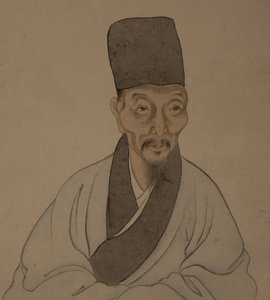
1494–1552, Çin Halk Cumhuriyeti
Qiu Ying
Fırça Darbeleriyle Şekillenen Bir Hayat: Qiu Ying'in Dünyası 1494 yılında, günümüz Jiangsu eyaletine yakın Taicang kasabasında mütevazı bir ailede dünyaya gelen Qiu Ying, Ming Hanedanlığı'nın en ünlü ressamlarından biri olma yolunda yükseldi. Döneminin akademik bir yetiyle büyüyen ve yerleşik sanat çevrelerinde resmi eğitim alan pek çok sanatçısının aksine, Qiu Ying'in yolu dikkat çekici derecede kendi çabalarıyla çizilmiştir. Sanat yolculuğuna geleneksel kanallardan değil, bir lake zanaatkarı çırağı olarak başladı; burada detaylı dekoratif işlerde yeteneklerini geliştirme fırsatı buldu. Bu temel, daha sonraki tablolarının karakteristik özelliği olan titiz hassasiyete derinlemesine etki edecekti.
Qiu Ying Hakkında Qiu Ying tarafından yapılmış öne çıkan eserler
Qiu Ying tarafından yapılan diğer eserler
 Up the River During Qingming1644
 Zhao Mengfu Writing the Heart (Hridaya) Sutra in Exchange for Tea1542
 Lady Su Hui and Her Verse Puzzle501
 The Seven sages of the bamboo grove1552

Handscroll üzerine denemeler
 Understanding Chinese Painting: A Comparison of Gongbi and XieyiMaster the differences between Gongbi and Xieyi styles. Discover the history and techniques of Chinese ink painting now.
 25 Must-See Masterpieces at Berlin's Alte NationalgalerieExplore 25 iconic masterpieces from Berlin's Alte Nationalgalerie. From Romanticism to Impressionism, discover them all on OriginalUniqueAr…
 Understanding Chinese Art: Literati Painting and Song Academy PaintingMaster the distinction between Song Academy and Literati painting styles. Explore Chinese art history through expert analysis today.