
 Gerçek Boyutta Önizle
 Paylaş
 Paylaş
 Detayları Gör
 Rehber

 İndir
İndir
 Benzer ürünler
 X-Işını
 Slayt Gösterisi
 Q&A
Q&A İstatistikler
Musical Trio


 Tümünü Gör
Giclée / Sanat Baskısı
Hızlı üretim ve esnek bitiş seçenekleriyle müze kalitesinde giclée veya kanvas baskı. ( El Yapımı Tablo Satın Al Dijital Görsele Geç)




































Eserin orijinal oranlarıyla uyumlu, önceden belirlenmiş boyutlarımız arasından seçim yapın.

Çerçevenize veya duvarınıza uygun olması için ihtiyacınız olan genişlik ve yüksekliği yazın. Bir baskı yalnızca kesilebilir, görselden daha büyük hale getirilemez; bu nedenle farklı bir formdaki boyut seçimi, görselin bir kısmının kaybına neden olur. Herhangi bir baskı yapmadan önce onaylamanız için size bir dijital taslak gönderiyoruz. Bu sayfada gösterilen resim gerçek kesimi göstermez — bunu yalnızca taslak gösterir.
Dünya Çapında Teslimat (); standart 4/5 hafta yerine 2 haftada. (3 Kasım)

Dünya Çapında Ücretsiz Ekspres Kargo

Yüksek Kaliteli Keten Kanvas

Tam Nakliye Sigortası

Gümrük Vergisi İadesi Garantisi

Gerçek Renk Uyumu Garantisi

100 Günlük İade Politikası (Sadece Kusurlu Ürünler İçin)

%100 Para İade Garantisi

Toplu Alım İndirimi
 Cam seçeneği yalnızca 110 cm altındaki boyutlar için mevcuttur.

Musical Trio
Giclée / Sanat Baskısı
Reproduksiyon Boyutu
-


Toplam Tutar
₺ 3933
A Moment of Refined Leisure: Pieter de Grebber's "Musical Trio"
Step into a world of quiet elegance and artistic refinement with Pieter de Grebber’s captivating “Musical Trio,” painted in 1623. This exquisite oil on canvas transports us to the intimate setting of a Dutch Golden Age home, where music and intellectual pursuits intertwine. The scene depicts three figures – a woman seated at a desk, a gentleman attentively listening, and a young boy observing with rapt attention – engaged in what appears to be a shared musical experience. De Grebber masterfully captures a fleeting moment of domestic harmony, inviting viewers to contemplate the values and aesthetics of 17th-century Dutch society.Style & Technique: Baroque Realism
De Grebber’s style firmly resides within the Baroque tradition, yet infused with a distinct classicist sensibility influenced by his exposure to Peter Paul Rubens' work. The painting showcases remarkable realism, evident in the meticulous rendering of fabrics – note the delicate lace and intricate embroidery adorning the woman’s attire – and the nuanced expressions on each figure’s face. The artist employs chiaroscuro—the dramatic use of light and shadow—to create depth and three-dimensionality, drawing the eye to the central figures while subtly obscuring the background. This technique not only enhances the realism but also contributes to a sense of intimacy and focused attention within the scene. The brushwork is smooth and controlled, characteristic of Dutch Golden Age painting, allowing for incredible detail without sacrificing overall harmony.Historical Context & Symbolism
Created during the Dutch Golden Age (roughly 1602-1702), a period of unprecedented economic prosperity and cultural flourishing in the Netherlands, "Musical Trio" reflects the era’s emphasis on education, domesticity, and refined leisure. Music was highly valued within Dutch society, often associated with intellectual pursuits and social status. The presence of the open book suggests literacy and learning, further reinforcing the image of a cultured household. The figures' attire—particularly the woman’s elaborate dress—indicates their position within the upper echelons of society. While overt symbolism is subtle, the attentive gaze of the gentleman and boy towards the woman could be interpreted as representing respect for female intellect or perhaps hinting at familial relationships and mentorship. De Grebber's connection to Jan Albertszoon Ban, a priest and musicologist, further underscores the painting’s engagement with musical culture.Emotional Impact & Artistic Legacy
"Musical Trio" evokes a sense of tranquility, intellectual curiosity, and shared enjoyment. The quiet intimacy of the scene invites viewers to step into this world and momentarily share in their experience. De Grebber's ability to capture subtle emotions—the woman’s focused concentration, the gentleman’s attentive listening, the boy’s eager observation—is a testament to his skill as a portraitist and genre painter. As a student of Hendrick Goltzius and influenced by Rubens, de Grebber contributed significantly to the development of Dutch Golden Age painting, leaving behind a legacy of refined realism and evocative depictions of domestic life. His influence can be seen in later artists like Gerbrand van den Eeckhout and his own pupils, solidifying his place as a key figure in 17th-century art.Soru ve Cevaplar
"Musical Trio" eserinin yüksek çözünürlüklü indirme seçeneği mevcut mu?
Pieter De Grebber imzalı "Musical Trio" eserinin dijital dosyasını edinmek için, Yüksek Çözünürlüklü Dijital Görsel sayfasından yüksek çözünürlüklü dijital görsel indirme siparişi verebilirsiniz.
"Musical Trio" eserinin arkasındaki sanatçı ve tarz hangisidir?
Pieter De Grebber, "Musical Trio" adlı eserini Baroque akımı içerisinde yaratmıştır.
"Musical Trio" eserindeki renkler birbiriyle nasıl bir uyum içinde?
Pieter De Grebber imzalı "Musical Trio", Strong Color Unity bir renk uyumu sergiliyor.
Sanatçı Özgeçmişi
Haarlem Klasisizminin Ustası
Hollanda Altın Çağı'nın canlı dokusunda, Pieter de Grebber tarafından atılan iplikler kadar zarif işlenmiş çok az motif vardır. 1600 yılında tarihi Haarlem şehrinde dünyaya gelen De Grebber, hem sanata hem de inanca derin köklerle bağlı bir soydan geliyordu. Ressam ve nakışçı Frans Pietersz de Grebber'in en büyük oğlu olarak çıraklığı, fırça ve iğne ritimlerinin günlük yaşamın bir parçası olduğu samimi bir aile atölyesinin sınırları içinde başladı. Katolik bir sanat hanesinde geçen bu erken dönem, ona hem resmi siparişlerin kamusal görkeminde hem de gizli Katolik kiliselerinin daha mahrem, ruhani gereksayılarında yolunu bulmasını sağlayacak eşsiz bir kültürel perspektif kazandırdı.
De Grebber’in eğitimi taşralı bir anlayışın çok ötesindeydi; sanatını efsanevi Hendrick Goltzius'un rehberliğinde geliştirirken, klasisizmin yükselişinden önceki sofistike Maniyerist gelenekleri özümsedi. Sanat yolculuğu, farklı etkileri tek bir kişisel vizyonda sentezleme konusundaki olağanüstü yeteneğiyle damgalanmıştı. Utrecht Caravaggisti ressamların dramatik ışık-gölge (chiaroscuro) kullanımından, Peter Paul Rubens'in güçlü enerjisinden ve Rembrandt'ın eserlerinde bulunan psikolojik derinlikten güç aldı. Bu sentez, onun her tuvale hayat üfleyen rafine bir netlik, iyi düzenlenmiş kompozisyonlar ve ışık tonlarının zarif kullanımıyla karakterize edilen Haarlem Klasisizmi akımının başlıca mimarlarından biri olmasını sağladı.
Işık ve Kompozisyonun Mirası
De Grebber’in eserlerinin genişliği, boya aracılığıyla bir hikaye anlatıcısı olarak sahip olduğu çok yönlülüğün bir kanıtıdır. Konularının onurunu ve karakterini sarsılmaz bir elle yakalayan bir portre ustası olsa da, asıl üslup yenilikçiliği tarihsel sahnelerinde ve manzara resimlerinde parlıyordu. Çalışmaları, seleflerinin ağır gölgelerinden uzaklaşarak daha aydınlık ve dengeli bir estetiğe doğru evrildi. Bu yaklaşım, onu prestijli mimari projeler için aranan bir yetenek haline getirdi; Naaldwijk'teki Huis Hasılarstdyk dekorasyonuna önemli katkılarda bulundu ve Lahey'deki Huis ten Bosch bünyesindeki Paleis Noordeinde üzerinde çalıştı.
Fırça darbelerinin ötesinde, De Grebber entelektüel derinliği olan bir adamdı. Sanatın biçimsel ilkelerine olan bağlılığı, onu 1649 yılında resim kurallarını gelecek nesiller için kodlamayı amaçlayan Regulen welcke by... adlı risaleyi yazmaya yöneltti. Bu bilimsel çaba, Nicolaes Pietersz Berchem ve Dirck Helmbreeker gibi önemli öğrencilere öğretmenlik rolüyle birleşince, etkisinin 1652'deki ölümünden çok sonra bile Hollanda sanat sahnesinde yankılanmaya devam etmesini sağladı.
Pieter de Grebber'in özünü anlamak, kariyerinin şu temel sütunlarını takdir etmeyi gerektirir:
- Sanatsal Soy: Önde gelen bir Haarlem sanat ailesinde yetişmiş, doğrudan babasından ve büyük usta Goltzius'tan öğrenmiştir.
- Üslup Yenilikçiliği: Caravaggismo'nun dramını Rubens'in zarafetiyle harmanlayan Haarlem Klasisizmi'nin öncüsüdür.
- Prestijli Siparişler: Önemli kraliyet ve devlet konutlarını dekore etmesi için Stadholder Frederik Hendrik tarafından güven duyulan bir isimdir.
- Entelektüel Katkı: Yazılı risaleleri aracılığıyla kendi çağının biçimsel standartlarını tanımlamaya çalışan yetkin bir teorisyendir.
Son yıllarında Haarlem Béguinage'da nispeten sakin bir hayat sürse de, aydınlık manzaralarının ve yapılandırılmış tarihsel sahnelerinin etkisi silinmez kalmıştır. O, sadece döneminin bir ressamı olarak değil, on yedinci yüzyılın başındaki çalkantılı enerji ile Hollanda ustalığının zirvesini tanımlayacak olan vakur, klasik zarafet arasında bir köprü olarak durmaktadır.

Pieter De Grebber
1600 - 1652 , Hollanda
Kısa Bilgiler
- Bu Sanatçıyı Etkileyen Sanatçılar:
- Caravaggio
- Rubens
- Maíno
- Hals
- Lan Ying
- Honthorst
- Sanatsal Akım Veya Tarz: Barok
- Tam Isim: John Testicle
- Ölüm Tarihi: 1652
Benzer Yazılar

Golden Light & Dutch Skies: The Timeless Magic of Dutch Golden Age Landscapes
Discover the breathtaking beauty of Dutch Golden Age landscapes. Explore the mastery of light, chiaroscuro, and 17th-century realism through an expert art history lens, celebrating the enduring legacy of the Dutch Masters for discerning collectors and art lovers.

Chiaroscuro and Character: A Definitive Guide to Light and Shadow in the Dutch Baroque Era
Explore the dramatic mastery of the Dutch Baroque era. Discover how masters like Rembrandt used chiaroscuro to transform everyday life into timeless art. An expert guide for collectors and enthusiasts seeking to understand the profound interplay of light and shadow.

Golden Age Reflections: Dutch Baroque Painting & Cultural Innovation
Explore the Dutch Golden Age of painting! Discover key artists like Vermeer & ter Borch, their innovative techniques, and the rich cultural context behind these Baroque masterpieces. Learn about collecting & appreciating this iconic art period.

Hollanda Altın Çağı'nın 10 Eseri: Sanat ve Ev Dekorasyonunda Usta Dokunuşlar
Hollanda Altın Çağı'nın en büyüleyici 10 eseriyle sanat tarihine yolculuk! Rembrandt, Vermeer ve daha fazlasının ustalıklarını keşfedin. Evinizi sanatla taçlandırın. OriginalUniqueArt.com’da tüm başyapıtları inceleyin.
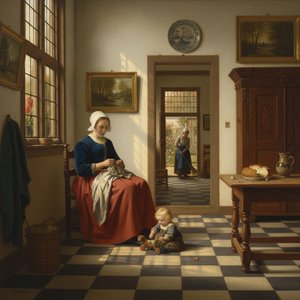
Pieter de Hooch: Illuminating Dutch Domestic Life & Golden Age Charm
Explore the captivating world of Pieter de Hooch, a master of Dutch Golden Age painting. Discover his innovative use of light, intimate domestic scenes, and lasting influence on art history. Learn more at OriginalUniqueArt.