
 Gerçek Boyutta Önizle
 Paylaş
 Paylaş
 Detayları Gör
 Rehber

 İndir
İndir
 Benzer ürünler
 X-Işını
 Slayt Gösterisi
 Soru & Cevap
 İstatistikler
View on the Sea

- 27.0 x 44.0 cm


 Tümünü Gör
Giclée / Sanat Baskısı
Hızlı üretim ve esnek bitiş seçenekleriyle müze kalitesinde giclée veya kanvas baskı. ( El Yapımı Tablo Satın Al Dijital Görsele Geç)




P118B ₺10

P118H ₺10

P118W ₺10

P438Z ₺10

P508JH ₺12

P508YH ₺12

P805H ₺10

P805Z ₺10

P919BZ ₺10

P919G ₺10

P919XJ ₺10

P959ZH ₺10

P968JZ ₺12

W106C ₺8

W218G ₺10

W218JH ₺8

W218Y ₺10

W307PJ ₺10

W316G ₺10

W316PJ ₺8

W316Y ₺10

W398PJ ₺8

W4111J ₺10

W500HY ₺15

W500JH ₺15

W692G ₺12

W849H ₺8

W940BG ₺15

W953PJ ₺8




Eserin orijinal oranlarıyla uyumlu, önceden belirlenmiş boyutlarımız arasından seçim yapın.

Çerçevenize veya duvarınıza uygun olması için ihtiyacınız olan genişlik ve yüksekliği yazın. Bir baskı yalnızca kesilebilir, görselden daha büyük hale getirilemez; bu nedenle farklı bir formdaki boyut seçimi, görselin bir kısmının kaybına neden olur. Herhangi bir baskı yapmadan önce onaylamanız için size bir dijital taslak gönderiyoruz. Bu sayfada gösterilen resim gerçek kesimi göstermez — bunu yalnızca taslak gösterir.
Dünya Çapında Teslimat (); standart 4/5 hafta yerine 2 haftada. (5 Kasım)

Dünya Çapında Ücretsiz Ekspres Kargo

Yüksek Kaliteli Keten Kanvas

Tam Nakliye Sigortası

Gümrük Vergisi İadesi Garantisi

Gerçek Renk Uyumu Garantisi

100 Günlük İade Politikası (Sadece Kusurlu Ürünler İçin)

%100 Para İade Garantisi

Toplu Alım İndirimi
 Cam seçeneği yalnızca 110 cm altındaki boyutlar için mevcuttur.

View on the Sea
Giclée / Sanat Baskısı
Reproduksiyon Boyutu
-


Toplam Tutar
₺ 3985
A Vision of the Open Water: Unveiling Pierre Puget’s “View on the Sea”
Pierre Puget's "View on the Sea," created around 1670, isn’t merely a depiction of three ships navigating a hazy horizon; it’s a meticulously crafted tableau brimming with Baroque drama and an intimate understanding of human scale. Born in Marseille during a period of intense maritime activity, Puget’s life was inextricably linked to the sea – initially as a craftsman shaping the hulls of galleys, later as a celebrated sculptor, architect, and painter. This early immersion profoundly shaped his artistic vision, imbuing “View on the Sea” with an unparalleled sense of realism and emotional intensity. The drawing itself, rendered in fine pen and ink on vellum, possesses a remarkable immediacy, capturing a fleeting moment of naval preparation against a backdrop that simultaneously suggests vastness and quiet anticipation.
The composition immediately draws the eye to the central warship, dominating the scene with its imposing size and intricate rigging. Puget masterfully employs linear perspective, subtly diminishing the scale of the smaller vessels in the distance – a technique that convincingly conveys depth and the boundless expanse of the sea. The diagonal arrangement of these ships guides the viewer’s gaze across the canvas, creating a dynamic flow and reinforcing the sense of movement. Beyond mere representation, Puget sought to capture not just what he saw, but also the *feeling* of being at sea – the weight of responsibility, the potential for both glory and peril, all subtly conveyed through the posture of the ships and the atmospheric haze.
The Language of Line and Shadow: A Study in Baroque Technique
Puget’s mastery lies not only in his understanding of perspective but also in his exceptional command of line. The drawing is a testament to his meticulous technique, characterized by an astonishing level of detail achieved through the careful application of hatching and cross-hatching. These subtle variations in shading create a remarkable sense of texture – one can almost feel the roughness of the ship’s timbers, the tautness of the sails, and the shimmering surface of the water. The monochromatic palette, born from the limitations of pen and ink on vellum, paradoxically intensifies the drama; the absence of color forces the viewer to focus entirely on form, line, and light.
The lighting is remarkably soft and diffused, avoiding harsh contrasts and instead creating a sense of atmospheric depth. This deliberate choice contributes significantly to the painting’s overall mood – a blend of tranquility and latent tension. The artist's use of hatching creates an illusion of volume and form, particularly evident in the depiction of the ships’ rigging, which appears both complex and remarkably solid.
Symbolism and the Human Spirit at Sea
“View on the Sea” transcends a simple maritime scene; it’s imbued with symbolic resonance. The three ships represent not just vessels engaged in trade or warfare, but also embody the ambitions, challenges, and inherent risks associated with human endeavor. The central warship, with its imposing size and intricate details, speaks to the power of naval dominance, while the smaller boats hint at the diverse activities that sustained coastal communities. The hazy horizon suggests both the unknown possibilities of the future and the humbling vastness of nature – a potent reminder of humanity’s place within the larger world.
Furthermore, Puget's depiction of the ships’ crews—implied rather than explicitly shown—evokes a sense of human presence. The subtle gestures and postures suggest activity, anticipation, and perhaps even a touch of apprehension. This focus on the human element elevates the painting beyond mere topographical representation, transforming it into a powerful meditation on the relationship between humanity and the sea.
A Timeless Masterpiece: Reproduction and Beyond
Created over three centuries ago, “View on the Sea” remains a remarkably evocative work of art. Today, high-quality reproductions offer an accessible way to experience Puget’s genius in your own home or office. Whether adorning a grand salon or a more intimate space, this Baroque masterpiece continues to captivate and inspire with its dramatic composition, masterful technique, and profound exploration of the human spirit at sea. Consider it not just a painting, but a window into a bygone era—a testament to the enduring power of art to transport us across time and space.
Soru ve Cevaplar
"View on the Sea" adlı eser, Pierre Puget'in genel üretim tarzını yansıtıyor mu?
Pierre Puget'in yinelenen temaları baroque maritime scene, puget's dynamic brushwork, french naval influence, classical ship design, royal patronage art, religious undertones", early 17th-century style, marseille artistic legacy içerir; "View on the Sea" ise maritime, ships, sea, landscape, baroque, france, puget, vessels üzerine odaklanır.
"View on the Sea" eseri yaratıldığında Pierre Puget kaç yaşındaydı?
Pierre Puget, 1670 yılında "View on the Sea" eserini oluşturduğunda 50 yaşındaydı. Bu yaş, sanatçının 1620 olan doğum yılı esas alınarak hesaplanmıştır.
Pierre Puget imzalı "View on the Sea" eserinin gerçek boyutları nedir?
Orijinal Pierre Puget imzalı "View on the Sea" eseri 27 x 44 cm boyutlarındadır.
Sanatçı Özgeçmişi
Pierre Puget: Sanat ve Mühendislik İçinde Bir Ömür
- Doğum: Marsilya, Fransa (1620)
- Ölüm: 1694
İlk Yıllar ve İtalyan Etkileri
- Çıraklık Dönemi: Puget, kariyerine henüz on dört yaşındayken Marsilya'da inşa edilen kadırgalar için süslemeler oyarak başladı. Zanaatkârlığa olan bu erken maruziyeti, gelecekteki sanatsural arayışlarının temelini attı.
- İtalya Yolculuğu (1640): Yeni fırsatlar arayan sanatçı, İtalya'ya giderek önce Livorno, ardından Floransa'da bulundu. Burada bir ahşap oymacısı ve ressam olarak yeteneklerini derinleştirdi.
- Roma ve Pietro da Cortona: Sanatçının hayatındaki en dönüm noktası, Roma'da Pietro da Cortona'nın himayesine girmesiyle gerçekleşti. Puget, Palazzo Barberini ve Palazzo Pitti'deki görkemli tavanların boyanmasına yardım ederken, Roma Barok sanatının dinamizmini ve ihtişamını ruhuna kattı.
- Marsilya'ya Dönüş (1643): İtalya'da geçen üç yılın ardından Marsilya'ya döndüğünde, yanında İtalyan ustalar tarafından şekillendirilmiş rafine bir sanatsal duyarlılık getirmişti.
Başlıca Eserler ve Sanatsal Gelişim
- İlk Siparişler: Dönüşünün ardından Puget, Annibale Carracci ve Rubens'den etkilenen, sürekli evrilen bir üslup sergileyerek resim ve sunak tablosu siparişleri almaya başladı.
- Heykel Sanatındaki Atılımlar: Zamanla odağını heykel sanatına çevirdi; Fransız savaş gemilerinin kıç kısımları için hazırladığı madalyonlar gibi eserler, form ve detay üzerindeki artan ustalığını gözler önüne serdi.
- Vaux-le-Vicomte (1660'lar): Nicolas Fouquet, Puget'den Vaux-le-Vicomte'daki şatosu için bir Herkül heykeli yapmasını istedi. Bu durum, sanatçının kariyerinde önemli bir dönüm noktası olurken, güçlü figürlerin sanata olan desteğini de kanıtladı.
- Cenova Dönemi: Fouquet'nin düşüşünün ardından Puget, Cenova'ya taşındı. Burada “Hercule Gaulois” (Louvre) gibi önemli eserler ve Santa Maria di Carignano gibi kiliseler için heykeller yarattı.
- Versay Siparişleri: Colbert, Puget'yi Fransa'ya geri getirerek onu Versay projelerine yönlendirdi. Bu süreçte ortaya çıkan “Milo of Croton” ve “Perseus and Andromeda” gibi ünlü heykel grupları, dramatik yoğunlukları ve dışavurumcu realizmleriyle tanınırlar.
Üslup ve Etkiler
- Barok Draması: Puget'nin üslubu; hareket, duygu ve tiyatraliteyi vurgulayan Barok geleneğine sıkı sıkıya bağlıdır.
- Klasik İlham: Barok dinamizmini kucaklarken, eserleri aynı zamanda klasik formlara ve ideallere duyulan takdiri de yansıtır. ış
- Michelangelo ve Bernini: Heykelleri, Michelangelo'nun güçlü figürlerinden ve Bernini'nin dinamik kompozisyonlarından izler taşır.
- Benzersiz Bir İfade: Tüm bu etkilere rağmen Puget, ham enerjisi ve dışavurumcu yoğunluğuyla belirginleşen özgün bir tarz geliştirerek kendisini daha geleneksel Barok sanatçılardan ayırmayı başarmıştır.
Miras ve Tarihi Önem
- Sanat ve Mühendisliğin Köprüsü: Puget'nin sanatsal yeteneği ile mühendislik becerilerini kusursuz bir şekilde harmanlayabilme yeteneği eşsizdi. Deniz mimarisi ve tahkimatlar üzerindeki çalışmaları, sanatsal başarılarının yanında pratik bir deha sergilediğini kanıtlar.
- Izdırap Çeken Bir Deha: Théophile Gautier, onu yaratıcı sürecindeki yoğunluğu ve belki de içsel mücadeleleri yansıtacak şekilde, meşhur "mahkumların melankolik imparatoru" olarak tanımlamıştır.
- Kalıcı Etki: Puget'nin heykelleri, özellikle “Milo of Croton” ve “Perseus and Andromeda”, dışavurumcu güçleri ve teknik ustalıkları nedeniyle hayranlık uyandıran ikonik Fransız Barok heykel örnekleri olarak kalmaya devam etmektedir.
- Günümüzdeki Tanınırlığı: Eserleri, Louvre ve Marsilya Güzel Sanatlar Müzesi (Musée des Beaux-Arts de Marseille) dahil olmak üzere dünya çapındaki müzelerde sergilenmekte ve sanat tarihindeki önemli yerini pekiştirmektedir.
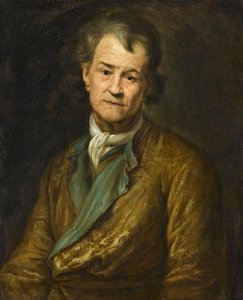
Pierre Puget
1620 - 1694 , Fransa
Kısa Bilgiler
- Artistic Movement Or Style: Barok
- Artists Who Influenced This Artist:
- Annibale Carracci
- Rubens
- Michelangelo
- Bernini
- Date Of Birth: 1620
- Date Of Death: 1694
- Full Name: Pierre Puget
- Nationality: Fransız
- Notable Artworks:
- Dinlenen Herkül
- Terrakota Faun
- Hôtel de Ville Kapısı
- Aziz Petrus'un Taşlanması
- Denizde Bir Fırkateyn
- Place Of Birth: Marsilya, Fransa
Benzer Yazılar

Pierre-Auguste Renoir'ın En İyi 25 Eseri: Işık ve Güzellik Sanatçısı | OriginalUniqueArt
Pierre-Auguste Renoir'ın en ikonik 25 eserini keşfedin! İzlenimci stilin büyüsü, renkli tabloları ve unutulmaz portreleri ile sanatçının dünyasına adım atın. Ev dekorasyonunuz için lüks baskılar OriginalUniqueArt'ta. Koleksiyonu şimdi keşfedin!

The Dramatic Flourish: Exploring the Baroque Movement's Enduring Legacy in Art History
Explore the dramatic world of Baroque art! Discover iconic artists like Caravaggio & Rubens, defining techniques, and its lasting impact on art history. Expert insights for collectors & enthusiasts at OriginalUniqueArt.

Barok Draması: Çağdaş İç Mekanlara Görkem ve Duygu Katmak
Barok sanatının görkemini evinize taşıyın! OriginalUniqueArt'ta el yapımı tablolar, uzman sanat danışmanlığı ve özel siparişlerle iç mekanlarınıza zarafet katıyoruz. Chiaroscuro tekniğiyle hayat bulan eserlerimizi keşfedin.

Barok Sanatın Zirveleri: Evinizi Büyüleyecek 10 Eser ve Hikayeleri
Barok sanatın en etkileyici 10 başyapıtını keşfedin! Caravaggio, Rembrandt ve daha fazlasının eserleriyle evinizi dönüştürün. Sanat tarihi, renkler ve duygularla dolu bu yolculukta OriginalUniqueArt.com'da müze kalitesinde replikalar bulun. Koleksiyonu çevrimiçi inceleyin!

Baroque Classicism: The Grandeur of Order and Drama in 17th-Century Art History
Explore the profound elegance of Baroque Classicism. Discover how 17th-century masters synthesized dramatic emotion with classical order through the lens of the Counter-Reformation and the works of legends like Carlo Maratta and Andrea Sacchi.
