
 Gerçek Boyutta Önizle
 Paylaş
 Paylaş
 Detayları Gör
 Rehber

 İndir
İndir
 Benzer ürünler
 X-Işını
 Slayt Gösterisi
 Q&A
Q&A İstatistikler
God the Father

- 47.0 x 60.0 cm


 Tümünü Gör
Giclée / Sanat Baskısı
Hızlı üretim ve esnek bitiş seçenekleriyle müze kalitesinde giclée veya kanvas baskı. ( El Yapımı Tablo Satın Al Dijital Görsele Geç)




P118B ₺10

P118H ₺10

P118W ₺10

P438Z ₺10

P508JH ₺12

P508YH ₺12

P805H ₺10

P805Z ₺10

P919BZ ₺10

P919G ₺10

P919XJ ₺10

P959ZH ₺10

P968JZ ₺12

W106C ₺8

W218G ₺10

W218JH ₺8

W218Y ₺10

W307PJ ₺10

W316G ₺10

W316PJ ₺8

W316Y ₺10

W398PJ ₺8

W4111J ₺10

W500HY ₺15

W500JH ₺15

W692G ₺12

W849H ₺8

W940BG ₺15

W953PJ ₺8




Eserin orijinal oranlarıyla uyumlu, önceden belirlenmiş boyutlarımız arasından seçim yapın.

Çerçevenize veya duvarınıza uygun olması için ihtiyacınız olan genişlik ve yüksekliği yazın. Bir baskı yalnızca kesilebilir, görselden daha büyük hale getirilemez; bu nedenle farklı bir formdaki boyut seçimi, görselin bir kısmının kaybına neden olur. Herhangi bir baskı yapmadan önce onaylamanız için size bir dijital taslak gönderiyoruz. Bu sayfada gösterilen resim gerçek kesimi göstermez — bunu yalnızca taslak gösterir.
Dünya Çapında Teslimat (); standart 4/5 hafta yerine 2 haftada. (2 Kasım)

Dünya Çapında Ücretsiz Ekspres Kargo

Yüksek Kaliteli Keten Kanvas

Tam Nakliye Sigortası

Gümrük Vergisi İadesi Garantisi

Gerçek Renk Uyumu Garantisi

100 Günlük İade Politikası (Sadece Kusurlu Ürünler İçin)

%100 Para İade Garantisi

Toplu Alım İndirimi
 Cam seçeneği yalnızca 110 cm altındaki boyutlar için mevcuttur.

God the Father
Giclée / Sanat Baskısı
Reproduksiyon Boyutu
-


Toplam Tutar
₺ 3933
A Divine Embrace: Pierre Mignard’s “God the Father”
Pierre Mignard’s “God the Father,” a captivating oil on canvas measuring 47 x 60 cm, transcends mere religious iconography to become a profound meditation on faith, power, and grace. Painted in the mid-17th century during his Roman period, this work stands as a testament to Mignard's mastery of Baroque principles – a harmonious blend of Italian grandeur and French elegance that secured his place among the most celebrated artists of his era. Initially housed within the National Gallery of Art in Washington D.C., it now exists as a vibrant reproduction available through OriginalUniqueArt, offering art enthusiasts a chance to experience its timeless beauty firsthand.
The painting immediately draws the eye to the central figure: God, depicted not as a stern patriarch but as an embodiment of benevolent authority and divine love. He is seated upon a cloud throne, radiating an aura of serene power. His outstretched arms, a gesture universally recognized as blessing, extend outwards, encompassing the assembled angels and cherubs that swirl around him in a dynamic, yet balanced composition. The color palette—a rich tapestry of deep blues, shimmering golds, and pristine whites—evokes a sense of celestial majesty, transporting the viewer to a realm beyond earthly concerns.
A Baroque Masterpiece: Technique and Composition
Mignard’s skill as an artist is evident in every brushstroke. The painting showcases his meticulous attention to detail, particularly in the rendering of drapery – flowing robes that cascade around God with an almost palpable sense of movement. The use of *chiaroscuro*, a technique employing dramatic contrasts between light and shadow, adds depth and volume to the scene, directing the viewer’s gaze towards the central figure while simultaneously creating a luminous halo effect. The composition itself is carefully orchestrated; diagonal lines created by the ascending figures guide the eye upwards, reinforcing the theme of ascension and spiritual elevation. The choice of oil on canvas allowed Mignard to achieve an unparalleled level of richness and luminosity in his colors, ensuring that the painting retains its vibrancy across centuries.
Historical Context: Rome and the Baroque
To fully appreciate “God the Father,” it’s crucial to understand the artistic landscape of 17th-century Rome. Mignard spent nearly two decades immersed in the heart of the Italian Baroque, absorbing the influences of masters like Caravaggio and Bernini. This Roman period profoundly shaped his style, imbuing his work with a dramatic intensity and a heightened sense of emotion – qualities that distinguish him from earlier Mannerist painters. His time in Rome also fostered a deep appreciation for classical forms and mythology, which he skillfully integrated into his religious compositions. The painting reflects this synthesis of influences, creating an image that is both deeply rooted in Christian tradition and imbued with the dynamism and theatricality characteristic of Baroque art.
Symbolism and Spiritual Resonance
Beyond its technical brilliance, “God the Father” is rich in symbolic meaning. The outstretched hands represent not only blessing but also protection and guidance – a tangible expression of God’s love for humanity. The angels surrounding him symbolize his divine presence and the multitude of beings who serve as his messengers. The cloud throne itself signifies divinity and transcendence. Furthermore, the painting speaks to universal themes of faith, hope, and redemption—concepts that resonate deeply with viewers across cultures and generations. It's a visual embodiment of the belief in a benevolent creator who offers salvation and eternal life.
Bringing “God the Father” Home
OriginalUniqueArt’s meticulously crafted reproductions allow art lovers to bring this magnificent masterpiece into their homes or offices. Each reproduction is created using high-quality materials and techniques, faithfully capturing the original's color, texture, and emotional impact. Whether you are a seasoned collector, an interior designer seeking to create a serene atmosphere, or simply someone who appreciates timeless beauty, “God the Father” by Pierre Mignard offers a profound and inspiring addition to any collection. Explore the available reproductions at /art/list/?Filter=8XZS3M-Pierre-Mignard-God-the-Father for a truly transformative experience.
Soru ve Cevaplar
Pierre Mignard imzalı "God the Father" eserinde hakim olan renk nedir?
Pierre Mignard imzalı "God the Father" eserinin baskın rengi Espresso (#544040)'dır.
Pierre Mignard imzalı "God the Father" bir iç mekana nasıl bir hava katar?
Pierre Mignard imzalı "God the Father", Dramatic bir atmosfere sahiptir ve Living Room için önerilir. Ruh hali, eserin çevresindeki mekana kattığı duygudur.
Pierre Mignard imzalı "God the Father", aranan Baroque eserleri arasında mı?
Pierre Mignard imzalı "God the Father", Recognized düzeyinde bir eser olarak sınıflandırılmakta ve Baroque akımına ait bulunmaktadır.
Sanatçı Özgeçmişi
Barok İhtişamın İçinde Bir Ömür
1612 yılında Fransa'nın Troyes kentinde dünyaya gelen Pierre Mignard, çağdaşı ve rakibi Charles Le Brun'un gölgesinde kalmış olsa da Fransız Barok resim sahnesinin en kilit figürlerinden biriydi. Zanaatkâr bir ailenin mütevazı ortamında başlayan hayatı, erken yaşlarda sergilediği sanatsız eğilimle şekillendi ve onu Maniyerist geleneklere bağlı bir ressam olan Jean Boucher'un yanında, ilk eğitimini almak üzere Bourges'e sürükledi. Bu temel dönem, sanatçıya form ve kompozisyona karşı derin bir hassasiyet kazandırdı; bu yeteneğini ise yerleşik sanatsal ilkelerin adeta bir okul salonu niteliğindeki Château de Fontainebleau'daki eserleri titizlikle kopyalayarak daha da rafine etti. En önemlisi, çalışmaları klasik etkileri savunan ve geniş uluslararası bağlantılara sahip bir usta olan Simon Vouet'nin Paris'teki atölyesinde devam etti. Bu biçimlendirici deneyimler, Mignard'ın İtalyan görkemini Fransız zarafetiyle harmanlayan kendine özgü üslubunun temellerini attı.Roma Düşleri ve “Mignardises”in Doğuşu
Mignard'ın sanatsal yolculuğunun belirleyici bir dönemi, 1635 yılında Roma'ya taşınmasıyla başladı. Yaklaşık yirmi iki yıl boyunca kendisini İtalyan Barok sanatının canlı kalbine bıraktı. Gerçek anlamda çiçek açtığı yer burasıydı; Madonna ve Çocuk figürlerine dair sunduğu şefkatli ve büyüleyici tasvirlerle ün kazandı. Bu imgeler o kadar büyüleyici ve zarifti ki, tatlı ve rafine niteliklerinin bir kanıtı olarak sevgiyle “mignardises” olarak anılmaya başlandı. İtalyan ustaların etkisi Roma dönemindeki eserlerinde her haliyle hissedilmektedir; dramatik kompozisyonlar, ışık ve gölgenin ustaca kullanımı ve genel bir tiyatrallık hissi bu dönemi karakterize eder. Dini siparişlerin ötesinde Mignası, Annibale Carracci'nin eserlerini titizlikle kopyaladığı reprodüksiyon gravürleri aracılığıyla teknik becerilerini geliştirdi ve sanatsal ilkelere dair anlayışını derinleştirdi. Yeteneği portre sanatına da yayıldı; papalar, kardinaller ve seçkin tabakanın üyeleri gibi önemli Roma figürlerinden siparişler alarak, sadece benzerliği değil, aynı zamanda karakteri de beceri ve zarafetle yakalama konusundaki ününü pekiştirdi.Paris'e Dönüş ve Sanatsal Çatışmalar
Mignard, 1657 civarında Kardinal Mazarin tarafından çağrılmasıyla Paris'e döndü ve böylece Fransız saray ressamlığının rekabet dolu dünyasına adım attı. Kral XIV. Louis de dahil olmak üzere nüfuzlu isimlerin himayesini hızla kazandı; ancak bu yükselişi, prestijli *peintre du roi* (kralın ressamı) unvanını elinde bulunduran Charles Le Brun'un hakimiyetiyle çakıştı. Bu durum kaçınılmaz olarak iki sanatçı arasında uzun süreli ve çoğu zaman acımasız bir rekabete yoluna açtı. Mignard, Académie Royale de Peinture et Sculpture'ın otoritesine aktif olarak karşı çıktı, kendisini yerleşik hiyerarşiden uzaklaştırdı ve sanatsal bağımsızlığı savundu. Bu çatışmaya rağmen, Turenne, Molière, Bossuet ve Madame de Maintenon gibi önemli şahsiyetleri tuvale aktararak bir portre ustası olarak parlamaya devam etti. Portreleri sadece doğru temsilleriyle değil, aynı zamanda sergiledikleri psikolojik derinlikle de takdir edilir; modellerinin özünü olağanüstü bir hassasiyetle yakalamayı başarmıştır.Miras ve Kalıcı Etki
Pierre Mignard'ın sanatsal mirası, temel olarak zarafetleri, titiz detayları ve karakter aktarma yetenekleriyle hayranlık uyandıran eşsiz portrelerine dayanmaktadır. Özellikle Roma döneminde yarattığı Madonna ve Çocuk tasvirleri içeren dini eserleri de sanat tarihinde önemli bir yere sahiptir. 1690 yılında Le Brun'un ölümünün ardından Mignard, onun eski pozisyonlarının birçoğunu üstlenerek sanat çevrelerinde gördüğü saygıyı kanıtlamış, bu da kalıcı yeteneğinin bir göstergesi olmuştur. Le Brun'un daha büyük şöhreti ve resmi tanınırlığı nedeniyle sık sık gölgede kalsa da Mignard, Fransız Barok resminin önemli bir figürü olarak kalmaya devam etmektedir. O, klasik zarafet, rafine teknik ve onu diğerlerinden ayıran titiz bir detaycılıkla karakterize edilen belirgin bir üslup yaklaşımını temsil eder. Etkisi, konularının hem fiziksel benzerliğini hem de iç dünyasını yakalama yeteneğini örneklemek isteyen sonraki nesil Fransız portre sanatçılarında açıkça görülebilir. Bilindiği adıyla Mignard le Romain, geride 17. yüzyıl Fransa'sının görkemli dünyasına ve bir usta portre ressamının sanatına bir bakış sunan, büyülemeye ve ilham vermeye devam eden bir eser külliyatı bırakmıştır.
Pierre Mignard
1612 - 1695 , Fransa
Kısa Bilgiler
- Artistic Movement Or Style: Barok
- Artists Or Movements Influenced By This Artist: ['Fransız portreciler']
- Artists Who Influenced This Artist:
- Simon Vouet
- Annibale Carracci
- Date Of Birth: 1612
- Date Of Death: 1695
- Full Name: Pierre Mignard
- Nationality: Fransız
- Notable Artworks:
- Baba Tanrı
- Üzümlü Meryem
- La Fortune
- Place Of Birth: Troyes, Fransa
Benzer Yazılar

Baroque Classicism: The Grandeur of Order and Drama in 17th-Century Art History
Explore the profound elegance of Baroque Classicism. Discover how 17th-century masters synthesized dramatic emotion with classical order through the lens of the Counter-Reformation and the works of legends like Carlo Maratta and Andrea Sacchi.

The Dramatic Flourish: Exploring the Baroque Movement's Enduring Legacy in Art History
Explore the dramatic world of Baroque art! Discover iconic artists like Caravaggio & Rubens, defining techniques, and its lasting impact on art history. Expert insights for collectors & enthusiasts at OriginalUniqueArt.

Barok Sanatının Gizemi: 17. Yüzyılın Dramatik ve Görkemli Dünyasını Keşfedin
Barok sanatının dramatik dünyasını ve tekniklerini uzman gözüyle keşfedin. Bu görkemli tarih yolculuğuna hemen katılın.
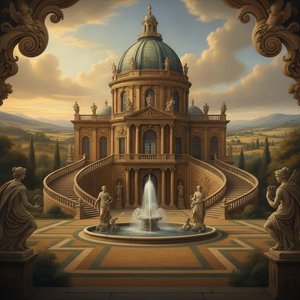
Baroque Classicism: Reconciling Drama & Order in 17th-Century Art
Explore the captivating world of Baroque Classicism! Discover its history, key artists like Caravaggio & Rubens, and defining characteristics. Expert insights & high-quality reproductions at OriginalUniqueArt.

Pierre-Auguste Renoir'ın En İyi 25 Eseri: Işık ve Güzellik Sanatçısı | OriginalUniqueArt
Pierre-Auguste Renoir'ın en ikonik 25 eserini keşfedin! İzlenimci stilin büyüsü, renkli tabloları ve unutulmaz portreleri ile sanatçının dünyasına adım atın. Ev dekorasyonunuz için lüks baskılar OriginalUniqueArt'ta. Koleksiyonu şimdi keşfedin!