

 Önizleme yap
 Paylaş
 Paylaş
 Detayları Gör

 İndir
İndir
 Benzerlerini gör
 X-Işını
 Slayt Gösterisi
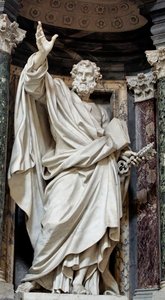
Buste du Christ

 Tümünü Gör
El Yapımı Yağlı Boya Reproduksiyon
Sanatçılarımız tarafından sipariş üzerine hazırlanan; istediğiniz boyut ve çerçevede, tuval üzerine el boyaması yağlı boya. ( Baskı satın al Görsel satın al)




































Eserin orijinal oranlarıyla uyumlu, önceden belirlenmiş boyutlarımız arasından seçim yapın.

Belirli bir çerçeveye veya alana uyması için kendi boyutlarınızı girebilirsiniz. Seçtiğiniz boyut orijinal görüntünün oranlarıyla eşleşmiyorsa, sanat eserini kırparak veya ek el boyaması öğelerle resmi uzatarak ayarlayacağız. Üretim başlamadan önce onayınız için dijital bir taslak gönderilecektir.
Lütfen ekrandaki önizlemenin gerçek kırpmayı veya uzatmayı yansıtmadığını unutmayın. Nihai kompozisyonu yalnızca hazırlanan taslak doğru şekilde gösterecektir.
Özel boyutlar mevcut olsa da, orijinal oranları korumak adına önceden tanımlanmış listeden bir boyut seçmenizi öneririz.
Siparişten sonra, OriginalUniqueArt.com ekibi talimatlar için müşteriye e-posta gönderecek ve bir taslak önizleme sunacaktır
Dünya Çapında Teslimat (); standart 5 hafta yerine 3/4 haftada. (6 Eylül). Kaliteden ödün verilmez.

Dünya Çapında Ücretsiz Ekspres Kargo

Yüksek Kaliteli Keten Tuval

Tam Kapsamlı Nakliye Sigortası

Gümrük Vergisi İade Garantisi

Gerçek Renk Uyumu Garantisi

60 Günlük İade Politikası (Sadece Kusurlu Ürünler İçin)

%100 Para İade Garantisi

Toplu Alım İndirimi
 Cam seçeneği yalnızca 110 cm altındaki boyutlar için mevcuttur.

Buste du Christ
Reproduksiyon Tekniği
Reproduksiyon Boyutu
-


Toplam Tutar
$ 300
Sanatçı Özgeçmişi
The Sculptural Legacy of Pierre-Étienne Monnot
In the grand, sweeping era of the Late Baroque, few artists captured the divine drama and physical grace of marble as effectively as Pierre-Étienne Monnot. Born in 1657 in the rugged beauty of Doubs, France, Monnot’s journey from a provincial woodcarver's apprentice to a celebrated sculptor in the heart of Rome is a testament to the era's interconnected artistic landscape. Trained initially by his father, he honed his foundational skills in the workshops of Dijon, but it was his move to Italy that would ultimately define his destiny. By 1687, Monnot had settled in Rome, where he became a vital figure within a vibrant community of Burgundian expatriates, breathing life into stone through a style that blended French precision with Italian grandeur.
Monnot’s artistic evolution was deeply shaped by the masters who preceded him and the monumental atmosphere of the Eternal City. Often referred to in Italian records as Pietro Stefano Monnot, he navigated the complex social and religious hierarchies of Rome with remarkable success. His early works in Italy reflected the influence of Domenico Guidi, particularly evident in his exquisite marble reliefs for the church of Santa Maria della Vittoria. In these pieces, such as the Nativity and the Flight into Egypt, one can observe a delicate balance between narrative movement and classical stability—a hallmark of the transition from the high Baroque to a more refined, late-Baroque idiom.
Mastery of Marble and Divine Commission
The true significance of Monnot’s career lies in his ability to secure commissions that placed him at the very center of Catholic iconography. His talent for translating spiritual fervor into tangible form made him a preferred choice for the most prestigious religious institutions in Europe. One of his most profound achievements was his contribution to the Saint Ignatius altar in the Church of the Gesù, where he sculpted a pair of angels holding the IHS monogram. This work placed him alongside other titans of the era, such as Pierre Le Gros the Younger, cementing his status within the elite circle of sculptors shaping the visual identity of the Counter-Reformation.
Beyond the altars of Rome, Monnot’s reach extended to the highest echelons of the papacy and international nobility. His work on the tomb of Pope Innocent XI in St. Peter's Basilica, executed under the design of the legendary Carlo Maratta, stands as a pinnacle of his technical prowess. In this monumental undertaking, Monnot demonstrated an unparalleled ability to handle the weight of history and the solemnity of death, using marble to evoke both the permanence of the Church and the fleeting nature of mortal life. His skill was not limited to the sacred; he was equally adept at capturing the human spirit in portrait busts and mythological scenes, catering to a sophisticated clientele that sought to immortalize their own legacies through his chisel.
A Lasting Impression on Baroque Art
The historical significance of Pierre-Étienne Monnot transcends the mere execution of beautiful objects. He served as a cultural bridge, bringing the meticulousness of French training to the emotive power of Italian sculpture. His career represents the zenith of an international artistic movement where borders were fluid and talent was the primary currency. Through his works, we see the late Baroque period not just as a style of excess, but as a sophisticated language of devotion, power, and human emotion.
To reflect on Monnot's enduring impact, one might consider these defining elements of his career:
- Technical Versatility: His ability to transition seamlessly from the intimate detail of relief carvings to the monumental scale of papal tombs.
- Cultural Synthesis: The unique fusion of French structural clarity with the dramatic, swirling energy characteristic of Roman Baroque sculpture.
- Ecclesiastical Influence: A profound role in decorating the most sacred spaces of Rome, contributing to the visual splendor of the Jesuit order and the Papacy.
- International Reach: His success in establishing a lasting reputation that resonated far beyond his native Franche-Comté, reaching the courts and cathedrals of Europe.
pierre etienne monnot
1657 - 1733 , France
Kısa Bilgiler
- Artistic Movement Or Style: Late Baroque
- Artists Who Influenced This Artist:
- Domenico Guidi
- Alessandro Algardi
- Carlo Maratta
- Date Of Birth: 1657
- Date Of Death: 1733
- Full Name: Pierre-Étienne Monnot
- Nationality: French
- Notable Artworks:
- Nativity relief
- Flight into Egypt relief
- Tomb of Pope Innocent XI
- Angels with IHS monogram
- Place Of Birth: Doubs, France
İlgili Makaleler

Bronze Age to Modern Masters: 10 Sculptures That Redefined Art | OriginalUniqueArt
Journey through art history with 10 legendary bronze sculptures – from Michelangelo's David to Rodin’s Thinker. Explore the stories, techniques & timeless beauty of these masterpieces. Find museum-quality reproductions & elevate your home decor on OriginalUniqueArt.com.

Bronze Sculptures That Defined Art History | OriginalUniqueArt
Journey through art history with our Top 10 bronze sculptures! Explore masterpieces by Rodin, Michelangelo & more. Discover stories behind iconic statues and find museum-quality reproductions for your home decor at OriginalUniqueArt.com.

The Enduring Legacy of Bronze: A Historical & Artistic Exploration for the Collector
Explore the rich history & enduring appeal of bronze sculpture with expert insights for collectors at OriginalUniqueArt. Learn about casting techniques, iconic artists, collecting tips & contemporary interpretations.

The Enduring Legacy of Bronze: History, Technique & Artistic Expression for the Collector
Explore the rich history & enduring appeal of bronze sculpture with expert insights for collectors at OriginalUniqueArt. Learn about casting techniques, iconic artists, and collecting tips.

The Enduring Legacy of Bronze Sculpture: Technique, Symbolism & Cultural Impact
Explore the rich history & enduring appeal of bronze sculpture with expert insights for collectors. Learn about casting techniques, iconic artists, collecting tips & contemporary interpretations at OriginalUniqueArt.

