Önizle
 Gönder
 Paylaş
 Detaylar
 Rehber

 Dosyayı İndir
 Benzerleri
 X-Işını
 Slayt Gösterisi
 İstatistikler
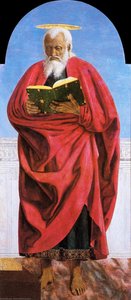
Polyptych of St Augustine: St Augustine
 Yağlı boya pigmenti
- Duvar Sanatı
- Renaissance
 1465
1465- Rönesans
 132.0 x 57.0 cm
 Museu Nacional de Arte Antiga
 Devamını Oku
Giclée / Sanat Baskısı
Hızlı üretim ve esnek bitiş seçenekleriyle müze kalitesinde giclée veya kanvas baskı. ( El Yapımı Tablo Satın Al Dijital Görsel Satışına Geç)




P118B ₺10

P118H ₺10

P118W ₺10

P438Z ₺10

P508JH ₺12

P508YH ₺12

P805H ₺10

P805Z ₺10

P919BZ ₺10

P919G ₺10

P919XJ ₺10

P959ZH ₺10

P968JZ ₺12

W106C ₺8

W218G ₺10

W218JH ₺8

W218Y ₺10

W307PJ ₺10

W316G ₺10

W316PJ ₺8

W316Y ₺10

W398PJ ₺8

W4111J ₺10

W500HY ₺15

W500JH ₺15

W692G ₺12

W849H ₺8

W940BG ₺15

W953PJ ₺8




Eserin orijinal oranlarıyla uyumlu, önceden belirlenmiş boyutlarımız arasından seçim yapın.

Çerçevenize veya duvarınıza uygun olması için ihtiyacınız olan genişlik ve yüksekliği yazın. Bir baskı yalnızca kesilebilir, görselden daha büyük hale getirilemez; bu nedenle farklı bir formdaki boyut seçimi, görselin bir kısmının kaybına neden olur. Herhangi bir baskı yapmadan önce onaylamanız için size bir dijital taslak gönderiyoruz. Bu sayfada gösterilen resim gerçek kesimi göstermez — bunu yalnızca taslak gösterir.
Dünya Çapında Teslimat (); standart 4/5 hafta yerine 2 haftada. (27 Ekim)

Dünya Çapında Ücretsiz Ekspres Kargo

Yüksek Kaliteli Keten Tuval

Tam Nakliye Sigortası

Gümrük Vergisi İadesi Garantisi

Gerçek Renk Uyumu Garantisi

100 Günlük İade Koşulları (Sadece Üretim Hatalı Ürünler İçin)

%100 Para İade Garantisi

Toplu Alım Avantajı
 Cam seçeneği yalnızca 110 cm altındaki boyutlar için mevcuttur.

Polyptych of St Augustine: St Augustine
Giclée / Sanat Baskısı
Baskı Boyutu
-


Toplam Fiyat
₺ 3920
A Window into Faith and Perspective: Piero della Francesca’s Polyptych of St Augustine
Piero della Francesca's Polyptych of St Augustine, a captivating work housed within the Museo Nacional de Arte Antiga in Lisbon, Portugal, is more than just a religious painting; it’s a profound exploration of space, light, and human form. Completed around 1465, this polyptych – a triptych with wings – offers a rare glimpse into the artistic mind of one of the Renaissance's most innovative figures. Measuring a modest 132 x 57 cm, its scale belies the monumental impact of its composition and the meticulous detail evident in every brushstroke.
At first glance, the painting depicts St Augustine, likely a priest or monk, presented with an almost serene dignity. He’s enveloped in a rich robe, its hood suggesting both humility and contemplation. His hands are posed deliberately: one holding a book, a symbol of knowledge and scripture, while the other rests upon what appears to be a staff or scepter – a visual representation of his authority and spiritual guidance. However, it's not merely a portrait; the scene is layered with symbolic elements. The prominent cross at the top left corner immediately anchors the work within a Christian context, while the building in the background, rendered with astonishing precision, establishes a believable spatial depth—a hallmark of Piero’s mastery of perspective.
The Geometry of Faith: Piero della Francesca's Technique
Piero della Francesca was renowned for his revolutionary approach to art. He wasn’t simply interested in depicting reality; he sought to capture its underlying mathematical order. This is strikingly evident in the Polyptych of St Augustine. The painting utilizes a technique known as *contrapposto*, where the figure's weight shifts, creating a dynamic and natural pose. Furthermore, Piero meticulously calculated the dimensions of the scene, ensuring that all elements – buildings, figures, and objects – were rendered in perfect proportion according to mathematical principles. This obsession with geometry isn’t cold or sterile; it serves to elevate the religious subject matter, suggesting a divine order inherent within creation itself.
The use of tempera on panel is crucial to understanding the painting's character. Tempera paints dry quickly and allow for incredible detail and luminosity. Piero’s masterful control of light and shadow—chiaroscuro—further enhances the sense of depth and realism, drawing the viewer into the scene. The subtle gradations in color create a remarkable sense of volume, making the figures appear almost tangible.
A Window on Renaissance Lisbon: Context and Legacy
The Polyptych of St Augustine resides within the Museo Nacional de Arte Antiga in Lisbon, a museum dedicated to preserving Portuguese art from the Middle Ages through the early 20th century. Established in 1884, the museum is housed in the opulent Palácio Alvor-Pombal, a testament to Portugal’s rich architectural heritage. The presence of this painting within the museum's collection underscores its significance as a key example of Renaissance art and highlights Lisbon’s role as a center for artistic patronage during that period.
Beyond its immediate aesthetic qualities, the polyptych offers valuable insights into the cultural and religious landscape of 15th-century Portugal. The museum itself provides further context, housing other significant works from the era, including Antonio de Pereda’s still life and Francisco Henriques' depiction of the Last Supper – each offering a unique perspective on Renaissance artistic trends. The *Polyptych of St Augustine* stands as a powerful reminder of Piero della Francesca’s enduring legacy as one of the most influential artists of his time.
Bringing the Masterpiece Home: High-Quality Reproductions
OriginalUniqueArt offers meticulously crafted, hand-painted oil reproductions that capture the essence and beauty of Piero della Francesca's Polyptych of St Augustine. Our skilled artisans painstakingly recreate every detail – from the subtle nuances of color to the intricate textures of the robe and the precise geometry of the background – ensuring a faithful representation of this Renaissance masterpiece. Whether you’re an art enthusiast, a collector, or simply seeking to adorn your home with a timeless work of art, our reproductions provide an authentic and accessible way to experience the profound beauty and intellectual depth of Piero della Francesca's vision. Explore our collection today.
Soru ve Cevaplar
Piero Della Francesca imzalı "Polyptych of St Augustine: St Augustine" için hangi baskı düzeni öneriliyor?
"Polyptych of St Augustine: St Augustine" için önerilen baskı düzeni, Büyük Boy boyutunda ve Dikey Uzun yönlendirmesindedir.
Renkleri göz önüne alındığında, Piero Della Francesca imzalı "Polyptych of St Augustine: St Augustine" hangi oda için önerilir?
Toprak tonları paletiyle Piero Della Francesca imzalı "Polyptych of St Augustine: St Augustine", bir Oturma Odası için önerilmektedir. Bu önerinin nedenlerinden biri de renkleridir.
Piero Della Francesca imzalı "Polyptych of St Augustine: St Augustine" eseri bugün nerede sergileniyor?
Piero Della Francesca imzalı "Polyptych of St Augustine: St Augustine", Museu Nacional de Arte Antiga, Lizbon, Portekiz bünyesinde sergilenmektedir. Müze listelemesi reprodüksiyonları değil, eserin orijinalini ifade eder.
Sanatçı Biyografisi
San Sepolcro'nun Vizyoneri: Piero della Francesca’nın Hayatı ve Sanatı
Piero di Benedetto de’ Franceschi – tarihte Piero della Francesca olarak bilinen - yaklaşık 1415 yılında Umbria’nın sakin Sansepolcro kasabasında, nispeten bilinmeyen bir çevreden yükselerek Erken Rönesans'ın en entelektüel açıdan titiz ve derin etkili ressamlarından biri haline geldi. Çağdaşlarının aksine, hayatları zengin detaylarla belgelenmiş pek çok sanatçıya kıyasla Piero hakkında bazı gizemler bulunmaktadır; ailesi ve erken dönem eğitimiyle ilgili ayrıntılar sınırlıdır. Ancak kesin olan, Floransa'daki yükselen sanatsal akımların yanı sıra matematiğin ve geometrinin hassas dillerine de eşit derecede hayranlık duyan olağanüstü bir zihne sahip olduğudur. Babası ayakkabıcı ve dericiydi, Piero’ya istikrarlı ancak gösterişsiz bir yetiştirme sağladı ve sanatsal eğitiminin başlangıçta yerel gelenekleri özümseyerek, Masaccio ve Brunelleschi tarafından başlatılan sismik değişimlerden önce Orta İtalyan resimlerinin geleneklerini emen yerel bir ressam olan Antonio di Giovanni d'Anghiari’nin yanında gerçekleştiğine inanılmaktadır. Bu erken dönem temeli, Gotik zarafeti Rönesans yeniliğiyle benzersiz bir sentezi şekillendirmede hayati önem taşıyacaktır.Floransa ve Yeni Bir Estetik’in Şafağı
Yaklaşık 1439'da Piero Floransa'ya yolculuk etti; o zamanlar sanatsal enerjiyle çarpan bir şehir. Bu dönem dönüştürücü oldu. Domenico Veneziano ile birlikte Sant’Egidio kilisesi için freskler üzerinde çalıştı, bu da onu gelişen Floransa tarzına doğrudan maruz bıraktı. Daha önemlisi, Masaccio'nun Brancacci Şapeli'ndeki çığır açan fresklerini inceledi - natüralizm ve mekansal yanılsamada bir vahiy. Brunelleschi’nin mimari yeniliklerinin, özellikle doğrusal perspektif ustalığı üzerindeki etkisi de Piero’nun sanatsal gelişimini derinden etkiledi. Bu teknikleri sadece benimsemedi; altında yatan matematiksel ilkeleri parçaladı. Bu analitik yaklaşım, onu birçok çağdaşından ayıran işinin damgası haline geldi. Floransa'nın gerçekçiliğe ve anatomiye olan vurgusunu özümsedi ancak bunu, dinginlik, açıklık ve neredeyse keskin bir güzellikle karakterize edilen kendine özgü bir mercekten geçirdi. 1440’larda Sansepolcro’ya döndükten sonra Piero, lider bir sanatçı olarak kendini kurmaya başladı, ancak onlarca yıl boyunca İtalya'da seyahat etmeye ve çalışmaya devam etti.Işık ve Geometrinin Başyapıtları
Piero della Francesca’nın sanatsal mirası, nispeten küçük ama son derece güçlü bir eser yığını üzerine kuruludur. Belki de en ünlü başarısı, Arezzo'daki San Francesco kilisesindeki *Gerçek Haç Tarihi* fresk döngüsüdür. Bu anıtsal anlatı, olağanüstü açıklık ve dinginlikle gelişir; sahne arkasındaki ahşabın efsanesini alışılmadık bir mekansal derinlik ve psikolojik içgörüyle tasvir eden olayları tasvir eder. Figürler sadece İncil karakterlerinin temsilleri değil; onları arketipsel formlara yükselten sessiz bir onur ve düşünceli bir dinginlikle donatılmıştır. Milan'daki Brera Galerisi'nde bulunan *Montefeltro Arma Sanatı*, yağlı boya resimdeki ustalığını ve rafine portrelerini sergiliyor - psikolojik keskinlikleri ve titiz detaylarıyla kutlanan Federico da Montefeltro ve Battista Sforza tasvirleri. Londra’daki National Gallery’de bulunan *Vaftiz*, kompozisyonunun zarifliği, aydınlık renkleri ve ışığın ince keşfi ile derin bir ruhani yankı yaratan başka bir kanıttır. Tarzı tutarlı bir şekilde geometrik hassasiyete, dengeli kompozisyonlara ve sınırlı bir palete bağlılığı gösterir; ışığı sadece estetik etki için değil, formu tanımlamak ve somut hacim duygusu yaratmak için bir araç olarak kullanır.Fırçanın Ötesinde: Bir Matematikçinin Vizyonu
Piero della Francesca’yı gerçekten ayıran şey, benzersiz entelektüel genişliğidir. O sadece bir ressam değil; aynı zamanda bir matematikçi, geometrisi ve yazardı. *De Prospectiva Pingendi* (Resim Boyama Üzerine) risalesi, erken dönem perspektif üzerine yazılan en eski resmi çalışmalardan biri olarak duruyor ve matematiksel ilkelerin sanata uygulanmasındaki derin anlayışını gösteriyor. Bu çalışma sadece teorik değildi; sanatının her yönünü bilgilendirdi. Mekansal ilişkileri dikkatlice hesapladı, kompozisyonları düzenlemek için geometrik yapılar kullandı ve ışığı yalnızca aydınlatmakla kalmayıp formu tanımlamak için bilimsel bir hassasiyetle kullandı. Optikler konusundaki ilgisi, derinlik ve gerçekçiliğin yanılsamalarını yaratma yeteneğini daha da geliştirdi. Sanatsal duyarlılık ile matematiksel titizliğin bu füzyonu, işine kalıcı gücünü ve entelektüel ağırlığını veriyor. Güzelliğin düzen ve oranda yattığına inanıyordu ve bu ilkeleri görsel forma dönüştürmeye çalıştı.Süregelen Miras
Piero della Francesca 1492'de öldü, yüzyıllar boyunca tam olarak takdir edilmeyecek bir miras bıraktı. Leonardo da Vinci veya Michelangelo gibi bazı çağdaşları kadar üretken olmasa da, eserleri nesiller boyu sanatçıları etkiledi. Leonardo bile Piero’nun tekniklerini inceledi ve ışık ve gölge ustalığını hayranlıkla karşıladı. Raphael de kompozisyonlarından ve mekansal düzenlemelerinden ilham aldı. 20. yüzyılda sanat tarihçileri Piero'nun eserini yeniden keşfettiler, onu İtalyan Rönesansı’nın gelişiminde önemli bir figür olarak tanıyarak Uluslararası Gotik tarzı ile Yüksek Rönesans arasında bir köprü görevi gördü. Matematiksel perspektife, gerçekçi temsile ve sakin hümanizme olan vurgusu sanatçılar ve izleyicilerle yankılanmaya devam ediyor, bu da onu İtalyan Rönesansı'nın en önemli ve kalıcı ustalarından biri olarak pekiştiriyor. Resimleri sadece güzel nesneler değil; sanatı, bilimi ve ruhsallığın uyumlu bir dengede buluştuğu bir dünyaya açılan pencerelerdir.
Piero Della Francesca
1415 - 1492 , İtalya
Kısa Bilgiler
- Doğum Tarihi: c. 1415
- Doğum Yeri: San Sepolcro, İtalya
- Etkilendiği Sanatçılar:
- Masaccio
- Domenico Veneziano
- Etkilenen Sanatçılar:
- Leonardo da Vinci
- Raphael
- Sanat Akımı: Erken Rönesans
- Tam Adı: Piero della Francesca
- Uyruk: İtalyan
- Ölüm Tarihi: 1492
- Önemli Eserler:
- Gerçek Haç Hikayesi
- Montefeltro Dikili Taşı
- Vaftiz
- Doğuş
İlgili Yazılar
Tempera's Timeless Legacy: 10 Masterpieces That Revolutionized Art | OriginalUniqueArt
Journey through 10 legendary tempera on panel masterpieces by Giotto, Duccio & Botticelli. Explore the history, symbolism & enduring beauty of these iconic artworks. Find museum-quality reproductions for your home at OriginalUniqueArt.com.

El Greco'nun En İyi 25 Eseri: Sanat Tarihinin İkonik Yorumları ve Ev Dekorasyonu İçin İlham Veren Seçkiler
El Greco'nun en iyi 25 eserini keşfedin! İspanyol Rönesansı'nın mistik dehasının dini tabloları, dramatik renkleri ve maniyerizm tarzıyla evinizi sanatla doldurun. OriginalUniqueArt.com'da yüksek kaliteli baskılarla El Greco koleksiyonuna göz atın.
Illuminating Surfaces: A Comprehensive Exploration of Tempera on Panel Painting Techniques & Historical Significance
Explore the rich history & techniques of tempera painting! Discover Renaissance masters like Botticelli & Fra Angelico, conservation insights, and the enduring legacy of this captivating art form. Learn more now!
Floransa Uffizi Galerisi'nin En İkonik 25 Eseri: Sanat Tarihine Yolculuk
Floransa Uffizi Galerisi'nin en ikonik 25 eserini keşfedin! Leonardo da Vinci, Botticelli ve Michelangelo gibi Rönesans ustalarının eşsiz tablolarının hikayelerini öğrenin. Sanat tarihiyle dolu bir yolculuk için OriginalUniqueArt.com'da koleksiyonu inceleyin.
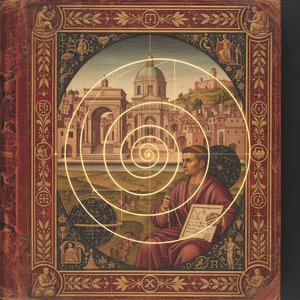
Piero della Francesca: Renaissance Perspective, Divine Proportion & the Pursuit of Ideal Form
Explore the revolutionary art of Piero della Francesca – master of perspective, divine proportion & Renaissance humanism. Discover his iconic paintings & lasting influence on art history.