
 Önizle
 Gönder
 Paylaş
 Detaylar
 Rehber

 Dosyayı İndir
 Benzerleri
 X-Işını
 Slayt Gösterisi
 İstatistikler
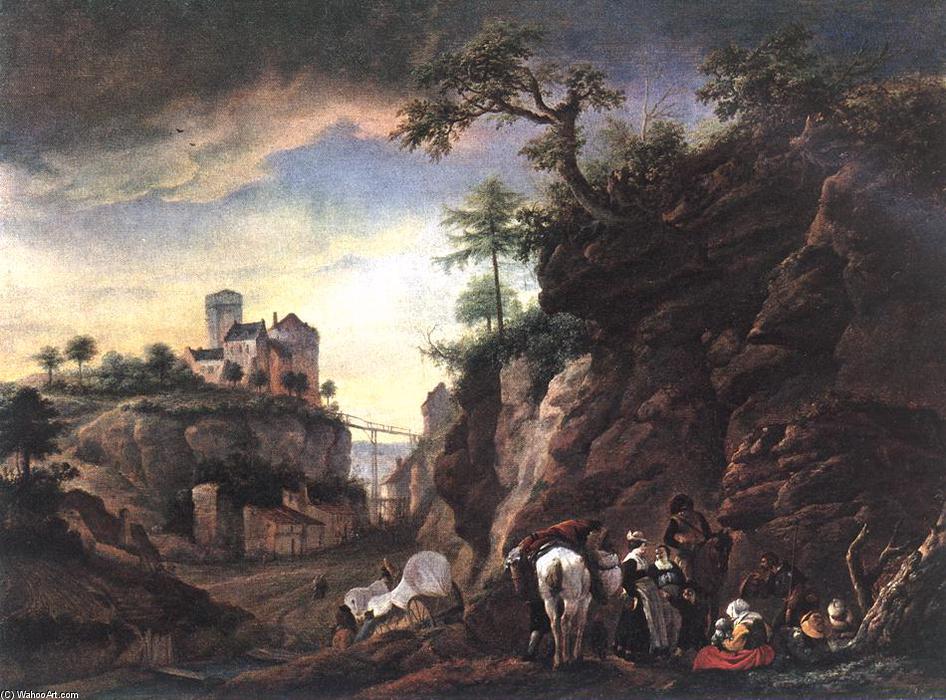
Rocky Landscape with resting Travellers
 Oil On Canvas
- WallArt
- Romanticism
 45.0 x 61.0 cm
 Szépművészeti Múzeum
 Devamını Oku
El Yapımı Yağlı Boya Reproduksiyon
Sanatçılarımız tarafından sipariş üzerine hazırlanan; istediğiniz boyut ve çerçevede, tuval üzerine el boyaması yağlı boya. ( Baskı Satışına Geç Dijital Görsel Satışına Geç)




P118B $10

P118H $10

P118W $10

P438Z $10

P508JH $12

P508YH $12

P805H $10

P805Z $10

P919BZ $10

P919G $10

P919XJ $10

P959ZH $10

P968JZ $12

W106C $8

W218G $10

W218JH $8

W218Y $10

W307PJ $10

W316G $10

W316PJ $8

W316Y $10

W398PJ $8

W4111J $10

W500HY $15

W500JH $15

W692G $12

W849H $8

W940BG $15

W953PJ $8




Eserin orijinal oranlarıyla uyumlu, önceden belirlenmiş boyutlarımız arasından seçim yapın.

Belirli bir çerçeveye veya alana uyması için kendi boyutlarınızı girebilirsiniz. Seçtiğiniz boyut orijinal görüntünün oranlarıyla eşleşmiyorsa, sanat eserini kırparak veya ek el boyaması öğelerle resmi uzatarak ayarlayacağız. Üretim başlamadan önce onayınız için dijital bir taslak gönderilecektir.
Lütfen ekrandaki önizlemenin gerçek kırpmayı veya uzatmayı yansıtmadığını unutmayın. Nihai kompozisyonu yalnızca hazırlanan taslak doğru şekilde gösterecektir.
Özel boyutlar mevcut olsa da, orijinal oranları korumak adına önceden tanımlanmış listeden bir boyut seçmenizi öneririz.
Siparişten sonra, OriginalUniqueArt.com ekibi talimatlar için müşteriye e-posta gönderecek ve bir taslak önizleme sunacaktır
Dünya Çapında Teslimat (); standart 5 hafta yerine 3/4 haftada. (27 Eylül). Kaliteden ödün verilmez.

Dünya Çapında Ücretsiz Ekspres Kargo

Yüksek Kaliteli Keten Tuval

Tam Nakliye Sigortası

Gümrük Vergisi İadesi Garantisi

Gerçek Renk Uyumu Garantisi

100 Günlük İade Koşulları (Sadece Üretim Hatalı Ürünler İçin)

%100 Para İade Garantisi

Toplu Alım Avantajı
 Cam seçeneği yalnızca 110 cm altındaki boyutlar için mevcuttur.

Rocky Landscape with resting Travellers
Baskı Tekniği
Baskı Boyutu
-


Toplam Fiyat
$ 300
A Dramatic Vista: Philips Wouwerman’s “Rocky Landscape with Resting Travellers”
Philips Wouwerman's "Rocky Landscape with Resting Travellers" is more than just a depiction of a rugged vista; it’s a carefully constructed tableau brimming with narrative potential and imbued with the spirit of the Dutch Golden Age. Painted circa 1650-1660, during the artist’s most prolific period, this oil on canvas work transports us to a remote corner of Europe – perhaps the foothills of the Alps or the rolling hills of Italy – where a small group of travelers pauses for respite amidst a dramatic and somewhat melancholic scene. The painting immediately commands attention with its masterful use of atmospheric perspective, creating an illusion of immense depth and drawing the eye into the heart of the composition: a crumbling castle perched precariously atop a distant hill, partially obscured by swirling clouds. The foreground is dominated by a group of figures – a small party of travelers, their horses, and a scattering of luggage – suggesting a journey’s end or perhaps simply a moment of temporary rest. Their postures are subtly expressive; some appear weary, others contemplative, hinting at the hardships endured during their travels. The arrangement of these figures within the pyramidal structure of the composition—with the castle as its apex—creates a powerful sense of scale and draws the viewer upwards, emphasizing the grandeur of the landscape and the ambition of human endeavor. Wouwerman’s skill lies not just in rendering the details of the scene – the rough texture of the rocks, the worn saddles on the horses, the folds of the travelers' clothing – but also in conveying a palpable sense of atmosphere: a cool, slightly somber mood that speaks to both the beauty and the inherent dangers of the natural world.The Romantic Spirit and Baroque Techniques
Wouwerman’s work firmly resides within the broader context of 17th-century Dutch painting, yet it transcends simple categorization. While influenced by the prevailing trends of the time – particularly the burgeoning interest in landscape as a subject matter – he developed a distinctly individual style that leans heavily into the Romantic sensibility. This is evident in his dramatic use of light and shadow, his emphasis on emotional expression, and his willingness to depict scenes of hardship and vulnerability alongside moments of beauty. The painting’s palette is restrained, dominated by earthy tones—ochres, browns, and grays—that contribute to the overall sense of realism and ruggedness. However, these muted colors are punctuated by flashes of brighter hues – the red of a cloak, the blue of the sky – which serve to heighten the drama and draw attention to key elements within the composition. Technically, Wouwerman demonstrates a mastery of oil painting techniques. The brushstrokes are visible and textured, particularly in the depiction of the rock formations and the cloudy sky, creating a sense of immediacy and physicality. He skillfully employs *sfumato*, a technique borrowed from Renaissance masters, to soften edges and create a hazy atmosphere, further enhancing the illusion of distance. The artist’s attention to detail is remarkable; one can almost feel the rough texture of the stone beneath their fingertips and hear the wind whistling through the trees.Symbolism and Narrative Potential
Beyond its purely visual appeal, “Rocky Landscape with Resting Travellers” is rich in symbolic meaning. The crumbling castle, a frequent motif in Wouwerman’s work, can be interpreted as a representation of human ambition, mortality, or perhaps even the fleeting nature of power. The travelers themselves may symbolize humanity's constant quest for knowledge, wealth, and spiritual fulfillment – a journey fraught with challenges and uncertainties. The bridge spanning the chasm below adds another layer of complexity to the scene, suggesting both connection and separation, hope and despair. Interestingly, the painting’s narrative potential is open to interpretation. While it could be viewed as a straightforward depiction of travelers seeking shelter after a long journey, it also evokes a sense of foreboding and loss. The somber atmosphere, combined with the ruined castle and the weary expressions of the figures, suggests that this respite may be temporary or even illusory. The painting invites viewers to project their own interpretations onto the scene, transforming it into a mirror reflecting their own experiences and emotions.A Legacy of Dramatic Landscapes
Philips Wouwerman’s “Rocky Landscape with Resting Travellers” stands as a testament to his artistic skill and his ability to capture the essence of the Dutch Golden Age. It is a painting that rewards careful observation, inviting viewers to lose themselves in its dramatic landscape and contemplate its rich symbolism. Reproductions of this captivating work offer a window into a bygone era, transporting us to a world of rugged beauty, human resilience, and enduring mystery. Its timeless appeal continues to resonate with art lovers today, solidifying Wouwerman’s place as one of the most important painters of his time.Sanatçı Biyografisi
Philips Wouwerman: Hollanda Altın Çağı’nın Dinamik Fırçası
1619 yılında Haarlem şehrinde doğan Philips Wouwerman, Hollanda sanat tarihinin en üretken ve çok yönlü isimlerinden biri olarak öne çıkar. Av sahneleri, pastoral manzaralar ve çarpıcı savaş tasvirleriyle tanınan Wouwerman, Hollanda Altın Çağı’nın canlı ruhunu tuvaline yansıtmış bir ustadır. Sanatçı, sadece teknik becerisiyle değil, aynı zamanda dönemin sosyal yaşamını ve doğasını gözlemleme yeteneğiyle de dikkat çeker.
Erken Yaşamı ve Eğitim Dönemi
Philips Wouwerman’ın babası Pouwels Joostsz Wouwerman da ressamdı; ancak oğlu kadar tanınmamıştı. Genç Philips’in sanatsal eğitimi hakkında kesin bilgilere ulaşmak zordur. Yaygın inanışa göre, Haarlem’in önde gelen portre ressamlarından Frans Hals’ın atölyesinde eğitim görmüştür. Hals’ın kendine özgü üslubu Wouwerman’ın olgun eserlerinde doğrudan izlenmese de, aldığı temel eğitim sanatçıya değerli bir zemin hazırlamış olmalıdır. Kariyerinin başlarında, İtalyan *bamboccianti* akımından etkilenmiş ve günlük yaşamı konu alan tür sahneleriyle dikkat çekmiştir.
Sanatsal Gelişimi ve Üslubu
Wouwerman’ın erken dönem eserleri, gündelik hayatın basit güzelliklerini yansıtan tasvirlerle doluydu. Ancak 1640'lı yılların ortalarında kendine özgü bir kompozisyon anlayışı geliştirmeye başladı: Diyagonal eğimli araziler ve derinlik hissi yaratmak için kullanılan *repoussoir* tekniği (sahneye yaklaştırılmış nesnelerle perspektif yanılsaması oluşturma) eserlerinin belirgin özelliklerinden biri haline geldi. Bu manzaralarda genellikle atlar eşliğinde figürler yer alıyordu. 1650-1660 döneminde ise Wouwerman, konusunu genişletmiş ve tür sahneleri, seyahat edenlerin bulunduğu manzaralar, süvari savaşları, askeri kamplar ve köylülerin şenlikleri gibi çeşitli temaları ele almıştır.
Atlara Olan Tutkusu: Wouwerman’ın sanatındaki en dikkat çekici özelliklerden biri atları resmetme konusundaki olağanüstü yeteneğidir. Farklı ırklardaki atları dinamik hareketler içinde ustalıkla tasvir etmiştir. Sanat tarihçisi Frederik J. Duparc, onu “şüphesiz ki 17. yüzyıl Hollanda’sının en başarılı ve yetenekli at ressamı” olarak tanımlamıştır. Wouwerman'ın eserlerinde atlar sadece bir ulaşım aracı değil, aynı zamanda güç, zarafet ve özgürlüğün sembolü olarak karşımıza çıkar.
Başarıları ve Mirası
Wouwerman’ın eserleri, sanatçının yaşamı boyunca büyük ilgi görmüş ve 18. yüzyılda da popülerliğini korumuştur. Dresden ve St. Petersburg gibi Avrupa'daki önemli koleksiyonlarda yer alması, sanatına duyulan geniş hayranlığı göstermektedir. Wouwerman son derece üretken bir ressamdı; erken dönem kataloglarında eserlerinin sayısı 800’ü aşmaktaydı, daha sonraki araştırmalar bu sayının 1200'ün üzerine çıktığını gösteriyor. Güncel bir kataloğa (Schumacher, 2006) göre ise yaklaşık 570 otantik eseri bulunmaktadır; ancak onun üslubunu takip eden birçok öğrencinin de eserleri olduğu bilinmektedir.
- Ailesi ve Etkileşimi: Philips’in kardeşleri Jan (1629–1666) ve Pieter (1623–1682) de ressamdı. Başlangıçta eserleri Philips'e atfedilen kardeşlerden Pieter, zamanla kendine özgü bir üslup geliştirmiştir. Jan ise daha bağımsız bir manzara ressamı olarak tanınmıştır.
- Sonraki Nesillere Etkisi: Wouwerman’ın tarzı, Jan van Huchtenburgh (1647–1733), Jan Frans ve Joseph van Bredael kardeşler (1688–1739) ve Carel van Falens (1683–1733) gibi birçok sanatçıyı etkilemiştir.
- Lonca Üyeliği ve Toplumsal Rolü: Haarlem Aziz Luke Loncası’nın bir üyesi olmuş ve loncada çeşitli görevler üstlenmiştir. Sanatsal faaliyetlerinin yanı sıra, Haarlem'de emlak komisyoncusu olarak da çalışmış olması toplumsal hayata olan ilgisini göstermektedir.
Tarihsel Önemi
Philips Wouwerman’ın Hollanda Altın Çağı’na katkısı, hareketli pazaryerlerinden av gezilerine, dramatik savaş alanlarından huzurlu manzaralara kadar geniş bir yelpazede sahneyi olağanüstü detay ve dinamizmle tuvaline aktarabilme yeteneğinde yatmaktadır. Atları resmetmedeki ustalığı ve anekdotlarla dolu hikaye anlatma becerisi, onu döneminin en ünlü ve etkili ressamlarından biri haline getirmiştir. 2009/2010 yıllarında Kassel ve Lahey’de düzenlenen retrospektif sergi ise onun kalıcı mirasını bir kez daha gözler önüne sermiştir.

Philips Wouwerman
1619 - 1668 , Hollanda
Kısa Bilgiler
- Artistic Movement Or Style: Hollanda Altın Çağı
- Artists Or Movements Influenced By This Artist: ['Jan van Huchtenburgh']
- Artists Who Influenced This Artist:
- Pieter van Laer
- Frans Hals
- Date Of Birth: 24 Mayıs 1619
- Date Of Death: 19 Mayıs 1668
- Full Name: Philips Wouwerman
- Nationality: Hollandalı
- Notable Artworks:
- İki At
- Atlılar Kampı
- Dune Manzarası
- Place Of Birth (City And Country): Haarlem, Hollanda
İlgili Yazılar
Nicolaes Berchem: Dutch Golden Age Pastoralism & the Evolution of Landscape Painting
Explore the captivating world of Nicolaes Berchem, a leading Dutch Golden Age painter. Discover his idyllic landscapes, masterful technique & lasting influence on art history. Learn more at OriginalUniqueArt.
Charles Leickert: Capturing the Dutch Golden Age Light – A Comprehensive Study of Technique, Context, and Legacy
Explore the captivating winter landscapes of Charles Leickert, a master of Dutch Golden Age light & atmosphere. Discover his techniques, symbolism, and lasting legacy – a comprehensive study for art enthusiasts and collectors.

Golden Light & Dutch Skies: The Timeless Magic of Dutch Golden Age Landscapes
Discover the breathtaking beauty of Dutch Golden Age landscapes. Explore the mastery of light, chiaroscuro, and 17th-century realism through an expert art history lens, celebrating the enduring legacy of the Dutch Masters for discerning collectors and art lovers.

Hollanda Altın Çağı'nın 10 Eseri: Sanat ve Ev Dekorasyonunda Usta Dokunuşlar
Hollanda Altın Çağı'nın en büyüleyici 10 eseriyle sanat tarihine yolculuk! Rembrandt, Vermeer ve daha fazlasının ustalıklarını keşfedin. Evinizi sanatla taçlandırın. OriginalUniqueArt.com’da tüm başyapıtları inceleyin.

Golden Light & Dutch Skies: Bringing the Magic of Dutch Golden Age Landscapes into Your Home
Transform your home with the breathtaking light of Dutch Golden Age landscapes. Discover how hand-painted oil reproductions of masterworks like Ruisdael and Vermeer bring timeless elegance, atmosphere, and soulful texture to modern interiors. Elevate your space with museum-quality art.