

 Önizle
 Gönder
 Paylaş
 Detaylar
 Rehber

 Dosyayı İndir
 Benzerleri
 X-Işını
 Slayt Gösterisi
 İstatistikler
The storm
 Acrylic On Canvas
- WallArt
- Biedermeier
 1837
1837 50.0 x 67.0 cm
 Österreichische Galerie Belvedere
 Devamını Oku
Giclée / Sanat Baskısı
Hızlı üretim ve esnek bitiş seçenekleriyle müze kalitesinde giclée veya kanvas baskı. ( El Yapımı Tablo Satın Al Dijital Görsel Satışına Geç)




P118B ₺10

P118H ₺10

P118W ₺10

P438Z ₺10

P508JH ₺12

P508YH ₺12

P805H ₺10

P805Z ₺10

P919BZ ₺10

P919G ₺10

P919XJ ₺10

P959ZH ₺10

P968JZ ₺12

W106C ₺8

W218G ₺10

W218JH ₺8

W218Y ₺10

W307PJ ₺10

W316G ₺10

W316PJ ₺8

W316Y ₺10

W398PJ ₺8

W4111J ₺10

W500HY ₺15

W500JH ₺15

W692G ₺12

W849H ₺8

W940BG ₺15

W953PJ ₺8




Eserin orijinal oranlarıyla uyumlu, önceden belirlenmiş boyutlarımız arasından seçim yapın.

Çerçevenize veya duvarınıza uygun olması için ihtiyacınız olan genişlik ve yüksekliği yazın. Bir baskı yalnızca kesilebilir, görselden daha büyük hale getirilemez; bu nedenle farklı bir formdaki boyut seçimi, görselin bir kısmının kaybına neden olur. Herhangi bir baskı yapmadan önce onaylamanız için size bir dijital taslak gönderiyoruz. Bu sayfada gösterilen resim gerçek kesimi göstermez — bunu yalnızca taslak gösterir.
Dünya Çapında Teslimat (); standart 4/5 hafta yerine 2 haftada. (27 Ekim)

Dünya Çapında Ücretsiz Ekspres Kargo

Yüksek Kaliteli Keten Tuval

Tam Nakliye Sigortası

Gümrük Vergisi İadesi Garantisi

Gerçek Renk Uyumu Garantisi

100 Günlük İade Koşulları (Sadece Üretim Hatalı Ürünler İçin)

%100 Para İade Garantisi

Toplu Alım Avantajı
 Cam seçeneği yalnızca 110 cm altındaki boyutlar için mevcuttur.

The storm
Giclée / Sanat Baskısı
Baskı Boyutu
-


Toplam Fiyat
₺ 3920
A Window to a Turbulent Soul: Exploring Peter Fendi’s “The Storm”
Peter Fendi's "The Storm," painted in 1837, isn’t merely a depiction of a tempestuous sky; it’s a profound meditation on domesticity, vulnerability, and the quiet drama unfolding within a family’s sanctuary. This intimate scene, rendered with the characteristic warmth and realism of Biedermeier painting, immediately draws the viewer into a tableau of contained chaos – a woman cradling her child before a window that frames both the fury of nature and the steadfastness of home. The composition is deceptively simple: a mother and child, bathed in soft light, facing an exterior world rendered with dramatic brushstrokes and swirling clouds. Yet, within this apparent tranquility lies a palpable tension, a suggestion of unease that speaks volumes about the anxieties inherent in family life.
Fendi’s masterful use of color is crucial to conveying this emotional complexity. The palette leans heavily on muted browns, grays, and blues – colors associated with storm clouds and introspection. However, these somber tones are punctuated by flashes of warm light emanating from the interior, highlighting the figures and creating a subtle contrast between safety and the unknown. The woman’s posture is particularly telling; she isn't actively shielding her child, nor does she appear panicked. Instead, she gazes out with a thoughtful expression, suggesting an acceptance of the storm both outside and within. The inclusion of other family members – two children playing near the window and another figure on the right – subtly expands the narrative, hinting at a larger household grappling with shared experiences.
The Biedermeier Aesthetic: Intimacy and Observation
“The Storm” is a quintessential example of the Biedermeier style, which flourished in Austria during the early 19th century. This artistic movement prioritized realism and domestic scenes, often depicting everyday life with an emphasis on intimacy and observation. Unlike the grand historical or mythological subjects favored by earlier periods, Biedermeier artists sought to capture the beauty and simplicity of the ordinary – a shift reflecting the growing middle class’s desire for comfort and connection within their own homes. Fendi's work embodies this ethos perfectly; he doesn’t attempt to glorify the storm itself but rather focuses on how it affects those closest to him, creating a deeply personal and relatable image.
Fendi’s technical skill is evident in his meticulous attention to detail – from the texture of the fabrics to the subtle nuances of expression on the figures' faces. He employed a technique known as “pointillé,” using small, closely spaced brushstrokes to create an illusion of depth and texture, particularly noticeable in the depiction of the clouds. This method allowed him to capture the dynamic movement of the storm while maintaining a sense of realism and warmth. Furthermore, his use of light is masterful, creating a soft, diffused glow that illuminates the figures and imbues the scene with a feeling of quiet dignity.
Symbolism and Emotional Resonance
The window itself serves as a powerful symbol in “The Storm.” It represents not only a physical barrier between the interior and exterior but also a metaphorical one – separating the family from the uncertainties of the world. The storm raging outside can be interpreted as a representation of life’s challenges, anxieties, and hardships. However, within the confines of the home, the family finds solace and strength in their connection to one another. The child, nestled securely in his mother's arms, embodies innocence and hope, suggesting that even amidst turmoil, new beginnings are possible.
Fendi’s painting resonates with a timeless emotional truth. It speaks to the universal experience of navigating difficult times while cherishing the bonds of family. “The Storm” is more than just a beautiful artwork; it's a poignant reminder of the resilience of the human spirit and the enduring power of love in the face of adversity. Reproductions of this evocative piece offer a captivating glimpse into a bygone era, inviting viewers to contemplate their own relationships and find beauty amidst life’s inevitable storms.
Soru ve Cevaplar
"The storm" eserini hangi palet ve baskın renk tanımlıyor?
"The storm", Clay (#8c6a3a) tarafından yönetilen Earthy bir palet ile tanımlanmaktadır."
Österreichische Galerie Belvedere bünyesinde bulunan Peter Fendi imzalı "The storm" adlı eserin yasal olarak çoğaltılması mümkün müdür?
Orijinal "The storm" adlı eser Österreichische Galerie Belvedere bünyesinde bulunmaktadır ve eser kamu malıdır - telif hakkı süresi dolmuştur statüsündedir.
Peter Fendi imzalı "The storm" eserinin görselini nasıl indirebilirim?
"The storm" için bir indirme seçeneği mevcuttur: eserin İndir sayfası yüksek çözünürlüklü dijital görüntü indirme imkanı sunmaktadır.
Sanatçı Biyografisi
Peter Fendi: Viyana Biedermeier Döneminin Öncüsü
4 Eylül 1796 tarihinde Viyana'nın kalbinde dünyaya gelen Peter Fendi, bir ressamdan çok daha fazlasıydı; o, Biedermeier döneminde Avusturya sanatının gelişiminde kilit rol oynayan bir figürdü. Henüz bebeklik döneminde bir alt değiştirme masasından düşmesi sonucu yaşadığı ve ömür boyu sürecek omurga sorunlarına yol açan fiziksel zorluk, ironik bir şekilde onun çizim yeteneğini beslemiş ve nihayetinde sanatsطsal vizyonunu şekillendirmiştir. Bir okul müdürü olan babası, bu doğuştan gelen yeteneği fark ederek genç Peter'ı 1810 yılında prestijli St. Anna Güzel Sanatlar Akademisi'ne kaydettirdi. Burada Johann Martin Fischer, Hubert Maurer ve Johann Baptist von Lampi gibi saygın sanatçıların gözetimi altında yeteneklerini geliştiren Fendi; yağlı boya tablolar, sulu boyalar, baskılar, gravürler, litografiler ve hatta ahşap oymacılığını kapsayan üretken bir kariyerin temellerini attı. Fendi'nin profesyonel yaşamının ilk yılları, 1818 yılında İmparatorluk Sikke ve Antika Galerisi'nde başladı. Burada, etkili bir sanat koleksiyoncusu ve İmparaport II. Joseph'in özel göz doktoru olan Joseph Barth'ın yanında taslak çizeri ve gravür ustası olarak görev yaptı. Bu konum, ona sanat çevrelerine paha biçilmez bir erişim sağladı ve imparatorluk siparişlerinin gerektirdiği titiz detaylara aşina olmasını sağladı. 1821 yılında yağlı boya tablosu Vilenica ile altın madalya alması, Viyana sanat dünyasındaki itibarını perçinleyen önemli bir dönüm noktası oldu. Bu başarı, 1836 yılında Viyana Güzel Sanatlar Akademisi üyeliğine seçilmesiyle sonuçlanarak meslektaşları arasındaki yerini daha da sağlamlaştırdı.Hollanda Etkisi ve Venedik İlhamı
Fendi'nin sanatsal üslubu, birbirini tamamlayan iki farklı kaynaktan derinden etkilenmiştir: Hollanda ustaları ve İtalyan Rönesansı. Adriaen Brouwer, Adriaen van Ostade ve Rembrandt gibi sanatçıların eserlerinde hakim olan realizm ve tür sahneleri, Fendi'nin ruhunda derin bir yankı uyandırarak; hareketli pazar yerleri, meyhane sahneleri ve samimi ev anları gibi günlük yaşam tasvirlerini şekillendirdi. Bu tablolar, insan davranışlarının keskin bir gözlemle aktarılmasıyla karakterize edilir ve genellikle ince bir mizah duygusu veya toplumsal eleştiri ile harmanlanır. Aynı zamanda, Fendi'nin 1821 yılındaki Venedik yolculuğu dönüştürücü bir etki yarattı. Giovanni Bellini, Tintoretto, Titian ve Paolo Veronese gibi isimlerin görkemli sanat koleksiyonları arasında kaybolan sanatçı; onların dramatik kompozisyonlarını, zengin renklerini ve ustalıklı ışık kullanımını özümsedi. Bu unsurlar, daha sonra kendi eserlerine bir ihtişam ve tiyatral bir derinlik katacaktı.Litografik Yenilik ve Portre Sanatı
Geleneksel boyama tekniklerinin ötesinde Fendi, litografi alanında gerçek bir yenilikçiydi. Özellikle 1830'lu ve 40'lı yıllarda ürettiği çok renkli baskıları, dönemine göre çığır açıcıydı; olağanüstü bir teknik beceri ve sanatsal hassasiyet sergiliyordu. Bu baskılar sadece birer çoğaltma değil, canlı bir palet ve dinamik kompozisyonlarla Viyana yaşamından sahneleri betimleyen bağımsız sanat eserleriydi. Dahası Fendi, hem soyluların hem de sıradan insanların portrelerini yakalayan, çok aranan bir portre sanatçısıydı. Portreleri, psikolojik derinlikleri ve konularının kişiliğini aktarma yetenekleriyle dikkat çeker; bu da onun keskin gözünün ve insan karakterini anlama kabiliyetinin bir kanıtıdır. Özellikle 1841 yılında basılan beş adet Avusturya banknotunu gravürle işlemiş olması, bir gravür ustası olarak çok yönlülüğünü gözler önüne sermektedir.Miras ve Sanatsal Önem
Peter Fendi'nin mirası, imzasını taşıyan bireysel sanat eserlerinin çok ötesine uzanır. Biedermeier estetiğinin şekillenmesinde; bu estetiğin samimi ölçeği, günlük yaşamın gerçekçi tasviri ve ince toplumsal yorumlarıyla kritik bir rol oynamıştır. Onun etkisi, sonraki nesil Avusturyalı sanatçıların eserlerinde de görülmeye devam etmektedir. Titiz detaycılığı, litografideki yenilikçi yaklaşımıyla birleşerek, onu Biedermeier döneminin en önemli figürlerinden biri olarak tarihe kazımıştır. Bugün Fendi'nin tabloları; Albertina Müzesi, Belvedere Galerisi ve Vaduz'daki Prens Liechtenstein koleksiyonu gibi prestijli koleksiyonlarda korunmakta, böylece sanatsal katkılarının gelecek nesiller tarafından takdir edilmesini ve incelenmesini sağlamaktadır. Eserleri, 19th yüzyıl Avusturya toplumuna; onun güzelliğini ve karmaşıklığını olağanüstü bir yetenek ve hassasiyetle yakalayan değerli bir pencere açmaktadır.
Peter Fendi
1796 - 1842 , Avusturya
Kısa Bilgiler
- Artistic Movement Or Style: Biedermeier
- Artists Or Movements Influenced By This Artist:
- Hollandalı ressamlar
- İtalyan Rönesansı
- Artists Who Influenced This Artist:
- Rembrandt
- Adriaen Brouwer
- Giovanni Bellini
- Date Of Birth: 4 Eylül 1796
- Date Of Death: 28 Ağustos 1842
- Full Name: Peter Fendi
- Nationality: Avusturyalı
- Notable Artworks:
- Prensesler Elise & Fanny Liechtenstein
- Yükseliş
- Üzücü Mesaj
- Place Of Birth: Viyana, Avusturya
İlgili Yazılar

Biedermeier Style: The Elegant Art of Comfort, Simplicity, and Bourgeois Sophistication
Discover the refined elegance of Biedermeier style. Explore how this 19th-century movement blended simplicity with comfort, shaping the art and design of the middle class through Romanticism and functional beauty. An expert guide for classic art enthusiasts.

Evolving Portraits: Personalized Art as a Chronicle of Family Life Across Generations
Create a timeless family legacy with custom portraits! OriginalUniqueArt connects you with skilled artists for heirloom-quality paintings & prints. Explore styles, commission your unique artwork today.

Biedermeier: Art, Society & Intimacy in Restoration Europe
Explore the world of Biedermeier art & culture! Discover the history, aesthetic principles, and lasting influence of this fascinating European movement. Expert insights & beautiful reproductions at OriginalUniqueArt.
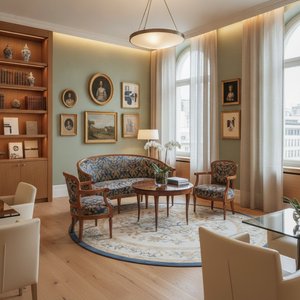
Biedermeier Style Guide: Integrating Elegant, Functional 19th-Century Art into Modern Hotel & Hospitality Interiors
Master the Biedermeier style for hospitality design. Our professional guide explores integrating 19th-century elegance and functional simplicity into modern hotel interiors through expert art procurement and large-scale custom reproductions.
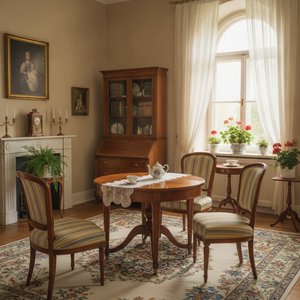
Biedermeier Style: The Art of Comfort, Elegance, and Home Harmony in 19th-Century Europe
Discover the soulful elegance of Biedermeier style. Explore how 19th-century Europe turned to domestic comfort and refined simplicity through art and design. A deep dive into the era of bourgeois sophistication for the true classic art enthusiast.