
 Yağlı Boya Versiyonu
 Nocturne hakkında her şey


































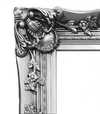

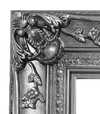


 Herhangi bir kenarı 105 cm'den (yaklaşık 41 inç) büyük olan sanat eserleri veya reprodüksiyonlar için çerçeve, demonte edilmiş bir kit halinde gönderilecektir. Bu yöntem, güvenli teslimat sağlar ve taşıma sırasında oluşabilecek hasarları önler.


Nocturne: A Reflection of Uruguayan Soul
Pedro Figari’s “Nocturne” isn't merely a depiction of a lakeside scene; it’s an embodiment of Uruguay itself—a quiet contemplation captured on canvas with masterful brushstrokes. Painted in 1918, this artwork stands as a testament to Pierre Bonnard’s influence and embodies the spirit of Latin American modernism, offering viewers a glimpse into a specific corner of Uruguayan countryside life.Subject Matter & Composition
The painting centers around a humble dwelling nestled beside a tranquil lake. A simple cube-shaped house dominates the composition, its doorway framed by weeping willow branches—a deliberate choice that speaks to Uruguayan folklore and tradition. The artist’s keen eye captures the subtle interplay of light and shadow, emphasizing the melancholic beauty of twilight. Two boats drift silently on the water's surface, adding a touch of human presence to this serene landscape. Notably, Figari positioned a solitary figure near the center, perhaps symbolizing introspection or simply appreciating the stillness of the evening.Style & Technique: Bonnard’s Impressionistic Touch
Figari’s technique aligns closely with Bonnard’s distinctive style—characterized by loose brushstrokes and vibrant color palettes that prioritize feeling over precise representation. The artist eschews meticulous detail, opting instead for a hazy atmosphere achieved through layering translucent washes of pigment. This approach is evident in the dominant dark area on the left side of the canvas, which intensifies the overall mood and contributes to the painting’s evocative quality. Bonnard's influence is palpable—a deliberate decision to convey emotion rather than photographic accuracy.Historical Context & Symbolism
“Nocturne” emerged during a period of significant artistic experimentation in Uruguay and Europe. The Impressionist movement, spearheaded by artists like Monet and Renoir, challenged academic conventions and championed subjective experience as paramount. Figari’s depiction of the Uruguayan countryside reflects this broader cultural shift—a desire to portray everyday life with honesty and sensitivity. The weeping willows symbolize mourning and remembrance, subtly reinforcing the painting's contemplative tone. Furthermore, the house itself represents stability and resilience amidst the ephemeral beauty of nature.Emotional Impact & Artistic Legacy
Ultimately, “Nocturne” succeeds in transporting viewers to a moment of quiet contemplation—a feeling deeply rooted in Uruguayan culture. The painting’s hazy luminescence and muted colors evoke a profound sense of peace and melancholy, inviting reflection on themes of solitude and beauty. Pedro Figari's masterpiece continues to inspire artists and collectors alike, securing its place as an iconic representation of Latin American modernist art and a poignant glimpse into the soul of Uruguay.Soru ve Cevaplar
Nocturne adlı bu eser el ile mi boyanmıştır yoksa baskı mıdır?
El ile boyanmıştır: eğitimli bir ressam, Nocturne eserini keten kanvas üzerine yağlı boya ile yeniden çalışır.
Nocturne için hangi boyutu seçmeliyim?
Orijinal eser 24 x 38 cm boyutlarındadır. Boyutlar 25.4 x 39.4 cm (₺11086) ile 155.2 x 240.5 cm (₺79981) arasında değişmektedir; bu sayfadaki tablo ana seçenekleri ve fiyatlarını listelemektedir.
Teslimat ne kadar sürer?
Dünya çapında ücretsiz ekspres kargo ile teslimat 4 ila 5 hafta sürmektedir; bu sayfa üzerinden acil üretim seçeneği de sunulmaktadır. Hiçbir koşul aranmaksızın, 100 gün içinde tam iade ile ürünü geri gönderebilirsiniz.
Nocturne adlı eserin orijinali nerede?
Orijinal eser Colección de Arte Amalia Lacroze de Fortabat, Buenos Aires koleksiyonunda yer almaktadır.
Pedro Figari, Nocturne eserinde hangi tekniği/malzemeyi kullanmıştır?
Yağlı boya pigmenti
Bu tablo hakkında daha fazla bilgi
 Gerçek Boyutta Önizle

 Paylaş
 Paylaş
 Detayları Gör
 Bilgi Formu


 İndir
 Benzer ürünler
 X-Işını
 Slayt Gösterisi
 Soru & Cevap

 İstatistikler


