Romantic Academic
Charon (Gustave Doré)
Charon, Gustave Doré (1832–1883) tarafından yapıldı. Romantic Academic akımına aittir. Gravür ile yapılmıştır.
- Gravür

 Gerçek Boyutta Önizle

 El Yapımı Yağlı Boya Tablo
 Paylaş
 Paylaş
 Bilgi formu


 İndir
 Benzer ürünler
 X-Işını
 Slayt Gösterisi
 Soru & Cevap

 İstatistikler
Charon hakkında kısa bilgi
- Başlık
- Charon
- Sanatçı
- Gustave Doré (1832–1883)
- Sanatçının doğum yeri
- Strazburg, Fransa
- Teknik
- Gravür
- Dönem
- 19. Yüzyıl
- Konu
- greek mythology, underworld journey, charon ferryman, death symbolism, romantic art style, nineteenth century engraving
Charon neyi betimliyor?
Paul Gustave Doré’s Dante Alighieri – Inferno Plate IX: A Descent Into Darkness
The artwork, Paul Gustave Doré's Dante Alighieri – Inferno Plate IX (Canto III - Charon), is a monumental wood engraving that encapsulates the chilling atmosphere of Virgil’s epic poem and embodies the Romantic aesthetic at its zenith. Executed in 1873, this piece isn’t merely a visual representation; it’s a profound meditation on mortality, judgment, and the terrifying journey into Hades—a subject explored with unparalleled detail and dramatic intensity by Doré.- Composition & Narrative Depth: Doré brilliantly captures Dante's harrowing descent into Hell, meticulously depicting the Styx River and Charon’s ferry. The densely populated scene showcases a multitude of tormented souls struggling for passage, mirroring Dante’s own psychological torment as he confronts the horrors of the underworld. Diagonal lines dominate the composition, conveying movement and emphasizing the overwhelming sense of despair.
- Technical Mastery: Doré's technique—the painstaking process of etching onto metal plates followed by printing—is itself a testament to artistic dedication. The intricate hatching and cross-hatching create astonishing tonal variations, simulating the rough texture of stone and water with remarkable realism. This masterful use of line work elevates the engraving beyond mere illustration; it becomes an immersive experience for the viewer.
- Symbolism & Emotional Resonance: Beyond its visual splendor, Plate IX resonates deeply with symbolic meaning. Charon represents authority and inescapable fate, while the dark landscape embodies the unknown abyss of afterlife—a chilling reminder of human vulnerability in the face of death. Virgil’s guiding hand symbolizes hope amidst despair, offering a glimmer of solace to Dante's soul as he navigates this perilous voyage.
- Romantic Aesthetic & Context: Doré’s work firmly establishes itself within the Romantic movement, prioritizing emotional expression and dramatic narrative over strict adherence to classical ideals. Influenced by artists like Casper David Friedrich and Eugène Delacroix, Doré sought to evoke awe and terror—to confront viewers with the sublime horror of existence.
- Legacy & Influence: Dante’s Inferno has endured as one of literature's most influential works, and Doré’s engraving solidified its visual representation for generations. It served as inspiration for Stanley Kubrick’s film A Clockwork Orange, demonstrating the enduring power of imagery to convey complex themes of morality and psychological torment—a testament to Doré’s artistic genius.
Detailed Analysis: Line Work & Texture Illusion
Doré's unparalleled skill lies in his ability to convincingly portray texture through line work alone. The artist meticulously employs hatching and cross-hatching techniques, creating a palpable illusion of roughness—particularly evident in the depiction of the Styx River’s turbulent surface and the jagged contours of the mountainous landscape. These lines aren’t simply decorative; they are fundamental to conveying the emotional weight of the scene, mirroring Dante's own experience of confronting overwhelming darkness and terror. The artist’s dedication to capturing every nuance of form contributes significantly to the engraving’s dramatic impact.Color Palette & Dramatic Lighting: Absence Speaks Volumes
Despite its subject matter—the underworld—Plate IX eschews color entirely, adhering to the conventions of Romantic engraving. This deliberate decision amplifies the artwork's emotional intensity by focusing solely on tonal variations achieved through shading and highlighting. The stark contrast between light and shadow underscores the psychological drama unfolding within the scene, mirroring Dante’s internal struggle as he confronts his own mortality. Doré skillfully manipulates lighting to create a sense of foreboding and heighten the viewer’s apprehension—a technique characteristic of Romantic art's ambition to evoke visceral responses.Historical Significance & Artistic Impact
Gustave Doré’s Dante Alighieri – Inferno Plate IX stands as an iconic achievement in Romantic engraving, securing its place within art history. It exemplifies the movement’s preoccupation with exploring profound themes—death, judgment, and the human condition—through emotionally charged imagery and masterful technical execution. Doré's work continues to inspire artists and collectors alike, demonstrating the enduring power of visual storytelling to convey complex ideas and evoke lasting emotional impressions.Charon için yüksek çözünürlüklü görseller
Kamu malı: sanatçı 1883 yılında vefat etmiştir.
Gustave Doré, Charon. Kamu malı.
Charon hakkında sorular ve cevaplar
"Charon" hangi teknikle yapılmıştır?
Gustave Doré imzalı "Charon" eserinin tekniği Gravür kullanılarak uygulanmıştır. Çoğaltımlar, bu tekniğin görünümünü yansıtmayı amaçlamaktadır.
"Charon" neyi betimliyor?
Gustave Doré imzalı "Charon" eserinde yer alan temalar greek mythology, underworld journey, charon ferryman, death symbolism, romantic art style, nineteenth century engraving, soul passage rituals unsurlarını içermektedir. Bunlar birlikte, eserin konu içeriğini özetlemektedir.
"Charon" eseri kamu malı mı?
Telif hakkı açısından, "Charon" eseri kamu malıdır - telif hakkı süresi dolmuştur statüsündedir.
"Charon" eserinin yaratıcısı kim?
"Charon", Gustave Doré tarafından yaratılmıştır. Bu sayfadaki bilgiler Gustave Doré imzalı orijinal esere aittir.
Gustave Doré imzalı "Charon" hangi sanat akımına dahil?
"Charon", Romantic Academic akımına ait bir eserdir. Bu akım, eserin dahil olduğu sanatsal geleneği ifade eder.
"Charon" adlı eser, Gustave Doré'in sanat kariyerinin hangi dönemini temsil ediyor?
Gustave Doré'in kariyerinde "Charon", Mature Romantic dönemine denk gelmektedir. Bu evre, eserin sanatçının diğer çalışmalarıyla kıyaslanmasına olanak tanır.
Gustave Doré imzalı "Charon" adlı eser kamu malı mıdır ve neden?
Gustave Doré imzalı "Charon", kamu malıdır - telif hakkı süresi dolmuştur statüsündedir. Telif hakkı süresi, sanatçının 1883 yılındaki ölümünden itibaren hesaplanmaktadır.
"Charon" adlı eser, Gustave Doré'in külliyatında nerede konumlanıyor?
Gustave Doré'in eserleri arasında yer alan "Charon", biblical narrative inspiration, death judgment imagery, romantic symbolism dominance, doré’s dramatic vision temalarıyla birlikte Romantic Academic üslubunda konumlanmaktadır.
"Charon" eserinin konusu, Gustave Doré sanatçısının alışılagelmiş temalarıyla nasıl bir ilişki içerisindedir?
Gustave Doré'in yinelenen temaları biblical narrative inspiration, death judgment imagery, romantic symbolism dominance, doré’s dramatic vision içerir; "Charon" ise greek mythology, underworld journey, charon ferryman, death symbolism, romantic art style, nineteenth century engraving, soul passage rituals üzerine odaklanır.
Sanatçı hakkında, Gustave Doré
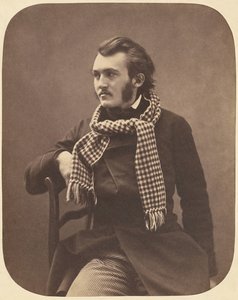
1832–1883, Fransa
Gustave Doré
Paul Gustave Doré'nin Yaşamı 6 Ocak 1832, Strasbourg, Fransa. Paul Gustave Louis Christophe Doré'nin yaşam öyküsü burada başlar. Ren Nehri'nden Paris'in hareketli sokaklarına uzanan bu yolculukta, sanatçının değişken sanatsal akımların hüküm sürdüğü bir dünyaya adım attığı görülür. Henüz on beş yaşındayken, bir karikatürist olarak Le Journal pour rire dergisinin hiciv dolu dünyasında kendine yer bulmuştur.
Gustave Doré Hakkında Gustave Doré tarafından yapılmış öne çıkan eserler
Gustave Doré tarafından yapılan diğer eserler
 Akrobatlar
 Hristiyan Şehitleri
 Cehennem, 9. Kant, 87-89. Dizeler. Kapıya geldi ve asasıyla ona dokundu, bunun üzerine hiçbir engel olmaksızın ardına kadar açıldı.
 Kayıp Cennet
Charon üzerine denemeler
 Masterpieces of Gustave Doré: The Top 25 Iconic ArtworksExplore 25 iconic Gustave Doré engravings. Discover the genius behind his timeless illustrations. Explore the full collection on OriginalUn…
 Beauty or Meaning? Distinguishing Aestheticism from SymbolismMaster the nuances between Aestheticism and Symbolism with our expert art history guide. Learn to decode the secrets of these movements now.
 Master of Shadows: The Top 25 Iconic Artworks by Gustave DoréStep into the dramatic world of Gustave Doré. Explore 25 iconic masterpieces of light and shadow, from epic biblical engravings to gothic t…