
 Önizle
 Gönder
 Paylaş
 Detaylar
 Rehber

 Dosyayı İndir
 Benzerleri
 X-Işını
 Slayt Gösterisi
 İstatistikler
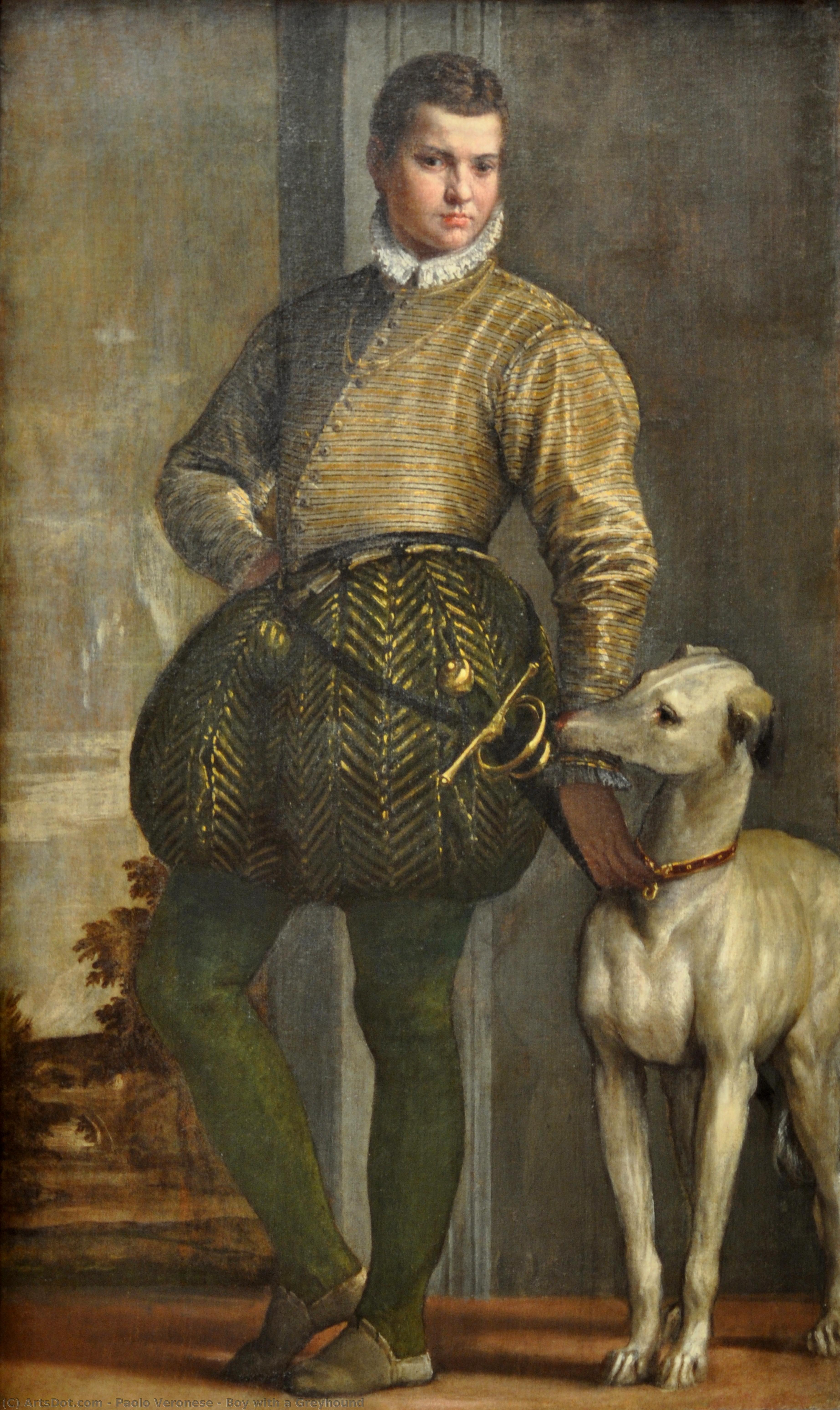
Boy with a Greyhound
 Acrylic On Canvas
- WallArt
- Late Renaissance Mannerism
 1570
1570 174.0 x 102.0 cm
 Metropolitan Sanat Müzesi
 Devamını Oku
Giclée / Sanat Baskısı
Hızlı üretim ve esnek bitiş seçenekleriyle müze kalitesinde giclée veya kanvas baskı. ( El Yapımı Tablo Satın Al Dijital Görsel Satışına Geç)




P118B ₺10

P118H ₺10

P118W ₺10

P438Z ₺10

P508JH ₺12

P508YH ₺12

P805H ₺10

P805Z ₺10

P919BZ ₺10

P919G ₺10

P919XJ ₺10

P959ZH ₺10

P968JZ ₺12

W106C ₺8

W218G ₺10

W218JH ₺8

W218Y ₺10

W307PJ ₺10

W316G ₺10

W316PJ ₺8

W316Y ₺10

W398PJ ₺8

W4111J ₺10

W500HY ₺15

W500JH ₺15

W692G ₺12

W849H ₺8

W940BG ₺15

W953PJ ₺8




Eserin orijinal oranlarıyla uyumlu, önceden belirlenmiş boyutlarımız arasından seçim yapın.

Belirli bir çerçeveye veya alana uyması için kendi ölçülerinizi girebilirsiniz. Seçtiğiniz boyut orijinal görüntünün oranlarıyla eşleşmiyorsa, sanat eserini kırpacağız veya görüntüyü aynalanmış ya da düz dolgulu bir kenarlıkla genişleteceğiz. Üretim başlamadan önce onayınız için bir dijital taslak gönderilecektir.
Lütfen ekrandaki önizlemenin gerçek kırpma veya genişletmeyi yansıtmadığını unutmayın. Nihai kompozisyonu yalnızca taslak doğru bir şekilde gösterecektir.
Özel boyutlar mevcut olsa da, orijinal oranları korumak için önceden tanımlanmış listeden bir boyut seçmenizi öneririz.
Dünya Çapında Teslimat (); standart 4/5 hafta yerine 2 haftada. (10 Ekim)

Dünya Çapında Ücretsiz Ekspres Kargo

Yüksek Kaliteli Keten Tuval

Tam Nakliye Sigortası

Gümrük Vergisi İadesi Garantisi

Gerçek Renk Uyumu Garantisi

100 Günlük İade Koşulları (Sadece Üretim Hatalı Ürünler İçin)

%100 Para İade Garantisi

Toplu Alım Avantajı
 Cam seçeneği yalnızca 110 cm altındaki boyutlar için mevcuttur.

Boy with a Greyhound
Giclée / Sanat Baskısı
Baskı Boyutu
-


Toplam Fiyat
₺ 3889
The Enigmatic Youth: Paolo Veronese’s ‘Boy with a Greyhound’
Paolo Veronese's “Boy with a Greyhound,” painted in 1570, is more than just a portrait; it’s a carefully constructed tableau of Renaissance ideals and subtle social commentary. This captivating work, measuring 174 x 102 cm, offers a glimpse into the opulent world of Venetian society and reveals Veronese's masterful command of color, composition, and detail. The painting immediately draws the eye to the young man, dressed in a vibrant yellow garment – a hue associated with royalty and wealth during this period – suggesting a noble lineage or elevated status. His posture is one of quiet confidence, his hand resting casually on his hip while holding the leash of a magnificent greyhound, an animal prized for its speed, loyalty, and association with nobility.
The background, rendered in a deliberately soft and blurred manner, hints at a setting – perhaps a courtyard or garden – but doesn’t distract from the central figures. This technique, common in Venetian painting of the era, reflects a shift away from the precise realism favored by earlier masters and emphasizes the importance of the subjects themselves. The greyhound's attentive gaze upward towards the boy speaks volumes about their bond; it’s a connection built on mutual respect and affection, subtly conveyed through their interaction.
A Venetian Visionary: Paolo Veronese and His Artistic World
Paolo Caliari, known as Paolo Veronese, was a pivotal figure in the vibrant artistic scene of 16th-century Venice. Born in Verona in 1528, his early training instilled him with foundational techniques, but it was his move to Venice that unleashed his extraordinary talent. The city’s wealth, its grand architecture, and its bustling markets provided an endless source of inspiration for Veronese. He absorbed the influence of masters like Titian, particularly his mastery of color, yet he developed a distinct style characterized by lavish detail, dramatic scale, and a celebration of human beauty – often imbued with a subtle air of theatricality.
Veronese’s work frequently depicted scenes from biblical narratives, mythological tales, and grand celebrations. He was renowned for his ability to create immersive environments filled with intricate details, luxurious fabrics, and an abundance of figures. His paintings were commissioned by wealthy families and religious institutions, serving as both decorative elements and statements of social status. “Boy with a Greyhound” exemplifies this approach – it’s not merely a portrait but a carefully orchestrated scene designed to evoke admiration and convey a sense of refined taste.
Symbolism and Context: Decoding the Details
The inclusion of the greyhound itself is laden with symbolism. In Renaissance Venice, dogs were associated with nobility, loyalty, and even hunting prowess – qualities highly valued by the wealthy elite. The boy’s attire, particularly the yellow garment, further reinforces this connection to privilege. The blurred background suggests a world beyond immediate perception, inviting contemplation on the social dynamics at play.
Considering the date of 1570, “Boy with a Greyhound” offers a window into the values and aesthetics of the late Renaissance. It reflects a fascination with classical ideals of beauty, a celebration of wealth and status, and an interest in portraying human figures in idealized forms. The painting’s composition—the balanced arrangement of figures, the rich colors, and the subtle gestures—demonstrates Veronese's mastery of visual language and his ability to capture the essence of his subject.
A Timeless Masterpiece: Reproduction and Appreciation
OriginalUniqueArt.com is proud to offer meticulously crafted hand-painted reproductions of Paolo Veronese’s “Boy with a Greyhound.” Each reproduction captures the original's vibrant colors, intricate details, and atmospheric depth, allowing you to bring this iconic Renaissance masterpiece into your home or office. Whether you are an art enthusiast, a collector, or simply seeking a stunning piece of decorative art, our reproductions provide an authentic and affordable way to experience the enduring beauty of Veronese’s vision. Explore the full detail and artistry of this captivating portrait – a testament to the genius of a Venetian master.
Soru ve Cevaplar
"Boy with a Greyhound" ne hakkında?
Paolo Veronez imzalı "Boy with a Greyhound" şunları betimler: venetian painting, greyhound, renaissance, costume, royalty, dog, veronese, feast.
"Boy with a Greyhound" eserinin renk paleti ne kadar doygun?
Paolo Veronez imzalı "Boy with a Greyhound", Subtle Color doygunlukta kaydedilmiştir.
Paolo Veronez, "Boy with a Greyhound" eserini kaç yaşında yaptı?
"Boy with a Greyhound" adlı eser 1570 yılında yaratıldığında, 1528 yılında doğan Paolo Veronez, 42 yaşındaydı.
Renk paleti göz önüne alındığında, "Boy with a Greyhound" eserinin hangi odada sergilenmesi öneriliyor?
Earthy renkleri göz önüne alındığında, "Boy with a Greyhound" adlı eserin bir Living Room için uygun olduğu önerilmektedir.
Paolo Veronez imzalı "Boy with a Greyhound" hangi yılda yapıldı?
"Boy with a Greyhound", 1570 yılına tarihlenmektedir. Bu tarih, eseri Paolo Veronez kariyerinin ve dönemin içerisine yerleştirmektedir.
"Boy with a Greyhound" adlı eser hangi sanatçıya atfediliyor?
"Boy with a Greyhound" eserinin arkasındaki sanatçı Paolo Veronez'tir. Eser, Paolo Veronez adına kataloglanmıştır.
Paolo Veronez imzalı "Boy with a Greyhound" eserinin renk kimliği nedir?
Paolo Veronez imzalı "Boy with a Greyhound" eserinin renk kimliği: Driftwood (#847551) renginin hakim olduğu Earthy bir palet.
Sanatçı Biyografisi
Venedik Vizyoneri: Paolo Veronese’nin Yaşamı ve Sanatı
Paolo Caliari, dünyaya Paolo Veronese olarak tanınan bu sanatçı, 16. yüzyıl Venedik’inin canlı sanatsal ortamından renk, kompozisyon ve görkemli şölenlerin ustası olarak ortaya çıktı. 1528 yılında Verona’da, bir taş kesicinin oğlu olarak doğan Veronese’nin erken yaşamı, bölgeyi karakterize eden klasik mimari, heykeltraşlık formları ve gelişen hümanist ideallerin görsel zenginliğiyle yoğrulmuştu. Antonio Badile ve Giovanni Francesco Caroto altında aldığı ilk eğitim, geleneksel tekniklerin temelini atmıştı; ancak 1550’lerde Venedik’e taşınması, sanatsal dehasını gerçekten ateşledi. Şehir kendisi onun musası oldu; hareketli pazaryerleri, görkemli sarayları ve parıldayan su yolları, eserlerinin ölçekini ve dramatik etkisini şekillendirdi. Titian gibi yerleşik Venedik ustalarının etkilerini hızla özümsedi; Titian’ın renk ustalığı paletini derinden etkiledi, ancak eşsiz bir teatral duygu ve ihtişam ile karakterize farklı bir stil geliştirdi.Şölenlerin ve Büyük Anlatıların Ressamı
Veronese’nin ünü, özellikle gösterişli şölenleri ve Venedik yaşamının göz kamaştırıcı sergilerine dönüştürülmüş dini sahneleri tasvir eden anıtsal tablolarına dayanmaktadır. 1563 yılında San Giorgio Maggiore Benediktin Manastırı için tamamlanan Kana’da Düğün, becerisinin bir kanıtıdır. Bu devasa tuval sadece mucizenin bir gösterimi değil; zarif giyimli figürler, müzisyenler ve nefes kesici hassasiyetle işlenmiş mimari detaylarla dolu 16. yüzyıl toplumunun canlı bir panoramasıdır. Resim, Cana’da ne olduğunu anlatmaktan ziyade *eğer* o olay Veronese’nin zamanında Venedik’te yaşanmış olsaydı nasıl görünürdü sorusuna odaklanır. Benzer şekilde, başlangıçta Son Akşam Yemeği olarak adlandırılan Levi Evi'ndeki Şölen, çağdaş figürlerin ve görünen saygısız atmosferin dahil edilmesi nedeniyle Engizisyon tarafından tartışmalara yol açtı. Veronese, ressamların şairler ve şakacılarla aynı yaratıcı özgürlüğe sahip olduğunu savunarak sanatsal lisansını savundu – bu cesur ifade, sanatın kutsal anlatıları yorumlama ve yeniden hayal etme gücüne olan inancını yansıtıyordu. Bu eserler sadece dini tasvirler değildi; bunlar yaşam, zenginlik ve Venedik’in ihtişamının kutlamalarıydı. O, mütevazı maneviyatta değil, varoluşun neşe ve bolluğunu yakalamakla ilgileniyordu.Etkiler ve Sanatsal Gelişim
Titian’ın Veronese’nin renkçiliğine etkisi yadsınamaz olsa da, sanatsal gelişimi çeşitli etkilerin karmaşık bir etkileşimiydi. Kompozisyonlarına getirdiği mimari hassasiyet, özellikle Michele Sanmicheli gibi mimarların çalışmasıyla Verona’da biçimlendirici yıllarında yaygın olan klasik geleneğe borçludur. Ayrıca Raphael ve Parmigianino gibi Orta İtalya ustalarından da öğeler özümsedi; bu durum resimlerindeki zarif çizgilerde ve uyumlu düzenlemelerde belirgindir. Ancak Veronese, bu etkileri taklit etmekle yetinmedi; dramatik ışık kullanımı, canlı renk paletleri ve ayrıntılara titiz dikkat ile karakterize benzersiz bir Venedik stili sentezledi. Sahne içinde illüzyonlar yaratmada ve izleyicileri karmaşık sahnelerinin kalbine çekmek için perspektif tekniklerini kullanmada ustaydı. Yağlı boya tekniğindeki ustalığı, eşsiz bir parlaklık ve doku zenginliği elde etmesini sağladı. Ayrıca kardeşi Benedetto ve oğulları Gabriele ve Carlo’nun katkılarıyla geniş bir atölye yönetti; bu da ölümünden sonra bile stilinin gelişmeye devam etmesini sağladı (1588).Mirası ve Tarihsel Önemi
Paolo Veronese’nin etkisi, Rönesans sanatının sınırlarını çok aşmaktadır. Eserleri yüzyıllar boyunca yankılanmış ve çeşitli disiplinlerdeki sanatçıları etkilemiştir. Dramatik kompozisyonları ve canlı renk şemaları, Barok resminden modern sinemaya kadar her şeyi etkilediği belirtildi – hatta Spaghetti Western’lerin görsel estetiğinde bile yankıları bulundu. Titian ve Tintoretto ile birlikte Venedik ressamlarının “büyük üçlüsünün” bir parçasıydı; her biri şehrin sanatsal miradına benzersiz katkılarda bulunuyordu, ancak Veronese genellikle yeryüzündeki zevklerin kutlanmasıyla öne çıkıyordu. Resimleri, ihtişamları ve görkemleriyle izleyicileri büyülemeye devam ediyor ve 16. yüzyıl Venedik’inin dünyasına bir bakış sunuyor.- Tarihi resim anlayışını çağdaş yaşamla zenginleştirerek yeniden tanımladı.
- Renk kullanımı, günümüz sanatçıları için hala etkili olmaya devam etmektedir.
- Eserleri Rönesans hümanizminin ruhunu ve yeryüzündeki güzelliğin kutlanmasını somutlaştırıyor.

Paolo Veronez
1528 - 1588 , İtalya
Kısa Bilgiler
- Bu Sanatçıdan Etkilenenler:
- Rubens
- Watteau
- Doğum Tarihi: 1528
- Doğum Yeri: Verona, İtalya
- Etkilendiği Sanatçılar: ['Titian']
- Sanatsal Akım: Rönesans, Maniyerizm
- Tam Adı: Paolo Veronese
- Uyruğu: İtalyan
- Ölüm Tarihi: 1588
- Önemli Eserleri:
- The Wedding at Cana
- Levi Evinde Ziyafet
İlgili Yazılar

The Art of Innocence: Capturing Childhood Wonder through Timeless Portraits of Boys
Capture the fleeting magic of boyhood with breathtaking art. Explore Impressionist-inspired portraits and transform your favorite photos into hand-painted oil masterpieces. At OriginalUniqueArt.com, we bring childhood wonder to life with museum-quality craftsmanship for your home.

Giovanni Paolo Panini: Capturing Roman Grandeur – A Vedute Master's Legacy
Explore the captivating world of Giovanni Paolo Panini, master of Roman vedute painting. Discover his technique, iconic works, influence on art history & collecting advice from experts at OriginalUniqueArt.

Timeless Canines: A Scholarly Exploration of the World's Most Iconic Dog Portraits in Art History
Explore the profound history of the world's most iconic dog portraits. From ancient symbols to 19th-century masters, journey through canine art history with expert insights and discover museum-quality, hand-painted oil reproductions and bespoke pet commissions.
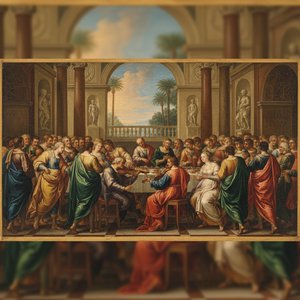
Paolo Veronese: A Renaissance Master of Color, Composition, and Venetian Splendor
Explore the vibrant world of Paolo Veronese, a Renaissance master renowned for his opulent compositions, masterful use of color, and dramatic Venetian scenes. Discover key artworks & legacy.
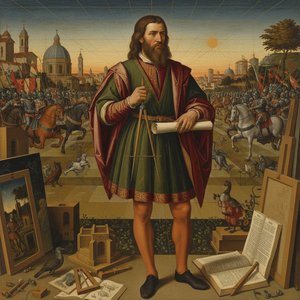
Paolo Uccello: Pioneering Perspective & the Renaissance Pursuit of Visual Truth
Explore the revolutionary art of Paolo Uccello, a Florentine Renaissance master who pioneered perspective. Discover his iconic paintings like 'St. George & The Dragon' and learn about his lasting influence on art history.


