
 Önizle
 Gönder
 Paylaş
 Detaylar
 Rehber

 Dosyayı İndir
 Benzerleri
 X-Işını
 Slayt Gösterisi
 Q&A
Q&A İstatistikler
Bacchus and Ceres


 Devamını Oku
Giclée / Sanat Baskısı
Hızlı üretim ve esnek bitiş seçenekleriyle müze kalitesinde giclée veya kanvas baskı. ( El Yapımı Tablo Satın Al Dijital Görsel Satışına Geç)




P118B ₺10

P118H ₺10

P118W ₺10

P438Z ₺10

P508JH ₺12

P508YH ₺12

P805H ₺10

P805Z ₺10

P919BZ ₺10

P919G ₺10

P919XJ ₺10

P959ZH ₺10

P968JZ ₺12

W106C ₺8

W218G ₺10

W218JH ₺8

W218Y ₺10

W307PJ ₺10

W316G ₺10

W316PJ ₺8

W316Y ₺10

W398PJ ₺8

W4111J ₺10

W500HY ₺15

W500JH ₺15

W692G ₺12

W849H ₺8

W940BG ₺15

W953PJ ₺8




Eserin orijinal oranlarıyla uyumlu, önceden belirlenmiş boyutlarımız arasından seçim yapın.

Çerçevenize veya duvarınıza uygun olması için ihtiyacınız olan genişlik ve yüksekliği yazın. Bir baskı yalnızca kesilebilir, görselden daha büyük hale getirilemez; bu nedenle farklı bir formdaki boyut seçimi, görselin bir kısmının kaybına neden olur. Herhangi bir baskı yapmadan önce onaylamanız için size bir dijital taslak gönderiyoruz. Bu sayfada gösterilen resim gerçek kesimi göstermez — bunu yalnızca taslak gösterir.
Dünya Çapında Teslimat (); standart 4/5 hafta yerine 2 haftada. (1 Kasım)

Dünya Çapında Ücretsiz Ekspres Kargo

Yüksek Kaliteli Keten Tuval

Tam Nakliye Sigortası

Gümrük Vergisi İadesi Garantisi

Gerçek Renk Uyumu Garantisi

100 Günlük İade Koşulları (Sadece Üretim Hatalı Ürünler İçin)

%100 Para İade Garantisi

Toplu Alım Avantajı
 Cam seçeneği yalnızca 110 cm altındaki boyutlar için mevcuttur.

Bacchus and Ceres
Giclée / Sanat Baskısı
Baskı Boyutu
-


Toplam Fiyat
₺ 3931
Paolo Veronese: A Renaissance Master of Color, Composition, and Venetian Splendor
Paolo Caliari, known to the world as Paolo Veronese, emerged from the vibrant artistic landscape of 16th-century Venice as a master of color, composition, and opulent spectacle. Born in Verona in 1528, the son of a stonecutter, his early life was steeped in the visual richness of his surroundings – the classical architecture, sculpted forms, and burgeoning humanist ideals that characterized the region. His initial training under Antonio Badile and Giovanni Francesco Caroto laid a foundation in traditional techniques, but it was his move to Venice in the 1550s that truly ignited his artistic genius. The city itself became his muse, its bustling marketplaces, grand palazzi, and shimmering waterways informing the scale and drama of his work. He quickly absorbed the influences of established Venetian masters like Titian, whose mastery of color profoundly impacted Veronese’s palette, yet he forged a distinct style characterized by an unparalleled ambition to capture grandeur and emotion on canvas.- Subject Matter: Veronese's oeuvre is dominated by monumental mythological scenes—particularly depictions of feasts and celebrations—drawing heavily from classical narratives and Roman mythology. “Bacchus and Ceres,” commissioned for Villa Barbaro in Maser, exemplifies this fascination with epic storytelling and idealized beauty.
- Style: Veronese’s style belongs to Mannerism, a reaction against the harmonious balance of High Renaissance art. Unlike his predecessors who sought perfection, Veronese embraced dynamism and theatricality, prioritizing expressive gesture and dramatic lighting over anatomical accuracy. This stylistic choice lends an air of grandeur and sophistication to his paintings.
- Technique: He employed meticulous fresco painting techniques—a hallmark of Venetian artistic tradition—resulting in breathtaking surfaces adorned with shimmering pigments and intricate detailing. The layering of translucent glazes created a luminous effect, capturing the vibrancy of color and enhancing the illusionistic depth of the scene.
Villa Barbaro’s Frescoes: Context and Significance
The commission for “Bacchus and Ceres” at Villa Barbaro represents more than just an artistic endeavor; it embodies the aspirations of Daniele Barbaro, a humanist scholar and patron of the arts who envisioned his villa as a symbol of intellectual enlightenment and aristocratic refinement. Veronese's frescoes were intended to elevate the villa’s interior space into a realm of sublime beauty—a testament to the Renaissance ideal of integrating art and architecture to create harmonious environments. The painting reflects the broader cultural climate of Venice during Barbaro’s time, where artistic innovation flourished alongside humanist thought.Symbolism and Narrative Complexity
“Bacchus and Ceres” is replete with symbolic references that underscore its thematic concerns. Bacchus, representing wine and fertility, embodies Dionysiac ecstasy—a celebration of sensual pleasure and divine inspiration. Ceres, goddess of agriculture and harvest, symbolizes abundance and nourishment—essential elements for sustaining human life and fostering prosperity. The figures’ postures and expressions convey a palpable sense of joy and conviviality, inviting viewers to partake in the festivities depicted. Furthermore, Veronese skillfully employs perspective and spatial illusionism to create an immersive experience, transporting the viewer into the opulent setting of the villa's banquet hall.Emotional Impact: A Triumph of Venetian Art
Ultimately, “Bacchus and Ceres” achieves its remarkable emotional impact through Veronese’s masterful manipulation of color and light—elements that contribute significantly to the painting’s dramatic atmosphere. The rich hues—particularly reds, golds, and blues—evoke a feeling of warmth and splendor, mirroring the grandeur of Villa Barbaro itself. The luminous glazing technique enhances the illusionistic depth of the scene, drawing viewers into the midst of the celebration and capturing the essence of Renaissance artistic ambition. It remains an enduring masterpiece—a testament to Veronese’s genius and Venice's legacy as a center for artistic innovation.Further Exploration
You can find more information about Paolo Veronese and “Bacchus and Ceres” at: Around 1560-61, Veronese was commissioned by Daniele Barbaro to provide the interior frescoes for Barbaro's Palladian villa in Maser.Soru ve Cevaplar
Paolo Veronez imzalı "Bacchus and Ceres" eserinin hangi baskı boyutu önerilen odaya uygun düşer?
Paolo Veronez imzalı "Bacchus and Ceres" için önerilen eşleşme: Living Room içerisinde Large boyutunda bir baskı.
"Bacchus and Ceres" eserinin 1560 tarihli olması, Paolo Veronez'in kariyerinin hangi dönemine denk gelmektedir?
1560 tarihi, "Bacchus and Ceres" eserini Paolo Veronez'in gelişiminin Mature Period dönemine yerleştirmektedir.
Paolo Veronez imzalı "Bacchus and Ceres" eserinin renk kimliği nedir?
Paolo Veronez imzalı "Bacchus and Ceres" eserinin renk kimliği: Putty (#d2beb4) renginin hakim olduğu Earthy bir palet.
Sanatçı Biyografisi
Venedik Vizyoneri: Paolo Veronese’nin Yaşamı ve Sanatı
Paolo Caliari, dünyaya Paolo Veronese olarak tanınan bu sanatçı, 16. yüzyıl Venedik’inin canlı sanatsal ortamından renk, kompozisyon ve görkemli şölenlerin ustası olarak ortaya çıktı. 1528 yılında Verona’da, bir taş kesicinin oğlu olarak doğan Veronese’nin erken yaşamı, bölgeyi karakterize eden klasik mimari, heykeltraşlık formları ve gelişen hümanist ideallerin görsel zenginliğiyle yoğrulmuştu. Antonio Badile ve Giovanni Francesco Caroto altında aldığı ilk eğitim, geleneksel tekniklerin temelini atmıştı; ancak 1550’lerde Venedik’e taşınması, sanatsal dehasını gerçekten ateşledi. Şehir kendisi onun musası oldu; hareketli pazaryerleri, görkemli sarayları ve parıldayan su yolları, eserlerinin ölçekini ve dramatik etkisini şekillendirdi. Titian gibi yerleşik Venedik ustalarının etkilerini hızla özümsedi; Titian’ın renk ustalığı paletini derinden etkiledi, ancak eşsiz bir teatral duygu ve ihtişam ile karakterize farklı bir stil geliştirdi.Şölenlerin ve Büyük Anlatıların Ressamı
Veronese’nin ünü, özellikle gösterişli şölenleri ve Venedik yaşamının göz kamaştırıcı sergilerine dönüştürülmüş dini sahneleri tasvir eden anıtsal tablolarına dayanmaktadır. 1563 yılında San Giorgio Maggiore Benediktin Manastırı için tamamlanan Kana’da Düğün, becerisinin bir kanıtıdır. Bu devasa tuval sadece mucizenin bir gösterimi değil; zarif giyimli figürler, müzisyenler ve nefes kesici hassasiyetle işlenmiş mimari detaylarla dolu 16. yüzyıl toplumunun canlı bir panoramasıdır. Resim, Cana’da ne olduğunu anlatmaktan ziyade *eğer* o olay Veronese’nin zamanında Venedik’te yaşanmış olsaydı nasıl görünürdü sorusuna odaklanır. Benzer şekilde, başlangıçta Son Akşam Yemeği olarak adlandırılan Levi Evi'ndeki Şölen, çağdaş figürlerin ve görünen saygısız atmosferin dahil edilmesi nedeniyle Engizisyon tarafından tartışmalara yol açtı. Veronese, ressamların şairler ve şakacılarla aynı yaratıcı özgürlüğe sahip olduğunu savunarak sanatsal lisansını savundu – bu cesur ifade, sanatın kutsal anlatıları yorumlama ve yeniden hayal etme gücüne olan inancını yansıtıyordu. Bu eserler sadece dini tasvirler değildi; bunlar yaşam, zenginlik ve Venedik’in ihtişamının kutlamalarıydı. O, mütevazı maneviyatta değil, varoluşun neşe ve bolluğunu yakalamakla ilgileniyordu.Etkiler ve Sanatsal Gelişim
Titian’ın Veronese’nin renkçiliğine etkisi yadsınamaz olsa da, sanatsal gelişimi çeşitli etkilerin karmaşık bir etkileşimiydi. Kompozisyonlarına getirdiği mimari hassasiyet, özellikle Michele Sanmicheli gibi mimarların çalışmasıyla Verona’da biçimlendirici yıllarında yaygın olan klasik geleneğe borçludur. Ayrıca Raphael ve Parmigianino gibi Orta İtalya ustalarından da öğeler özümsedi; bu durum resimlerindeki zarif çizgilerde ve uyumlu düzenlemelerde belirgindir. Ancak Veronese, bu etkileri taklit etmekle yetinmedi; dramatik ışık kullanımı, canlı renk paletleri ve ayrıntılara titiz dikkat ile karakterize benzersiz bir Venedik stili sentezledi. Sahne içinde illüzyonlar yaratmada ve izleyicileri karmaşık sahnelerinin kalbine çekmek için perspektif tekniklerini kullanmada ustaydı. Yağlı boya tekniğindeki ustalığı, eşsiz bir parlaklık ve doku zenginliği elde etmesini sağladı. Ayrıca kardeşi Benedetto ve oğulları Gabriele ve Carlo’nun katkılarıyla geniş bir atölye yönetti; bu da ölümünden sonra bile stilinin gelişmeye devam etmesini sağladı (1588).Mirası ve Tarihsel Önemi
Paolo Veronese’nin etkisi, Rönesans sanatının sınırlarını çok aşmaktadır. Eserleri yüzyıllar boyunca yankılanmış ve çeşitli disiplinlerdeki sanatçıları etkilemiştir. Dramatik kompozisyonları ve canlı renk şemaları, Barok resminden modern sinemaya kadar her şeyi etkilediği belirtildi – hatta Spaghetti Western’lerin görsel estetiğinde bile yankıları bulundu. Titian ve Tintoretto ile birlikte Venedik ressamlarının “büyük üçlüsünün” bir parçasıydı; her biri şehrin sanatsal miradına benzersiz katkılarda bulunuyordu, ancak Veronese genellikle yeryüzündeki zevklerin kutlanmasıyla öne çıkıyordu. Resimleri, ihtişamları ve görkemleriyle izleyicileri büyülemeye devam ediyor ve 16. yüzyıl Venedik’inin dünyasına bir bakış sunuyor.- Tarihi resim anlayışını çağdaş yaşamla zenginleştirerek yeniden tanımladı.
- Renk kullanımı, günümüz sanatçıları için hala etkili olmaya devam etmektedir.
- Eserleri Rönesans hümanizminin ruhunu ve yeryüzündeki güzelliğin kutlanmasını somutlaştırıyor.

Paolo Veronez
1528 - 1588 , İtalya
Kısa Bilgiler
- Bu Sanatçıdan Etkilenenler:
- Rubens
- Watteau
- Doğum Tarihi: 1528
- Doğum Yeri: Verona, İtalya
- Etkilendiği Sanatçılar: ['Titian']
- Sanatsal Akım: Rönesans, Maniyerizm
- Tam Adı: Paolo Veronese
- Uyruğu: İtalyan
- Ölüm Tarihi: 1588
- Önemli Eserleri:
- The Wedding at Cana
- Levi Evinde Ziyafet
İlgili Yazılar

The Enduring Legacy of Fresco: Technique, History & Artistic Expression Across Cultures
Explore the rich history & enduring legacy of fresco painting! Discover ancient techniques, Giotto's masterpieces, and modern applications. Expert insights for art lovers & professionals.

Duvar Sanatıyla Aile Mirasını Yüzyıllara Taşımak: Fresk Boyama Geleneği ve Kalıcı Eserler
Fresk sanatı uzmanları tarafından hazırlanan bu rehberde, duvar resminin kökenlerinden restorasyonuna kadar her şeyi keşfedin. Aile mirasını kalıcı eserlere dönüştürmek için ipuçları ve profesyonel sanat danışmanlığı.

The Enduring Legacy of Fresco Painting: Techniques, History & Contemporary Relevance
Explore the rich history & enduring artistry of fresco painting – from Giotto to Michelangelo! Discover techniques, conservation efforts, & modern applications. Learn how OriginalUniqueArt brings this timeless art form to your home.
İç Mekân Freskolarının Duygusal Gücü: Tarihsel Bir Bakış ve Modern Yaşam Alanlarına Entegrasyonu
Fresk sanatının kökenlerinden modern uygulamalarına kadar kapsamlı bir rehber. Uzmanlar tarafından hazırlanmış bu yazıda, Rönesans fresklerinin sırlarını ve yaşam alanlarınıza sanatsal değer katma yöntemlerini keşfedin.
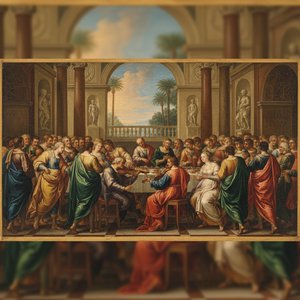
Paolo Veronese: A Renaissance Master of Color, Composition, and Venetian Splendor
Explore the vibrant world of Paolo Veronese, a Renaissance master renowned for his opulent compositions, masterful use of color, and dramatic Venetian scenes. Discover key artworks & legacy.


