

 Önizle
 Gönder
 Paylaş
 Detaylar
 Rehber

 Dosyayı İndir
 Benzerleri
 X-Işını
 Slayt Gösterisi
 İstatistikler
Hope


 Devamını Oku
Giclée / Sanat Baskısı
Hızlı üretim ve esnek bitiş seçenekleriyle müze kalitesinde giclée veya kanvas baskı. ( El Yapımı Tablo Satın Al Dijital Görsel Satışına Geç)




P118B ₺10

P118H ₺10

P118W ₺10

P438Z ₺10

P508JH ₺12

P508YH ₺12

P805H ₺10

P805Z ₺10

P919BZ ₺10

P919G ₺10

P919XJ ₺10

P959ZH ₺10

P968JZ ₺12

W106C ₺8

W218G ₺10

W218JH ₺8

W218Y ₺10

W307PJ ₺10

W316G ₺10

W316PJ ₺8

W316Y ₺10

W398PJ ₺8

W4111J ₺10

W500HY ₺15

W500JH ₺15

W692G ₺12

W849H ₺8

W940BG ₺15

W953PJ ₺8




Eserin orijinal oranlarıyla uyumlu, önceden belirlenmiş boyutlarımız arasından seçim yapın.

Çerçevenize veya duvarınıza uygun olması için ihtiyacınız olan genişlik ve yüksekliği yazın. Bir baskı yalnızca kesilebilir, görselden daha büyük hale getirilemez; bu nedenle farklı bir formdaki boyut seçimi, görselin bir kısmının kaybına neden olur. Herhangi bir baskı yapmadan önce onaylamanız için size bir dijital taslak gönderiyoruz. Bu sayfada gösterilen resim gerçek kesimi göstermez — bunu yalnızca taslak gösterir.
Dünya Çapında Teslimat (); standart 4/5 hafta yerine 2 haftada. (21 Ekim)

Dünya Çapında Ücretsiz Ekspres Kargo

Yüksek Kaliteli Keten Tuval

Tam Nakliye Sigortası

Gümrük Vergisi İadesi Garantisi

Gerçek Renk Uyumu Garantisi

100 Günlük İade Koşulları (Sadece Üretim Hatalı Ürünler İçin)

%100 Para İade Garantisi

Toplu Alım Avantajı
 Cam seçeneği yalnızca 110 cm altındaki boyutlar için mevcuttur.

Hope
Giclée / Sanat Baskısı
Baskı Boyutu
-


Toplam Fiyat
₺ 3907
Paolo Uccello’s ‘Hope’: A Renaissance Vision of Faith and Ascent
Paolo Uccello's “Hope,” painted around 1435, is not merely a depiction of a woman reaching towards the heavens; it’s a profound exploration of faith, perspective, and the burgeoning humanist ideals of the Early Renaissance. This captivating work, housed within the Duomo di Firenze (Florence Cathedral), offers a glimpse into Uccello's unique artistic vision – one characterized by an obsessive pursuit of mathematical precision blended with a vibrant, almost theatrical use of color and movement.
Uccello’s background as a barber-surgeon, coupled with his family’s noble lineage, instilled in him both a practical eye for detail and an appreciation for refined aesthetics. He wasn't simply a painter; he was a meticulous investigator, fascinated by the mechanics of sight and how to translate three-dimensional space onto a two-dimensional surface. This intellectual curiosity is strikingly evident in “Hope,” where he masterfully employs linear perspective – a technique still relatively new at this time – to create an illusion of depth that draws the viewer into the scene.
The Figure and Her Gesture
At the heart of the painting stands a woman, her posture radiating both serenity and fervent aspiration. She’s draped in a simple yet elegant green gown, its color echoing the lush foliage surrounding her – a subtle nod to nature's enduring symbolism of hope and renewal. Her hands are raised towards the sky, not in supplication, but with an expression of confident expectation. The gesture is crucial; it isn’t passive waiting, but active reaching, suggesting a belief in a future filled with promise.
The figure's face remains partially obscured, adding to her enigmatic quality and allowing viewers to project their own hopes and desires onto the image. She appears to be gazing at an unseen celestial event – perhaps a radiant angel or a divine manifestation – further emphasizing the painting’s spiritual core. The composition is carefully balanced; the woman occupies the central space, while the surrounding figures—a man on the left and two others on the right—create a dynamic backdrop that reinforces her upward trajectory.
Technique and Color
Uccello's mastery of color is immediately apparent. He utilizes a rich palette – yellows, blues, reds, and whites – to create a luminous effect, particularly in the depiction of the sky. The use of layered glazing techniques gives the colors depth and vibrancy, while strategically placed highlights draw attention to key elements within the composition. Notice how he employs atmospheric perspective, with distant objects appearing paler and less distinct, further enhancing the illusion of space.
The painting’s surface is characterized by a smooth, polished finish, indicative of Uccello's meticulous preparation and application of paint. His attention to detail extends beyond color; he carefully renders the folds of the woman’s gown, the textures of the surrounding foliage, and even the subtle expressions on the faces of the supporting figures. This dedication to realism, combined with his innovative use of perspective, distinguishes “Hope” as a landmark achievement in Renaissance art.
Symbolism and Context
"Hope" was likely commissioned for the Chapel of Our Lady of the Assumption within Florence’s Duomo. The chapel's design reflects the broader artistic trends of the period, incorporating elements of Gothic and Early Renaissance styles. The painting’s theme—hope—resonates deeply with the religious context of the commission, aligning with the church’s desire to inspire faith and devotion among its congregation.
Beyond its immediate religious significance, “Hope” embodies the humanist ideals that were gaining momentum during the Early Renaissance. The focus on human experience, particularly the aspiration for a better future, reflects a shift away from purely theological concerns towards a more worldly perspective. Uccello’s innovative use of perspective and his masterful rendering of space demonstrate a desire to understand and represent the world in a more accurate and compelling way – a hallmark of Renaissance art.
Bringing ‘Hope’ Home: A High-Quality Reproduction
OriginalUniqueArt offers meticulously crafted, hand-painted reproductions of Paolo Uccello's “Hope,” allowing you to bring this iconic masterpiece into your home or office. Our skilled artists replicate Uccello’s distinctive style and techniques with the utmost care, ensuring that each reproduction captures the painting’s original beauty and emotional impact. Choose from a range of sizes and canvas materials to perfectly complement your décor. Experience the timeless allure of “Hope” – a testament to Renaissance artistry and enduring human aspiration.
Soru ve Cevaplar
"Hope" eserinin Early Renaissance üslubuna hangi duygusal ton eşlik ediyor?
"Hope" eserinin Hopeful duygusu, Early Renaissance üslubuyla birleşiyor.
Paolo Uccello imzalı "Hope" eserinin renkleri ne kadar uyumlu?
Paolo Uccello imzalı "Hope", Strong Color Unity bir renk uyumu sergiliyor.
"Hope" eserini kaç kişi görüntülüyor?
Paolo Uccello imzalı "Hope" eserinin İstatistikler sayfası; bu eserin aylık ziyaret sayılarını, sanatçının en çok görüntülenen eserleriyle karşılaştırmasını ve ziyaretçilerin hangi bölgelerden geldiğini içeren halka açık ziyaret istatistiklerini sunar.
Sanatçı Biyografisi
Floransalı Bir Vizyoner: Paolo Uccello’nun Hayatı ve Sanatı
Paolo Uccello, asıl adı Paolo di Dono olan, 1397 yılında Floransa'nın eteklerindeki tepeler arasında doğmuş, Erken Rönesans döneminin en büyüleyici ve gizemli figürlerinden biridir. “Uccello” – kuş anlamına gelen lakabı – sanatsal eğilimlerini canlı renklerle kuşları betimlemeye yöneltirken, aynı zamanda kendi zamanının yükselen entelektüel akımlarına derinlemesine bağlı zihinsel bir yapıyı da gizler. O sadece bir ressam değil; bir öncüydü, tuvalin matematikçisiydi, görsel uzamın sırlarını çözmeye ve onları nefes kesen sanat eserlerine dönüştürmeye çalışan biriydi. Babası Dono di Paolo hem berber hem de cerrahlık mesleğini icra ederken annesi Antonia, Floransa soylu bir aileden geliyordu – bu kökler genç Paolo'ya hem pratik bir zeka hem de rafine bir estetik anlayışı aşılamış gibiydi. 1412’den 1416’ya kadar Uccello’nun şekillenme yıllarında Lorenzo Ghiberti’nin atölyesinde çıraklık yaptı; bu atolyede Floransa'nın muhteşem bronz kapıları için sanatsal yeniliklerin bir merkeziydi. Bu erken dönem maruziyeti, onu süslemeli zarafete ve anlatı açıklığına odaklanan hakim Gotik stile batırdı, ancak aynı zamanda içinde sınırları aşma arzusunu da ateşledi.Perspektifin Peşinde: Oynayan Matematiksel Bir Zihin
Uccello’nun sanatsal gelişimi sadece tekniği ustalaştırmakla ilgili değildi; aynı zamanda algıyı yöneten temel ilkeler hakkındaki bitmek bilmeyen bir merakla yönlendiriliyordu. Kendisi matematiğe, özellikle geometriye ve perspektife kapıldı – bunları soyut disiplinler olarak değil, gerçekliğin daha doğru bir temsilini açığa çıkarma araçları olarak gördü. Filippo Brunelleschi doğrusal perspektifin keşfiyle sıklıkla anılırken, Uccello onu resme sistematik olarak uygulayan ilklerden biriydi; yanılsama derinliği yaratmak için yokuş noktalarını ve ortogonal çizgileri titizlikle hesaplayarak daha önce sanatta büyük ölçüde eksik olan bir etki yarattı. Bu sadece teknik doğrulukla ilgili değildi; Uccello için perspektif, anlatıyı yapılandırmanın, dramayı artırmanın ve kompozisyonlarını düzen ve entelektüel titizlikle doldurmanın bir yolu haline geldi. Giorgio Vasari tarafından aktarıldığı gibi bu tutku neredeyse takıntı derecesindeydi; Uccello gece geç saatlere kadar uyanık kalıp yokuş noktalarını ve uzamsal ilişkileri düşünmeye dalmış haldeydi. Bu özveri, bazen eksantrik olarak algılanmasına rağmen, sanatı kökten değiştirdi ve gelecek nesillerden sanatçıların yolunu açtı.Yanılsamaların Şaheserleri: Ana Eserler ve Stilistik Özellikler
Uccello’nun yapıtı, nispeten küçük olmasına rağmen, Gotik zarafeti Rönesans yeniliğiyle birleştiren farklı bir tarzla işaretlenmiştir. San Romano Savaşı serisi, Floransa'nın bir zaferini anmak için sipariş edilen üç panelin belki de en ünlü başarısıdır. Bu resimler sadece savaş tasvirleri değildir; girdap figürleriyle, parçalanmış zırhlarla ve dramatik olarak kısaltılmış mızraklarla dolu dinamik kompozisyonlardır – bunların hepsi canlı renklerde ve titizlikle hesaplanmış perspektife göre düzenlenmiştir. Meryem'in Doğuşu, Uccello’nun doğrusal perspektifteki ustalığını sergileyerek sığ bir uzamda ikna edici bir derinlik yanılsaması yaratırken, St George ve Ejderha cesur renkler ve stilize formlarla karakterize efsanevi azizin çarpıcı bir tasvirini sunar. San Miniato al Monte fresklerinde Tufan ve Çera gibi eserlerde bile Uccello’nun mimari detaylara olan ilgisi ve karmaşık kompozisyonlar kolayca fark edilebilir. Onun stili tutarlı olarak şunları ortaya koymaktadır:- Canlı bir palet ve cesur renk kullanımı.
- Dramatik etki için sınırlarına kadar itilen doğrusal perspektife vurgu.
- Gotik sanatına benzeyen stilize figürler ve dekoratif desenler.
- Geometrik formlara ve uzamsal ilişkilere dair derin bir ilgi.
Mirası ve Etkisi: Sanat Tarihinde Kalıcı Bir Etki
Paolo Uccello’nun Rönesans'a katkısı, bireysel resimlerinin çok ötesine geçmektedir. Perspektifin öncü keşfi sanat tarihinin seyrini kökten değiştirdi ve onu takip eden sayısız sanatçıyı etkiledi. Ünlü Alman gravürcüsü ve ressamı Albrecht Dürer, Uccello’nun çalışmalarından derinden ilham almış, perspektifi incelemeye kendini adamış ve ilkelerini kendi sanatsal pratiğine dahil etmiştir. Uccello'nun stili kariyeri boyunca biraz eksantrik kalmasına rağmen – Gotik inceliği ile Rönesans yeniliği arasında benzersiz bir karışım – uzay ve biçim konusundaki çığır açan yaklaşımı onu Batı sanatının gelişiminde önemli bir figür olarak konumlandırmıştır. 1475'te Floransa’da hayatını kaybetti, sadece güzel resimlerden değil, aynı zamanda sanatsal merak ve cesaretten oluşan bir miras bıraktı. Çalışmaları hayranlık uyandırmaya devam ediyor ve gerçek sanatçılığın yalnızca görünen şeyde değil, onu nasıl gördüğümüzün anlaşılmasında yattığını hatırlatıyor.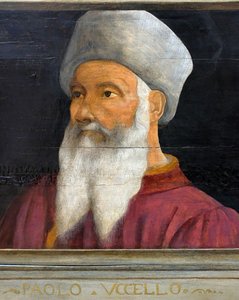
Paolo Uccello
1397 - 1475 , İtalya
Kısa Bilgiler
- Doğum Tarihi: 1397
- Doğum Yeri: Pratovecchio, İtalya
- Etkilediği Sanatçılar: ['Albrecht Dürer']
- Etkilenen Sanatçılar:
- Lorenzo Ghiberti
- Donatello
- Sanatsal Akım: Erken Rönesans
- Tam Adı: Paolo Uccello
- Uyruk: İtalyan
- Ölüm Tarihi: 1475
- Önemli Eserler:
- San Romano Savaşı
- Meryem'in Doğumu
- St George & Dragon
- Tufan ve Çera
İlgili Yazılar

OriginalUniqueArt.com F.A.Q.: Elevating Interiors with Bespoke Wall Murals & Masterpiece Frescoes
Discover the pinnacle of bespoke interior transformation with OriginalUniqueArt.com. Our master fresco artists create exquisite, hand-painted wall murals and ceiling masterpieces tailored to your estate. Elevate your architectural space with timeless, museum-quality artistry.


