Önizle
 Gönder
 Paylaş
 Detaylar
 Rehber

 Dosyayı İndir
 Benzerleri
 X-Işını
 Slayt Gösterisi
 İstatistikler
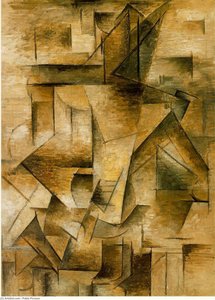
Leeks, fish head, skull and pitcher


 Devamını Oku
Bu sayfada sergilenen eser telif hakkı yasasıyla korunmaktadır; bu da yasal olarak eserin birebir kopyasını oluşturamayacağımız veya satamayacağımız anlamına gelir. Bu koruma, aşağıdakiler gibi uluslararası anlaşmalar kapsamında uygulanmaktadır: Bern Sözleşmesi ve aşağıdakiler de dahil olmak üzere ulusal yasalarca belirlenen ABD Telif Hakkı Kanunu - 17. Başlık.
Bu yöntem, koruma altındaki sanat eserinin kopyalanmasını veya çoğaltılmasını içermediği için telif hakkı düzenlemelerine tam uyum sağlar. Bunun yerine, yaratıcı bir yeniden yorumlamadır; orijinalinden etkilenen ancak onunla aynı olmayan yeni bir tablodur.
Giclée / Sanat Baskısı
Hızlı üretim ve esnek bitiş seçenekleriyle müze kalitesinde giclée veya kanvas baskı. ( El Yapımı Tablo Satın Al Dijital Görsel Satışına Geç)




P118B ₺10

P118H ₺10

P118W ₺10

P438Z ₺10

P508JH ₺12

P508YH ₺12

P805H ₺10

P805Z ₺10

P919BZ ₺10

P919G ₺10

P919XJ ₺10

P959ZH ₺10

P968JZ ₺12

W106C ₺8

W218G ₺10

W218JH ₺8

W218Y ₺10

W307PJ ₺10

W316G ₺10

W316PJ ₺8

W316Y ₺10

W398PJ ₺8

W4111J ₺10

W500HY ₺15

W500JH ₺15

W692G ₺12

W849H ₺8

W940BG ₺15

W953PJ ₺8




Eserin orijinal oranlarıyla uyumlu, önceden belirlenmiş boyutlarımız arasından seçim yapın.

Çerçevenize veya duvarınıza uygun olması için ihtiyacınız olan genişlik ve yüksekliği yazın. Bir baskı yalnızca kesilebilir, görselden daha büyük hale getirilemez; bu nedenle farklı bir formdaki boyut seçimi, görselin bir kısmının kaybına neden olur. Herhangi bir baskı yapmadan önce onaylamanız için size bir dijital taslak gönderiyoruz. Bu sayfada gösterilen resim gerçek kesimi göstermez — bunu yalnızca taslak gösterir.
Dünya Çapında Teslimat (); standart 4/5 hafta yerine 2 haftada. (26 Ekim)

Dünya Çapında Ücretsiz Ekspres Kargo

Yüksek Kaliteli Keten Tuval

Tam Nakliye Sigortası

Gümrük Vergisi İadesi Garantisi

Gerçek Renk Uyumu Garantisi

100 Günlük İade Koşulları (Sadece Üretim Hatalı Ürünler İçin)

%100 Para İade Garantisi

Toplu Alım Avantajı
 Cam seçeneği yalnızca 110 cm altındaki boyutlar için mevcuttur.

Leeks, fish head, skull and pitcher
Giclée / Sanat Baskısı
Baskı Boyutu
-


Toplam Fiyat
₺ 3913
A Haunting Still Life: Picasso’s ‘Leeks, Fish Head, Skull and Pitcher’ – A Chronicle of War and Mortality
Pablo Picasso's “Leeks, fish head, skull and pitcher,” painted in 1945 amidst the turmoil of World War II, is far more than a simple arrangement of objects. It’s a profoundly unsettling meditation on death, memory, and the enduring anxieties of a world grappling with unprecedented violence. This oil-on-canvas work, currently held in private collection, exemplifies Picasso's mature Cubist style while simultaneously tapping into deeply resonant themes that continue to resonate today. The painting immediately confronts the viewer with its stark palette – predominantly blacks, grays, and muted browns – punctuated by flashes of red and blue from a pitcher, creating an atmosphere of somber intensity.
The composition itself is deliberately fragmented and distorted, characteristic of Picasso’s exploration of multiple perspectives. The leeks, traditionally symbols of fertility and new life, are presented as skeletal remains, subtly referencing the ‘bones’ alluded to in their function as a substitute for crossed bones. The fish head, rendered with unsettling realism, evokes both vulnerability and decay – a poignant reminder of mortality. Crucially, the skull, positioned centrally, isn't merely a morbid detail; it acts as a focal point, demanding attention and forcing contemplation on the inevitability of death. The pitcher, boldly colored in red, white, and blue (the French flag), introduces an element of unsettling domesticity amidst the macabre scene. Its oversized scale and stylized form suggest a human figure, perhaps contemplating the skull, adding another layer of complexity to the arrangement.
Cubism’s Deconstruction: Form and Perspective
“Leeks, fish head, skull and pitcher” is firmly rooted in Picasso's development of Cubism. Rejecting traditional representational art, Cubism sought to depict objects as they are *seen*, rather than as they are remembered or imagined. This is achieved through the simultaneous presentation of multiple viewpoints – a technique known as ‘simultaneity.’ The painting’s angular forms, fractured planes, and overlapping perspectives challenge our perception of space and depth. Picasso doesn't offer a single, unified image; instead, he presents a series of intersecting geometric shapes that coalesce to create a complex and emotionally charged visual experience. The meticulous attention to line work further emphasizes the fragmented nature of the scene, guiding the viewer’s eye through the chaotic arrangement.
A Reflection of Troubled Times
Painted during the darkest years of World War II, when Picasso was living under German occupation in Paris, “Leeks, fish head, skull and pitcher” is inextricably linked to the anxieties and traumas of that era. The painting’s somber mood and preoccupation with death reflect the widespread sense of loss, fear, and uncertainty that permeated European society. It's important to note that Picasso was deeply affected by the bombing of Guernica in 1937, an event which profoundly shaped his artistic vision. This work can be viewed as a continuation of this exploration of war’s devastating impact, albeit expressed through a more intimate and psychologically charged still life.
Symbolism and Emotional Resonance
Beyond its formal qualities, “Leeks, fish head, skull and pitcher” is rich in symbolic meaning. The recurring motif of death – embodied by the skull – speaks to the universal human experience of mortality. The leeks, as a substitute for bones, subtly acknowledge the tradition of *memento mori* (remember you must die) paintings that have been prevalent in Western art since antiquity. The pitcher, with its bold colors and suggestive form, may represent a figure contemplating death or perhaps even a symbol of resilience – holding onto life amidst despair. Ultimately, Picasso’s painting is not simply a depiction of objects; it's an evocative exploration of the human condition, grappling with themes of loss, memory, and the fragility of existence.
A Timeless Masterpiece: Reproduction Possibilities
OriginalUniqueArt offers meticulously crafted hand-painted reproductions of “Leeks, fish head, skull and pitcher,” allowing art lovers to experience Picasso’s masterpiece in stunning detail. Our skilled artists faithfully recreate the painting's complex composition, nuanced color palette, and distinctive Cubist style, ensuring an authentic representation of this iconic work. Whether you seek a statement piece for your home or office, or are interested in incorporating elements of Picasso’s artistic vision into your interior design scheme, our reproductions provide a beautiful and meaningful way to connect with one of the 20th century's most influential artists.
Soru ve Cevaplar
"Leeks, fish head, skull and pitcher" hangi yılda ve hangi akıma ait olarak yapıldı?
"Leeks, fish head, skull and pitcher", 1945 yılında Cubist Still Life akımının bir eseri olarak yaratılmıştır. Tarih ve akım, sanat eserini sanat tarihinde konumlandırır.
"Leeks, fish head, skull and pitcher" baskısının kullanım alanı için ne önerilir?
"Leeks, fish head, skull and pitcher" baskısının önerilen kullanım alanı Statement şeklindedir.
"Leeks, fish head, skull and pitcher" eserinin renk paleti ne kadar doygun?
Pablo Picasso imzalı "Leeks, fish head, skull and pitcher" eserinin renkleri Subtle Color doygunluğa sahiptir. Doygunluk, renklerin ne kadar canlı veya mat olduğunu ifade eder.
Sanatçı Biyografisi
Pablo Picasso'ın Kalıcı Mirası
Sanatsal devrimle eş anlamlı hale gelen bir isim olan Pablo Ruiz y Picasso, 25 Ekim 1881 tarihinde İspanya'nın Malaga kentinde dünyaya geldi. Varlığı sanki en başından beri yaratıcı bir ifadeye adanmış gibiydi; efsaneye göre söylediği ilk kelimeler, "kalem" demeye çalışan “piz, piz” sesleriydi. Bu erken dönem eğilimi, genç Pablo'ya temel eğitim sağlayan ressam ve sanat öğretmeni babası José Ruiz y Blasco tarafından beslendi. Ancak öğrenci, kısa sürede eğitmenini geride bırakarak içindeki muazzam yeteneğin habercisi olan doğal bir betimleme becerisi sergiledi. Ailenin daha sonra A Coruña ve ardından Barselona'ya yaptığı taşınmalar, Picasso'nun kız kardeşinin kaybı gibi kişisel trajedilerle gölgelendi; bu deneyimler, sanatçının sonraki eserlerine melankoli ve ölümlülük temalarını ince bir şekilde işleyecekti. Barselona Güzel Sanatlar Akademisi'ndeki resmi eğitimleri ve Madrid'deki San Fernando Kraliyet Akademisi'ndeki kısa süreli dönemi sırasında bile Picasso, katı akademik sınırlamalara karşı direnerek Velázquez ve Goya gibi ustaların eserlerine kendini kaptırmayı ve sanatsal yeniliğe giden kendi yolunu çizmeyi tercih etti.
Melankolik Mavilerden Gül Tonlu Renklere
20. yüzyılın ilk yılları, Picasso'nun külliyatında iki belirgin dönemin doğuşuna tanıklık etti: Mavi Dönem (yaklaşık 1901-1904) ve Pembe Dönem (1904-1906). Kişisel zorluklardan ve toplumsal acılara dair keskin bir farkındalıktan doğan Mavi Dönem, koyu mavi ve mavi-yeşil tonlara bürünmüş tablolarla karakterize edilir. Bu eserler; dilenciler, körler ve fahişeler gibi toplumun dışladığı figürlerle doludur ve bu figürler, izolasyon ve çaresizlik temalarına hitap eden büyüleyici bir empatiyle resmedilmiştir. La Vie (190ysa) ve <The Old Guitarist> (1903-1904), bu duygusal yoğunluğu yüksek evrenin dokunaklı örnekleri olarak durmaktadır. Picasso'nun kişisel hayatındaki bir değişim ve Paris'e taşınması, Pembe Dönem'in gelişini müjdeledi. Palet önemli ölçüde ısındı; pembe, turuncu ve kırmızı tonları daha iyimser bir bakış açısını yansıttı. Bu dönem, sirk sanatçılarına —palyaçolar, akrobatlar ve gösteri grupları— duyulan bir hayranlığa sahne oldu; bu figürler hem kırılganlığı hem de direnci bünyesinde barındırıyordu. Family of Saltimbanques (1905), ileride gelecek olan üslup arayışlarının ipuçlarını vererek bu geçişi harika bir şekilde özetler.
Perspektifin Parçalanışı: Kübizm ve Ötesi
1907 yılı, Les Demoiselles d'Avignon'un yaratılmasıyla sanat tarihinde dönüm noktası olan bir anı işaret etti. İber heykel sanatı ve Afrika maskelerinden etkilenen bu çığır açıcı tablo, geleneksel perspektif ve temsil anlayışını yerle bir etti. Bu, Kübizm'in yolunu açan, yüzyıllık kuralların bilinçli bir reddi ve radikal bir kopuştu. Georges Braque ile yakın iş birliği içinde çalışan Picasso, bu devrimci akımın kurucularından biri olarak sanatçıların gerçekliği algılama ve betimleme biçimini kökten değiştirdi. Analitik Kübizm (1909-1912), nesnelerin sanki formun kendisi parçalanıyormuş gibi mat renklerle geometrik şekillere bölünmesini içeriyordu. Bu süreç, kolaj öğelerini —gazete kupürleri, kumaş parçaları— dahil ederek doku ve yeni görsel karmaşıklık katmanları ekleyen Sentetik Kübizm'e (1912-1919) evrildi. Picasso dünyayı sadece temsil etmekle yetinmedi; onu kendi şartlarıyla dekonstrükte etmeye ve yeniden inşa etmeye çalıştı.
Huzursuz Bir Deneyci: Neoklasisizm, Sürrealizm ve Savaş
1920'ler, Picasso'nun klasik formları yankılatan ancak belirgin bir modern duyarlılığı koruyan anıtsal figürler yarattığı Neoklasik stilleri kısa süreliğine keşfettiği yıllardı. Aynı zamanda, prensipleriyle hiçbir zaman tam olarak bütünleşmese de, gelişmekte olan Sürrealist akımla da etkileşim halindeydi. Bu dönemdeki çalışmaları, önceki üslup etkilerini sürreal imgeler ve çarpıtılmış perspektiflerle harmanlayarak onun amansız deneyimselliğini kanıtlıyordu. İspanya İç Savaşı'nın dehşeti Picasso'yu derinden etkiledi ve bu durum, Guernica bombalanmasına verilen içsel ve duygusal olarak yıkıcı bir yanıt olan Guernica'nın (1937) doğuşuyla doruğa ulaştı. Bu anıtsal eser, savaşın vahşetinin kalıcı bir sembolü haline gelerek Picasso'nun sadece bir sanatçı değil, aynı zamanda barış ve sosyal adalet için güçlü bir ses olarak rolünü pekiştirdi. 1950'ler ve 60'lar boyunca sınırları zorlamaya devam etti; seramik, heykel ve baskı sanatını sarsılmaz bir merak ve beceriyle keşfetti. 1961 yılında Jacqueline Roque ile evlenmesi, kişisel hayatına ve sanatsal ifadesine yeni bir boyut kazandırdı.
Ölçülemez Bir Etki
Pablo Picasso, 8 Nisan 1973'te Fransa'nın Mougins kentinde hayata gözlerini yumdu; geride büyülemeye ve ilham vermeye devam eden, 50.000 parçadan fazla olduğu tahmin edilen inanılmaz bir eser külliyatı bıraktı. Sanatsal gelişimi; Velázquez ve Goya gibi İspanyol ustalarından İber heykel sanatına, Afrika sanatından Henri Matisse'in canlı renk paletlerine kadar çok çeşitli etkilerle şekillendi. Onun 20. yüzyıl sanatı üzerindeki etkisi ölçülemez boyuttadır. Kübizm'in kurucularındandı, kolaj ve inşa edilmiş heykel sanatının öncüsüydü ve sanatın geleneklerine sürekli meydan okudu. Picasso'nun amansız deneyleri modern sanatı yeniden tanımlayarak sanatçı nesilleri üzerinde silinmez bir iz bıraktı ve tarihin en önemli ve etkili figürlerinden biri olarak konumunu sağlamlaştırdı. Mirası tuvalin ötesine uzanmakta, çağdaş kültürün sayısız yönünde yankılanmakta ve bize sanatsal vizyonun dönüştürücü gücünü hatırlatmaktadır.

Pablo Picasso
1881 - 1973 , İspanya
Kısa Bilgiler
- Artistic Movement Or Style: Kübizm, Sürrealizm
- Artists Or Movements Influenced By This Artist:
- Kübizm
- Modern sanat
- Artists Who Influenced This Artist:
- Velázquez
- Goya
- Matisse
- Date Of Birth: 25 Ekim 1881
- Date Of Death: 8 Nisan 1973
- Full Name: Pablo Diego José Ruiz Picasso
- Nationality: İspanyol
- Notable Artworks:
- Les Demoiselles d'Avignon
- Guernica
- Eski Gitarist
- La Vie
- Saltimbankes Ailesi
- Place Of Birth: Málaga, İspanya
İlgili Yazılar
Cubist Expression: 10 Masterpieces That Revolutionized Modern Art | OriginalUniqueArt
Explore 10 Cubist masterpieces by Picasso, Braque & more! Discover the stories behind these revolutionary paintings and their impact on modern art. Find museum-quality reproductions for your home at OriginalUniqueArt.com – where art comes to life.
Cubism Unveiled: How Picasso and Braque Redefined Reality Through Geometric Abstraction
Explore the revolutionary world of Cubism. Discover how masters Pablo Picasso and Georges Braque dismantled reality through geometric abstraction to redefine modern art history.
Cubism's Revolution: 10 Masterpieces That Redefined Modern Art | OriginalUniqueArt
Explore 10 Cubist masterpieces by Picasso, Braque & more! Delve into the history of this revolutionary art movement. Find museum-quality reproductions and elevate your home decor with OriginalUniqueArt. Discover all masterpieces on OriginalUniqueArt.com
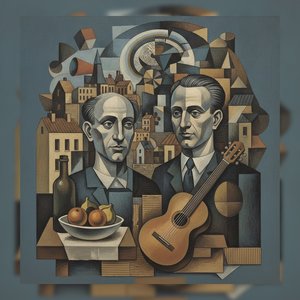
Cubism Explained: How Picasso and Braque Shattered Reality to Redefine Modern Art
Master the complexities of Cubism with our expert guide. Explore how Picasso and Braque revolutionized modern art through fragmentation, multiple perspectives, and geometric innovation. Perfect for art students and collectors seeking deep historical insight.

Cubism Unveiled: How Picasso and Braque Redefined Modern Art through Geometric Revolution
Explore the revolutionary world of Cubism. Discover how Pablo Picasso and Georges Braque dismantled perspective to redefine modern art through geometric innovation and analytical mastery. An essential guide for art students, collectors, and history enthusiasts.