

 Önizle
 Gönder
 Paylaş
 Detaylar
 Rehber

 Dosyayı İndir
 Benzerleri
 X-Işını
 Slayt Gösterisi
 İstatistikler
Πολυκράτης


 Devamını Oku
Web önizlemesinin çok ötesinde, baskıya hazır bir dosya edinin. Sattığımız her dijital görüntü, stok veri tabanımızdaki yüksek çözünürlüklü bir ana dosyadan —genellikle 5.000 ila 15.000 piksel genişliğinde— gelir; böylece büyük boyutlarda baskı alabilir, dar kırpmalar yapabilir veya ince detayları güvenle yeniden üretebilirsiniz.
Stüdyomuzdan çıkan hiçbir dosya dokunulmadan çıkmaz. Bir dijital uzman, renkleri orijinal tabloyla karşılaştırarak kontrol eder ve gerekirse düzeltir; ardından profesyonel rötuş araçlarıyla netliği ve detayları artırır — bunu yaparken her zaman sanatçının fırça darbelerine ve üslubuna sadık kalır. Sonuç, filtrelenmiş bir tarama gibi değil, bizzat tablonun kendisi gibi görünen bir görüntüdür.
İşlem tamamlanmadan önce onay verirsiniz: Uzmanımız, incelemeniz için görseli 72 saat içinde e-posta yoluyla gönderir. Memnun kalmadınız mı? İyileştirme veya düzeltme talep edebilir ya da kalite beklentinizin altında kalırsa iade isteyebilirsiniz.
Yayıncıların, tasarım stüdyolarının, galerilerin ve matbaaların güvendiği kalite budur.
Dijital Görsel
Kişisel kullanım, baskı ve yaratıcı projeleriniz için yüksek çözünürlüklü bir dosya indirin. ( Baskı Satışına Geç El Yapımı Tablo Satın Al)
Her Dijital Görüntü Siparişine Dahil Olanlar
Profesyonel Dijital Teslimat Garantisi
OriginalUniqueArt.com seçtiğinizde, sadece bir görsel edinmekle kalmaz; titizlikle hazırlanmış, profesyonelce iyileştirilmiş dijital bir sanat eserine sahip olur ve memnuniyet garantisiyle güvence altına alınırsınız. Siparişinizle birlikte otomatik olarak sunulan her şey şunlardır:

Hızlı E-posta ile Teslimat
Yüksek çözünürlüklü dijital görüntü dosyanız, siparişinizin ardından en geç 72 saat içinde e-posta ile size gönderilecek ve hemen kullanıma hazır olacaktır.

Yapay Zeka Destekli Dijital Dosya
Sanat eseriniz; maksimum detay, netlik ve renk doğruluğu sağlamak amacıyla gelişmiş yapay zeka araçları ve manuel düzenleme kullanılarak profesyonelce optimize edilmektedir.

Ömür Boyu Ücretsiz Yeniden Gönderim
Dosyanızı yanlışlıkla mı sildiniz yoksa kayıp mı oldu? Endişelenmeyin; dosyanızı dilediğiniz zaman size ücretsiz olarak tekrar göndereceğiz.

Asla İthalat Ücreti Ödemeyin
Sanat eserinizin tadını gümrük vergisi, harç veya teslimat ücreti ödemeden anında çıkarın; dijital indirmeler her zaman vergiden muaftır.

Renk Doğruluğu Garantisi
Profesyonel araçlar ve renk yönetimi kullanarak dijital görselinizin orijinal renklere mümkün olduğunca yakın yansıtılmasını sağlıyoruz.

100 Günlük Memnuniyet Garantisi
If you're not satisfied with your digital image, we'll revise it or refund 100% within 100 days - no questions asked.

100% Para İadesi Garantisi
Memnun kalmadınız mı? Dijital dosyanızı teslim aldıktan sonraki 100 gün içinde, hiçbir soru sorulmaksızın tam para iadesi alabilirsiniz.

Toplu Sipariş İndirimleri
Buy 3 images, save 10% - Buy 5, save 15% - Buy 10+, save 20%. Great for creative projects, galleries, and agencies.
Polycrates: A Titan’s Struggle Embodied in Marble
The sculpture of Polycrates by Mikhail Kozlovsky, created in 1790, stands as a testament to the Romantic spirit of its time—a period obsessed with heroic narratives and dramatic emotion. More than just a depiction of a figure, it's an exploration of human resilience against overwhelming odds, captured within the austere beauty of neoclassical form. The artwork resides prominently at the State Russian Museum in St. Petersburg, attracting visitors eager to contemplate its profound symbolism and masterful execution.- Subject Matter: Kozlovsky’s Polycrates portrays a nude male figure caught in a moment of agonizing exertion—a man wrestling with an unseen adversary, his body twisted downwards as if battling gravity itself. This posture immediately evokes themes of struggle, defiance, and the inevitable confrontation with mortality – concepts central to Romantic thought.
- Style: The sculpture firmly adheres to Neoclassical principles, prioritizing idealized human anatomy and restrained emotional expression. Kozlovsky skillfully avoids excessive ornamentation, focusing instead on conveying the essence of the subject’s physicality and psychological turmoil through precise modeling and subtle shading.
- Technique: Crafted from gypsum—a material chosen for its ability to capture intricate detail—the statue exemplifies Kozlovsky's meticulous approach to sculpting. The sculptor utilized a technique known as *lost wax casting*, ensuring exceptional accuracy and preserving the sculpture’s surface texture with remarkable fidelity. This method allowed for the creation of incredibly lifelike representations, mirroring the artistic ideals of the era.
- Historical Context: Kozlovsky's work emerged during the Enlightenment, reflecting a fascination with classical antiquity as a source of moral inspiration. The sculptor drew upon narratives from Greek mythology—specifically the tale of Polycrates’ defiance against Xerxes I—to convey a powerful message about courage and perseverance in the face of adversity.
- Symbolism: The upward reach of Polycrates' arm symbolizes aspiration, ambition, and an unwavering determination to overcome obstacles. Simultaneously, his downward slump represents defeat, vulnerability, and the inescapable reality of human limitations. This duality underscores Kozlovsky’s artistic intention—to portray not merely a heroic figure but also the complexities inherent in the human condition.
Material & Technique Details
Gypsum was chosen as the sculpting material due to its exceptional ability to retain intricate detail—a crucial factor in achieving Kozlovsky’s ambitious vision. The sculptor employed *lost wax casting*, a technique that guarantees unparalleled precision and ensures that the sculpture's surface texture faithfully replicates the original form. This meticulous process involved creating a wax model, encasing it in clay, melting away the wax to reveal a hollow mold, pouring molten gypsum into the mold, allowing it to solidify, and finally removing the hardened gypsum shell to liberate Polycrates—a testament to Kozlovsky’s technical prowess.Further Exploration
To delve deeper into Mikhail Kozlovsky's artistic legacy, consider researching his other sculptures—particularly *Samson Rending the Lion*, which showcases similar stylistic elements and thematic concerns. Examining comparative artworks from the Neoclassical period will illuminate the broader context of Kozlovsky’s creative endeavors and enrich your understanding of Romantic art’s enduring influence.Soru ve Cevaplar
"Πολυκράτης" eserinin arkasındaki sanatçı kim?
"Πολυκράτης", Mihail İvanoviç Kozlovski tarafından yaratılmıştır. Bu sayfadaki bilgiler Mihail İvanoviç Kozlovski imzalı orijinal esere aittir.
Mihail İvanoviç Kozlovski imzalı "Πολυκράτης" hangi duyguyu uyandırıyor?
"Πολυκράτης" eserinde, Dramatik bir ruh hali Dramatik bir duyguya eşlik ediyor.
"Πολυκράτης" eserindeki renkler ne kadar ışık yansıtıyor gibi görünüyor?
Mihail İvanoviç Kozlovski imzalı "Πολυκράτης" için kaydedilen parlaklık değeri Koyu'dir.
Sanatçı Biyografisi
The Sculptor of Enlightenment Ideals
Mikhail Ivanovich Kozlovsky stands as a preeminent figure in the landscape of Russian Neoclassical sculpture, a master whose hands shaped the very essence of the Age of Enlightenment. Born in Saint Petersburg, Russia, his artistic journey began within the prestigious halls of the Imperial Academy of Arts. Under the tutelage of Anton Losenko, Kozlovsky embarked on a path that would eventually lead him far beyond the borders of his homeland, seeking inspiration in the great art capitals of Europe. His travels to Rome and Paris were not merely educational excursions but transformative odysseys that allowed him to absorb the burgeoning Neoclassical spirit sweeping through the continent.
The evolution of Kozlovsky’s style is a fascinating study in artistic maturation. His earliest endeavors retained a lingering connection to the dramatic, emotive sensibilities of the Baroque period. However, as he matured, his work underwent a profound metamorphosis, shedding ornamental excess in favor of Neoclassical monumentality and clarity. This transition saw him embracing the ideals of reason, order, and anatomical precision, mirroring the intellectual shifts of his era. By the time he returned to Paris in 1788 to supervise Russian students abroad, he had emerged as a sculptor capable of translating complex mythological narratives into enduring, dignified forms.
Mastery of Form and Mythological Narrative
Kozlovsky’s oeuvre is characterized by an extraordinary ability to breathe life into bronze and marble, capturing both the physical prowess of heroes and the ethereal grace of the divine. His works often serve as profound emblems of classical mythology, utilized to convey contemporary values of strength and wisdom. In pieces such as Hercules on Horseback, one observes a masterclass in realism; the meticulous rendering of equine and human musculature creates a sense of dynamic vitality that draws the viewer into the heart of the legend. His use of composition, often employing powerful diagonal thrusts, directs the eye through scenes of intense action and heroic struggle.
Beyond the depiction of raw power, Kozlovsky possessed a delicate touch for allegorical subjects. His sculpture Minerva and the Genius of the Arts, commissioned during the reign of Catherine II, exemplifies his ability to embody Enlightenment thought. Through the figures of the Roman goddess of wisdom and her artistic companion, he sculpted more than just myth; he captured the very aspiration of human intellect toward higher truth and order. His technical repertoire was equally diverse, ranging from the dramatic, gilded bronze of Samson Rending the Lion's Jaws—a centerpiece for the Grand Cascade at Peterhof Palace—to the expressive, martial character of the Suvorov Monument.
Legacy and Artistic Significance
The historical significance of Mikhail Kozlovsky lies in his role as a bridge between eras and a foundational pillar of Russian sculptural tradition. As a professor at the Academy of Arts, he played a crucial role in shaping the next generation of sculptors, ensuring that the principles of Neoclassicism would flourish in Saint Petersburg long after his passing. His contributions to the decorative splendor of imperial sites like Pavlovsk and Peterhof helped define the visual identity of the Russian Empire during a period of immense cultural growth.
His life's work remains a testament to the power of classical influence when wedded to technical mastery. Through his ability to adapt his manner from Baroque sensibility to Neoclassical grandeur, Kozlovsky achieved a level of permanence that transcends time. His sculptures continue to be celebrated for their:
- Anatomical Precision: A remarkable skill in rendering the complexities of human and animal forms with photographic realism.
- Symbolic Depth: The use of mythological figures to represent the enduring ideals of heroism, wisdom, and national triumph.
- Technical Versatility: An expert command over diverse media, including bronze casting and marble carving.
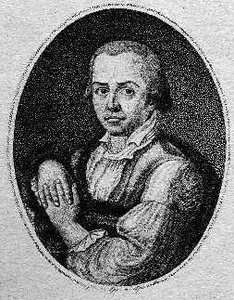
Mihail İvanoviç Kozlovski
1753 - 1802 , Rusya