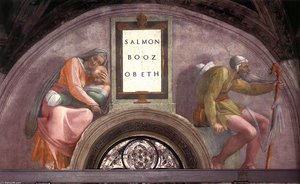
Önizle
 Gönder
 Paylaş
 Detaylar
 Rehber

 Dosyayı İndir
 Benzerleri
 X-Işını
 Slayt Gösterisi
 İstatistikler
Ignudo (13)


 Devamını Oku
Giclée / Sanat Baskısı
Hızlı üretim ve esnek bitiş seçenekleriyle müze kalitesinde giclée veya kanvas baskı. ( El Yapımı Tablo Satın Al Dijital Görsel Satışına Geç)




P118B ₺10

P118H ₺10

P118W ₺10

P438Z ₺10

P508JH ₺12

P508YH ₺12

P805H ₺10

P805Z ₺10

P919BZ ₺10

P919G ₺10

P919XJ ₺10

P959ZH ₺10

P968JZ ₺12

W106C ₺8

W218G ₺10

W218JH ₺8

W218Y ₺10

W307PJ ₺10

W316G ₺10

W316PJ ₺8

W316Y ₺10

W398PJ ₺8

W4111J ₺10

W500HY ₺15

W500JH ₺15

W692G ₺12

W849H ₺8

W940BG ₺15

W953PJ ₺8




Eserin orijinal oranlarıyla uyumlu, önceden belirlenmiş boyutlarımız arasından seçim yapın.

Çerçevenize veya duvarınıza uygun olması için ihtiyacınız olan genişlik ve yüksekliği yazın. Bir baskı yalnızca kesilebilir, görselden daha büyük hale getirilemez; bu nedenle farklı bir formdaki boyut seçimi, görselin bir kısmının kaybına neden olur. Herhangi bir baskı yapmadan önce onaylamanız için size bir dijital taslak gönderiyoruz. Bu sayfada gösterilen resim gerçek kesimi göstermez — bunu yalnızca taslak gösterir.
Dünya Çapında Teslimat (); standart 4/5 hafta yerine 2 haftada. (22 Ekim)

Dünya Çapında Ücretsiz Ekspres Kargo

Yüksek Kaliteli Keten Tuval

Tam Nakliye Sigortası

Gümrük Vergisi İadesi Garantisi

Gerçek Renk Uyumu Garantisi

100 Günlük İade Koşulları (Sadece Üretim Hatalı Ürünler İçin)

%100 Para İade Garantisi

Toplu Alım Avantajı
 Cam seçeneği yalnızca 110 cm altındaki boyutlar için mevcuttur.

Ignudo (13)
Giclée / Sanat Baskısı
Baskı Boyutu
-


Toplam Fiyat
₺ 3909
The Enigmatic Embrace: Michelangelo’s *Ignudo* – A Window into the Soul
Within the breathtaking grandeur of the Sistine Chapel, nestled amidst scenes of biblical drama and divine intervention, resides a seemingly simple fresco—a nude male figure known as *Ignudo* (Latin for “ignorant” or “unlearned”). Painted by Michelangelo Buonarroti in 1509, this small yet profoundly moving work transcends its modest scale to offer a glimpse into the artist’s genius, his understanding of human anatomy, and perhaps, a reflection on the very nature of man. More than just a decorative element within the larger narrative of the Chapel, *Ignudo* stands as an intimate meditation on vulnerability, repose, and the quiet dignity of the human form.
The fresco’s context is crucial to understanding its power. The Sistine Chapel, commissioned by Pope Sixtus IV, was intended as a visual testament to Catholic doctrine, depicting scenes from Genesis and the Old Testament. Michelangelo, already renowned for his sculptures like *David* and *Pietà*, was tasked with adorning the chapel’s ceiling – a monumental undertaking that consumed him for years. Amidst this colossal project, *Ignudo* emerges as a delicate counterpoint to the grander narratives, a moment of serene contemplation within a whirlwind of artistic activity. The figure is positioned in the lower left corner of the “Sacrifice of Noah” panel, a scene depicting the aftermath of the great flood. Its placement suggests a pause, a quiet observation amidst the chaos and renewal depicted above.
A Study in Form and Gesture
Michelangelo’s mastery of anatomy is immediately apparent in *Ignudo*. The figure's body is rendered with an astonishing level of detail—every muscle, vein, and contour meticulously observed and flawlessly translated onto the frescoed surface. Yet, this isn’t a cold, clinical depiction; rather, it’s imbued with a palpable sense of life. The relaxed posture, with arms raised to shield the face, conveys a feeling of vulnerability and introspection. The slight twist of the torso, executed through masterful *contrapposto* (a technique where weight is shifted to one leg), creates a dynamic balance within the figure's stillness. Notice how the subtle curve of his spine echoes the gentle arc of his arms—a visual harmony that speaks volumes about Michelangelo’s understanding of proportion and movement.
The artist’s use of *sfumato* – a technique employing hazy, blurred outlines to soften transitions between light and shadow – further enhances the figure's ethereal quality. The background is subtly rendered with two small birds—one near the top left corner and another towards the bottom right—and a vase on the far left, adding depth and visual interest without distracting from the central subject. These elements contribute to the overall impression of tranquility and seclusion.
Symbolism and Interpretation
The identity of the figure remains deliberately ambiguous, contributing to *Ignudo’s* enduring appeal. Some scholars suggest he represents a young Adam, shielding himself from the knowledge of sin—a poignant premonition of humanity's fall. Others interpret him as a symbol of innocence or vulnerability, a reminder of our shared human condition. The act of covering his face could be seen as a gesture of protection, a desire to escape the harsh realities of the world. Regardless of its precise meaning, *Ignudo* invites viewers to contemplate themes of mortality, faith, and the search for inner peace.
Michelangelo’s decision to include this seemingly simple figure within such a monumental work is itself significant. It demonstrates his ability to create moments of profound emotional resonance even amidst grander narratives. *Ignudo* serves as a reminder that art can be both visually stunning and deeply contemplative, offering a space for individual reflection and connection with the timeless themes explored throughout human history.
Bringing *Ignudo* Home: A OriginalUniqueArt Reproduction
OriginalUniqueArt is proud to offer meticulously crafted oil painting reproductions of Michelangelo’s *Ignudo*. Our skilled artisans painstakingly recreate every detail of the original fresco, using only the finest pigments and archival-quality materials. Whether you're an art enthusiast, a collector seeking a piece of Renaissance history, or simply drawn to the beauty and serenity of this iconic image, our reproduction provides a stunning way to experience Michelangelo’s genius in your own home. Explore our collection today and discover the perfect *Ignudo* reproduction to complement your space and inspire contemplation.
Discovering the Art of the Sistine Chapel | Sistine Chapel ceiling | Michelangelo
Soru ve Cevaplar
"Ignudo (13)" adlı eser, Michelangelo'in külliyatında nerede konumlanıyor?
"Ignudo (13)", temaları arasında classical antiquity, humanism, renaissance ideals, sistine chapel ceiling, high renaissance mastery, exploration of the human form, catholic doctrine, papal authority yer alan Michelangelo'in High Renaissance dönemine ait bir eserdir."
Michelangelo imzalı "Ignudo (13)" eserinin renkleri, barındırdığı duyguyla nasıl bir ilişki içinde?
Michelangelo imzalı "Ignudo (13)", Earthy bir paleti Reflective bir tonla birleştiriyor.
Michelangelo imzalı "Ignudo (13)" eserinin el boyaması kopyalarını kim satıyor?
Michelangelo imzalı "Ignudo (13)" eserinin el boyaması reprodüksiyonunu, sipariş üzerine hazırlanan keten kanvas üzerine el boyaması yağlı boya reprodüksiyon seçeneğiyle doğrudan El Boyası Reproduksiyon sayfasından sipariş edebilirsiniz.
Sanatçı Biyografisi
Rönesans'ın Taş ve Boyayla Yontulmuş İncisi: Michelangelo Buonarroti
Michelangelo Buonarroti, adı yüzyıllar boyunca insanlık sanat potansiyelinin bir kanıtı olarak yankılanan, Rönesans’ın zirvesiyle özdeşleşmiş bir isimdir. 6 Mart 1475'te İtalya'nın Toskana tepelerinde yer alan Caprese Michelangelo'da doğmuş olan hayatı, yetenek, hırs ve ilahi ilhamın olağanüstü bir birleşimini temsil eder. Babası başlangıçta sanatsal bir yola karşı dirense de, genç Michelangelo’nun içgüdüsel çizim yeteneği inkar edilemezdi; bu durum onu heykelcilik, ressamlık ve mimarlığın sınırlarını yeniden tanımlamaya doğru yöneltti. Domenico Ghirlandaio altında aldığı ilk çıraklık, fresk ve çizim becerileri için temel oluşturdu, ancak sanatsal ruhunun gerçekte antik çağın bir sığınağı olan Medici bahçelerinde uyandığı oldu. Yunan ve Roma heykellerinin incelenmesine derinlemesine dalan Michelangelo, tarzının alametifarikası haline gelecek anatomi, oran ve idealize edilmiş güzellik ilkelerini özümsedi. Bu şekillenici dönem yalnızca teknik bir eğitim değil; Rönesans’ın çiçek açtığı hümanist ideallere felsefi bir daldırmıştı—insan onuruna ve potansiyeline vurgu yapan ve Michelangelo'nun sanatsal vizyonunu derinden etkileyen bir şey.Acının Pietà'sından Gücün Davud'una
Michelangelo’nun sanat dünyasındaki yükselişi şaşırtıcı derecede hızlıydı. 1496'da Roma'ya yaptığı yolculukta, ilk büyük komisyonunu aldı: *Pietà* heykelini oymak. Kardinal Jean de Bilhères için 1499’da tamamlanan bu nefes kesen mermer başyapıtı, Michelangelo'yu eşsiz beceri ve duygusal derinliğe sahip bir heykeltıraş olarak hemen yerleştirdi. Meryem'in yüzünde Hristos'un bedeniyle tasvir edilen acınası güzellik ve iç parçalanma devrim niteliğindeydi; soğuk taşa derin insan hissi aşılayabilme yeteneğini gösteriyordu. Bu erken başarı, bir sonraki anıtlı girişimi olan *Davud* için zemin hazırladı. Tek bir Carrara mermer bloğundan 1501 ile 1504 arasında oyulan, on yedi fitin üzerinde yüksekliğe sahip bu heykel, Floransa cumhuriyetçi ideallerinin sembolü haline geldi—güç, cesaret ve sivil erdemlerin meydan okuyan bir tezahürü. *Davud*'un anatomi doğruluğu, dinamik duruşu ve psikolojik yoğunluğu emsalsizdi; Michelangelo'yu taşa hayat verebilen bir usta heykeltıraş olarak pekiştirdi. Etkileyici olan yalnızca ölçek değildi; mermerde dondurulmuş harekete dair somut enerji hissi, o zamanlar ve bugün de izleyicileri büyülemeye devam ediyor.Sistine Şapeli: İlahi Bir Tuval
Michelangelo'nun en kalıcı mirası belki de Sistine Şapeli duvarları içindedir. 1508’de Papa II. Julius, şapelin tavanını resmetmesini istedi—hayatının dört yılını tüketecek ve Batı sanatının seyrini sonsuza dek değiştirecek bir görev. Başlangıçta kendisini öncelikle heykeltıraş olarak gören Michelangelo, isteksizliğine rağmen bu meydan okumayı kabul etti ve Yaratılış'tan sahneler tasvir eden anıtlı bir fresko döngüsüne başladı. Zorlu koşullarda çalışarak, çoğu zaman saatlerce sırt üstü yatarak 300’den fazla figürü nefes kesen ayrıntı ve kompozisyonel parlaklıkla resmetti. *Adem'in Yaratılışı*, şapelin tavanındaki en ikonik görüntü olarak kabul edilir; Tanrı ile insanlık arasında geçen ilahi kıvılcımı yakalar—yaratılışın ve potansiyelin güçlü bir sembolü. Bu ünlü panelin ötesinde, tüm döngü Michelangelo'nun anlatı gücünün, anatomi ustalığının ve karmaşık teolojik kavramları görsel hikaye anlatımı yoluyla iletme yeteneğinin bir kanıtıdır. Aynı zamanda Papa II. Julius’un mezarının üzerinde de çalışmaya başladı—başlangıçta planlanan ihtişamında tamamlanmamış kalacak ancak *Musa* gibi güçlü heykeller ortaya çıkaracak iddialı bir proje.Mimarlık, Manecilik ve Kalıcı Bir Etki
Hayatının son yıllarında Michelangelo'nun yetenekleri mimarlığa da uzandı. 1520’de Roma'daki Aziz Petrus Bazilikası'nın mimarı oldu; Bramante'nin orijinal tasarımını daha etkileyici ve yapısal olarak sağlam bir planla önemli ölçüde değiştirdi. Bu geçiş, uzun formlar, abartılı duruşlar ve dramatik kompozisyonlarla karakterize edilen bir stil olan Maneciliğe doğru kayışı işaret etti. Bu stilistik evrim, 1536 ile 1541 yılları arasında Sistine Şapeli'nin duvarında *Son Yargı* freskinde canlı olarak görülmektedir. Fresk, İsa'nın ikinci gelişiyle ilgili bir huzursuzluk ve duygusal yoğunluk hissiyle karakterize edilen İkinci Geliş'i tasvir ediyor; daha çalkantılı bir ruhani iklimi yansıtıyor. Michelangelo’nun etkisi kendi ömrünün çok ötesine geçti. Hem Yüksek Rönesans hem de Manecilik sanat hareketlerini derinden etkiledi ve anatomi doğruluğu, dinamik kompozisyonları ve insan durumunun derinlemesine keşfiyle nesiller boyunca sanatçılara ilham verdi.Zamanda Kazınmış Bir Miras
Michelangelo 18 Şubat 1564'te Roma'da öldü; eserleri dünyanın dört bir yanındaki müzelerde ve kiliselerde izleyicileri büyülemeye ve ilham vermeye devam eden eşsiz bir sanat eseri bıraktı. Sanat tarihinde—arquetipik bir "Rönesans adamı"—heykelcilik, resim ve mimari tasarımlarıyla güzellik, güç ve insan potansiyeli anlayışımızı şekillendiren yükselen bir figür olarak hatırlanacaktır. Mirası yalnızca sanatsal bir başarı değil; aynı zamanda yaratıcılığın, özveri ve mükemmelliğin amansız peşinden koşmanın kalıcı gücünün bir kanıtıdır. Sanatın basit temsilden ötesine geçerek derin ruhsal ve duygusal ifade aracı olabileceğini gösterdi. Onun dehasının yankıları dünyadaki müzelerde ve kiliselerde yankılanmaya devam ediyor; Michelangelo Buonarroti'nin tarihin en büyük sanatçılarından biri olarak sonsuza dek hatırlanmasını sağlıyor.- Etkiler: Klasik Antikite (Yunan & Roma heykelleri), Rönesans Hümanizmi, Floransa sanatsal geleneği (Donatello, Masaccio).
- Başlıca Eserler: *Pietà*, *Davud*, Sistine Şapeli tavan freskleri (*Adem'in Yaratılışı*), *Son Yargı*, II. Julius’un Mezar Anıtı.
- Sanatsal Stil: Başlangıçta Klasik İdealizm, dinamik ve ifadeci Maneciliğe doğru bir evrim.

Michelangelo
1475 - 1564 , İtalya
Kısa Bilgiler
- Artistic Movement Or Style: Yüksek Rönesans, Maniyerizm
- Artists Or Movements Influenced By This Artist:
- Yüksek Rönesans
- Maniyerizm
- Artists Who Influenced This Artist:
- Donatello
- Masaccio
- Date Of Birth: 6 Mart 1475
- Date Of Death: 18 Şubat 1564
- Full Name: Michelangelo Buonarroti
- Nationality: İtalyan
- Notable Artworks:
- Pietà
- Davut
- Sistine Çapeli freskleri
- Place Of Birth: Caprese Michelangelo, İtalya
İlgili Yazılar

Duvar Sanatıyla Aile Mirasını Yüzyıllara Taşımak: Fresk Boyama Geleneği ve Kalıcı Eserler
Fresk sanatı uzmanları tarafından hazırlanan bu rehberde, duvar resminin kökenlerinden restorasyonuna kadar her şeyi keşfedin. Aile mirasını kalıcı eserlere dönüştürmek için ipuçları ve profesyonel sanat danışmanlığı.

Mastering the Heavens: A Definitive Guide to the Sistine Chapel's Renaissance Masterpieces
Embark on a sophisticated journey through the Sistine Chapel. Discover the profound artistry of Michelangelo’s frescoes, from the iconic ceiling to the altar wall, through an expert exploration of Renaissance mastery and theological depth.

The Enduring Legacy of Fresco: Technique, History & Artistic Expression Across Cultures
Explore the rich history & enduring legacy of fresco painting! Discover ancient techniques, Giotto's masterpieces, and modern applications. Expert insights for art lovers & professionals.
Michelangelo'nun En İyi 25 Eseri: Rönesans Sanatının İkonları Evlerinize Geliyor
Michelangelo'nun en iyi 25 eserini keşfedin! Rönesans sanatının zirvesinden ikonik heykeller, freskler ve tablolarla evinizi zenginleştirin. Sanat tarihine yolculuk yapın ve OriginalUniqueArt.com'da benzersiz dekorasyon fikirleri bulun.
The Enduring Legacy of Fresco Painting: Techniques, History & Contemporary Relevance
Explore the rich history & enduring artistry of fresco painting – from Giotto to Michelangelo! Discover techniques, conservation efforts, & modern applications. Learn how OriginalUniqueArt brings this timeless art form to your home.