
 Önizle
 Gönder
 Paylaş
 Detaylar
 Rehber

 Dosyayı İndir
 Benzerleri
 X-Işını
 Slayt Gösterisi
 İstatistikler
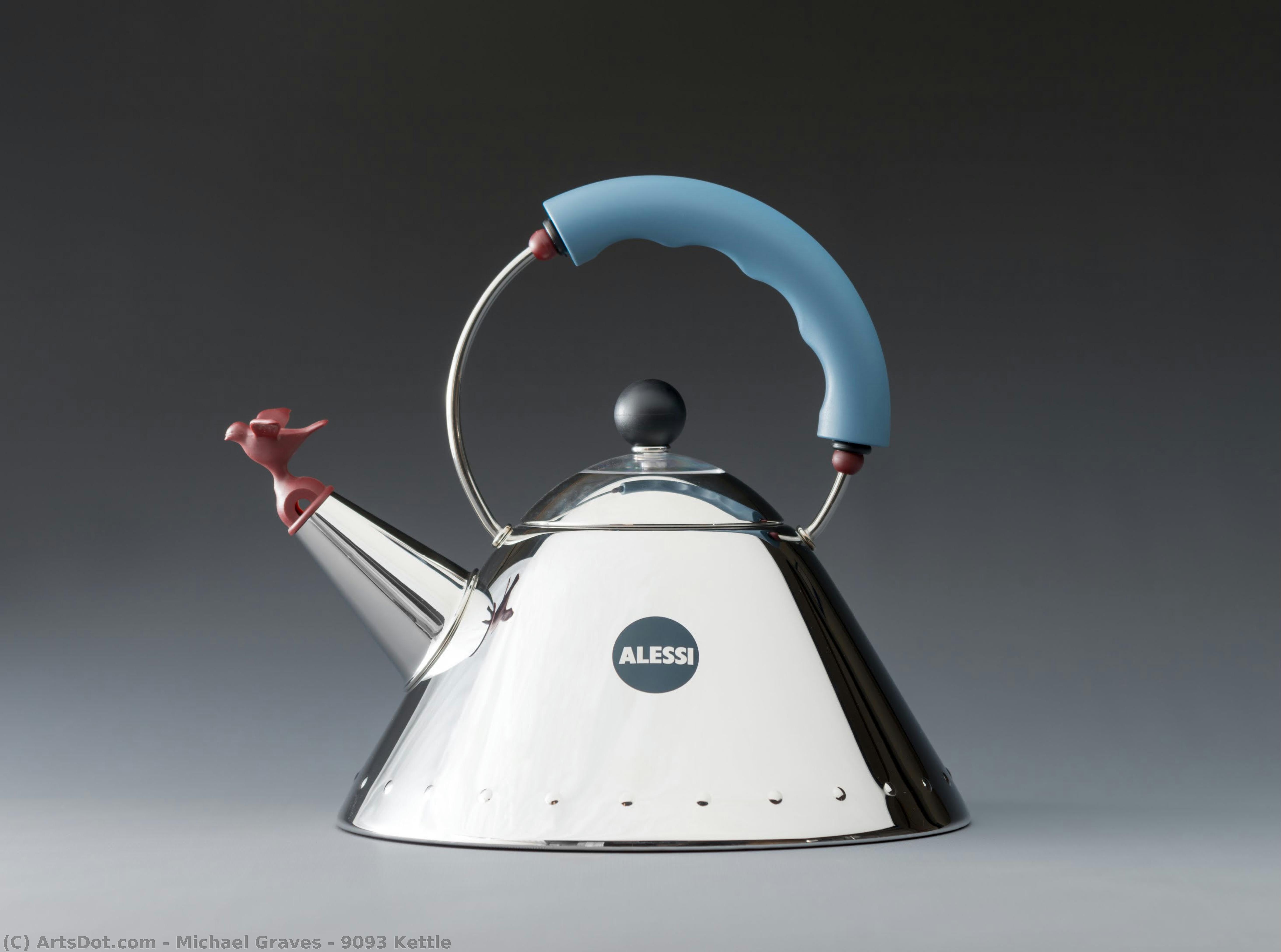
9093 Kettle

 Devamını Oku
Bu sayfada sergilenen eser telif hakkı yasasıyla korunmaktadır; bu da yasal olarak eserin birebir kopyasını oluşturamayacağımız veya satamayacağımız anlamına gelir. Bu koruma, aşağıdakiler gibi uluslararası anlaşmalar kapsamında uygulanmaktadır: Bern Sözleşmesi ve aşağıdakiler de dahil olmak üzere ulusal yasalarca belirlenen ABD Telif Hakkı Kanunu - 17. Başlık.
Bu yöntem, koruma altındaki sanat eserinin kopyalanmasını veya çoğaltılmasını içermediği için telif hakkı düzenlemelerine tam uyum sağlar. Bunun yerine, yaratıcı bir yeniden yorumlamadır; orijinalinden etkilenen ancak onunla aynı olmayan yeni bir tablodur.
Giclée / Sanat Baskısı
Hızlı üretim ve esnek bitiş seçenekleriyle müze kalitesinde giclée veya kanvas baskı. ( El Yapımı Tablo Satın Al Dijital Görsel Satışına Geç)




































Eserin orijinal oranlarıyla uyumlu, önceden belirlenmiş boyutlarımız arasından seçim yapın.

Çerçevenize veya duvarınıza uygun olması için ihtiyacınız olan genişlik ve yüksekliği yazın. Bir baskı yalnızca kesilebilir, görselden daha büyük hale getirilemez; bu nedenle farklı bir formdaki boyut seçimi, görselin bir kısmının kaybına neden olur. Herhangi bir baskı yapmadan önce onaylamanız için size bir dijital taslak gönderiyoruz. Bu sayfada gösterilen resim gerçek kesimi göstermez — bunu yalnızca taslak gösterir.
Dünya Çapında Teslimat (); standart 4/5 hafta yerine 2 haftada. (22 Ekim)

Dünya Çapında Ücretsiz Ekspres Kargo

Yüksek Kaliteli Keten Tuval

Tam Nakliye Sigortası

Gümrük Vergisi İadesi Garantisi

Gerçek Renk Uyumu Garantisi

100 Günlük İade Koşulları (Sadece Üretim Hatalı Ürünler İçin)

%100 Para İade Garantisi

Toplu Alım Avantajı
 Cam seçeneği yalnızca 110 cm altındaki boyutlar için mevcuttur.

9093 Kettle
Giclée / Sanat Baskısı
Baskı Boyutu
-


Toplam Fiyat
₺ 3907
Sanatçı Biyografisi
A Playful Rebellion: The Life and Vision of Michael Graves
Michael Graves, born in Indianapolis in 1934, emerged as a pivotal figure in late 20th and early 21st-century design—an architect who dared to challenge the austere dogma of modernism with a vibrant, often whimsical aesthetic. His journey wasn’t one of immediate rebellion, but rather a gradual evolution fueled by a growing dissatisfaction with the perceived rigidity and historical detachment of the prevailing architectural style. Initially steeped in modernist principles during his education at the University of Cincinnati and Harvard, Graves found himself increasingly drawn to the power of history, symbolism, and ornamentation—elements largely banished from the modernist lexicon. This shift wasn’t simply an aesthetic preference; it was a fundamental questioning of architecture's purpose: should buildings merely function, or should they also delight, communicate, and connect with people on a more emotional level? The seeds of this inquiry were sown during his time at the American Academy in Rome as a recipient of the prestigious Rome Prize, where he immersed himself in the rich tapestry of classical architecture. It was an experience that profoundly shaped his understanding of form, proportion, and the enduring power of architectural language.From The New York Five to Postmodern Iconoclasm
Graves’s ascent coincided with a period of significant experimentation within the architectural world. He became a key member of *The New York Five*, a group of architects—alongside Peter Eisenman, Charles Gwathmey, Richard Meier, and Robert A.M. Stern—who actively challenged modernist orthodoxy in the late 1960s and early 70s. Their work, characterized by formal complexity and a rejection of simplistic functionalism, laid the groundwork for the burgeoning postmodern movement. However, Graves’s vision extended beyond architectural boundaries. His involvement with *The Memphis Group* in the 1980s—an Italian design collective known for its boldly colored, playfully shaped furniture and objects—brought his designs to an even wider audience. This collaboration was a watershed moment, demonstrating that good design wasn't limited to buildings; it could permeate everyday life through accessible, aesthetically engaging products. It was a deliberate democratization of design, bringing artistry into the home. The influence of Robert Venturi and Denise Scott Brown’s seminal work, *Complexity and Contradiction in Architecture*, cannot be overstated. Their critique of modernist simplicity resonated deeply with Graves, encouraging him to embrace ambiguity, irony, and historical references—qualities that would become hallmarks of his style.Landmark Buildings and the Democratization of Design
Graves’s architectural portfolio is remarkably diverse, reflecting his willingness to adapt his distinctive aesthetic to a wide range of contexts. The Portland Building (1982) in Oregon remains perhaps his most iconic—and controversial—creation. Its colorful facade, adorned with oversized classical ornamentation, sparked intense debate, challenging conventional notions of what a civic building should look like. Similarly, the Humana Building in Louisville, Kentucky, is a playful and whimsical structure that incorporates exaggerated decorative elements, creating a sense of theatricality. Beyond these landmark projects, Graves demonstrated his versatility with works such as the Ministry of Culture in The Hague, Netherlands, and the Denver Public Library expansion—each showcasing his commitment to public spaces and thoughtful design solutions. But perhaps his most significant contribution was his ability to bridge the gap between high art and mass production. His collaborations with companies like Alessi resulted in iconic designs such as the 9093 Kettle, transforming a mundane kitchen object into a work of art. Further extending this philosophy, Graves partnered with Target and J.C. Penney to create affordable product lines, making stylish and well-designed items accessible to a broader audience—a truly revolutionary act that challenged the elitism often associated with design.A Legacy of Accessibility and Humanistic Design
In 2003, a life-altering event profoundly impacted Graves’s work: he suffered a partial paralysis that confined him to a wheelchair. This personal experience ignited a passionate advocacy for universal design—the principle of creating products and environments usable by all people, regardless of age, ability, or status. He recognized firsthand the challenges faced by individuals with disabilities and dedicated himself to improving healthcare environments, ensuring they were not only functional but also dignified and supportive. His later work reflected this commitment, prioritizing accessibility, comfort, and a humanistic approach to design. Throughout his illustrious career, Michael Graves received numerous accolades, including fellowships from the American Institute of Architects, the AIA Gold Medal, the National Medal of Arts, and the Driehaus Architecture Prize—testaments to his enduring influence and significant contributions to the field. He left behind a legacy that extends far beyond bricks and mortar or product designs; he challenged conventions, embraced playfulness, and championed a more inclusive and human-centered approach to design—a vision that continues to inspire generations of architects and designers today.
Michael Graves
1934 - 2015 , United States of America
Kısa Bilgiler
- Full Name: Michael Graves
- Nationality: American
- Date Of Birth: 1934
- Date Of Death: 2015
- Place Of Birth: Indianapolis, United States of America
- Notable Artworks:
- 9093 Kettle
- Coffee pot
- Portland Building
- Humana Building
- Artistic Movement Or Style: Postmodernism
- Artists Who Influenced This Artist:
- Robert Venturi
- Denise Scott Brown
- Artists Or Movements Influenced By This Artist:
- Postmodern architecture
- New Urbanism