Surrealism
Sin título (Max Ernst)
Sin título, Max Ernst (1891–1976) tarafından yapıldı. Surrealism akımına aittir. Engraving ile yapılmıştır.
- Engraving

 Gerçek Boyutta Önizle

 El Yapımı Yağlı Boya Tablo
 Paylaş
 Paylaş
 Bilgi Formu


 İndir
 Benzer ürünler
 X-Işını
 Slayt Gösterisi
 Soru & Cevap

 İstatistikler
Sin título hakkında kısa bilgi
- Başlık
- Sin título
- Sanatçı
- Max Ernst (1891–1976)
- Sanatçının doğum yeri
- Brühl, Almanya
- Teknik
- Engraving
- Akım
- Surrealism
- Dönem
- High Medieval
- Konu
- serpent symbolism, mona lisa echoes, dreamlike struggle, duality of man, surreal landscape, mythological art
Sin título neyi betimliyor?
A Descent into the Unconscious: Examining Max Ernst’s “Sin título”
Max Ernst's "Sin título" (Untitled) isn’t merely a black and white etching; it’s an invitation to a psychological landscape, a confrontation with primal fears rendered in stark, unsettling detail. The artwork immediately commands attention through its dynamic composition – a wrestling match between a man and a colossal serpent dominates the frame, interwoven with a ghostly cameo of Mona Lisa that subtly complicates the narrative. Ernst, a pivotal figure in both Dada and Surrealism, masterfully employs a technique reminiscent of engraving or etching, creating an extraordinary contrast between light and shadow, sharp lines, and a flattened perspective that contributes to the work’s dreamlike quality. This isn't simply a depiction of physical struggle; it’s a visual representation of internal conflict, a battle waged within the depths of the human psyche.
The choice of materials – likely etched onto a metal plate and subsequently printed – speaks volumes about Ernst’s artistic process. The rigid linearity of the linework, while creating a graphic appearance, also suggests an underlying tension, mirroring the struggle depicted on the surface. The deliberate lack of shading or realistic depth further enhances this sense of unease, pushing the scene into the realm of symbolism and allegory. It's crucial to note that Ernst was deeply interested in exploring the subconscious, and “Sin título” is a prime example of his ability to translate complex psychological themes into visual form.
The Symbolism of Serpent and Woman: Echoes of Mythology and Art History
The serpent itself is a potent symbol throughout history – representing temptation, chaos, knowledge, and the cyclical nature of life. Here, it’s not merely a beast but an embodiment of primal urges, a force resisting control. The man wrestling with it embodies humanity's struggle against these darker aspects of its own being. Interestingly, positioned within this chaotic scene is a subtle yet significant detail: the inclusion of Mona Lisa. This iconic portrait, instantly recognizable and imbued with an aura of serene beauty, acts as a counterpoint to the turmoil unfolding before us. Some art historians interpret this juxtaposition as representing the eternal conflict between reason and emotion, or perhaps the allure of the unattainable – a reminder that even in moments of intense struggle, there exists a lingering sense of beauty and detachment.
The tower-like structure in the background adds another layer to the symbolism. Towers often represent ambition, power, and reaching for the heavens—but here, it feels somewhat ominous, perhaps suggesting an unattainable goal or a precarious position within this internal struggle. The overall composition suggests a descent into the unconscious, a confrontation with fundamental human dilemmas.
Ernst’s Methodologies: Frottage and the Surrealist Approach
Understanding Max Ernst's artistic methods is key to appreciating “Sin título.” He was a pioneer of techniques like *frottage* – rubbing a pencil over textured surfaces to create unexpected images – and *grattage*, scraping paint across canvas to reveal hidden patterns. These processes were designed to bypass conscious control, tapping into the subconscious mind and generating surprising visual results. This approach is clearly evident in “Sin título,” where the deliberate use of line work and the seemingly random arrangement of elements contribute to a sense of controlled chaos. Ernst wasn’t simply painting what he *saw*; he was actively seeking to access and translate the hidden realities of his inner world.
The artwork's stark black and white palette further emphasizes this exploration of the subconscious. It strips away any distractions, forcing the viewer to confront the raw emotion and psychological intensity of the scene. It’s a testament to Ernst’s skill that he can create such a powerful and unsettling image using such a limited range of tones.
A Reproduction for the Collector: Bringing “Sin título” into Your Space
OriginalUniqueArt offers meticulously hand-painted reproductions of Max Ernst's "Sin título," capturing the essence of this iconic work with unparalleled detail and fidelity. Our artists replicate Ernst’s distinctive linework, creating a stunning visual experience that faithfully reproduces the artwork’s unsettling atmosphere and symbolic depth. Whether you are an art collector seeking to expand your Surrealist collection or simply looking for a unique piece of art to enhance your interior design, our reproduction provides a beautiful and authentic representation of this seminal work. The high-quality materials used ensure that the reproduction will last for generations, preserving the power and mystery of Ernst’s vision. Explore our options today and bring this captivating image into your world.
Sin título için yüksek çözünürlüklü görseller

Telif hakkı ile korunmaktadır: bu dosyalar kişisel inceleme amaçlıdır, yeniden yayınlama lisansı değildir.
Max Ernst, Sin título.
Max Ernst (1891–1976), Sin título, engraving. Görsel: OriginalUniqueArt.com.
Sin título hakkında sorular ve cevaplar
Max Ernst imzalı "Sin título" hangi teknikle icra edilmiştir?
"Sin título", Engraving kullanılarak icra edilmiştir.
"Sin título" neyi betimliyor?
Max Ernst imzalı "Sin título" eserinde yer alan temalar serpent symbolism, mona lisa echoes, dreamlike struggle, duality of man, surreal landscape, mythological art, black and white drama unsurlarını içermektedir. Bunlar birlikte, eserin konu içeriğini özetlemektedir.
"Sin título" eseri kamu malı mı?
Max Ernst imzalı "Sin título" için telif hakkı durumu: eser telif hakları ile korunmaya devam etmektedir kapsamındadır. Bu durum, görüntünün çoğaltmalarının serbestçe yapılıp yapılamayacağını belirler.
"Sin título" eserinin sanatçısı kim?
"Sin título" eserinin sanatçısı Max Ernst'tir. Eser, Max Ernst adına kataloglanmıştır.
Max Ernst imzalı "Sin título" hangi sanat akımına dahil?
Max Ernst imzalı "Sin título", Surrealism akımına aittir. Bu akım, eserin üslup bağlamını sunmaktadır.
"Sin título" adlı eser, Max Ernst kariyerinin hangi dönemine ait?
"Sin título", Max Ernst kariyerinin Mature Period dönemine aittir. Bu sınıflandırma, eseri sanatçının gelişim süreciyle ilişkilendirir.
Max Ernst imzalı "Sin título" adlı eser kamu malı mıdır ve neden?
Max Ernst imzalı "Sin título" adlı eser telif hakları ile korunmaya devam etmektedir statüsündedir. Telif hakları süresi sanatçının ölüm tarihinden itibaren hesaplanmaktadır ve Max Ernst, 1976 yılında vefat etmiştir.
"Sin título" adlı eser, Max Ernst'in külliyatında nerede konumlanıyor?
Max Ernst'in eserleri arasında yer alan "Sin título", dada & surrealist echoes, mythic confrontation, psychological tension, humanity's dark side, symbolic allusion, ernst's dreamscapes", exploring the unconscious", recurring serpent motif temalarıyla birlikte Surrealism üslubunda konumlanmaktadır.
"Sin título" eserinin konusu, Max Ernst sanatçısının alışılagelmiş temalarıyla nasıl bir ilişki içerisindedir?
"Sin título", serpent symbolism, mona lisa echoes, dreamlike struggle, duality of man, surreal landscape, mythological art, black and white drama konularını betimlerken; Max Ernst tarafından işlenen temalar dada & surrealist echoes, mythic confrontation, psychological tension, humanity's dark side, symbolic allusion, ernst's dreamscapes", exploring the unconscious", recurring serpent motif şeklindedir. Bu iki unsurun karşılaştırılması, eserin sanatçının alışılagelmiş konularıyla nasıl bir ilişki içinde olduğunu ortaya koymaktadır.
Sanatçı hakkında, Max Ernst
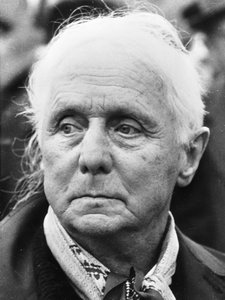
1891–1976, Almanya
Max Ernst
Max Ernst'un Yaşamı ve Kökenleri Max Ernst, 2 Nisan 1891 tarihinde Almanya'nın Brühl kentinde dünyaya geldi. Dokuz çocuklu orta halli bir Katolik ailenin üçüncü çocuğu olarak büyüyen sanatçının yetişme süreci, babası Philipp'in sağır bireylere öğretmenlik yaptığı evinin sessiz ve disiplinli atmosferinden şekillendi. Aynı zamanda amatör bir ressam olan babası, çocuğun sanatın araçlarıyla ve uygulama biçimleriyle ilk kez tanışmasını sağlayan kişi olacaktı. 1909 yılına gelindiğinde, Bonn Üniversitesi'nde öğrenciyken Max Ernst resim yapmaya başladı.
Max Ernst Hakkında Max Ernst tarafından yapılmış öne çıkan eserler
Max Ernst tarafından yapılan diğer eserler
 Célèbes veya Fil Célèbes1921
 Elefant Celebes1921
 Avrupa Yağmurdan Sonrası II1942
 Bunun Erkekler Hiçbir Şey Bilemeyecek1923
Sin título üzerine denemeler
 İç Mekân Tasarımında Sanatsal Yenilik: Kurumsal Çözümler ve Yüksek Kaliteli Reproduksiyonlarla Müşteri Deneyimini Zenginleştirme StratejileriOriginalUniqueArt ile otelinizde sanatsal yenilik yaratın! Yüksek kaliteli reprodüksiyonlar, özel portreler ve uzman sanat danışmanlığı hiz…
 Unlocking the Unconscious: The Top 25 Masterpieces by Max ErnstBorn in Brühl, Germany, Max Ernst used frottage and collage to navigate the subconscious, bridging the wreckage of WWI and Surrealism.
 25 Essential Works by Arnold Böcklin: A Journey Through Myth and SymbolismGustav Mahler was so haunted by a single painting that it shaped his Fourth Symphony. What drove Böcklin to revisit his most famous motif?