
 Gerçek Boyutta Önizle
 Paylaş
 Paylaş
 Detayları Gör
 Rehber

 İndir
İndir
 Benzer ürünler
 X-Işını
 Slayt Gösterisi
 Soru & Cevap
 İstatistikler
The Crucifixion

- 269.0 x 307.0 cm


 Tümünü Gör
Giclée / Sanat Baskısı
Hızlı üretim ve esnek bitiş seçenekleriyle müze kalitesinde giclée veya kanvas baskı. ( El Yapımı Tablo Satın Al Dijital Görsele Geç)




P118B ₺10

P118H ₺10

P118W ₺10

P438Z ₺10

P508JH ₺12

P508YH ₺12

P805H ₺10

P805Z ₺10

P919BZ ₺10

P919G ₺10

P919XJ ₺10

P959ZH ₺10

P968JZ ₺12

W106C ₺8

W218G ₺10

W218JH ₺8

W218Y ₺10

W307PJ ₺10

W316G ₺10

W316PJ ₺8

W316Y ₺10

W398PJ ₺8

W4111J ₺10

W500HY ₺15

W500JH ₺15

W692G ₺12

W849H ₺8

W940BG ₺15

W953PJ ₺8




Eserin orijinal oranlarıyla uyumlu, önceden belirlenmiş boyutlarımız arasından seçim yapın.

Çerçevenize veya duvarınıza uygun olması için ihtiyacınız olan genişlik ve yüksekliği yazın. Bir baskı yalnızca kesilebilir, görselden daha büyük hale getirilemez; bu nedenle farklı bir formdaki boyut seçimi, görselin bir kısmının kaybına neden olur. Herhangi bir baskı yapmadan önce onaylamanız için size bir dijital taslak gönderiyoruz. Bu sayfada gösterilen resim gerçek kesimi göstermez — bunu yalnızca taslak gösterir.
Dünya Çapında Teslimat (); standart 4/5 hafta yerine 2 haftada. (9 Kasım)

Dünya Çapında Ücretsiz Ekspres Kargo

Yüksek Kaliteli Keten Kanvas

Tam Nakliye Sigortası

Gümrük Vergisi İadesi Garantisi

Gerçek Renk Uyumu Garantisi

100 Günlük İade Politikası (Sadece Kusurlu Ürünler İçin)

%100 Para İade Garantisi

Toplu Alım İndirimi
 Cam seçeneği yalnızca 110 cm altındaki boyutlar için mevcuttur.

The Crucifixion
Giclée / Sanat Baskısı
Reproduksiyon Boyutu
-


Toplam Tutar
₺ 3996
A Vision of Suffering: The Isenheim Altarpiece’s Central Panel
Matthias Grünewald's “The Crucifixion,” a cornerstone of the Isenheim Altarpiece, isn’t merely a depiction of a religious scene; it’s an immersive experience of profound sorrow and spiritual intensity. Completed around 1512-1516 for the Unterlinden Museum in Colmar, France, this panel transcends traditional iconography to deliver a visceral portrayal of Christ's agony – a testament to Grünewald’s mastery of late medieval German art. The painting immediately commands attention with its stark contrasts: the deep, bruised blues and purples of the background against the pallid flesh tones of the central figure, creating an atmosphere thick with despair. It’s a scene deliberately designed to evoke empathy, not through idealized beauty, but through unflinching realism.
Grünewald eschewed the polished elegance favored by Renaissance Italy, instead embracing the expressive power and emotional depth characteristic of Northern European art. He prioritized conveying feeling over precise anatomical detail, resulting in a Christ whose body is contorted with pain, his muscles strained, and his face etched with an almost unbearable suffering. The artist’s use of impasto – thick layers of paint applied directly to the panel – adds texture and dynamism to the scene, emphasizing the physicality of Christ's torment. The rough, unfinished quality of the brushstrokes contributes to a sense of immediacy, as if we are witnessing this event unfold before our very eyes.
Symbolism Woven into Suffering
Beyond its immediate emotional impact, “The Crucifixion” is rich in symbolic meaning. The figure of Christ isn’t presented as a noble martyr but as a profoundly human being experiencing the full weight of his sacrifice. To his left, John the Evangelist, depicted with an expression of anguish and grief, supports the Virgin Mary, who herself embodies sorrow. The presence of Saint Sebastian, traditionally associated with healing through suffering, and Saint Anthony, contemplating God’s will, further underscores the theme of redemption through pain. The lamb at the foot of the cross, a potent symbol of Christ as “the Lamb of God,” reinforces this central theological message.
The inclusion of figures like Mary Magdalene, kneeling in despair, highlights the universal human experience of loss and suffering connected to Christ’s death. Even the background landscape—a desolate, almost apocalyptic scene—contributes to the overall sense of foreboding and spiritual crisis. Grünewald masterfully integrates these symbolic elements into a single, unified composition, creating an artwork that speaks volumes about faith, sacrifice, and the enduring power of human emotion.
Technique and Context: A Masterpiece Forged in Darkness
The Isenheim Altarpiece was created during a period of significant religious upheaval in Europe. The Black Death had ravaged the continent, leaving behind widespread death, disease, and social disruption. This context profoundly shaped Grünewald’s artistic vision. The altarpiece was intended for a hospital dedicated to St. Anthony, where patients suffered from various ailments, including ergotism (St. Anthony's Fire), a debilitating illness characterized by hallucinations and convulsions. The painting’s raw emotional intensity and unflinching depiction of suffering were precisely what the patients needed – a visual reminder of their own mortality and the promise of salvation.
Grünewald employed oil paint on wood, a technique that allowed for rich colors and detailed textures. The use of grisaille (monochrome painting) in the outer panels—featuring saints depicted in shades of gray—contrasts sharply with the vibrant colors of the central panel, further emphasizing its dramatic impact. The altarpiece’s complex folding mechanism – allowing it to be displayed in three different configurations – was a groundbreaking innovation for its time, adding another layer of visual and spiritual complexity.
A Legacy of Emotional Resonance
“The Crucifixion” remains one of the most powerful and moving religious paintings ever created. Its enduring appeal lies not only in Grünewald’s technical skill but also in his ability to capture the essence of human suffering with such profound honesty and empathy. Reproductions of this masterpiece continue to inspire awe and contemplation, offering viewers a glimpse into the heart of medieval faith and artistic expression. It stands as a poignant reminder of Christ's sacrifice and the enduring power of art to connect us to our deepest emotions and spiritual longings.
Soru ve Cevaplar
Matthias Grünewald imzalı "The Crucifixion" eserinin hangi baskı boyutu önerilen odaya daha iyi uyum sağlar?
Living Room için Matthias Grünewald imzalı "The Crucifixion" eserinin önerilen baskı boyutu Large'dır.
Orijinal Matthias Grünewald imzalı "The Crucifixion" eseri hangi teknikle ve hangi boyutlarda yapılmıştır?
Matthias Grünewald imzalı "The Crucifixion" eserinin tekniği Oil On Canvas olup, kayıtlı boyutları 269 x 307 cm'dir.
"The Crucifixion" eserinin Late Medieval Northern Renaissance üslubuna hangi duygusal ton eşlik ediyor?
Late Medieval Northern Renaissance akımı içerisinde, "The Crucifixion" eseri Melancholic bir tonla kaydedilmiştir.
Sanatçı Özgeçmişi
Matthias Grünewald: Yaşamı ve Mirası
Erken Yaşam ve Sanatsal Başlangıçlar
Almanya'nın Würzburg kentinde, yaklaşık 1470-1475 yılları arasında Mathis Gothart Neithardt adıyla dünyaya gelen Matthias Grünewald, Alman Rönesansı'nın en kilit figürlerinden biriydi. İtalyan Rönesansı ideallerinin giderek daha fazla etki bıraktığı bir dönemde yaşamasına rağmen, Grünewald köklerini Orta Avrupa'nın geç ortaçağ sanatsal geleneklerine derinden bağlamayı başarmıştır. Erken yaşamına dair detaylar oldukça kısıtlı olsa da, muhtemelen yerel atölyelerde aldığı eğitimle bir sanatçı olarak yetiştiği bilinmektedir.
Sanatsal Gelişim ve Etkiler
Grünewald'ın sanatsal gelişimi; realizm, duygusal yoğunluk ve ayrıntılı gözlem üzerine kurulu olan hakim Kuzey Avrupa gelenekleri tarafından şekillendirilmiştir. Eserlerinde Albrecht Dürer ve Martin Schongauer gibi sanatçıların izlerini görmek mümkün olsa da, o, dramatik ifade ve canlı renklerle karakterize edilen kendine özgü bir yol çizmiştir. İtalya'da yaygın olan hümanist çevrelerle doğrudan bir bağ kurmamış; aksın aksine sanatı, döneminin ruhani kaygılarını yansıtarak öncelikle dini amaçlara hizmet etmiştir.
Başlıca Eserler ve Sanat Üslubu
- Isenheim Altarpiece (1512-1516): Colmar'daki Musée d'Unterlinden'de korunan bu şaheser, Grünewald'ın başyapıtı olarak kabul edilir. İsa'nın yaşamından sahneleri sarsıcı bir gerçekçilikle betimleyen eser, özellikle acı ve kurtuluş temalarına odaklanır.
- Çarmıha Gerilme (yaklaşık 1502-1503): Sanatçının gelişmekte olan üslubunu sergileyen bu erken dönem eseri, yoğun duygu ve anatomik detayları gözler önüne serer.
- Müjde Meryem (1512-14): Isenheim Altarpiece için hazırlanan bir çalışma olan bu eser, sanatçının titiz planlama sürecini ortaya koymaktadır.
- Musa (1511): Grünewald'ın dışavurumcu figürler ve dramatik pozlar yakalamadaki ustalığını vurgulayan bir çizimdir.
Grünewald'ın üslubu şu temel özelliklerle ayrışır:
- Dramatik Kompozisyon: Duygusal etkiyi artırmak için dinamik düzenlemeler kullanmıştır.
- Canlı Renk Paleti: Yoğun ve genellikle zıt renklerin kullanımı, güçlü bir görsel deneyim yaratmıştır.
- Acının Gerçekçi Tasviri: Grünewald, dini anlatılarla ilişkilendirilen fiziksel ve duygusal acıyı betimlemekten asla çekinmemiştir.
- Dışavurumcu Figürler: Figürleri güçlü duygular ve psikolojik derinlikle yoğrulmuştur.
Tarihsel Önem ve Miras
Grünewald'ın çalışmaları, Rönesans döneminde Almanya'daki ortaçağ sanatsal geleneklerinin kalıcı gücünün bir kanıtı olarak durmaktadır. Geç Gotik üslup ile yükselen Rönesans arasındaki boşluğu doldurarak, çağdaşlarıyla yankı uyandıran eşsiz bir görsel dil yaratmıştır. Onun etkisi, dini coşku ve duygusal yoğunluk temalarını keşfetmeye devam eden sonraki Alman sanatçılarında açıkça görülebilir. 1528'deki ölümünden sonra yüzyıllar boyunca büyük ölçüde unutulmuş olsa da, Grünewald 19. yüzyılda yeniden keşfedilmiş ve bugün Alman Rönesansı'nın en önemli ressamlarından biri olarak kabul edilmektedir. Sanatı; ham duygusu, teknik dehası ve derin ruhani derinliğiyle izleyicileri büyülemeye devam etmektedir.
Daha Fazlasını Keşfedin
Matthias Grünewald'ın yaşamı ve eserleri hakkında daha fazlasını burada keşfedin: OriginalUniqueArt

Matthias Grünewald
1480 - 1528 , Almanya
Kısa Bilgiler
- Birth Date: m. 1470–1475
- Birth Place: Würzburg, Almanya
- Death Date: 1528
- Influenced: Yok
- Movement: Alman Rönesansı, Geç Orta Çağ
- Name: Matthias Grünewald
- Nationality: Alman
- Notable Works: Isenheim Altarpiece, Çarmıha Geriliş
Benzer Yazılar
Kuzey Rönesansı'nın Zirveleri: Sanat Tarihini Şekillendiren 10 Başyapıt
Kuzey Rönesansı'nın en etkileyici 10 başyapıtını keşfedin! Van Eyck, Dürer gibi ustaların eserleriyle sanat tarihine yolculuk edin. Evinizi benzersiz sanatla süsleyin. OriginalUniqueArt.com'da tüm koleksiyonu inceleyin.
Illuminating Belief: A Visual Exploration of Faith Across Artistic Movements & Historical Contexts
Explore the rich history of faith through art! Discover Renaissance masterpieces, iconic artists & religious symbolism with expert analysis from OriginalUniqueArt. Perfect for collectors and enthusiasts.

The Northern Renaissance: A Flourishing of Realism, Religious Reform & Artistic Innovation
Explore the Northern Renaissance! Discover Jan van Eyck's innovations, religious shifts, & key artists of this influential period. Expert analysis and insights into Early Netherlandish painting at OriginalUniqueArt.
Northern Mannerism: The Dramatic Evolution of Renaissance Art and the Mastery of Elegant Distortion
Explore the dramatic evolution of Northern Mannerism. Discover how masters like Bosch and Grünewald transitioned from Renaissance harmony to profound, elegant distortion through an expert analysis of symbolism, emotional intensity, and artistic innovation.
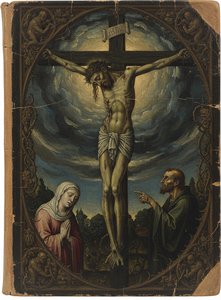
Matthias Grünewald: Devotion, Distortion & Spiritual Turmoil in Renaissance Art
Explore the profound religious art of Matthias Grünewald, master of the Isenheim Altarpiece. Discover his unique expressionism, symbolism & lasting impact on Renaissance painting. A guide for collectors and enthusiasts.


