

 Önizle
 Gönder
 Paylaş
 Detaylar
 Rehber

 Dosyayı İndir
 Benzerleri
 X-Işını
 Slayt Gösterisi
 İstatistikler
Untitled (Stile)
 Watercolor
- WallArt
- American Impressionism
 1873
1873- 19th Century
 9.0 x 12.0 cm
 Devamını Oku
El Yapımı Yağlı Boya Reproduksiyon
Sanatçılarımız tarafından sipariş üzerine hazırlanan; istediğiniz boyut ve çerçevede, tuval üzerine el boyaması yağlı boya. ( Baskı Satışına Geç Dijital Görsel Satışına Geç)




P118B ₺10

P118H ₺10

P118W ₺10

P438Z ₺10

P508JH ₺12

P508YH ₺12

P805H ₺10

P805Z ₺10

P919BZ ₺10

P919G ₺10

P919XJ ₺10

P959ZH ₺10

P968JZ ₺12

W106C ₺8

W218G ₺10

W218JH ₺8

W218Y ₺10

W307PJ ₺10

W316G ₺10

W316PJ ₺8

W316Y ₺10

W398PJ ₺8

W4111J ₺10

W500HY ₺15

W500JH ₺15

W692G ₺12

W849H ₺8

W940BG ₺15

W953PJ ₺8




Eserin orijinal oranlarıyla uyumlu, önceden belirlenmiş boyutlarımız arasından seçim yapın.

Belirli bir çerçeveye veya alana uyması için kendi boyutlarınızı girebilirsiniz. Seçtiğiniz boyut orijinal görüntünün oranlarıyla eşleşmiyorsa, sanat eserini kırparak veya ek el boyaması öğelerle resmi uzatarak ayarlayacağız. Üretim başlamadan önce onayınız için dijital bir taslak gönderilecektir.
Lütfen ekrandaki önizlemenin gerçek kırpmayı veya uzatmayı yansıtmadığını unutmayın. Nihai kompozisyonu yalnızca hazırlanan taslak doğru şekilde gösterecektir.
Özel boyutlar mevcut olsa da, orijinal oranları korumak adına önceden tanımlanmış listeden bir boyut seçmenizi öneririz.
Siparişten sonra, OriginalUniqueArt.com ekibi talimatlar için müşteriye e-posta gönderecek ve bir taslak önizleme sunacaktır
Dünya Çapında Teslimat (); standart 5 hafta yerine 3/4 haftada. (11 Ekim). Kaliteden ödün verilmez.

Dünya Çapında Ücretsiz Ekspres Kargo

Yüksek Kaliteli Keten Tuval

Tam Nakliye Sigortası

Gümrük Vergisi İadesi Garantisi

Gerçek Renk Uyumu Garantisi

100 Günlük İade Koşulları (Sadece Üretim Hatalı Ürünler İçin)

%100 Para İade Garantisi

Toplu Alım Avantajı
 Cam seçeneği yalnızca 110 cm altındaki boyutlar için mevcuttur.

Untitled (Stile)
Baskı Tekniği
Baskı Boyutu
-


Toplam Fiyat
₺ 14579
Untitled (Stile) by Mary Vaux Walcott: A Glimpse of Serene Nature
This captivating watercolor painting, titled "Untitled (Stile)" and created in 1873 by the talented American artist Mary Vaux Walcott, offers a tranquil view of a rustic wooden fence with a gate, commonly known as a stile. The artwork is currently held within the esteemed collection of the Smithsonian American Art Museum.
Artistic Style and Technique
Mary Vaux Walcott's artistic style is characterized by its delicate realism and meticulous attention to detail. She masterfully employs soft, muted tones in this piece, creating a gentle and naturalistic effect that draws the viewer into the serene atmosphere of the scene. The diffused light avoids harsh shadows, further enhancing the sense of tranquility. Her technique showcases a remarkable command of watercolor, utilizing transparent washes to build depth and texture. This painting exemplifies her signature style, reminiscent of works like "Phlox" and "Gentian (Gentiana affinis)," both showcasing her botanical expertise.
Historical Context and Significance
Created during the late 19th century, "Untitled (Stile)" reflects a growing interest in scientific illustration and the detailed study of nature. This period witnessed a surge in popularity for botanical art, driven by advancements in natural history and exploration. Walcott's work aligns with this trend, demonstrating her keen observation skills and ability to capture the ephemeral beauty of the natural world. The painting provides a window into rural American life during that era, depicting a simple yet evocative scene.
Symbolism and Emotional Impact
While seemingly straightforward, "Untitled (Stile)" carries subtle symbolic weight. The stile itself represents a transition or passage – a way to cross from one place to another. In the context of the painting, it suggests a connection between the viewer and the natural world. The open gate invites contemplation and evokes feelings of peace and quietude. The muted color palette and gentle composition contribute to an overall sense of calm and serenity, making this artwork a soothing visual experience.
A Legacy of Botanical Art
Mary Vaux Walcott's contribution to American art is significant, earning her the moniker "the Audubon of Botany." Her dedication to accurately depicting wildflowers and other flora resulted in a remarkable body of work that continues to inspire admiration. “Untitled (Stile)” stands as a testament to her skill and passion, offering viewers a timeless glimpse into the beauty of nature.
Soru ve Cevaplar
Mary Vaux Walcott imzalı "Untitled (Stile)" için hangi kullanım ve alan önerilir?
Mary Vaux Walcott imzalı "Untitled (Stile)" için kaydedilen iki öneri; kullanım (Accent) ve alan (Living Room) şeklindedir.
Mary Vaux Walcott imzalı "Untitled (Stile)" eserinin yapım tarihi nedir?
Mary Vaux Walcott imzalı "Untitled (Stile)" eserinin yapım tarihi 1873 olarak kaydedilmiştir.
Mary Vaux Walcott, 1873 yılında "Untitled (Stile)" eserini oluşturduğunda kaç yaşındaydı?
"Untitled (Stile)" adlı eser 1873 yılında yaratıldığında, 1860 yılında doğan Mary Vaux Walcott, 13 yaşındaydı.
Mary Vaux Walcott imzalı "Untitled (Stile)" eserinin tarihi ve üslubu nedir?
Mary Vaux Walcott imzalı "Untitled (Stile)", 1873 tarihli olup American Impressionism akımına aittir.
"Untitled (Stile)" eserinin arkasındaki sanatçı kim?
"Untitled (Stile)", Mary Vaux Walcott tarafından yaratılmıştır. Bu sayfadaki bilgiler Mary Vaux Walcott imzalı orijinal esere aittir.
"Untitled (Stile)" hangi renk paletini ve hangi duyguyu bir araya getiriyor?
"Untitled (Stile)" eserinde, Neutrals renkler Tranquil bir duyguya eşlik ediyor.
Mary Vaux Walcott imzalı "Untitled (Stile)" açık tonlu bir sanat eseri mi yoksa koyu tonlu mu?
Mary Vaux Walcott imzalı "Untitled (Stile)", brilliant parlaklık ve Luminous düzeyinde bir lüminans ile kaydedilmiştir.
Sanatçı Biyografisi
Mary Vaux Walcott (1860-1940): A Life Blossoming in Watercolor
Mary Vaux Walcott, affectionately known as “the Audubon of Botany,” stands as a singular figure in American art history—a woman who defied societal expectations and fused artistic passion with scientific rigor to create an unparalleled legacy. Born in Philadelphia in 1860 into a Quaker family steeped in intellectual tradition, her early life foreshadowed the extraordinary path she would forge. Little did anyone realize that a simple set of watercolor paints gifted at age eight would ignite a lifelong devotion to capturing the delicate beauty of wildflowers and propel her to international acclaim.Early Influences & Artistic Beginnings
Mary Morris Vaux’s artistic journey commenced with an instinctive fascination for color and form—qualities she honed through diligent observation and meticulous practice. Unlike many women of her era who pursued domestic pursuits, Vaux possessed a restless spirit and an unwavering determination to pursue her own interests. Her formal education focused on the humanities, fostering a deep appreciation for literature and philosophy alongside scientific inquiry. Crucially, her father encouraged her intellectual curiosity and nurtured her burgeoning talent—a rare combination that would prove instrumental in shaping her artistic vision. The family’s annual summer expeditions to the Canadian Rockies served as formative experiences, exposing her to breathtaking landscapes and inspiring her to translate their grandeur onto canvas. It was during these travels that she began experimenting with watercolor techniques, striving for realism while simultaneously conveying emotion—a stylistic hallmark of her oeuvre. Her initial sketches, signed “M.M. Vaux 4th month 1873,” reveal a remarkable sensitivity to detail and an early mastery of color blending—qualities that would characterize her later masterpieces.The Rocky Mountain Landscape & Scientific Observation
The Canadian Rockies became Mary Vaux Walcott’s primary artistic laboratory, providing the backdrop for groundbreaking scientific research alongside breathtaking visual inspiration. Accompanied by her brothers, she undertook comprehensive studies of glacial movements, mineralogy, and alpine flora—activities that demanded both physical stamina and intellectual acuity. Unlike artists who merely sought aesthetic pleasure from nature, Vaux approached it with a scientist’s eye—measuring distances, charting contours, and documenting plant species with unwavering precision. Her meticulous observations informed her artistic renderings, resulting in images that were not only beautiful but also scientifically accurate—a distinction that cemented her reputation as “the Audubon of Botany.” The expedition to Mount Stephen in 1900 marked a pivotal moment in Vaux’s life—she became the first woman recorded to ascend this formidable peak, demonstrating courage and resilience alongside her artistic talent. Her detailed photographic documentation of the glacier complemented her watercolor paintings, offering invaluable insights into glacial recession—a phenomenon that foreshadowed the looming threat of climate change decades before it gained widespread recognition.Botanical Illustration & Recognition
Mary Vaux Walcott’s contribution to botanical illustration transcends mere aesthetic beauty; it represents a revolutionary approach to documenting plant life. Rejecting conventional artistic conventions, she prioritized scientific accuracy alongside expressive artistry—a daring decision that distinguished her work from its contemporaries. Her method involved scaling plants to life size, meticulously rendering their intricate structures and vibrant colors with unparalleled detail—a technique that would become synonymous with her style. Recognizing the significance of her achievement, botanists eagerly sought her collaboration on projects aimed at documenting rare species—a testament to her reputation as a leading botanical artist. The publication of *North American Wild Flowers* in 1925—a monumental five-volume collection featuring over 400 of her illustrations—established her place among the titans of American art and cemented her legacy as “the Audubon of Botany.” This ambitious undertaking garnered critical acclaim and solidified her reputation for scientific rigor and artistic excellence.A Lasting Legacy & Enduring Influence
Mary Vaux Walcott’s influence extends far beyond the realm of botanical illustration—she embodies a spirit of adventure, intellectual curiosity, and unwavering determination to pursue one's passions regardless of societal constraints. Her pioneering achievements serve as an inspiration for aspiring artists and scientists alike—demonstrating that creativity and scientific inquiry can coexist harmoniously. Beyond her artistic accomplishments, Vaux championed women’s rights and advocated for improved conditions on Native American reservations—affirming her commitment to social justice alongside her artistic pursuits. Her bequest to the Smithsonian Institution ensured that future generations would benefit from scientific research and publication—a final testament to her enduring legacy as a visionary artist and humanist. Mary Vaux Walcott's story continues to resonate today, reminding us of the transformative power of curiosity, courage, and an unwavering devotion to capturing the beauty and complexity of the natural world.
Mary Vaux Walcott
1860 - 1940 , Amerika Birleşik Devletleri
Kısa Bilgiler
- Artistic Movement Or Style: Botanik İllüstrasyon
- Artists Who Influenced This Artist: ['John James Audubon']
- Date Of Birth: July 31, 1860
- Date Of Death: August 22, 1940
- Full Name: Mary Vaux Walcott
- Nationality: Amerikalı
- Notable Artworks:
- Autumn Leaves
- Gaillardia aristata
- Rosa bourgeauiana
- Dendromecon rigidum
- Fremontodendron mexicanum
- Place Of Birth: Philadelphia, USA
İlgili Yazılar

Ephemeral Visions: Exploring the History & Emotional Resonance of Watercolor Painting
Explore the captivating history of watercolor painting, from ancient techniques to modern masters like Kandinsky & Blake. Discover essential artists, collecting tips & the emotional power of this luminous medium. Expert insights for art enthusiasts.

Watercolor Wonders: 10 Masterpieces That Redefined Art History | OriginalUniqueArt
Journey through 10 legendary watercolor masterpieces by Sargent, Turner & Homer! Explore iconic landscapes, portraits & floral art that redefined history. Find museum-quality reproductions and curated decor ideas at OriginalUniqueArt.com.

Ephemeral Visions: Exploring the Artistic Legacy & Contemporary Practice of Watercolor Painting
Explore the captivating world of watercolor painting! Discover its rich history, essential techniques, influential artists & collecting tips. A comprehensive guide for art enthusiasts from OriginalUniqueArt.
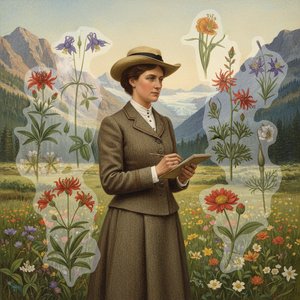
Mary Vaux Walcott: Botanical Precision & Artistic Vision in American Conservation
Discover the exquisite botanical watercolors of Mary Vaux Walcott, celebrated as the 'Audubon of Botany.' Explore her life, art, and lasting impact on American conservation through detailed illustrations & Smithsonian contributions.

Ephemeral Visions: Exploring the Artistic Legacy & Nuances of Watercolor Painting
Explore the captivating world of watercolor painting! Discover its rich history, essential techniques, influential artists & collecting tips from art experts. A comprehensive guide for enthusiasts.