
 Önizle
 Gönder
 Paylaş
 Detaylar
 Rehber

 Dosyayı İndir
 Benzerleri
 X-Işını
 Slayt Gösterisi
 Q&A
Q&A İstatistikler
Chess Game

- 114.0 x 146.0 cm


 Devamını Oku
Web önizlemesinin çok ötesinde, baskıya hazır bir dosya edinin. Sattığımız her dijital görüntü, stok veri tabanımızdaki yüksek çözünürlüklü bir ana dosyadan —genellikle 5.000 ila 15.000 piksel genişliğinde— gelir; böylece büyük boyutlarda baskı alabilir, dar kırpmalar yapabilir veya ince detayları güvenle yeniden üretebilirsiniz.
Stüdyomuzdan çıkan hiçbir dosya dokunulmadan çıkmaz. Bir dijital uzman, renkleri orijinal tabloyla karşılaştırarak kontrol eder ve gerekirse düzeltir; ardından profesyonel rötuş araçlarıyla netliği ve detayları artırır — bunu yaparken her zaman sanatçının fırça darbelerine ve üslubuna sadık kalır. Sonuç, filtrelenmiş bir tarama gibi değil, bizzat tablonun kendisi gibi görünen bir görüntüdür.
İşlem tamamlanmadan önce onay verirsiniz: Uzmanımız, incelemeniz için görseli 72 saat içinde e-posta yoluyla gönderir. Memnun kalmadınız mı? İyileştirme veya düzeltme talep edebilir ya da kalite beklentinizin altında kalırsa iade isteyebilirsiniz.
Yayıncıların, tasarım stüdyolarının, galerilerin ve matbaaların güvendiği kalite budur.
Dijital Görsel
Kişisel kullanım, baskı ve yaratıcı projeleriniz için yüksek çözünürlüklü bir dosya indirin. ( Baskı Satışına Geç El Yapımı Tablo Satın Al)
Her Dijital Görüntü Siparişine Dahil Olanlar
Profesyonel Dijital Teslimat Garantisi
OriginalUniqueArt.com seçtiğinizde, sadece bir görsel edinmekle kalmaz; titizlikle hazırlanmış, profesyonelce iyileştirilmiş dijital bir sanat eserine sahip olur ve memnuniyet garantisiyle güvence altına alınırsınız. Siparişinizle birlikte otomatik olarak sunulan her şey şunlardır:

Hızlı E-posta ile Teslimat
Yüksek çözünürlüklü dijital görüntü dosyanız, siparişinizin ardından en geç 72 saat içinde e-posta ile size gönderilecek ve hemen kullanıma hazır olacaktır.

Yapay Zeka Destekli Dijital Dosya
Sanat eseriniz; maksimum detay, netlik ve renk doğruluğu sağlamak amacıyla gelişmiş yapay zeka araçları ve manuel düzenleme kullanılarak profesyonelce optimize edilmektedir.

Ömür Boyu Ücretsiz Yeniden Gönderim
Dosyanızı yanlışlıkla mı sildiniz yoksa kayıp mı oldu? Endişelenmeyin; dosyanızı dilediğiniz zaman size ücretsiz olarak tekrar göndereceğiz.

Asla İthalat Ücreti Ödemeyin
Sanat eserinizin tadını gümrük vergisi, harç veya teslimat ücreti ödemeden anında çıkarın; dijital indirmeler her zaman vergiden muaftır.

Renk Doğruluğu Garantisi
Profesyonel araçlar ve renk yönetimi kullanarak dijital görselinizin orijinal renklere mümkün olduğunca yakın yansıtılmasını sağlıyoruz.

100 Günlük Memnuniyet Garantisi
If you're not satisfied with your digital image, we'll revise it or refund 100% within 100 days - no questions asked.

100% Para İadesi Garantisi
Memnun kalmadınız mı? Dijital dosyanızı teslim aldıktan sonraki 100 gün içinde, hiçbir soru sorulmaksızın tam para iadesi alabilirsiniz.

Toplu Sipariş İndirimleri
Buy 3 images, save 10% - Buy 5, save 15% - Buy 10+, save 20%. Great for creative projects, galleries, and agencies.
A Game of Shadows: Marcel Duchamp’s “The Chess Game”
Marcel Duchamp's "The Chess Game," painted in 1910, isn’t merely a depiction of a game; it’s a meticulously crafted tableau of ennui, social constraint, and the burgeoning anxieties of modern life. Housed within the walls of the Philadelphia Museum of Art, this oil on canvas invites viewers into a world where strategic decisions collide with unspoken tensions, all rendered in Duchamp's signature post-impressionist style – a deliberate departure from the naturalistic focus of his predecessors. The painting’s power lies not just in its visual elements but in the complex web of symbolism it weaves, reflecting the intellectual currents of early 20th-century Europe and hinting at Duchamp’s revolutionary approach to art itself.Duchamp's artistic journey leading up to "The Chess Game" was marked by a restless experimentation. Initially drawn to Cubism – evident in his earlier work, *Portrait of Chess Players* – he soon found himself increasingly dissatisfied with the purely formal concerns of the movement. He sought to capture not just the appearance of objects but their underlying essence, their emotional weight. This pursuit led him toward Dadaism and ultimately, Conceptual Art, where the idea behind a work often superseded its physical form. “The Chess Game” embodies this shift, prioritizing atmosphere and psychological suggestion over straightforward representation.
- Post-Impressionist Influence: Duchamp’s use of bold colors – particularly the muted greens and browns that dominate the scene – is characteristic of post-impressionism. However, he employs these colors not to faithfully reproduce reality but to evoke a specific mood: one of quiet desperation and stifled energy.
- Gustave Flaubert's Echoes: The painting’s pervasive sense of boredom and restlessness directly reflects the themes explored by Gustave Flaubert in *Madame Bovary*. Duchamp, deeply influenced by Flaubert’s exploration of female dissatisfaction and the limitations imposed upon women in 19th-century society, uses the chess game as a metaphor for life itself – a strategic battle fought within restrictive social boundaries.
- Brotherly Portraiture: The inclusion of Duchamp's brothers, Raymond and Jacques Villon, alongside their wives, Yvonne and Gaby, is particularly significant. Their postures—hunched over the chessboard, Yvonne reclining languidly on the grass, Gaby nervously fiddling with a tea set—suggest a subtle power dynamic. The exclusion of the women from the game underscores the societal constraints placed upon them at the time, highlighting their limited roles and unspoken frustrations.
The Scene Unfolds: A Garden of Contemplation
The setting itself is crucial to understanding the painting’s emotional impact. It's a meticulously rendered garden scene, yet one devoid of warmth or vitality. The furniture—a table laden with cups, bowls, and spoons—suggests a comfortable domesticity, but it’s juxtaposed against the palpable sense of unease. The chessboard, positioned at the center of the composition, becomes a potent symbol: a battlefield where men engage in intellectual warfare while women are relegated to the periphery. The careful arrangement of objects – the strategically placed cups and bowls, the precise positioning of the chairs – creates a visual rhythm that mirrors the strategic thinking required for success in chess, yet simultaneously underscores the artificiality of the situation.Symbolism and the Chessboard as Metaphor
Beyond its immediate depiction, “The Chess Game” is rich with symbolic meaning. The chessboard itself represents life’s complexities – a series of choices, strategies, and potential outcomes. The players, engrossed in their game, are trapped within this metaphorical landscape, navigating challenges and making decisions that shape their destinies. Duchamp's brothers, as the dominant figures at the table, embody the masculine ideals of the era—intellectual prowess, strategic thinking, and a perceived control over their own lives. The exclusion of the women suggests a critique of patriarchal structures and the limited opportunities available to women in that society. Yvonne’s semi-recumbent position speaks to a sense of passive acceptance, while Gaby's nervous fidgeting hints at suppressed anxieties.Artistic Significance and Reproduction
“The Chess Game” stands as a pivotal work in Duchamp’s artistic development, demonstrating his early experimentation with post-impressionism and foreshadowing his later embrace of Cubism and Conceptual Art. It's a remarkably prescient painting, capturing the anxieties and social tensions of its time while simultaneously anticipating the radical shifts that would transform the art world in the 20th century. OriginalUniqueArt.com offers meticulously crafted oil painting reproductions of this captivating masterpiece, ensuring that every detail—from the subtle nuances of color to the intricate textures of the furniture—is faithfully recreated. These handmade reproductions provide a tangible connection to Duchamp’s revolutionary vision, allowing art enthusiasts and collectors alike to experience the power and beauty of “The Chess Game” in their own homes.- High-Quality Reproduction: Our skilled artists use traditional oil painting techniques to meticulously recreate Duchamp's original work, capturing its unique atmosphere and emotional depth.
- Authentic Materials: We employ only the finest pigments and canvases to ensure that our reproductions are durable and visually stunning.
- A Window into Modernity: Own a piece of art history and gain a deeper understanding of Duchamp’s artistic vision.
Explore more post-impressionist masterpieces and discover the beauty of handmade art at Marcel Duchamp: Chess Game and The Chess Game on OriginalUniqueArt.com.
Soru ve Cevaplar
"Chess Game", Marcel Duchamp’in sıkça işlediği konular arasında nerede duruyor?
Marcel Duchamp tarafından kaydedilen temalar arasında yer alan post-impressionism, flaubert’s ennui, cubist elements, distorted forms, early experimentation, chess game series, dada precursors, exploring modern life bağlamında, "Chess Game" eseri chess, game, boredom, women, exclusion, flaubert, garden, strategy üzerine kendi özgün odağını sunuyor.
Marcel Duchamp imzalı "Chess Game" için hangi baskı boyutu öneriliyor?
Marcel Duchamp imzalı "Chess Game" için önerilen baskı boyutu Medium'dır.
"Chess Game" eserinin formatı nedir?
Marcel Duchamp imzalı "Chess Game", Landscape bir kompozisyona sahiptir. Baskı boyutuna karar vermeden önce oranları kontrol etmeye değer.
Sanatçı Biyografisi
Marcel Duchamp: Sanatın Sınırlarını Yıkıp Arayan Devrimci Ruh
Marcel Duchamp, Henri-Robert-Marcel Duchamp adıyla 1887 yılında Blainville-Crevon, Normandiya’da doğmuş; yirminci yüzyıl sanatının en etkili figürlerinden biri olarak tarihe geçmiştir. Sanatçı kimliğinin yanı sıra, felsefi bir kışkırtıcı ve modern sanatın seyrini kökten değiştiren bir düşünür olmuştur. Ailesi sanata değer veren, kardeşleri de başarılı sanatçılar olan bir ortamda büyümüş olması, onun içindeki ikonoklastik eğilimlerin erken yaşta filizlenmesine zemin hazırlamıştır. Duchamp ilk eğitimlerini geleneksel teknikleri öğrenerek almış ve post-empresyonist tarzda eserler üretmiştir. Ancak bu akademik altyapı, sanatın doğası, amacı ve tanımı üzerine derin sorgulamalar yürütmek için bir başlangıç noktası olmuştur. Dünyayı betimlemekten öte, algılarımızı zorlayan ve sanatsal değerin ne anlama geldiğini sorgulatan eserler yaratmak istemiştir. Bu bitmeyen entelektüel merak, onun verimli kariyerinin belirleyici özelliği haline gelmiştir.Kübizm’den Dada’ya: Geleneksel Normlara Bir Red
Duchamp'ın sanatsal yolculuğu, sürekli bir evrim ve yerleşmiş normlardan uzaklaşma ile karakterize olmuştur. Kübizm ile ilk etkileşimi, *Çalgıcılar Portresi* (1911) gibi eserlerinde görülebilir; burada parçalanmış formlara ve çoklu perspektiflere olan ilgisi, geleneksel temsilden bir kopuşu işaret etmiştir. Ancak kısa sürede sadece görsel unsurları yeniden düzenlemenin yeterli olmadığına karar vermiş, daha derin soruları ele almak için farklı bir yaklaşıma ihtiyaç duyduğunu anlamıştır. I. Dünya Savaşı'nın dehşeti bu hoşnutsuzluğu körüklemiş ve onu Dadaizm’i kucaklamasına neden olmuştur. Dadaizm, mantığı, akılcılığı ve geleneksel sanatsal değerleri reddeden bir hareket olarak ortaya çıkmıştır. Duchamp tam da bu çerçevede sanatın geleneksel kavramlarını parçalamaya başlamıştır. Güzel nesneler yaratmakla değil, düşünceyi harekete geçirmek, varsayımları zorlamak ve estetik yargının keyfiliğini açığa çıkarmakla ilgilenmiştir. Bu dönemde en radikal yeniliği olan ‘hazır nesne’ konsepti doğmuştur.Hazır Nesneler ve Sanatın Alt Üst Edilmesi
Hazır nesnelerin tanıtımı – seçilip sanat eseri olarak sunulan sıradan üretilmiş objeler – 20. yüzyıl sanatına Duchamp'ın en önemli katkısıdır. Bunlar sadece bulunan objeler değildi; sanatsal yıkımın bilinçli eylemleriydi. Örneğin, bir lavaboyu (*Çeşme*, 1917) alıp “R. Mutt” imzasını atarak ve bunu bir sanat sergisine sunarak Duchamp, sanatsal becerinin ve yazarlığın tanımını sorgulamıştır. Eseri yaratan gerçekten sanatçının eli miydi, yoksa sanatçının *fikri* mi? Bu soru onun pratiğinin merkezine yerleşmiş ve Kavamsal Sanat'ın temellerini atmıştır. *L.H.O.O.Q.* (1919) gibi diğer önemli hazır nesneler, Mona Lisa’nın bir kartpostal reprodüksiyonunu bıyık ve sakalla değiştiren eserler, sanat tarihine ve yerleşik kültürel ikonlara karşı oynak ama keskin eleştiriler olmuştur. Bu eserler estetik nitelikleri için değil; tartışmayı uyandırmak ve izleyicilerin sanatı neyin oluşturduğunu hakkındaki önceden belirlenmiş fikirlerini yeniden düşünmelerini sağlamak amacıyla tasarlanmamıştır. Duchamp'a göre sanat, gözde değil zihinde bulunmalıdır.Mirası ve Süregelen Etkisi
Marcel Duchamp’ın sonraki nesillerdeki sanatçılar üzerindeki etkisi ölçülemezdir. Sanatın anlayışımızı kökten değiştirmiş, Kavamsal Sanat, Minimalizm, Pop Art ve sayısız diğer akımların önünü açmıştır. Sanatçının fikri – eserin ardındaki kavram – estetik niteliklerinden daha önemli olduğu vurgusu günümüzde de sanatçıları ilhamlandırmaya devam etmektedir.- Kübizm: Parçalanmış formların ve uzamsal temsilin ilk keşfi.
- Dadaizm: I. Dünya Savaşı'na tepki olarak mantığı, akılcılığı ve geleneksel sanatsal değerleri reddetme.
- Kavamsal Sanat: Eserin estetik niteliklerinden ziyade ardındaki fikre vurgu.
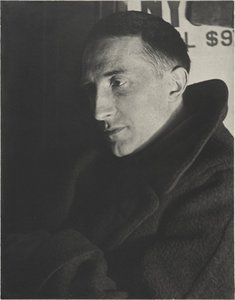
Marcel Duchamp
1887 - 1968 , Fransa
Kısa Bilgiler
- Artistic Movement Or Style:
- Kübizm
- Dadaizm
- Kavramsal Sanat
- Artists Or Movements Influenced By This Artist:
- Pop Sanatı
- Minimalizm
- Date Of Birth: 28 Temmuz 1887
- Date Of Death: 2 Ekim 1968
- Full Name: Marcel Duchamp
- Nationality: Fransız-Amerikalı
- Notable Artworks:
- Fountain
- L.H.O.O.Q.
- The Large Glass
- Place Of Birth: Blainville, Fransa