
 Önizle
 Gönder
 Paylaş
 Detaylar
 Rehber

 Dosyayı İndir
 Benzerleri
 X-Işını
 Slayt Gösterisi
 İstatistikler
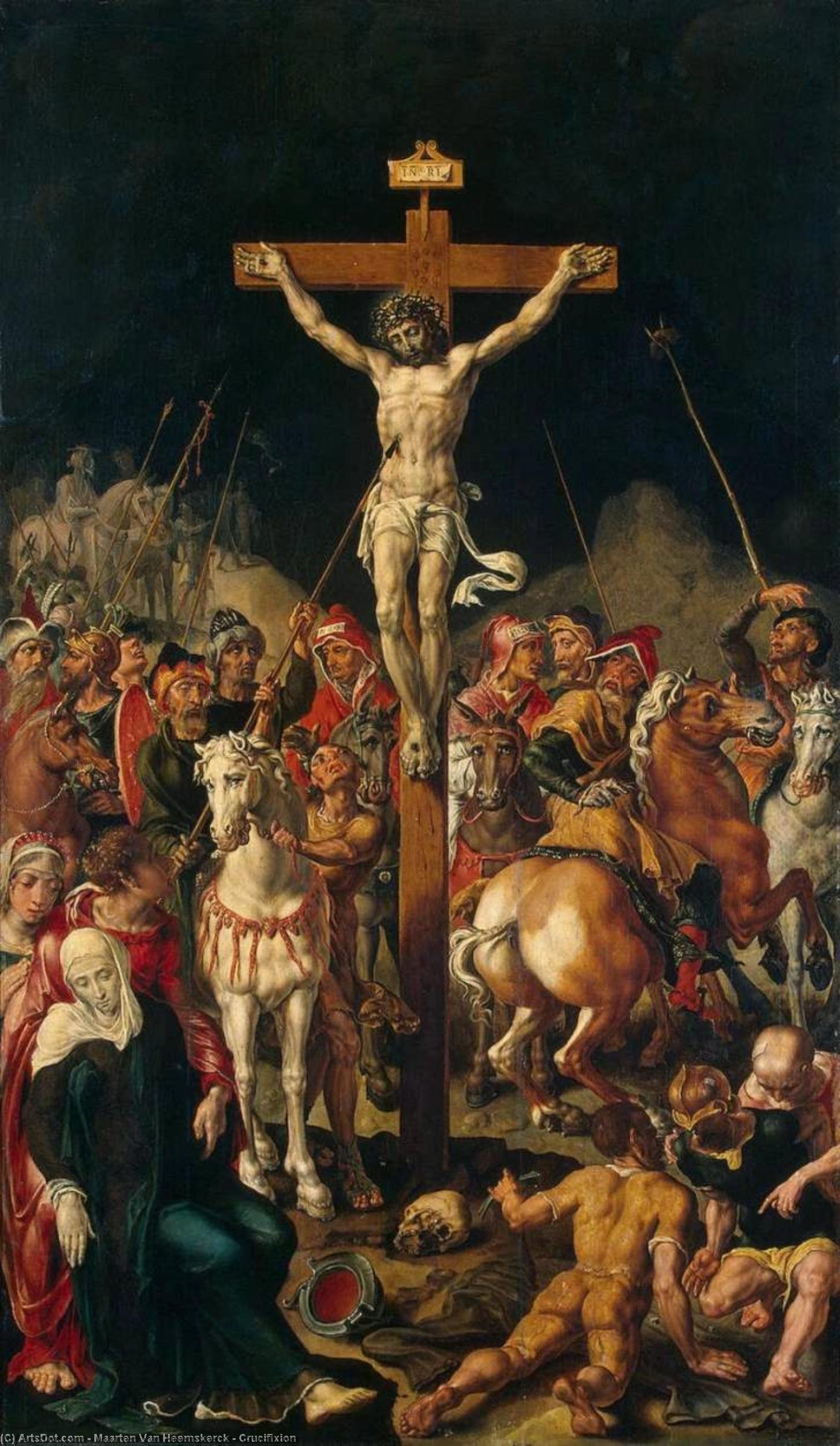
Crucifixion
 Oil On Canvas
- WallArt
- Renaissance Dutch
 1545
1545- Renaissance
 101.0 x 58.0 cm
 Hermitage Müzesi
 Devamını Oku
El Yapımı Yağlı Boya Reproduksiyon
Sanatçılarımız tarafından sipariş üzerine hazırlanan; istediğiniz boyut ve çerçevede, tuval üzerine el boyaması yağlı boya. ( Baskı Satışına Geç Dijital Görsel Satışına Geç)




P118B ₺10

P118H ₺10

P118W ₺10

P438Z ₺10

P508JH ₺12

P508YH ₺12

P805H ₺10

P805Z ₺10

P919BZ ₺10

P919G ₺10

P919XJ ₺10

P959ZH ₺10

P968JZ ₺12

W106C ₺8

W218G ₺10

W218JH ₺8

W218Y ₺10

W307PJ ₺10

W316G ₺10

W316PJ ₺8

W316Y ₺10

W398PJ ₺8

W4111J ₺10

W500HY ₺15

W500JH ₺15

W692G ₺12

W849H ₺8

W940BG ₺15

W953PJ ₺8




Eserin orijinal oranlarıyla uyumlu, önceden belirlenmiş boyutlarımız arasından seçim yapın.

Belirli bir çerçeveye veya alana uyması için kendi boyutlarınızı girebilirsiniz. Seçtiğiniz boyut orijinal görüntünün oranlarıyla eşleşmiyorsa, sanat eserini kırparak veya ek el boyaması öğelerle resmi uzatarak ayarlayacağız. Üretim başlamadan önce onayınız için dijital bir taslak gönderilecektir.
Lütfen ekrandaki önizlemenin gerçek kırpmayı veya uzatmayı yansıtmadığını unutmayın. Nihai kompozisyonu yalnızca hazırlanan taslak doğru şekilde gösterecektir.
Özel boyutlar mevcut olsa da, orijinal oranları korumak adına önceden tanımlanmış listeden bir boyut seçmenizi öneririz.
Siparişten sonra, OriginalUniqueArt.com ekibi talimatlar için müşteriye e-posta gönderecek ve bir taslak önizleme sunacaktır
Dünya Çapında Teslimat (); standart 5 hafta yerine 3/4 haftada. (13 Ekim). Kaliteden ödün verilmez.

Dünya Çapında Ücretsiz Ekspres Kargo

Yüksek Kaliteli Keten Tuval

Tam Nakliye Sigortası

Gümrük Vergisi İadesi Garantisi

Gerçek Renk Uyumu Garantisi

100 Günlük İade Koşulları (Sadece Üretim Hatalı Ürünler İçin)

%100 Para İade Garantisi

Toplu Alım Avantajı
 Cam seçeneği yalnızca 110 cm altındaki boyutlar için mevcuttur.

Crucifixion
Baskı Tekniği
Baskı Boyutu
-


Toplam Fiyat
₺ 14586
A Window Into Faith: Maerten van Heemskerck’s Crucifixion Triptych
The Crucifixion by Maerten van Heemskerck, completed in 1545, stands as a monumental achievement of the Dutch Renaissance and a testament to the enduring power of religious iconography. More than just a depiction of Christ's suffering – though undeniably poignant – this triptych transcends mere representation, immersing viewers in a meticulously crafted tableau that speaks volumes about humanist ideals and artistic innovation. Painted during a period marked by fervent piety and intellectual curiosity, it embodies the spirit of its time while simultaneously securing its place as one of the most influential artworks of the era.Style and Technique: Bridging Italian Renaissance Grandeur with Dutch Realism
Van Heemskerck skillfully blended elements of Italian Renaissance grandeur with the burgeoning realism characteristic of Dutch art. Influenced by artists like Michelangelo and Raphael, he adopted a pyramidal composition – a technique favored in monumental religious paintings – to convey stability and solemnity. However, unlike many Italian counterparts that prioritized idealized beauty, Van Heemskerck’s approach embraced meticulous detail and naturalistic observation. The artist painstakingly rendered textures—the rough linen of Christ's robe, the weathered stone of the cross—creating a palpable sense of physicality that distinguishes it from more stylized depictions. This careful attention to realism was further enhanced by his masterful use of chiaroscuro – dramatic contrasts between light and shadow – which sculptured form and imbued the scene with emotional depth.Historical Context: Rome Under Charles V and the Reformation’s Influence
The Crucifixion's creation coincided with a pivotal moment in European history: the reign of Charles V, Holy Roman Emperor, and the escalating tensions surrounding the Protestant Reformation. The Habsburg monarch championed Catholicism fiercely, commissioning artworks like this to reaffirm papal authority and bolster religious faith. Yet, Van Heemskerck’s work wasn’t solely driven by political considerations; it reflected a broader humanist preoccupation with human suffering and mortality – themes explored extensively in classical literature and philosophy. The triptych served as part of a larger project to decorate the Porta San Sebastiano in Rome, commemorating Charles V's victory over Protestant forces—a visual declaration of imperial piety amidst religious upheaval.Symbolism: Layers of Meaning Beyond Visual Representation
The Crucifixion’s symbolism is rich and multifaceted. The central panel depicts Jesus Christ crucified on the cross, a universally recognized emblem of sacrifice and redemption. His outstretched arms symbolize humility and acceptance of divine judgment, while his gaze directs upward towards God—a gesture signifying hope and spiritual aspiration. Surrounding him are figures representing Mary Magdalene, Nicodemus, Joseph of Arimathea, and others who witnessed Christ’s death – each embodying compassion and devotion. The inclusion of a horse on the right panel reinforces the imagery of royalty and divine majesty, mirroring the emperor's patronage. Furthermore, the cup positioned at the bottom left corner symbolizes the Eucharist—the sacrament commemorating Jesus’s sacrifice—underscoring the theological significance of the artwork.Emotional Impact: A Profound Reflection on Suffering and Faith
Ultimately, Maerten van Heemskerck’s Crucifixion transcends mere visual spectacle; it evokes a profound emotional response in viewers. The subdued palette – dominated by earthy tones – contributes to an atmosphere of solemn contemplation. Yet, the artist's masterful manipulation of light and shadow intensifies the drama of the scene, conveying the agony of Christ’s torment and eliciting empathy for his suffering. It compels us to confront questions about faith, mortality, and divine compassion—themes that continue to resonate across centuries. The Crucifixion remains a powerful reminder of humanity's capacity for sorrow and its unwavering belief in redemption – an enduring masterpiece that secures its place as one of the most poignant expressions of Renaissance spirituality.Soru ve Cevaplar
Maerten Van Heemskerck imzalı "Crucifixion" hangi duyguyu uyandırıyor?
Maerten Van Heemskerck imzalı "Crucifixion" eserinin yansıttığı ruh hali Dramatic, duygusal tonu ise Melancholic'dur.
Maerten Van Heemskerck imzalı "Crucifixion" adlı eser aydınlık mı yoksa karanlık bir sanat eseri mi?
Algılanan parlaklık açısından, Maerten Van Heemskerck imzalı "Crucifixion", deep_shadow düzeyindedir.
"Crucifixion" adlı eserin atmosferi nasıldır?
Maerten Van Heemskerck imzalı "Crucifixion" eserinin genel ruh hali Dramatic şeklindedir. Bu ruh hali, eserin genel atmosferini tanımlar.
"Crucifixion" eserinin yazarı kimdir ve hangi akıma aittir?
"Crucifixion" eserinin arkasında Maerten Van Heemskerck ve Renaissance Dutch akımı yer almaktadır.
Maerten Van Heemskerck imzalı "Crucifixion" eserini odamda görmek için artırılmış gerçekliği kullanabilir miyim?
Maerten Van Heemskerck imzalı "Crucifixion" eserinin AR Önizleme sayfası, uyumlu bir cihaz üzerinden sanat eserini kendi mekanınızda görmeniz için artırılmış gerçekliği kullanır.
"Crucifixion" adlı eser hangi sanatçıya atfediliyor?
"Crucifixion", Maerten Van Heemskerck tarafından yaratılmıştır. Bu sayfadaki bilgiler Maerten Van Heemskerck imzalı orijinal esere aittir.
"Crucifixion" hangi renk paletini ve hangi duyguyu bir araya getiriyor?
Maerten Van Heemskerck imzalı "Crucifixion" eserinin Earthy paleti, Melancholic duygusal tonuyla bir bütünlük sergiliyor. Renk, bir eserin duyguyu aktarma yollarından biridir.
Maerten Van Heemskerck imzalı "Crucifixion" eserinin renkleri canlı mı yoksa mat mı?
Maerten Van Heemskerck imzalı "Crucifixion" eserinin renkleri, Monochromatic yoğunluğunda ve Subtle Color bir doygunlukta görünmektedir.
Sanatçı Biyografisi
erken yaşam ve eğitim
maerten van heemskerck, Hollandalı seçkin bir portre ve dini ressam olarak 1 Haziran 1498'de Kuzey Hollanda'nın Heemskerk köyünde dünyaya geldi. Sanatsal yolculuğu Haarlem'de Cornelius Willemsz'in rehberliğinde başladı, ardından Delft'te Jan Lucasz ile kısa bir süre eğitim gördü. Nihayetinde, hocasının İtalyan etkisindeki stilini benimseyerek jan van scorel'un öğrencisi oldu.kariyerin dönüm noktaları
- maerten van heemskerck'ın eserleri, Hollanda ve İtalyan etkilerinin yenilikçi bir harmanıyla karakterize edilir; bu durum, Hollanda aile portreleri geleneğinde türünün ilk örneği kabul edilen ünlü aile portresinde açıkça görülmektedir.
- Roma'da V. Charles onuruna inşa edilen bir zafer takı olan porta san sebastiano'nun yeniden süslenmesi projesinde antonio da sangallo the younger, battista franco ve francesco de' rossi (il salviati) ile gerçekleştirdiği iş birliği, onun bir dekoratör olarak sahip olduğu hızlı uygulama yeteneğini gözler önüne sermektedir.
- Heemskerck'ın klasik heykel ve mimari üzerine yaptığı, günümüzde kupferstichkabinett berlin bünyesindeki iki eskiz defterinde korunan çizimleri, İtalyan sanatının özünü yakalamadaki ustalığını kanıtlamaktadır.
önemli eserler ve miras
- bağışçı ve azize mary magdalene (OriginalUniqueArt'da görüntüle)
- bakire ve aziz yuhanna (OriginalUniqueArt'da görüntüle)
- samson tapınağın sütunlarını yıkarken, maarten van heemskerck (OriginalUniqueArt'da görüntüle)
sonuç
maerten van heemskerck'ın sanat dünyası üzerindeki derin etkisi yadsınamaz. Rijksmuseum da dahil olmak üzere çeşitli müze koleksiyonlarının bir parçası olan eserleri, sanatçılara ve sanat meraklılarına ilham vermeye devam etmektedir. Onun şaheserlerini daha fazla keşfetmek için OriginalUniqueArt üzerindeki maerten van heemskerck sayfasına göz atın. Hayatı ve eserleri hakkında daha derin bir anlayış kazanmak için wikipedia'daki biyografisine başvurabilirsiniz.
Maerten Van Heemskerck
1498 - 1574 , Hollanda
Kısa Bilgiler
- Artistic Movement Or Style: Maniyerizm
- Artists Who Influenced This Artist:
- Jan van Scorel
- Antonio da Sangallo the Younger
- Date Of Birth: 1 Haziran 1498
- Date Of Death: 1 Ekim 1574
- Full Name: Maerten Jacobsz van Heemskerck
- Nationality: Hollandalı
- Notable Artworks:
- Ölü İsa Üzerine Ağıt
- Pieter Jan Foppeszoon ve Ailesi
- Keder Adamı Olarak İsa
- Place Of Birth: Heemskerk, Hollanda
İlgili Yazılar

Jan van Goyen: Master of Dutch Landscape & Atmospheric Perspective
Discover Jan van Goyen, the master of Dutch landscape painting. Explore his subtle technique, atmospheric realism & lasting influence on art history. Learn about this 17th-century pioneer at OriginalUniqueArt.
Adriaen van Ostade: A Master of Dutch Genre Painting & Social Commentary
Explore the life & work of Adriaen van Ostade, a leading Dutch Golden Age painter. Discover his realistic genre scenes, social commentary, and lasting influence on art history. Learn more at OriginalUniqueArt.

Maerten van Heemskerck: Bridging Mannerism & Renaissance Ideals
Explore the captivating world of Maerten van Heemskerck, a pivotal Dutch Renaissance painter bridging Mannerism & Italian influence. Discover his masterpieces and legacy with OriginalUniqueArt.

Rembrandt'ın En Ünlü 25 Eseri: Sanat Tarihine Işık Tutan Başyapıtlar
Rembrandt'ın en ünlü 25 eserini keşfedin! Hollanda Altın Çağı'nın bu Barok dehasının ışık ve gölge oyunlarıyla dolu portreleri, tarihi resimleri sizi büyüleyecek. Sanat baskıları ve ev dekorasyonu için OriginalUniqueArt.com'da Rembrandt koleksiyonunu inceleyin.

Dutch Baroque Masters: 10 Paintings That Shaped an Era | OriginalUniqueArt
Journey through the Golden Age with our guide to the Top 10 Dutch Baroque masterpieces! Explore iconic paintings by Rembrandt, Vermeer & Frans Hals. Find museum-quality art reproductions and elevate your home decor at OriginalUniqueArt.com.