

 Önizle
 Gönder
 Paylaş
 Detaylar
 Rehber

 Dosyayı İndir
 Benzerleri
 X-Işını
 Slayt Gösterisi
 İstatistikler
Carnival in Arcueil


 Devamını Oku
El Yapımı Yağlı Boya Reproduksiyon
Sanatçılarımız tarafından sipariş üzerine hazırlanan; istediğiniz boyut ve çerçevede, tuval üzerine el boyaması yağlı boya. ( Baskı Satışına Geç Dijital Görsel Satışına Geç)




P118B ₺10

P118H ₺10

P118W ₺10

P438Z ₺10

P508JH ₺12

P508YH ₺12

P805H ₺10

P805Z ₺10

P919BZ ₺10

P919G ₺10

P919XJ ₺10

P959ZH ₺10

P968JZ ₺12

W106C ₺8

W218G ₺10

W218JH ₺8

W218Y ₺10

W307PJ ₺10

W316G ₺10

W316PJ ₺8

W316Y ₺10

W398PJ ₺8

W4111J ₺10

W500HY ₺15

W500JH ₺15

W692G ₺12

W849H ₺8

W940BG ₺15

W953PJ ₺8




Eserin orijinal oranlarıyla uyumlu, önceden belirlenmiş boyutlarımız arasından seçim yapın.

Belirli bir çerçeveye veya alana uyması için kendi boyutlarınızı girebilirsiniz. Seçtiğiniz boyut orijinal görüntünün oranlarıyla eşleşmiyorsa, sanat eserini kırparak veya ek el boyaması öğelerle resmi uzatarak ayarlayacağız. Üretim başlamadan önce onayınız için dijital bir taslak gönderilecektir.
Lütfen ekrandaki önizlemenin gerçek kırpmayı veya uzatmayı yansıtmadığını unutmayın. Nihai kompozisyonu yalnızca hazırlanan taslak doğru şekilde gösterecektir.
Özel boyutlar mevcut olsa da, orijinal oranları korumak adına önceden tanımlanmış listeden bir boyut seçmenizi öneririz.
Siparişten sonra, OriginalUniqueArt.com ekibi talimatlar için müşteriye e-posta gönderecek ve bir taslak önizleme sunacaktır
Dünya Çapında Teslimat (); standart 5 hafta yerine 3/4 haftada. (8 Ekim). Kaliteden ödün verilmez.

Dünya Çapında Ücretsiz Ekspres Kargo

Yüksek Kaliteli Keten Tuval

Tam Nakliye Sigortası

Gümrük Vergisi İadesi Garantisi

Gerçek Renk Uyumu Garantisi

100 Günlük İade Koşulları (Sadece Üretim Hatalı Ürünler İçin)

%100 Para İade Garantisi

Toplu Alım Avantajı
 Cam seçeneği yalnızca 110 cm altındaki boyutlar için mevcuttur.

Carnival in Arcueil
Baskı Tekniği
Baskı Boyutu
-


Toplam Fiyat
₺ 14555
A Burst of Joy: Lyonel Feininger’s “Carnival in Arcueil”
Lyonel Feininger's "Carnival in Arcueil," painted in 1911, isn’t merely a depiction of a festive street scene; it’s a vibrant distillation of Expressionist energy and a testament to the artist’s unique ability to imbue everyday life with an extraordinary sense of movement and emotion. Housed within the Art Institute of Chicago, this oil on canvas transports us to the heart of a Parisian carnival, capturing not just the visual spectacle but also the palpable excitement and slightly surreal atmosphere that defines the moment. Feininger, a German-American painter deeply rooted in both European artistic traditions and American popular culture, masterfully blends elements of Cubism with the passionate intensity of Expressionism, creating an image that is both familiar and strikingly original.
The painting immediately draws the eye to its central figure: a man in black, balancing precariously on one leg while juggling three balls. This dynamic pose isn’t simply illustrative; it embodies the spirit of the carnival itself – a celebration of skill, daring, and joyful abandon. Surrounding him is a throng of figures, rendered with a remarkable degree of detail despite the overall impression of movement. They are not portraits in the traditional sense, but rather archetypes of carnival revelers—a mix of faces, costumes, and gestures that collectively contribute to the painting’s lively energy. The artist's use of color is particularly noteworthy; bold yellows, reds, blues, and greens dominate the palette, creating a dazzling visual effect that mirrors the vibrancy of the event itself.
The Architectural Backdrop: Bridges and Parisian Identity
Beyond the figures, it’s crucial to consider the setting – two prominent bridges that frame the scene. These aren't merely architectural elements; they are integral to the painting’s narrative. Arcueil, a town just south of Paris, was a frequent subject for Feininger, and these bridges became recurring motifs in his work. They represent not only the physical connection between different parts of the city but also a sense of Parisian identity—a blend of urban dynamism and historical heritage. The bridges’ solid forms provide a grounding element to the swirling chaos of the carnival, anchoring the scene within a recognizable, yet subtly stylized, reality.
Feininger's fascination with architecture is evident throughout his oeuvre, reflecting a broader interest in geometric form and spatial relationships. He often depicted buildings not as static objects but as dynamic forces shaping the urban landscape. In “Carnival in Arcueil,” the bridges serve as both structural supports and visual anchors, guiding the viewer’s eye through the composition and contributing to the painting's overall sense of depth and movement.
Expressionist Techniques: Color, Form, and Emotion
The painting’s distinctive style is firmly rooted in Expressionism—a movement that sought to convey subjective emotions rather than objective reality. Feininger achieves this through a number of key techniques. His use of flattened perspective and fragmented forms creates a sense of disorientation and immediacy, as if the viewer is swept up in the carnival's frenetic energy. The colors are applied with thick impasto—a technique that adds texture and physicality to the surface of the canvas—further enhancing the painting’s emotional impact.
Furthermore, Feininger employs a masterful use of color theory. He utilizes contrasting hues to heighten visual interest and create a sense of dynamism. The vibrant yellows and reds of the carnival scene are juxtaposed with cooler blues and greens in the background, generating a powerful visual tension. This interplay of colors not only captures the sensory experience of the carnival but also reflects the artist’s own emotional response to it—a mixture of excitement, wonder, and perhaps even a touch of melancholy.
A Legacy of Modernity: Feininger's Place in Art History
“Carnival in Arcueil” stands as a pivotal work in Lyonel Feininger’s career and a significant example of early 20th-century art. His exploration of urban life, combined with his innovative use of color and form, foreshadowed many of the developments that would characterize modernism. The painting's influence can be seen in the works of later Expressionist artists such as Max Beckmann and Emil Nolde, while its stylistic elements also resonate with the Cubist explorations of Picasso and Braque.
Today, “Carnival in Arcueil” continues to captivate viewers with its vibrant energy and emotional depth. It’s a reminder of the power of art to capture not just what we see but also what we feel—a celebration of joy, movement, and the enduring spirit of human connection.
Soru ve Cevaplar
"Carnival in Arcueil" eseri yaratıldığında Lyonel Feininger kaç yaşındaydı?
Lyonel Feininger, "Carnival in Arcueil" adlı eserini 40 yaşındayken yaptı. Sanatçı 1871 yılında doğmuştur ve eser 1911 tarihine aittir.
Lyonel Feininger imzalı "Carnival in Arcueil" eserinin renk yoğunluğu nedir?
Lyonel Feininger imzalı "Carnival in Arcueil", Vivid bir renk yoğunluğu sergiliyor.
"Carnival in Arcueil" adlı eser hangi sanatçıya atfediliyor?
"Carnival in Arcueil", Lyonel Feininger tarafından yaratılmıştır. Bu sayfadaki bilgiler Lyonel Feininger imzalı orijinal esere aittir.
"Carnival in Arcueil" ne zaman yapıldı?
Lyonel Feininger imzalı "Carnival in Arcueil" eserinin yapım tarihi 1911 olarak kaydedilmiştir.
Lyonel Feininger imzalı "Carnival in Arcueil" eserinde hakim olan temel renk tonu nedir?
Lyonel Feininger imzalı "Carnival in Arcueil" eserinin baskın rengi Ochre to Sepia'dir. Bu renk, paletin temel tonunu oluşturur.
"Carnival in Arcueil" eserini kim yarattı ve hangi tarzda?
"Carnival in Arcueil", Lyonel Feininger tarafından Expressionism üslubunda yaratılmıştır. Sanatçı ve akım, eserin ait olduğu geleneği tanımlar.
"Carnival in Arcueil" eseri telif hakkından muaf mı?
Telif hakkı konusunda, "Carnival in Arcueil" eseri kamu malıdır - telif hakkı süresi dolmuştur statüsündedir.
Sanatçı Biyografisi
Erken Yaşam ve Kariyer: Bir Karikatüristten Güzel Sanatlara
- Doğum ve Aile: Lyonel Charles Adrian Feininger, 17 Temmuz 1871 tarihinde New York City'de dünyaya geldi. Babası Karl Feininger, Alman asıllı Amerikalı bir kemancı ve besteci; annesi Elizabeth Feininger ise Amerikalı bir şarkıcıydı. Bu sanatsal kökenler, sanatçının erken dönem gelişimini derinden etkiledi.
- İlk Eğitim ve Avrupa Yolculukları: 1887 yılında, henüz 16 yaşındayken müzik eğitimi almak için Avrupa'ya giden Feininger, kısa süre sonra odağını sanata çevirdi. Hamburg ve Berlin'de çizim dersleri alarak teknik becerilerini geliştirdi.
- Ticari Sanat Kariyeri: 1894 yılından itibaren Feininger, çeşitli Alman, Fransız ve Amerikan dergileri için karikatürist olarak başarılı bir kariyer inşa etti. "The Kin-der-Kids" ve "Wee Willie Winkie's World" gibi çizgi romanları büyük bir popülerlik kazandı ve onun kendine özgü grafik üslubunu tüm dünyaya tanıttı.
- Güzel Sanatlara Geçiş: Ticari sanat dünyasındaki 20 yıllık serüveninin ardından, Feininger 36 yaşında güzel sanatlara yöneldi. Bu değişim, onun sanatsal yolculuğunda çok önemli bir dönüm noktası oldu.
Ekspresyonizm ve Bauhaus Etkisi
- Ekspresyonist Gruplara Katılım: Feininger; Die Brücke, Novembergruppe ve Gruppe 1rakı gibi etkili gruplara katılarak Ekspresyonizmin önde gelen temsilcilerinden biri haline geldi. Bu dönemdeki eserleri, akımın duygusal dışavurum ve öznel deneyim üzerine olan vurgusunu yansıtıyordu.
- İlk Solo Sergi: 1917 yılında Berlin'deki Sturm Gallery'de gerçekleştirdiği ilk solo sergisi, sanat dünyasında önemli bir figür olarak yerini sağlamlaştıran kritik bir an oldu.
- Bauhaus Ustası: 1919 yılında Walter Gropius, Feininger'i sanat ve tasarımın çığır açan okulu Bauhaus'un ilk öğretim üyelerinden biri olarak atadı. Baskı atölyesinin sorumlusu olan usta sanatçı olarak görev yaptı ve sayısız öğrencisine ilham verdi.
- Sanatsal Üslup: Eserleri; prizmatik olarak kırılmış formlar, yarı saydam renkler ile mimari ve deniz temalarına yapılan atıflarla karakterize edilerek onu klasik modernizmle bütünleştirdi.
Başlıca Eserler ve Sanatsız Gelişimi
- Erken Dönem Deniz Resimleri: Usedom adasındaki yaz tatilleri sırasında (1909-1918), Feininger Baltık Denizi'ni betimleyen çok sayıda deniz resmi yaratarak evrilen üslubunu sergiledi.
- Önemli Eserler: "Werder I" (sulu boya), "Gaberndorf II" (kağıt) ve "Boats" (kübizm, tuval üzerine yağlı boya) gibi önemli çalışmaları, Ekspresyonist tekniklerin ve mimari temaların eşsiz bir karışımını sunar.
- Fotoğraf Çalışmaları: 1928 ile 1950'lerin ortaları arasında Feininger, bir sanatçı olarak çok yönlülüğünü kanıtlayan oldukça geniş bir fotoğrafik külliyat üretti.
- Müzikal Besteler: Sanatçının yeteneğinin bir diğer yönü de bestelediği çeşitli piyano parçaları ve org füglerinde kendini göstermektedir.
Son Yıllar ve Miras
- Amerika Birleşik Devletleri'ne Göç: 1933 yılında Nazi Partisi'nin yükselişi nedeniyle Feininger, eşiyle birlikte Amerika Birleşik Devletleri'ne göç etmek zorunda kaldı.
- Sanatsal Üretimin Devamı: Hayatı boyunca kendine has tarzını koruyarak resim yapmaya ve sanat üretmeye devam etti.
- Vefat ve Tanınma: Lyonel Feininger, 13 Ocak 1956'da hayata gözlerini yumdu. Eserleri; Ekspresyonizm, grafik deneyler ve mimari temaların benzersiz senteziyle sanat dünyasında silinmez bir iz bırakarak sanatçıları ve meraklıları büyülemeye devam etmektedir.
- Tarihsel Önem: Hem Ekspresyonizm hem de Bauhaus hareketinin kilit isimlerinden biri olan Feininger'in katkıları, modern sanatın gidişatını önemli ölçüde şekillendirmiştir. Renk, form ve perspektifi yenilikçi kullanımı, günümüzde de izleyiciler üzerinde derin bir yankı uyandırmaktadır.

Lyonel Feininger
1871 - 1956 , Amerika Birleşik Devletleri
Kısa Bilgiler
- Artistic Movement Or Style: Dışavurumculuk, Kübizm
- Artists Or Movements Influenced By This Artist:
- Bauhaus hareketi
- Ludwig Hirschfeld Mack
- Date Of Birth: 17 Temmuz 1871
- Date Of Death: 13 Ocak 1956
- Full Name: Lyonel Charles Adrian Feininger
- Nationality: Alman-Amerikalı
- Notable Artworks:
- Werder I (sulu boya)
- Gaberndorf II (kağıt)
- Boats (tuval üzerine yağlı boya)
- Place Of Birth: New York City, ABD
İlgili Yazılar

Lyonel Feininger: Bridging Expressionism & Cubism – A Study of Spiritual Geometry
Explore the captivating world of Lyonel Feininger, a pivotal figure bridging Expressionism & Cubism. Discover his architectural visions, Bauhaus influence, and enduring legacy in modern art history. Learn more at OriginalUniqueArt.
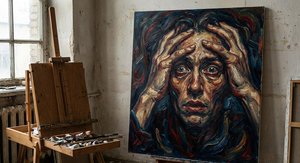
Figurative Expressionism: Emotional Intensity & Subjective Reality in 20th-Century Art
Explore the powerful world of Figurative Expressionism with OriginalUniqueArt. Discover key artists like Kirchner & Beckmann, understand its emotional depth, and learn how to collect this influential 20th-century art movement.
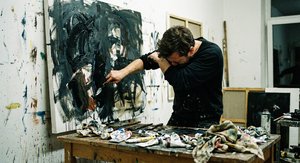
The Raw Emotion of Expressionism: A Deep Dive into its History, Characteristics & Enduring Influence
Explore the raw emotion of Expressionism with OriginalUniqueArt. Discover its history, key artists like Kirchner & Munch, and lasting influence on modern art. Expert insights for collectors & enthusiasts.

Deconstructing Reality: Cubist Expressionism's Aesthetic & Philosophical Foundations
Explore the profound aesthetic & philosophical foundations of Cubist Expressionism. Discover key artists, movements, and lasting influence on modern art history. A guide for discerning collectors.

German Expressionism's 10 Defining Masterpieces | Art for Your Home
Explore 10 defining German Expressionism masterpieces – from Munch's 'The Scream' to Kandinsky’s abstracts. Discover the artists, stories & bold colors behind this powerful art movement. Find museum-quality reproductions at OriginalUniqueArt.com.