Expressionism
Carnival (Lyonel Feininger)
Carnival, Lyonel Feininger (1871–1956) tarafından yapıldı. Expressionism akımına aittir. Oil On Canvas ile yapılmıştır.
- Oil On Canvas

 Gerçek Boyutta Önizle

 El Yapımı Yağlı Boya Tablo
 Paylaş
 Paylaş
 Bilgi formu


 İndir
 Benzer ürünler
 X-Işını
 Slayt Gösterisi
 Soru & Cevap

 İstatistikler
Carnival hakkında kısa bilgi
- Başlık
- Carnival
- Sanatçı
- Lyonel Feininger (1871–1956)
- Sanatçının doğum yeri
- New York, Amerika Birleşik Devletleri
- Teknik
- Oil On Canvas
- Akım
- Expressionism
- Dönem
- Early Modern
- Konu
- people, figures, street scene, building, clock tower, umbrella
Carnival neyi betimliyor?
Identification of Carnival by Lyonel Feininger
The street comes alive in Carnival, a spirited oil on canvas work by Lyonel Feininger. Created in 1911, this piece captures a moment of public celebration. The scene unfolds with a sense of movement, as if the viewer has just stepped into the middle of a bustling procession. People move through the space, their presence adding a layer of human energy to the urban setting.
Lyonel Feininger brings this specific vision to life through his unique handling of the medium. The oil paint carries the weight of the figures and the architecture, grounding the festive atmosphere in a tangible reality. Every brushstroke contributes to the feeling of a city in motion, caught in the middle of a joyful, crowded event. It is a window into a specific time and place, preserved through the artist's hand.
Composition and Visual Elements
A lively street scene unfolds before the eyes, filled with the restless energy of a crowd in motion. At least nine individuals populate the thoroughfare, each caught in a private moment of transit. One figure carries an umbrella against the sky, while another relies on a cane to navigate the pavement. Some travelers shoulder handbags or backpacks, their bodies angled as they move through the urban space. The figures appear to drift past one another, creating a sense of constant, rhythmic movement through the heart of the city.
In the background, the architecture looms with a sense of permanence. A building with a prominent clock tower watches over the pedestrians, its structure anchoring the bustling activity below. The composition draws the eye through the layers of the street, where the interplay of people and buildings creates a complex, layered perspective. The arrangement of the crowd suggests a spontaneous gathering, a slice of daily life where every person contributes to the collective pulse of the scene.
Technique and Artistic Style
The oil on canvas pulses with a restless energy, capturing a moment of movement through a lens of Expressionism. Colors collide and dance across the surface, refusing to settle into quietude. There is a palpable sense of rhythm in the way the pigments are applied, mirroring the lively street scene unfolding before us. The brushwork feels alive, driven by a desire to translate the emotional heat of a public celebration into visible, tactile strokes.
A subtle tension exists between the emotional intensity of Expressionism and the structural discipline of Cubist influence. While the colors scream with life, the underlying forms suggest a more calculated, geometric arrangement. This intersection of styles creates a visual language where the chaos of a crowd meets the organized logic of modernism. The figures move through a space that feels both spontaneous and carefully constructed, as if the artist is balancing the raw feeling of the moment with a precise, architectural eye.
Where to See This Artwork Today
The lively energy of this scene remains preserved within the walls of the Art Institute of Chicago. Visitors traveling to Chicago, IL, US, find this piece held within the institution's permanent collection. It resides there as a part of the Joseph Winterbotham Collection, waiting for those who wander through the museum's galleries to encounter its movement.
The painting stays housed in the Art Institute of Chicago, Chicago. It exists in this specific space, allowing the colors and the figures to remain part of the city's cultural landscape. One can find it among the many works that populate the museum's halls, where the spirit of the carnival continues to exist in its physical form.
Carnival için yüksek çözünürlüklü görseller

Kamu malı: sanatçı 1956 yılında vefat etmiştir.
Diğer boyutlar, kırpma seçenekleri ve alıntı bilgisi →Lyonel Feininger, Carnival. Kamu malı.
Carnival hakkında sorular ve cevaplar
"Carnival" hangi teknikle yapılmıştır?
Lyonel Feininger imzalı "Carnival" eserinin tekniği Oil On Canvas kullanılarak uygulanmıştır. Çoğaltımlar, bu tekniğin görünümünü yansıtmayı amaçlamaktadır.
Lyonel Feininger imzalı "Carnival" neyi betimliyor?
Lyonel Feininger imzalı "Carnival" şunları betimler: people, figures, street scene, building, clock tower, umbrella, cane, handbags.
"Carnival" eseri kamu malı mı?
Telif hakkı açısından, "Carnival" eseri kamu malıdır - telif hakkı süresi dolmuştur statüsündedir.
"Carnival" adlı eser hangi sanatçıya atfediliyor?
"Carnival", Lyonel Feininger tarafından yaratılmıştır. Bu sayfadaki bilgiler Lyonel Feininger imzalı orijinal esere aittir.
Lyonel Feininger imzalı "Carnival" hangi sanat akımına dahildir?
"Carnival", Expressionism akımına ait bir eserdir. Bu akım, eserin dahil olduğu sanatsal geleneği ifade eder.
"Carnival" adlı eser, Lyonel Feininger'in sanat kariyerinin hangi dönemini temsil ediyor?
"Carnival", Lyonel Feininger sanatçısının Early Period dönemini temsil etmektedir."
"Carnival" eserinin telif hakkı durumu neden bu şekildedir?
Lyonel Feininger imzalı "Carnival", kamu malıdır - telif hakkı süresi dolmuştur statüsündedir. Telif hakkı süresi, sanatçının 1956 yılındaki ölümünden itibaren hesaplanmaktadır.
"Carnival" adlı eser, Lyonel Feininger’in temaları ve üslubuyla nasıl bir bütünlük sağlıyor?
"Carnival", temaları arasında expressionism and cubism influence, urban life exploration, pivotal early career work, transition to fine art yer alan Lyonel Feininger'in Expressionism dönemine ait bir eserdir.
"Carnival" eserinin konusu, Lyonel Feininger sanatçısının alışılagelmiş temalarıyla nasıl bir ilişki içerisindedir?
Lyonel Feininger'in yinelenen temaları expressionism and cubism influence, urban life exploration, pivotal early career work, transition to fine art içerir; "Carnival" ise people, figures, street scene, building, clock tower, umbrella, cane, handbags üzerine odaklanır.
Sanatçı hakkında, Lyonel Feininger

1871–1956, Amerika Birleşik Devletleri
Lyonel Feininger
Erken Yaşam ve Kariyer: Bir Karikatüristten Güzel Sanatlara Doğum ve Aile: Lyonel Charles Adrian Feininger, 17 Temmuz 1871 tarihinde New York City'de dünyaya geldi. Babası Karl Feininger, Alman asıllı Amerikalı bir kemancı ve besteci; annesi Elizabeth Feininger ise Amerikalı bir şarkıcıydı. Bu sanatsal kökenler, sanatçının erken dönem gelişimini derinden etkiledi. İlk Eğitim ve Avrupa Yolculukları: 1887 yılında, henüz 16 yaşındayken müzik eğitimi almak için Avrupa'ya giden Feininger, kısa süre sonra odağını sanata çevirdi.
Lyonel Feininger Hakkında Lyonel Feininger tarafından yapılmış öne çıkan eserler
Lyonel Feininger tarafından yapılan diğer eserler
 The honeymooners
 Boats1917
 Sailing Boats
 Blue Coast

Carnival üzerine denemeler
 Lyonel Feininger: Bridging Expressionism & Cubism – A Study of Spiritual GeometryExplore the captivating world of Lyonel Feininger, a pivotal figure bridging Expressionism & Cubism. Discover his architectural visions, Ba…
 The Architecture of the Crowd: Examining Human Presence in Urban CompositionsExplore the evolution of urban art from Caillebotte to modern street murals. Discover the pulse of the city through masterworks.
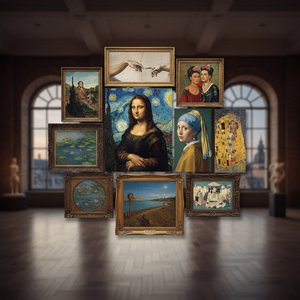 Oil on Canvas Masters: 10 Paintings That Redefined Art History |Journey through art history with our guide to 10 legendary oil on canvas masterpieces! Explore iconic works by Van Gogh, Monet & Rembrandt.…